

QuackQuack's Human Matchmaker: A Retreat from Algorithmic Dating
Key Points
- •Indian dating app QuackQuack has launched a Human Matchmaker Model combining artificial intelligence advice with human coaching for its 30 million registered users.
- •According to internal QuackQuack figures, 44 per cent of its members report safety concerns while 26 per cent express hesitation about initiating conversations with matches.
- •Major dating platforms including Match Group, Bumble, and Tinder have introduced premium tiers with monthly subscription costs ranging from £15 to £60.
- •QuackQuack provides paying subscribers with profile optimisation, curated conversation starters, safety guidance, and priority access to offline meetups.
QuackQuack, the Indian dating platform with more than 30 million registered users, has launched what it's calling a 'Human Matchmaker Model'—a premium service that pairs AI-generated dating advice with access to human coaches. Available exclusively to paying subscribers, the offering includes profile optimisation, curated conversation starters, safety guidance, and priority access to offline meetups. What it actually delivers is a clearer admission: free dating apps have stopped working for most people.
The service sits behind QuackQuack's paywall and promises personalised support from what the company describes as dating coaches. These advisers reportedly guide subscribers through profile creation, suggest messaging strategies, and provide safety tips. The AI component generates conversation prompts and profile recommendations. Paying members also get faster access to the app's offline events, positioning premium subscribers at the front of the queue for in-person interaction.

This isn't about innovation. It's about retreat. When an app needs to hire humans to help paying users navigate the experience it built, that's a product failure dressed up as a feature. QuackQuack is monetising the admission that swiping alone doesn't work—and charging users to solve problems the platform created. The bigger story is how many apps are quietly moving in this direction.
Create a free account
Unlock unlimited access and get the weekly briefing delivered to your inbox.
When an app needs to hire humans to help paying users navigate the experience it built, that's a product failure dressed up as a feature.
The launch reflects mounting pressure across the industry to extract more revenue from existing users as growth plateaus. Match Group (MTCH), Bumble (BMBL), and virtually every major operator have spent the past 18 months aggressively pushing premium tiers, paid boosts, and feature paywalls. QuackQuack's move mirrors Tinder's introduction of Select, Hinge's shift towards paid prompts, and Bumble's Premium+ tier at $60 per month. All are chasing the same cohort: users desperate enough to pay for an edge.
What distinguishes QuackQuack's approach is the cultural context. The South Asian market has never fully abandoned traditional matchmaking structures. Arranged marriages and family-mediated introductions remain commonplace in India, where dating apps coexist alongside matrimonial platforms and professional matchmakers. A hybrid model that layers human guidance onto algorithmic matching isn't a radical departure—it's a localisation strategy. The app is effectively repackaging the cultural expectation of mediated courtship and selling it back to users who've been raised to expect it.
The company's own user data exposes why this matters. According to figures QuackQuack disclosed, 44 per cent of its members report safety concerns, whilst 26 per cent say they're hesitant to initiate conversations with matches. Those aren't niche anxieties. They're foundational user experience problems affecting nearly half the base. If your product leaves users feeling unsafe or unsure how to use it, you've failed at basic design. Charging them to fix that isn't premium service. It's ransom.

The two-tier dating economy
QuackQuack's model crystallises a broader industry shift towards what might be called concierge dating. Free users get the basic swipe deck and algorithmic matching. Paying subscribers get human support, safety guidance, better event access, and someone to tell them what to write. The gap between these experiences is widening fast.
This creates a bifurcated market. Premium users receive active assistance in profile creation, messaging strategy, and offline access—the very things that determine success on these platforms. Free users are left to figure it out themselves, competing against an increasingly sophisticated cohort who've paid for help. The effect is compounding: paying users get better matches, higher response rates, and preferential access to real-world events, which in turn justifies the subscription cost and widens the gap further. Free users aren't just missing features. They're structurally disadvantaged.
Tinder didn't eliminate matchmakers. It turned itself into one and started charging for the service.
The irony is that dating apps were supposed to disintermediate matchmaking. The pitch was democratisation: no gatekeepers, no fees, just you and the algorithm. Two decades later, the gatekeepers are back. They're just employed by the app now, and access costs $15 to $60 per month depending on the platform. Tinder didn't eliminate matchmakers. It turned itself into one and started charging for the service.
What it means for operators
For dating platforms wrestling with stagnant growth and investor pressure to improve margins, QuackQuack's model offers a template. Human-assisted premium tiers allow companies to monetise high-intent users without adding significant product complexity. Coaching services don't require new algorithms or technical infrastructure—just trained staff and a pricing model. Offline event access is similarly low-cost to implement and high-value to users starved for in-person interaction after years of pandemic-driven isolation.
The risk is long-term degradation of the free product. If premium features genuinely improve outcomes—and QuackQuack claims they do—then free users will see declining match quality as the most engaged members migrate to paid tiers. That accelerates churn among non-subscribers and narrows the addressable market to those willing or able to pay. In markets like India, where price sensitivity remains high and disposable income varies widely, a two-tier system could exclude significant portions of the user base entirely.
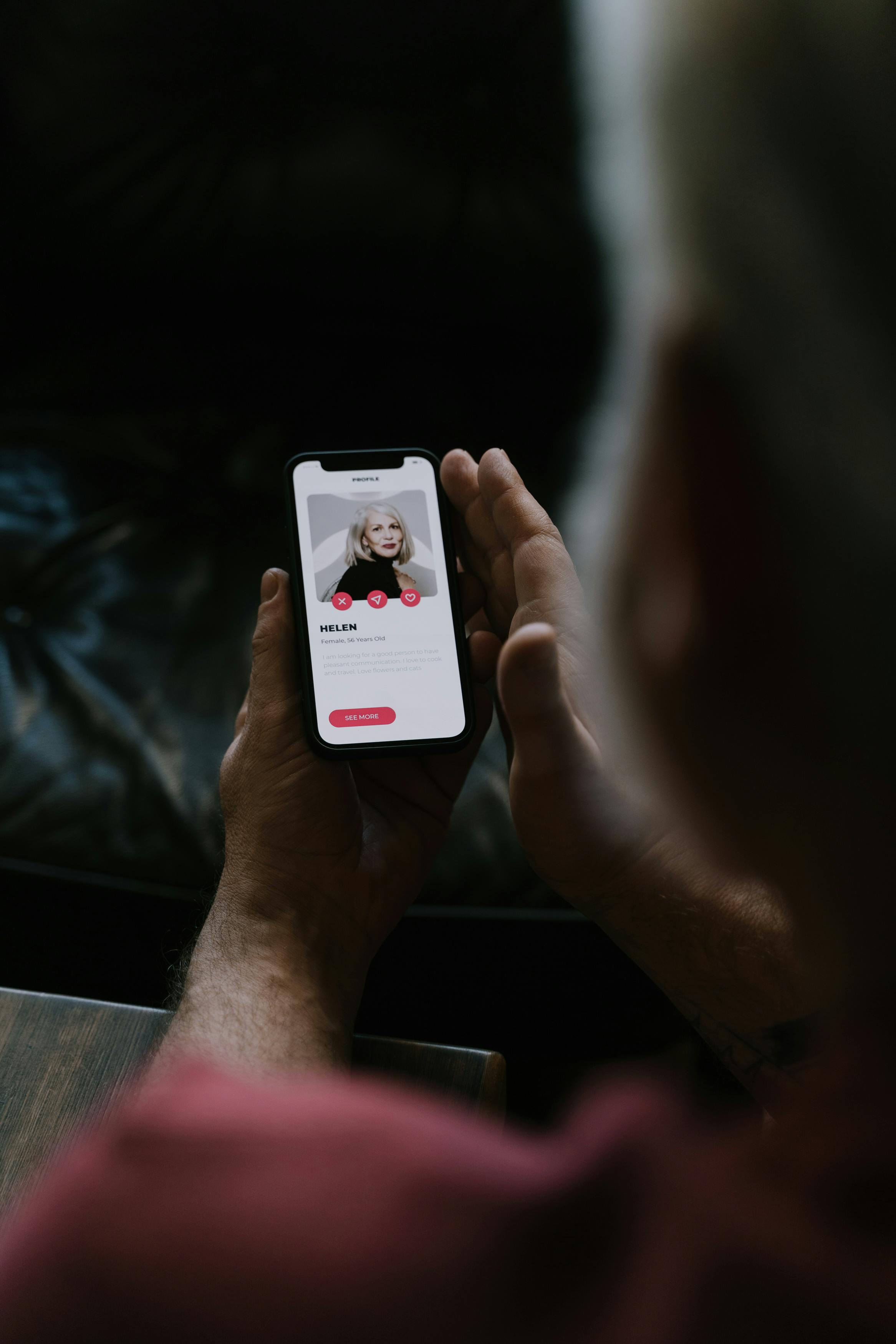
Regulatory scrutiny is another concern. If apps are designing free experiences that feel deliberately hobbled to push upgrades, that invites questions about consumer protection and fairness. The UK Online Safety Act (OSA) and EU Digital Services Act (DSA) both emphasise platform accountability for user safety. An app that reserves safety guidance for paying subscribers whilst free users remain exposed could face uncomfortable questions from regulators examining duty of care obligations.
What comes next
QuackQuack hasn't disclosed pricing for the matchmaker service or how many coaches it's hired. The company also hasn't provided independent evidence that its AI-generated advice or human coaching delivers better outcomes. Claims that conversation starters are 'proven to get more responses' and advice is 'backed by extensive research' remain unverified marketing language. Without data, it's impossible to assess whether this is genuinely effective or just a way to extract more revenue from anxious users.
What's certain is that more apps will follow. The shift from self-service swiping to assisted matchmaking reflects both user demand and economic necessity. Members want help. Platforms need revenue. Hybrid models that combine algorithmic efficiency with human touch offer a way to deliver both—at least for those who can afford it. The question is whether the industry is solving a problem or simply monetising it.
Key Takeaways
- •Dating app operators adopting hybrid human-coaching models risk accelerating churn among non-paying users by creating structural disadvantages that degrade the free product experience.
- •Compliance teams at platforms like QuackQuack face regulatory scrutiny under the UK Online Safety Act and EU Digital Services Act if safety guidance is restricted to paid tiers.
Frequently Asked Questions
Technology & AI Desk
The DII Technology Desk reports on product, engineering, AI and platform infrastructure across dating and social discovery apps.
Comments
Join the discussion
Industry professionals share insights, challenge assumptions, and connect with peers. Sign in to add your voice.
Your comment is reviewed before publishing. No spam, no self-promotion.


