LinkedIn's Verification API Offers Dating Apps a Shortcut With Hidden Costs
Key Points
- •LinkedIn has launched a Verification API allowing third-party platforms to authenticate users against its base of over 100 million verified members.
- •LinkedIn reports that verified users receive 60 percent more profile views across its global network of 930 million total registered members.
- •Bumble has 23 million active users, whilst Match Group platforms like Tinder and Hinge continue struggling with low voluntary adoption of proprietary verification.
- •LinkedIn's verification system utilises government identity checks, facial recognition technology, and employment confirmation powered by Microsoft Entra platform architecture.
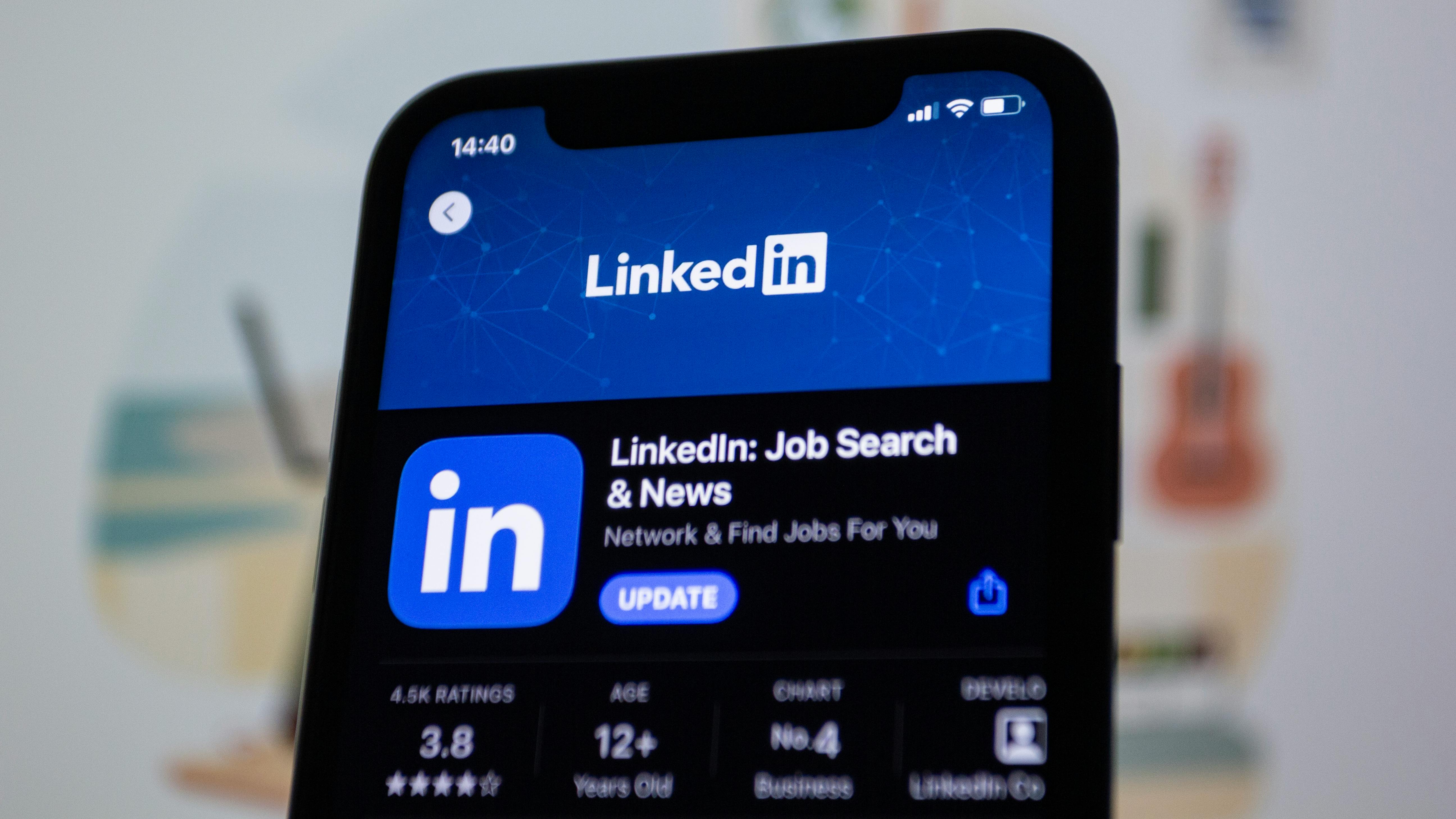
LinkedIn's identity verification programme has crossed 100 million verified users, and the company is now offering an API that allows other platforms to use those credentials. For dating apps still wrestling with the economics and user friction of ID checks, that's either a convenient shortcut or a strategic mistake. The professional networking platform disclosed the figure alongside the launch of its Verification API, which lets third-party services authenticate users against LinkedIn's existing verified base.
According to the company, verified LinkedIn users see 60% more profile views, whilst verified company pages attract 10.9 times the engagement. Those metrics matter because they suggest verification isn't just a trust signal—it's a distribution advantage.
Dating platforms have spent years building proprietary verification systems that users barely tolerate and fraudsters routinely bypass. LinkedIn's offer is tempting: instant credibility, no infrastructure cost, and a ready-made base of 100 million people who've already handed over their credentials. But outsourcing trust to a platform with fundamentally different incentives—where reputation is professional capital, not romantic privacy—risks creating a mismatch that makes verification theatre even more elaborate.
Create a free account
Unlock unlimited access and get the weekly briefing delivered to your inbox.
The real question isn't whether this API works. It's whether dating apps want to tie their trust infrastructure to a company that doesn't understand why someone might not want their career profile linked to their dating life.
The verification problem dating hasn't solved
Match Group has experimented with government ID verification across its portfolio, most visibly on Tinder, where the feature remains optional and adoption figures aren't disclosed. Bumble uses selfie-based photo verification, which checks that live images match profile photos but doesn't confirm identity. Both approaches share the same flaw: they're expensive to operate, create user friction, and still leave room for synthetic identities and stolen documents.
The industry's verification challenge isn't purely technical. It's economic. Manual review doesn't scale; automated systems produce false positives that alienate paying subscribers; and biometric checks raise privacy concerns that vary wildly by jurisdiction.
Hinge introduced selfie verification in 2023, but the company hasn't disclosed what percentage of its user base has completed it. That silence speaks to the problem: verification only works if it's near-universal, but making it mandatory craters conversion rates.
LinkedIn's pitch is that it's already solved the hard parts. Its verification programme, which launched in 2022, uses a combination of government ID checks, facial recognition, and employment confirmation through Microsoft's Entra platform. The scale is genuine—100 million verified users represents roughly 12% of LinkedIn's 930 million total members, according to the company's most recent figures.
Professional context, romantic complications
What works for career networking doesn't automatically translate to dating. LinkedIn's incentive structure rewards transparency: verified professionals gain visibility, connections, and job opportunities. Anonymity on LinkedIn is a liability. On dating platforms, selective privacy is a feature, not a bug.
Users compartmentalise for reasons ranging from the mundane—not wanting colleagues to see their dating profile—to the critical: safety concerns about stalking, workplace harassment, or culturally conservative families. Grindr has steered away from mandatory ID verification precisely because its user base includes people in jurisdictions where being openly gay carries legal or social risks.
A verified LinkedIn profile belonging to someone with a restraining order is still verified. The credential is real; the trust it confers is narrower than dating operators need.
There's also a question of what LinkedIn's verification actually certifies. It confirms that a person is who they claim to be in a professional context, using documentation and employment records. It doesn't verify relationship status, criminal history, or the behavioural signals that dating platforms care about.
The engagement statistics LinkedIn cites—60% more profile views for verified users—require scrutiny. These figures don't distinguish between correlation and causation. Verified users may be more active, more senior, or simply more committed to the platform. Applying that dynamic to dating would likely amplify existing inequalities: verified profiles would dominate discovery algorithms, creating a two-tier system where unverified users become functionally invisible.
Who this helps, who it hurts
For smaller dating platforms without the budget to build verification infrastructure, LinkedIn's API offers a plausible path to credibility. A niche app targeting professionals—think The League or a sector-specific matchmaking service—could integrate LinkedIn verification as a core feature, positioning itself as the "serious" alternative to swipe apps. The cost and complexity of the integration isn't yet public, but LinkedIn's API documentation suggests it's designed for straightforward implementation.
Larger operators face a different calculus. Match Group has already invested heavily in proprietary systems; adopting LinkedIn's API would mean admitting that investment hasn't delivered differentiation. Bumble's brand equity is partly built on its in-house trust and safety innovations. Outsourcing verification to a Microsoft-owned platform would undermine that narrative, particularly as the company attempts to rebuild its valuation after a brutal 2023.
The regulatory angle complicates things further. The UK Online Safety Act requires platforms to implement age verification but doesn't prescribe specific methods. LinkedIn's API could satisfy that requirement, but it also introduces a new data-sharing relationship that would need to comply with GDPR and equivalent frameworks in other markets.
What happens if this becomes infrastructure

If LinkedIn's verification API gains traction beyond dating—into marketplaces, community platforms, or creator services—it starts to look less like a feature and more like identity infrastructure. That's a powerful position for Microsoft to hold, and a risky dependency for platforms that integrate it. The company could adjust pricing, tighten access, or use verification data to inform its own product decisions.
The counter-argument is that dating apps are already dependent on third-party infrastructure: cloud hosting, payment processors, SMS verification providers. Adding identity verification to that stack isn't fundamentally different. But identity sits closer to the core of what makes a dating platform trustworthy. Losing control of that layer means losing one of the few remaining ways to differentiate on safety, which is increasingly the message both regulators and investors want to hear.
The more immediate question is whether dating users will accept professional verification in a romantic context. LinkedIn's user base skews older and more affluent than Tinder's or Bumble's. Younger demographics, already sceptical of linking their identities across platforms, may view LinkedIn integration as invasive rather than reassuring.
Match Group's experience with optional ID verification suggests that uptake requires either strong incentives or near-mandatory adoption—and mandatory systems face backlash unless the value is obvious. LinkedIn has built something genuinely useful: a verification system with scale and credibility. Whether it belongs in dating depends less on the technology and more on whether professional identity is the right foundation for romantic trust.
Key Takeaways
- •Integrating LinkedIn's Verification API provides smaller dating app operators with cost-effective credibility, but creates dangerous operational dependencies on third-party infrastructure managed by Microsoft.
- •Dating platforms adopting external professional identity verification risk alienating users who require romantic privacy or compartmentalisation, particularly in sensitive jurisdictions.
- •Compliance teams using LinkedIn credentials to meet mandates like the UK Online Safety Act must carefully balance age verification needs against strict GDPR data-sharing rules.
Frequently Asked Questions
Technology & AI Desk
The DII Technology Desk reports on product, engineering, AI and platform infrastructure across dating and social discovery apps.
Comments
Join the discussion
Industry professionals share insights, challenge assumptions, and connect with peers. Sign in to add your voice.
Your comment is reviewed before publishing. No spam, no self-promotion.