Instagram's Dating Surge: A Wake-Up Call for Match Group and Bumble
Key Points
- •Data from AI assistant Rizz indicates Instagram has overtaken dedicated dating apps as the most popular platform for meeting romantic prospects among its user base.
- •Match Group and Bumble have reported flat or declining paying user counts over the past 18 months amidst market saturation in English-speaking countries.
- •Direct messaging on Instagram has developed from an opportunistic courtship strategy in 2015 into a deliberate alternative to downloading dedicated apps like Hinge.
- •Meta launched Facebook Dating in 2019, but its core social platforms continue to facilitate romantic connections organically without dedicated dating tools.
Match Group and Bumble have spent two years insisting dating app fatigue is a myth. They might want to reconsider that position. According to data from Rizz, an AI-powered dating assistant, Instagram has become the most popular platform among its users for meeting and communicating with romantic prospects—outpacing every dedicated dating app in the market.
The data, drawn from Rizz's user base, shows a meaningful shift in where singles are choosing to invest their romantic energy. Rather than swiping through algorithmically curated matches on Tinder or Hinge, users of the AI assistant are increasingly turning to Instagram's direct messages and comment sections to make connections. It's a return to pre-app courtship dynamics, but with a distinctly modern twist: these users are relying on artificial intelligence to craft opening lines and maintain conversations on a platform never designed for dating.
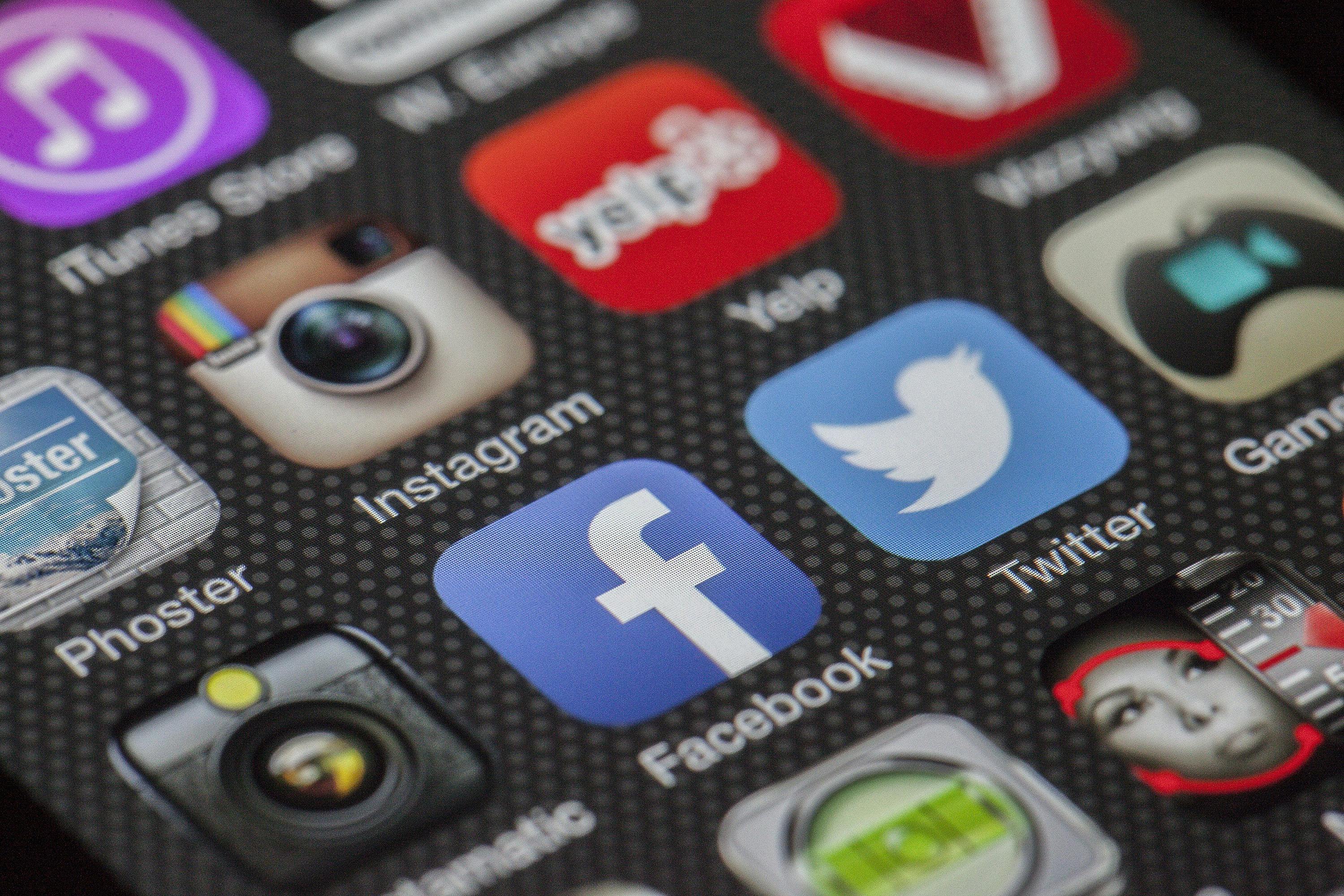
This is not a definitive portrait of how all singles behave—Rizz users are by definition early adopters willing to outsource conversation to AI, a self-selected cohort that may skew younger and more digitally native than the broader market. But the signal is worth taking seriously. When people using dating technology choose to apply that technology to Instagram rather than purpose-built dating platforms, it suggests something fundamental about the appeal (or lack thereof) of the swipe-match-chat model.
Create a free account
Unlock unlimited access and get the weekly briefing delivered to your inbox.
The irony is rich: singles are using AI to make social media feel more authentic than the apps built specifically to help them find partners.
When the casual channel becomes the primary one
Instagram dating isn't new. DM sliding has been a recognised courtship strategy since roughly 2015, when the platform's direct messaging features matured beyond the basics. What's different now is the apparent scale and intentionality. Where Instagram dating was once opportunistic—you followed someone attractive, they followed back, you maybe started a conversation—it now appears to have become a deliberate alternative to downloading Hinge.
The distinction matters for operators. Casual Instagram connections and dating app matches serve different psychological functions. On dating apps, the matching mechanism creates mutual consent and clear romantic intent. Both parties know why they're there. Instagram offers no such clarity. Every DM could be friendly, flirtatious, or something else entirely. That ambiguity is simultaneously Instagram's liability and its strength.
For users burnt out on the transactional feel of dating apps—where profiles function as mini-CVs and conversations can feel like job interviews—Instagram's messiness may be a feature rather than a bug. You can see how someone interacts with friends, what they find funny, how they spend their weekends. Context that dating apps have tried desperately to replicate through prompts, voice memos, and video profiles already exists natively on social platforms.
The commodification problem dating apps can't solve
Dating app operators have spent years trying to address complaints about superficiality and commodification. Match Group added video to Tinder and rebuilt Hinge's interface around conversation starters. Bumble launched Compliments to help users move beyond physical appearance. These are fundamentally band-aids on a structural problem: when you reduce people to profiles and ask users to make snap judgements on potential partners, commodification is inevitable.
Instagram sidesteps this through its original function. You're not evaluating someone as a potential date in isolation. You're seeing them as a full person who posts stories, tags friends, shares opinions, and exists in social contexts. The trade-off is efficiency. Dating apps promise to surface compatible matches through algorithmic filtering. Instagram requires you to actually find people yourself, remember who you find attractive, and muster the courage to send a cold DM without the safety net of a mutual match.
If you're going to message someone on Instagram without knowing whether they're single, interested, or even open to being approached, an AI assistant that can craft a less awkward opening line starts to look useful.
That last point—the lack of matching—may actually explain some of Rizz's appeal. It's the dating equivalent of bringing a wingman to the bar rather than showing up to a singles event.
What this means for app operators
The platform shift suggested by Rizz's data lands at an uncomfortable moment for public dating companies. Match Group and Bumble have both struggled to demonstrate consistent user growth over the past 18 months, with quarterly results showing paying user counts either flat or declining depending on the brand. Both companies have attributed softness to market saturation in English-speaking countries and increased competition, but neither has seriously entertained the possibility that users are simply choosing different platforms entirely.
If Instagram (and by extension, TikTok, where similar DM-based courtship dynamics exist) is absorbing what would have been dating app users, the implications extend beyond user acquisition costs. It suggests the moat around purpose-built dating platforms is narrower than operators assumed. Meta has flirted with dating features before—Facebook Dating launched in 2019 to minimal fanfare—but never needed to succeed because its core platforms were already where people connected socially. If romantic connections are now happening organically on Instagram without Meta lifting a finger, the company collects the engagement and attention regardless.
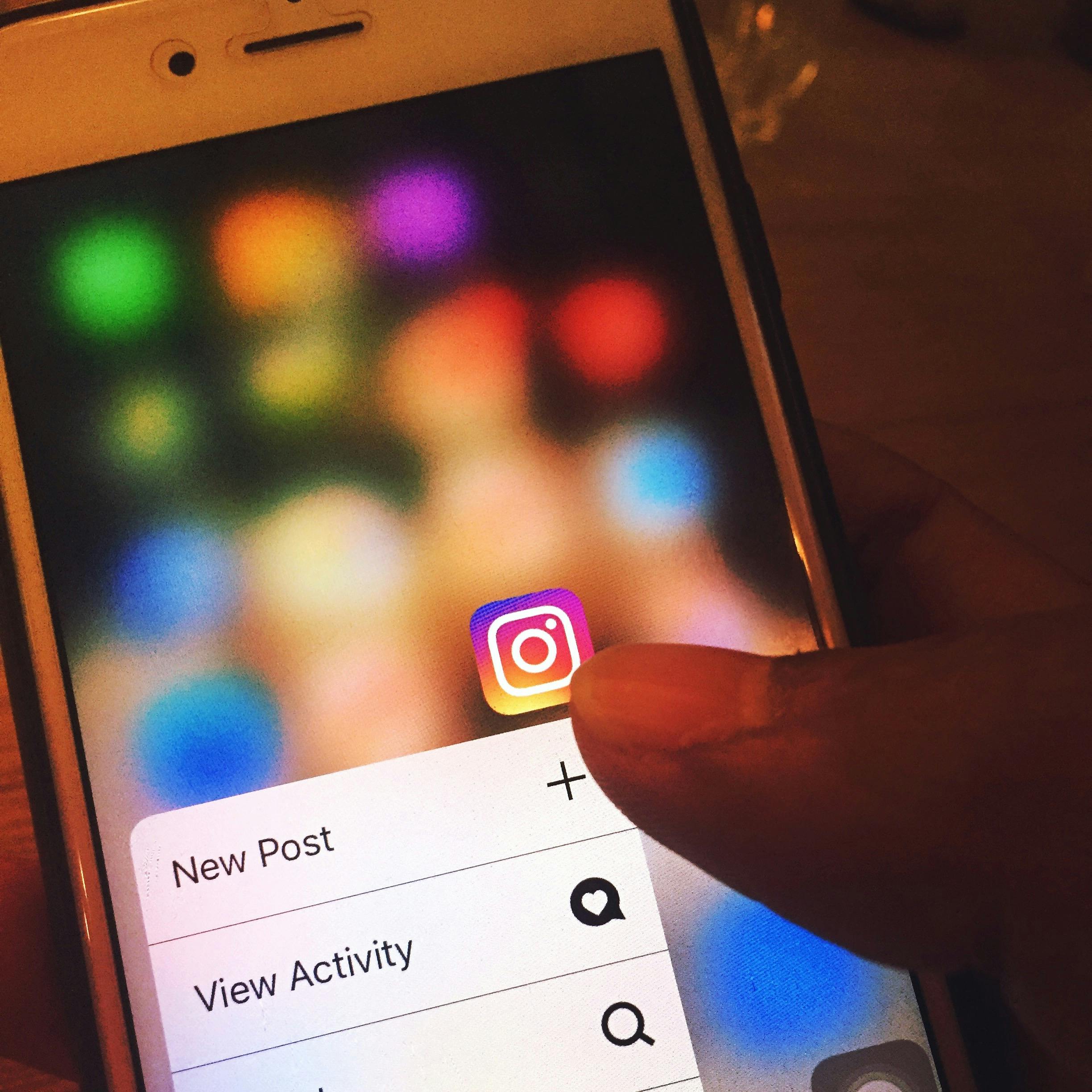
For dating app operators, the challenge is existential in the longer term. How do you convince someone to download a separate app, create yet another profile, and pay for premium features when they can message someone they find attractive on a platform they're already using daily? The answer has to be meaningful differentiation—safety features, verification, matching algorithms that actually work—but those advantages only matter if users believe they're worth the trade-off.
The authenticity paradox
The detail that makes this story genuinely strange is what Rizz actually does. It's an AI assistant that generates messages, suggests replies, and essentially automates the emotional labour of online flirtation. Users are turning to Instagram because dating apps feel too artificial and transactional, then using artificial intelligence to manage their Instagram conversations. The cognitive dissonance should be studied.
Perhaps what singles are really seeking isn't authenticity in the purest sense—unfiltered, spontaneous human connection—but rather control and context. Instagram gives you both. You control who you approach and when. You have context about who they are before you message them. The AI assistant simply lowers the barrier to initiating contact, handling the part that feels most awkward and high-stakes.
Dating apps have spent a decade trying to remove friction from the courtship process. Instagram dating, even with AI assistance, reintroduces friction everywhere—unclear intentions, no matching mechanism, the public nature of following someone before messaging them. That users appear to prefer it anyway suggests the friction may have been part of what made the interaction feel real.
Key Takeaways
- •Dating app operators must provide distinct value through safety features and verification to justify paid subscriptions against organic social channels like Instagram.
- •Investors should recognise that social media platforms like Meta capture romantic engagement naturally, narrowing the competitive moat of dedicated matching services like Match Group.
Frequently Asked Questions
Data & Analytics Desk
The DII Data Team maintains the publication's trackers, market data and analytical reference hubs for the online dating industry.
Comments
Join the discussion
Industry professionals share insights, challenge assumptions, and connect with peers. Sign in to add your voice.
Your comment is reviewed before publishing. No spam, no self-promotion.