QuackQuack's Holi Data: Marketing Spin or Real Relationship Insight?
Key Points
- •QuackQuack claimed in a survey of 9,500 users that 28.5% of matches made during India's Holi festival period develop into relationships.
- •QuackQuack reported a 37% increase in match rates during the five-day Holi festival period compared to standard usage periods.
- •QuackQuack stated that 21% of surveyed users used favourite colours as a compatibility filter during the Indian festival period.
- •QuackQuack targets Tier 2 and Tier 3 Indian cities where traditional family matchmaking networks remain the dominant method for relationships.
QuackQuack has released survey data claiming that 28.5% of matches made during India's Holi festival period develop into relationships—roughly double the industry baseline of 10-15% for dating app conversions. The figure comes from a survey of 9,500 users conducted by the Bengaluru-based platform, which also reports that 21% of respondents used favourite colours as a compatibility filter during the festival period. The numbers arrive at a convenient moment as dating platforms compete for engagement spikes around cultural events.
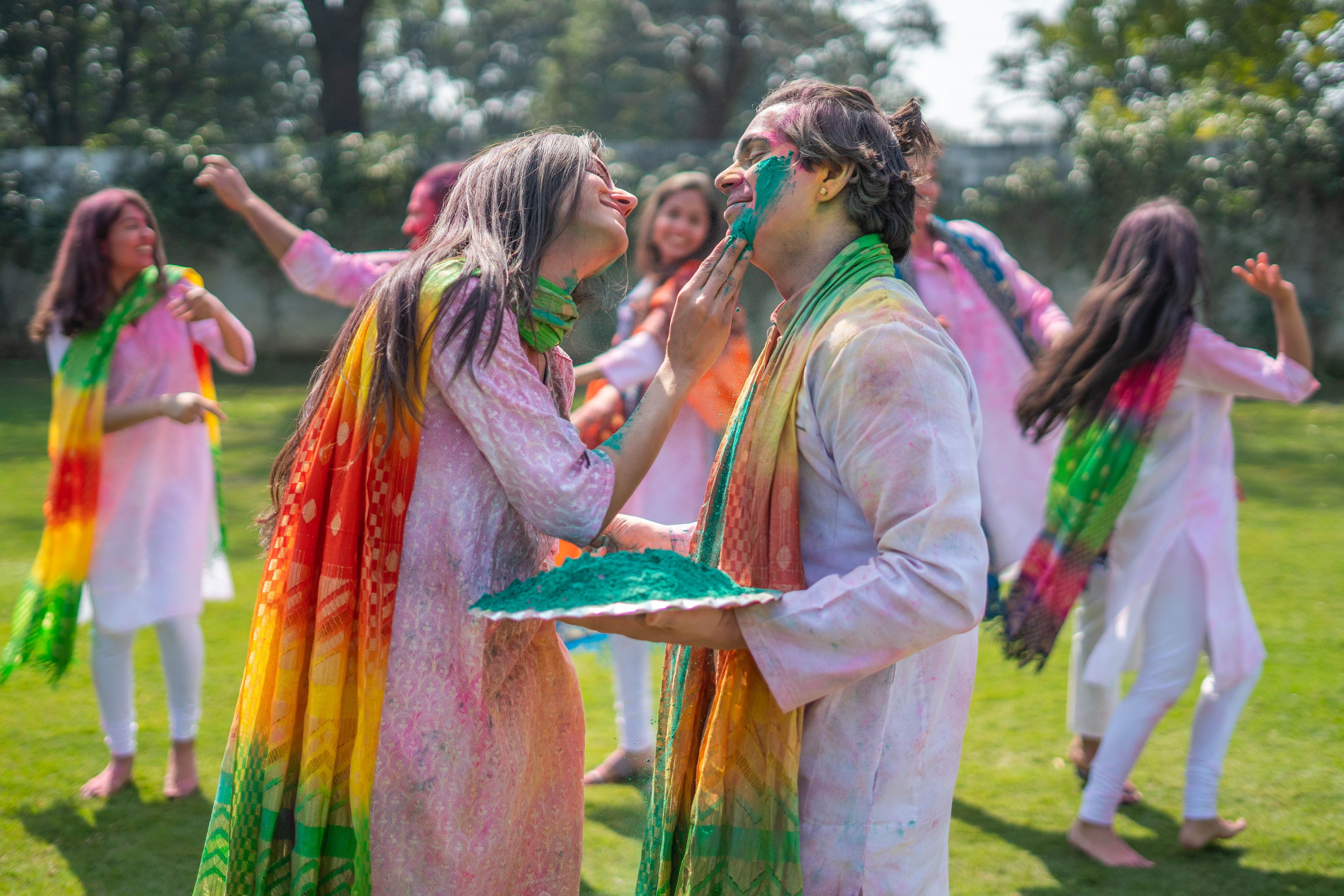
This is platform marketing dressed as relationship science. The 28.5% conversion rate lacks basic methodological rigour—no disclosed definition of what constitutes a 'real-life relationship', no timeline for measurement, and no control group showing how Holi matches compare to non-festival matches on the same platform.
The colour-personality trend reads as a prompted survey response rather than organic user behaviour. Indian dating platforms have learned that tying product narratives to cultural festivals generates press coverage, but operators should be cautious about treating seasonal engagement bumps as evidence of improved matching efficacy.
Festival-linked engagement as a retention strategy
Dating platforms have long sought to manufacture temporal urgency. Valentine's Day campaigns are standard across markets. Bumble introduced its 'Compliments' feature with heavy promotion around International Women's Day. Hinge built content strategies around 'cuffing season' in autumn.
Create a free account
Unlock unlimited access and get the weekly briefing delivered to your inbox.
India's dense festival calendar—Diwali, Holi, Durga Puja, Onam—offers more frequent opportunities for this playbook. What's different in the Indian market is the intensity of cultural participation. According to QuackQuack's data, surveyed users reported a 37% increase in match rates during the five-day Holi period compared to standard periods, though the company has not disclosed whether this reflects algorithm adjustments, promotional activity, or organic user behaviour.
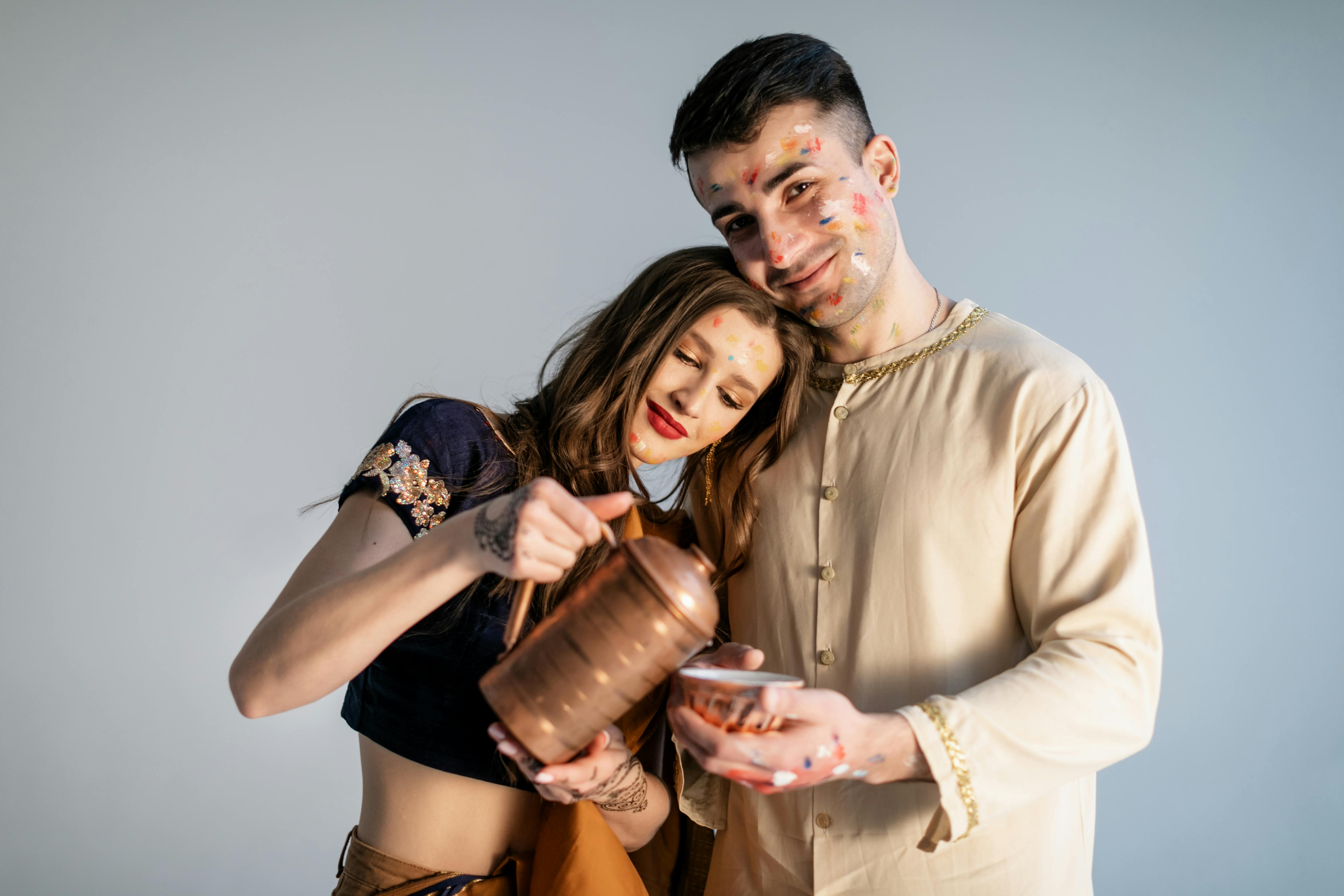
The platform's CEO suggested that festivals lower inhibitions and increase willingness to engage with matches, but provided no comparative data from non-festival periods to support causation. The claimed colour-personality compatibility trend deserves particular scrutiny. Twenty-one per cent of surveyed users reportedly factored favourite colours into compatibility decisions.
This figure appears in isolation, with no indication of whether users were prompted to consider colour preferences through survey design, whether the platform added colour-related profile fields during Holi, or whether this represents unprompted organic behaviour. The distinction matters for product teams evaluating whether to build festival-specific features versus simply promoting existing ones.
Tier 2 and 3 city dynamics complicate the narrative
QuackQuack positions itself as focused on Tier 2 and Tier 3 Indian cities, where dating app adoption patterns differ markedly from metros like Mumbai, Delhi, and Bengaluru. Traditional matchmaking through family networks remains dominant in these markets. Dating apps occupy an ambiguous space—culturally acceptable during festival periods when social mixing is expected, but less normalised as year-round relationship infrastructure.
This context makes festival periods genuinely important for platforms targeting these demographics. A user in Indore or Lucknow may be more willing to download an app and actively match during Holi than during an ordinary week in April. The question is whether these surges represent durable user acquisition or temporary engagement that evaporates post-festival.
The industry has limited transparency on this metric. Match Group (MTCH) breaks out geographic performance only at continental level in earnings disclosures. Bumble (BMBL) has not disclosed India-specific retention curves. QuackQuack, as a private company, releases selective survey data but not cohort retention figures that would reveal whether Holi sign-ups remain active through subsequent months.
The methodology gap undermines the relationship claim
The core assertion—that 2 in 7 matches become relationships—requires a definition of 'relationship' and a measurement window. None of this is disclosed.
Did QuackQuack track in-app messaging that progressed to disclosed phone numbers? Did it survey users weeks or months after Holi? Were users self-reporting based on their own definitions of relationship status, or was a consistent standard applied? The figure emerges from a survey of 9,500 users, but without methodology details, it cannot be distinguished from marketing copy.

Dating app relationship conversion rates are notoriously difficult to measure. Users often take conversations off-platform quickly. Relationships that begin on apps may not be attributed to the app by users in subsequent surveys. The 10-15% baseline figure commonly cited in research comes from studies that define relationships as exclusive partnerships lasting at least three months, with verification through follow-up surveys at defined intervals.
QuackQuack's figure would represent a substantial deviation from this baseline—meaningful if true, but requiring verification before it can inform product or investment decisions. Trust and safety teams, in particular, should note the absence of disclosed verification processes. Platforms increasingly face pressure to substantiate outcome claims, especially when those claims are used to attract new users in markets where dating app adoption remains culturally sensitive.
What festival data actually reveals
The real story is not that festivals predict relationship success, but that cultural moments create measurable engagement opportunities in markets where dating apps have not yet achieved normalised, year-round usage. Indian platforms are competing not just with each other, but with persistent social norms that treat dating apps as secondary to family-led matchmaking.
Festival-linked campaigns address this by aligning app usage with culturally sanctioned socialising. Whether that translates to better relationships is unproven. Whether it translates to user growth and retention in lower-tier cities is the question operators should be tracking.
QuackQuack's data release suggests the company understands the PR value of festival moments. The missing piece is whether the business model supports converting seasonal users into paying subscribers once the colours have been washed away—a challenge as proximity and emotional intensity continue to shape how genuine connections form in the Indian market. Meanwhile, as dating apps face broader industry challenges, and singles increasingly prioritize authentic connections over casual encounters, the pressure to demonstrate real relationship outcomes—not just engagement spikes—will only intensify.
Key Takeaways
- •Dating app operators in India should treat festival-linked engagement surges as temporary marketing opportunities rather than proof of improved algorithmic matching efficacy.
- •Investors and compliance teams require standardised cohort retention data and precise definitions of relationships to verify high conversion claims made by dating platforms like QuackQuack.
Frequently Asked Questions
Data & Analytics Desk
The DII Data Team maintains the publication's trackers, market data and analytical reference hubs for the online dating industry.
Comments
Join the discussion
Industry professionals share insights, challenge assumptions, and connect with peers. Sign in to add your voice.
Your comment is reviewed before publishing. No spam, no self-promotion.