

Hily's 'Anti-Swipe' Pitch: Marketing Spin or Real Differentiator?
Key Points
- •Hily launched in 2017 and reports 30 million global users, positioning itself as a personality-first alternative to photo-based swiping.
- •Match Group shut down its chemistry.com service in 2012, whereas eharmony reported an average of eight million subscribers in Q3 2024.
- •Research released by Bumble in 2023 indicated that 42 per cent of surveyed users experienced burnout from online dating apps.
- •Internal data from Hinge shows that platform users who engage with profile prompts send three times more messages.
Hily is pitching itself as the antidote to photo-based swiping, emphasising compatibility quizzes and personality prompts to help its 30 million users find better matches. The platform claims its approach helps singles focus on personality fit rather than visual presentation. The problem is that nearly every major dating platform has made some version of this claim in the past three years.
Hinge built its brand around being 'designed to be deleted' whilst still requiring six photos before you can complete a profile. Bumble rolled out voice notes and question prompts alongside its swipe mechanics. Even Tinder now offers Prompts and a revamped Explore section meant to surface personality. When everyone claims to prioritise depth over photos, the category becomes meaningless.
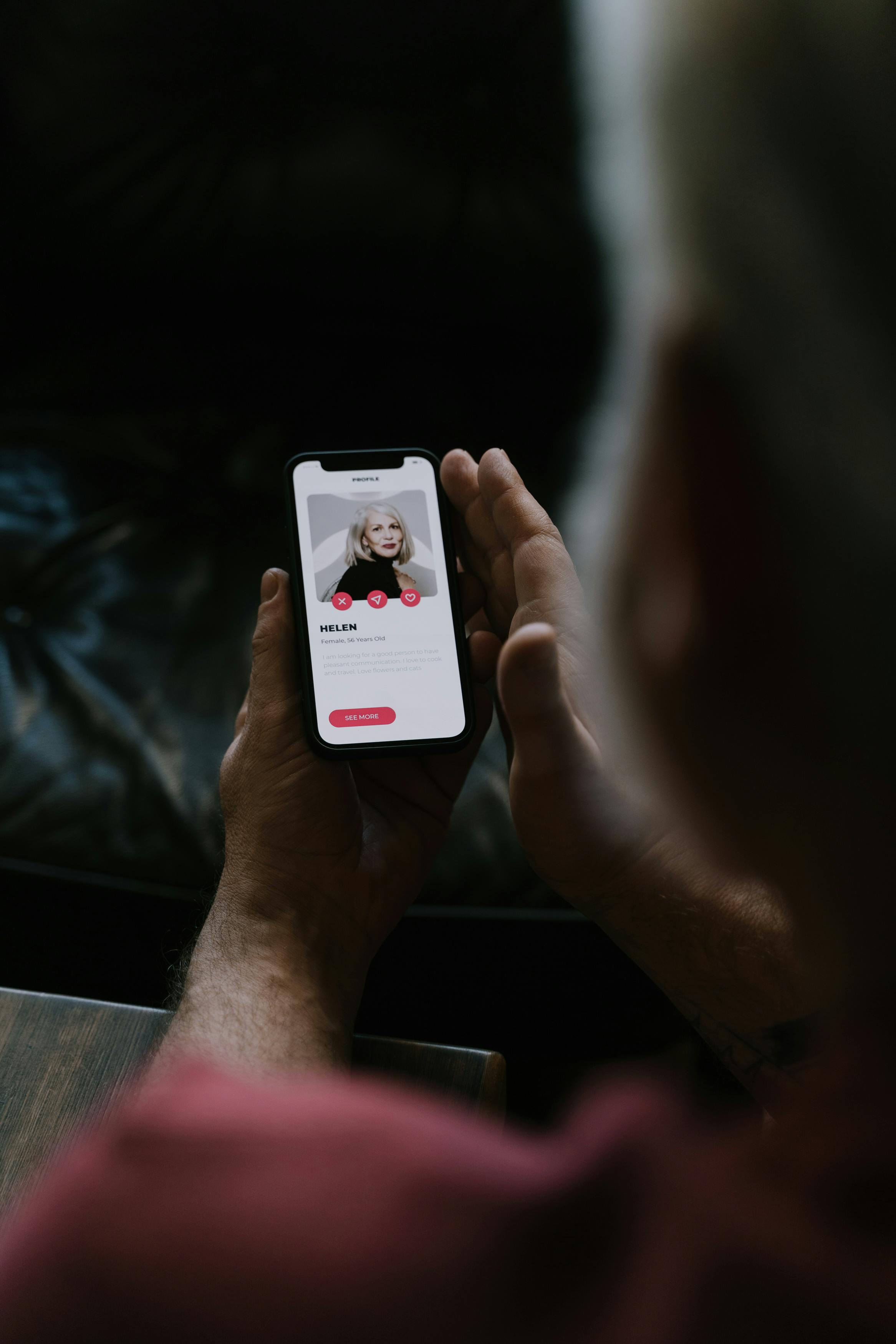
This isn't a product revolution—it's a positioning exercise. Hily is a seven-year-old app with modest scale trying to carve out differentiation in a market where user acquisition costs have climbed to unsustainable levels and the majors control distribution. The shift to 'personality-first' language tracks with documented user sentiment around dating app fatigue, but there's scant evidence that compatibility testing actually improves retention or relationship outcomes beyond what effective onboarding and moderation achieve.
Create a free account
Unlock unlimited access and get the weekly briefing delivered to your inbox.
Unless Hily can demonstrate materially different engagement metrics or time-to-relationship data, this reads like rebranded marketing rather than a genuine alternative to Match Group's stable or Bumble's ecosystem.
What's instructive here isn't Hily's specific strategy—it's the broader pattern of smaller platforms attempting to claim the 'anti-swipe' positioning whilst still operating within fundamentally similar product mechanics. The company's compatibility methodology remains proprietary, with no peer-reviewed validation or transparent algorithmic disclosure. That's standard across the industry, but it undermines claims of scientific rigour when you're pitching personality matching as your core differentiator.
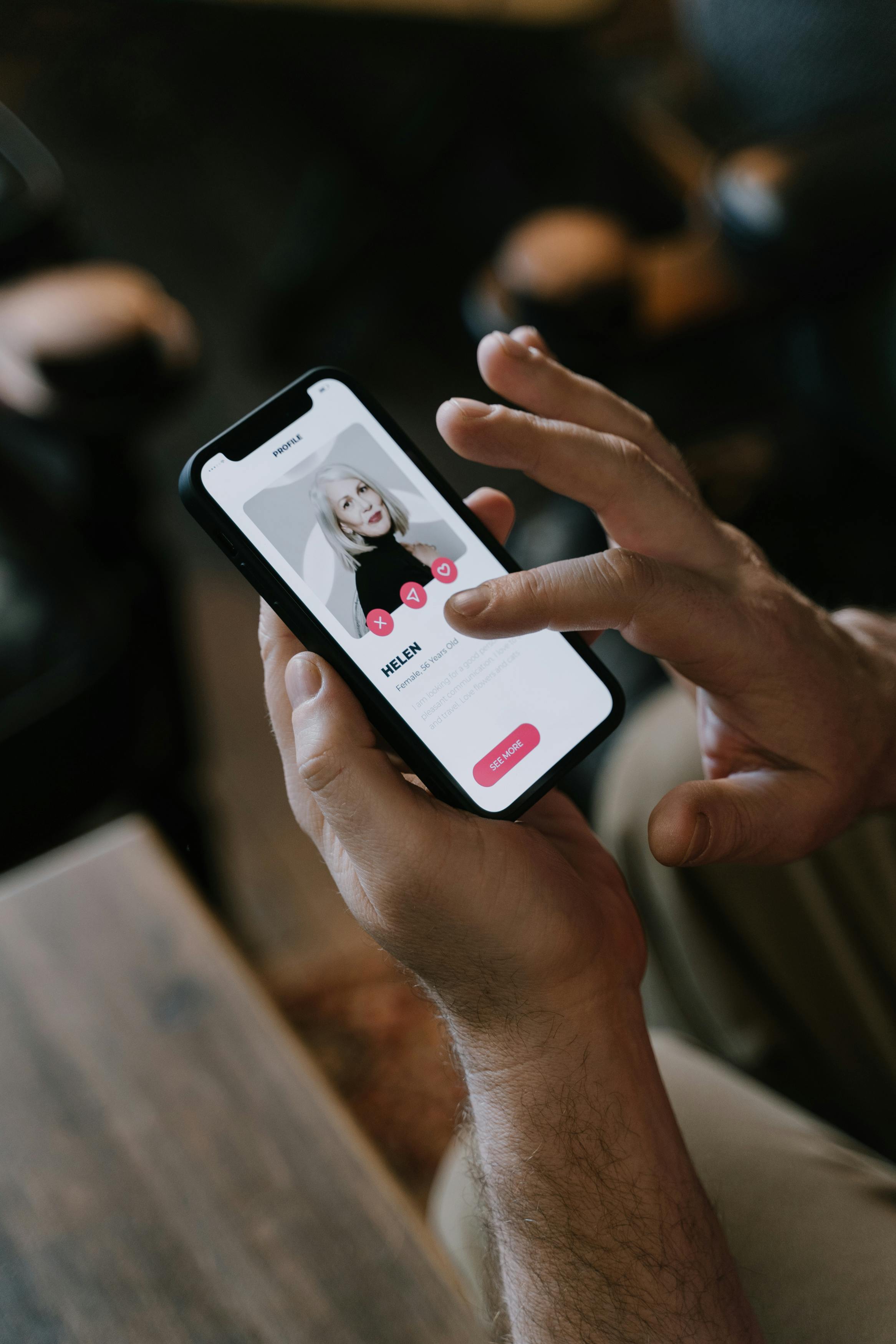
Hily's marketing materials suggest the app encourages users to share 'icks'—preferences or turn-offs—as a filtering mechanism. The logic is that articulating what you don't want helps surface better matches. But this creates an obvious tension: if photos are supposedly de-emphasised, yet physical appearance remains the most common dealbreaker in dating preferences, the app still relies on visual presentation to function.
The retention question no one's answering
The industry has yet to produce credible evidence that personality-based matching improves retention or relationship formation at scale. Compatibility testing sounds rigorous, but the efficacy depends entirely on methodology—and most platforms treat their algorithms as proprietary IP, making independent validation impossible.
Match Group's chemistry.com, which launched in 2006 with psychologist-designed personality assessments, shut down in 2012 after failing to gain traction. eharmony's 29 Dimensions of Compatibility questionnaire remains its signature feature, yet the company has struggled with user growth for years. Asking users to invest time in lengthy assessments creates friction, and platforms that reduce friction tend to win on engagement metrics—even if they produce shallower interactions.
What changed isn't the product—it's the marketing opportunity. User surveys consistently report fatigue with swipe-based apps. Bumble's own research, disclosed in its 2023 brand refresh, found that 42% of respondents felt burnt out by dating apps. Hinge's internal data suggests users who engage with prompts send 3x more messages than those who don't.
Most users say they want depth and compatibility, but their behaviour suggests otherwise. Time on profile, response rates, and match acceptance all skew heavily towards attractive photos and brief, witty bios.
Hily's positioning sidesteps a harder truth about user behaviour versus stated preferences. Platforms that have attempted to remove photos entirely—like voice-first app Jigsaw, which launched in 2019 and pivoted to photo-optional by 2021—struggled to retain users beyond initial curiosity.
Where the real product divergence might happen
The more substantive shifts in dating product aren't about removing photos or adding quizzes. They're about match cadence and intentionality. Thursday limits matches to one day per week, creating artificial scarcity that changes user behaviour. Once offers a single match daily, forcing users to engage more thoughtfully. Filteroff built video speed-dating into its core loop, eliminating the text-based chat phase entirely.
Hily's approach—compatibility prompts layered onto a visual browsing experience—sits somewhere between traditional swipe apps and the more radical redesigns. That's probably smart commercial strategy for a platform trying to scale without alienating mainstream users, but it undermines the claim of being a genuine alternative.
The other factor worth monitoring is whether regulatory pressure forces more transparency around matching algorithms. The EU Digital Services Act requires platforms above certain thresholds to disclose how their recommender systems work. If that framework extends or similar rules emerge in other jurisdictions, proprietary compatibility claims will face scrutiny. Platforms that can't demonstrate efficacy may find 'personality-first' harder to sell as anything more than marketing language.
For operators watching this space, the lesson isn't that personality prompts don't work—it's that they don't work as a standalone differentiator anymore. Every platform has them now. The apps that will break through are either vertically focused with genuinely different user bases, or they're rethinking match mechanics in ways that change behaviour, not just brand positioning. Hily's pivot suggests the company understands the market narrative. Whether it can translate that into sustainable growth against better-funded competitors with vastly larger user bases is another question entirely.
Key Takeaways
- •Layering compatibility prompts onto traditional visual browsing interfaces provides little real product differentiation as major operators like Match Group and Bumble already offer prompt features.
- •Regulatory frameworks such as the European Union Digital Services Act could force platforms to provide evidence for proprietary compatibility claims through mandatory algorithmic disclosure.
- •Dating app operators seeking sustainable growth must pursue structural redesigns of match mechanics or vertical specialisation rather than relying on personality-first marketing positioning.
Frequently Asked Questions
Technology & AI Desk
The DII Technology Desk reports on product, engineering, AI and platform infrastructure across dating and social discovery apps.
Comments
Join the discussion
Industry professionals share insights, challenge assumptions, and connect with peers. Sign in to add your voice.
Your comment is reviewed before publishing. No spam, no self-promotion.


