flutrr's AI Chatbot: Cultural Sensitivity or Conversational Puppetry?
Key Points
- •Bengaluru-based dating platform flutrr has launched an AI chatbot providing real-time conversation prompts and sentiment analysis for live user chats in India.
- •The AI feature specifically targets users in India's tier II and III cities, including Jaipur, Indore, and Coimbatore, to facilitate cross-gender communication.
- •Flutrr previously rolled out AI-generated personalised audio messages and dynamic pricing for in-app purchases in September as part of its AI-first strategy.
- •Western competitors Match Group and Bumble are also deploying artificial intelligence, though Bumble currently limits AI assistance to profile optimisation and opening lines.
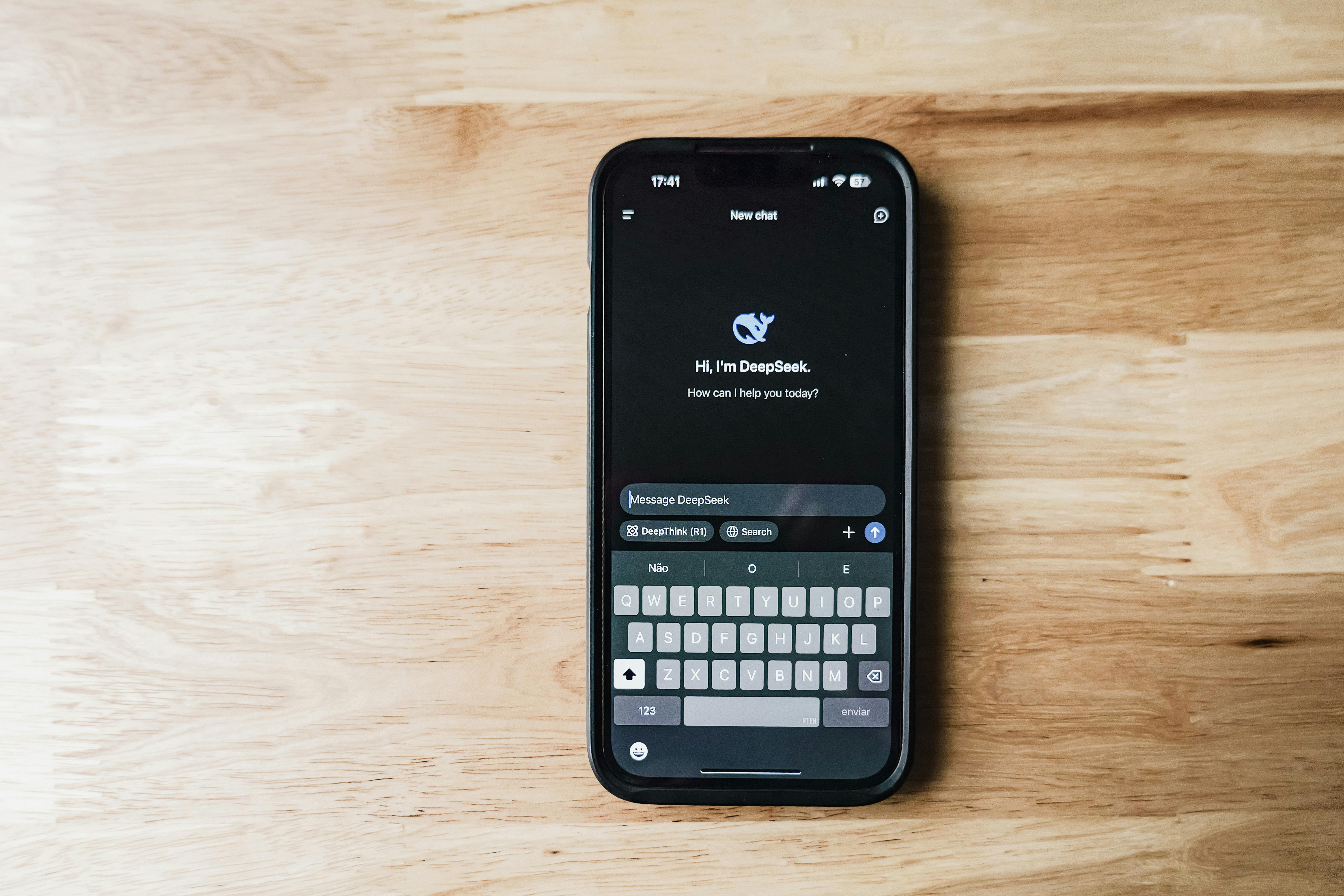
flutrr has launched an AI chatbot that offers real-time conversation prompts and sentiment analysis to users mid-chat, turning the Indian dating app into what amounts to a live flirting coach. The feature, which analyses ongoing conversations and suggests responses whilst reading emotional tone, represents the latest step in the company's AI-first product strategy. It also raises immediate questions about where user agency ends and algorithmic ventriloquism begins.
The Bengaluru-based platform claims the tool is designed for users in tier II and III Indian cities, where, according to the company, cross-gender communication remains 'daunting' for many singles. flutrr positions the feature as both a cultural bridge and an engagement driver, part of a broader suite of AI-powered tools the app has rolled out since September. What's less clear is whether coaching users through conversations in real time solves a genuine friction point or simply automates the very human vulnerability that dating apps ostensibly exist to facilitate.
This is either thoughtful localisation or a troubling shortcut, depending on where you sit. If flutrr's tier II and III users genuinely struggle with digital conversation norms—and cultural context suggests many might—this could lower barriers to engagement. But it also fundamentally alters what 'connection' means when the words aren't yours.
Create a free account
Unlock unlimited access and get the weekly briefing delivered to your inbox.
At scale, AI-suggested chat doesn't just assist anxious users—it homogenises interaction, turning every conversation into a variation of the same algorithm-approved script.
The line between help and ventriloquism is thinner than flutrr's positioning suggests.
AI as both UX upgrade and revenue lever
flutrr's move follows a clear pattern. September saw the launch of AI-generated songs that create personalised audio messages based on user prompts—a feature that sounds whimsical but serves as a monetisable interaction layer. The company also introduced dynamic AI pricing for in-app purchases, adjusting microtransaction costs based on user behaviour and willingness to pay.
The conversation coach fits neatly into this playbook. Real-time suggestions keep users active in the app longer, reduce drop-off during awkward silences, and create dependency on the platform's assistance. That dependency translates to engagement metrics—and potentially to revenue if flutrr eventually gates the feature behind premium tiers, though the company hasn't disclosed monetisation plans for the chatbot.
Globally, dating apps face stagnant or declining engagement. Match Group (MTCH) reported average revenue per payer growth but persistent challenges in adding new paying users. Bumble (BMBL) has leaned heavily into AI for profile optimisation and opening lines, framing the technology as a user experience improvement whilst investor presentations emphasise retention and monetisation potential.
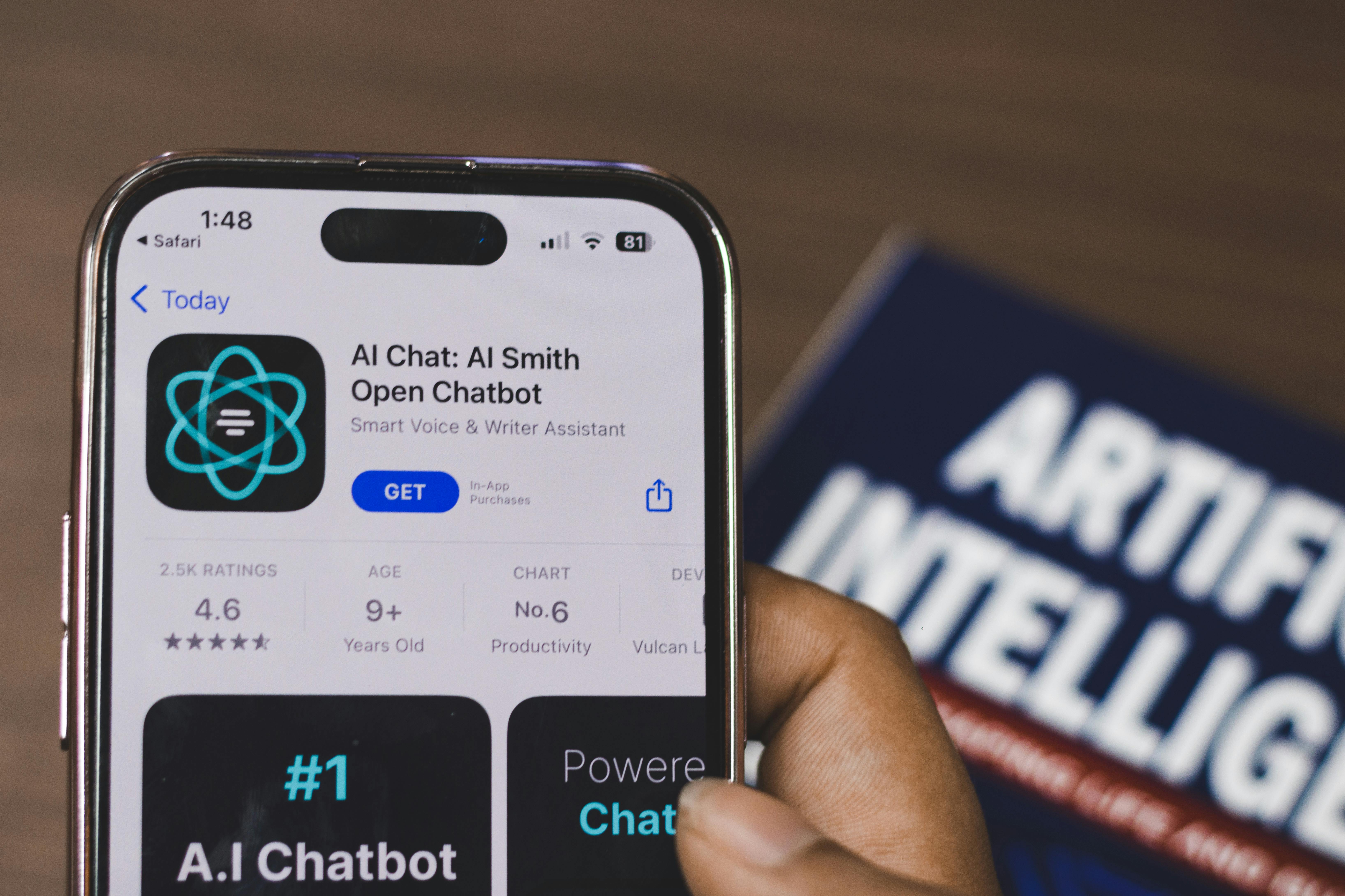
flutrr's approach is more aggressive: rather than helping users write better profiles or craft opening messages, it's stepping into live conversations as they unfold. The question is whether this crosses a threshold. Profile prompts and bio suggestions operate at arm's length—users can accept or ignore them before hitting send. Live conversation coaching collapses that distance, inserting the algorithm into the interaction itself.
Cultural localisation or conversational outsourcing?
flutrr frames the feature explicitly around India's tier II and III cities—places like Jaipur, Indore, and Coimbatore—where the company claims traditional dating norms and limited experience with cross-gender digital communication create friction. There's evidence to support this: India's dating app penetration remains far lower outside metro areas, and cultural conservatism around dating persists in smaller cities.
But positioning AI conversation prompts as cultural sensitivity risks overstating user need. Some singles in these markets may indeed benefit from guidance navigating unfamiliar social scripts. Others may simply need time, experience, and the occasional awkward exchange—the same learning curve every dating app user everywhere has navigated since Tinder launched in 2012.
If the app is generating responses based on sentiment analysis and behavioural data, users aren't learning to communicate. They're learning to defer to the algorithm.
The deeper risk is that AI coaching doesn't just lower barriers to entry—it removes the entry entirely. That works until the chatbot isn't available, or until an in-person date reveals the gap between someone's AI-assisted chat persona and their actual conversational ability.
flutrr also claims the feature 'prioritises safety' and creates a 'secure environment, particularly for women,' according to company statements. The mechanism isn't detailed, but presumably sentiment analysis could flag aggressive or inappropriate language and intervene—a trust and safety application with genuine utility. That said, flutrr hasn't disclosed what happens when the AI detects problematic sentiment, whether it alerts moderators, blocks messages, or simply nudges users toward different phrasing.
What this means for product strategy
flutrr's AI suite—songs, dynamic pricing, conversation prompts—signals a product philosophy that treats AI not as a feature set but as the core interface layer. The app isn't adding AI tools around the edges; it's reconceiving the user experience as algorithmically mediated at every step.

That's a bet on user tolerance for reduced agency in exchange for reduced friction. It's also a bet that cultural context in flutrr's target markets will make that trade-off more acceptable than it might be in, say, London or New York, where dating app users already bristle at profile optimisation tools they perceive as inauthentic.
Other platforms will watch closely. If flutrr's engagement and retention metrics improve—and if the company manages to monetise these features without triggering backlash—expect similar tools to appear in Western markets, likely framed around accessibility or neurodivergent users rather than cultural norms. Bumble's AI-powered 'Opening Moves' suggestions already point in this direction, though they stop short of live conversation intervention.
The counter-argument is that users will reject tools that feel like conversational puppetry. Dating apps succeed when they create the conditions for genuine connection, not when they script it. If AI chat prompts become pervasive enough that users assume everyone's responses are algorithmically suggested, trust in the interaction collapses. At that point, you're not dating a person—you're dating a chatbot with a human avatar.
flutrr hasn't disclosed user adoption rates, engagement lift, or retention data tied to the new feature. Without those figures, it's impossible to assess whether this is a product breakthrough or feature theatre. But the strategic direction is unmistakable: flutrr is building an AI layer between users and their conversations, and betting that the assistance outweighs the artifice.
The rest of the industry will either follow or recoil—depending on whether flutrr's users do the same. The broader precedent has already been set: other dating apps are experimenting with AI chatbots to handle early-stage interactions, suggesting this could become an industry-wide trend rather than a regional anomaly.
Key Takeaways
- •Real-time conversation coaching shifts artificial intelligence from passive profile optimisation to active mediation, raising fundamental risks regarding user authenticity and long-term platform trust.
- •If flutrr demonstrates improved retention metrics in Indian regional markets, Western dating app operators will likely adapt real-time chat assistance under the framing of accessibility.
- •Compliance and trust teams must monitor sentiment analysis features closely, as automated chat interventions require transparent protocols regarding user moderation and data privacy.
Frequently Asked Questions
Technology & AI Desk
The DII Technology Desk reports on product, engineering, AI and platform infrastructure across dating and social discovery apps.
Comments
Join the discussion
Industry professionals share insights, challenge assumptions, and connect with peers. Sign in to add your voice.
Your comment is reviewed before publishing. No spam, no self-promotion.