Dating Apps and Sexual Health: Why Operators Won't Play Educator
Key Points
- •A University of Texas survey of 122 students associated dating app usage with higher rates of risky sexual behaviour, though sample limitations prevent establishing causation.
- •Pew Research estimates 30 million Americans use dating apps, with 71 per cent believing platforms should not be responsible for keeping users physically safe offline.
- •Grindr has partnered with public health organisations on HIV testing reminders and PrEP awareness campaigns for platform users since 2016.
- •According to CDC data through 2021, sexually transmitted infection rates in the United States climbed for six consecutive years amid broader public health challenges.
A small-scale academic study has reignited a familiar debate: whether dating platforms should bear responsibility for the sexual health outcomes of their users. Researchers at the University of Texas found correlations between app usage and risky sexual behaviour among college students, but the findings raise more questions about causation than they answer. The study has nonetheless revived calls for operators to take on educational roles most have deliberately avoided.
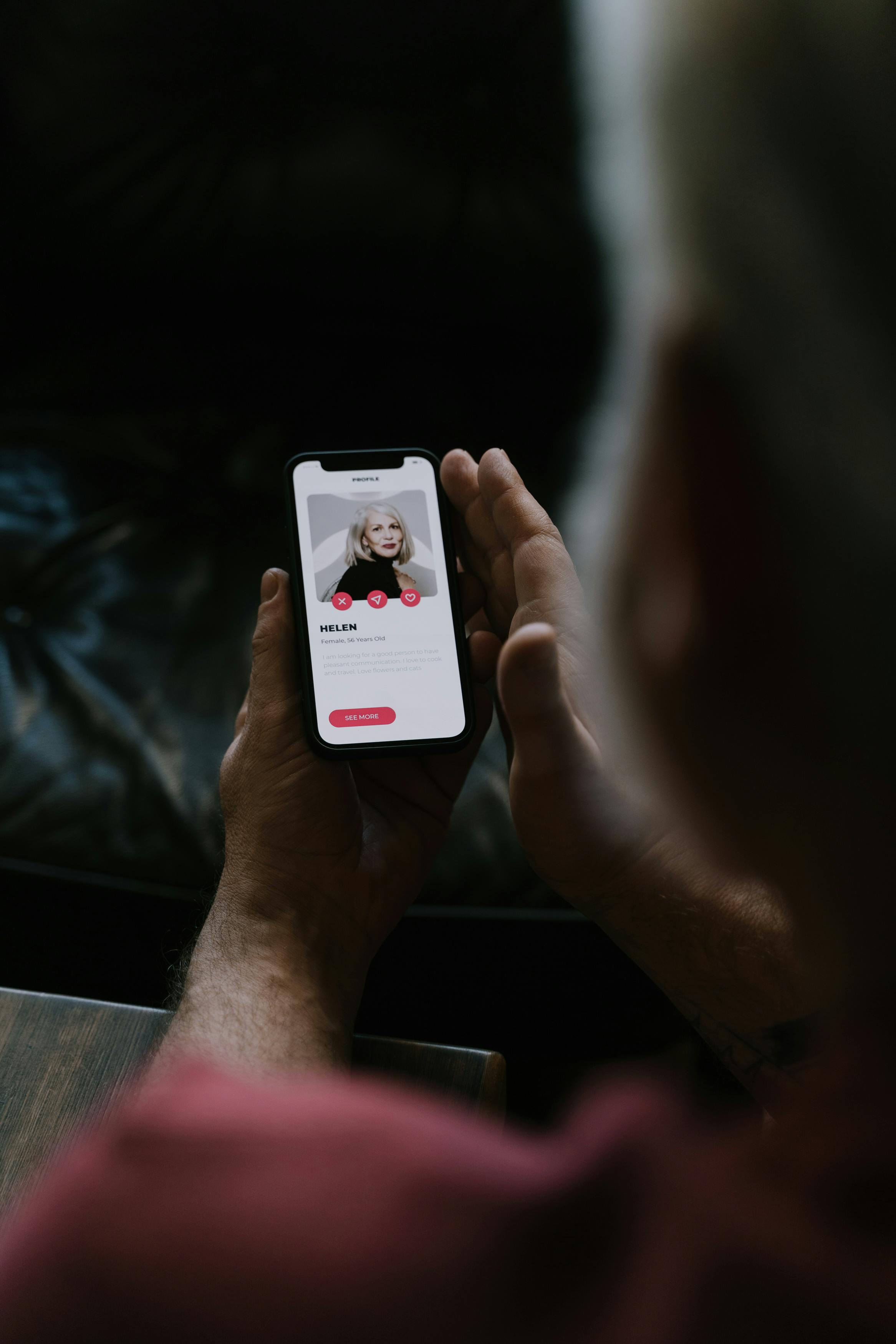
This is the wrong question being asked of the wrong people. Dating apps connect adults who've decided what they're looking for. They're not youth social networks, they're not hosting algorithmically-amplified health misinformation, and their users aren't children. Asking Match Group (MTCH) or Bumble (BMBL) to become sexual health educators conflates two separate failures: underfunded public health systems and the tech industry's broader trust crisis.
Operators should tread carefully here. Accepting responsibility for outcomes could establish precedent that extends well beyond condoms.
What the data actually shows
The University of Texas researchers surveyed students and found correlations, not mechanisms. According to the study, app users were statistically more likely to report behaviours associated with STI risk. That's worth noting. But a survey of 122 students from a single geographic area tells you almost nothing about causation or about the 30 million Americans Pew Research estimates use dating apps regularly.
Create a free account
Unlock unlimited access and get the weekly briefing delivered to your inbox.
The study itself acknowledges the limitation. Researchers describe a potential "cycle" where apps might enable risky behaviour or where individuals predisposed to sexual risk-taking gravitate towards platforms that facilitate casual encounters. Those are fundamentally different problems requiring different interventions.
Public health researchers have been circling this question for years. A 2020 study published in Sexually Transmitted Infections found dating app users had higher STI rates but also higher testing rates, suggesting a population more engaged with sexual health services, not less. A 2019 analysis in BMJ Sexual & Reproductive Health found no significant difference in condom use between app users and non-users once you controlled for number of partners.
Strip out the variable apps are designed to influence—access to potential partners—and the behavioural difference largely disappears. That's the pattern trust and safety teams know well. Platforms get blamed for making visible what was always happening, just less efficiently.

The precedent problem
Dating apps have largely resisted direct sexual health messaging beyond linking to external resources. Grindr (GRND) is the notable exception, having partnered with public health organisations on HIV testing reminders and PrEP awareness campaigns since 2016. That decision made sense for Grindr. Its user base faced a specific, quantifiable health crisis where the platform could connect members to life-saving interventions.
Extending that model to mainstream dating apps raises questions operators won't answer publicly but worry about privately. If Tinder adds sexual health education modules, does that create legal exposure when users contract STIs? If Hinge sends condom reminders before dates, does that imply the platform knows—or should know—when sexual activity will occur, opening new privacy concerns?
If platforms accept responsibility for offline behaviour between consenting adults, that's a significant expansion of duty of care beyond what any non-health platform currently accepts.
Compare this to social media's content moderation evolution. Platforms like Meta and TikTok intervened on health misinformation because they host and amplify content algorithmically. They became distribution mechanisms for demonstrable harm. Dating apps don't distribute sexual health misinformation. They distribute access to other adults. The liability framework isn't analogous.
What operators are actually watching
Behind closed doors, trust and safety teams are monitoring two related developments that matter more than academic studies. First, regulatory expansion. The UK Online Safety Act (OSA) and the EU Digital Services Act (DSA) both establish "duty of care" frameworks that could theoretically extend to health outcomes if regulators decide platforms bear responsibility for behaviours they facilitate.
Second, litigation risk. U.S. product liability law doesn't currently treat dating apps as responsible for user health outcomes, but that could shift if plaintiffs' attorneys find the right fact pattern—particularly around minors or deceptive health claims made on profiles.
The commercial calculation is straightforward. Adding sexual health features costs money, creates potential legal exposure, and solves a problem users haven't indicated they want apps to solve. According to Pew, 71% of dating app users say the platforms should absolutely not be responsible for keeping them physically safe offline. Health outcomes sit even further beyond expected platform responsibility.
Bumble experimented with this in 2019, adding an in-app resource centre with sexual health information. The company hasn't disclosed usage data, which tells you everything about engagement. When operators find features that work, they announce metrics. Silence suggests the resource exists primarily for PR purposes.
Where responsibility actually sits
Public health infrastructure in the U.S. has been systematically defunded for two decades. University health centres face budget cuts. Comprehensive sex education remains politically contentious in most states. STI rates have climbed for six consecutive years, according to CDC data through 2021.
Those are policy failures, not platform failures. Dating apps didn't create the environment where college students lack basic sexual health education. They've just made partner access more efficient within that environment.
Operators will face continued pressure to "do something" as studies like this circulate. The safer response is narrow partnerships with established health organisations—directing users to testing resources, facilitating connections to sexual health services, perhaps subsidising STI testing the way Grindr has done. That provides tangible benefit without accepting open-ended responsibility for user behaviour.
What won't happen is dating apps becoming health educators. The liability risk is too high, the user demand too low, and the precedent too dangerous. Expect more resource centres and partnerships. Don't expect platforms to start teaching safe sex.
Key Takeaways
- •Dating app operators face legal exposure and an expanded duty of care if they accept direct responsibility for the offline health outcomes of consenting adult users.
- •Compliance teams must monitor regulatory developments under the UK Online Safety Act and EU Digital Services Act that could extend platform duties to health facilitation.
- •Operators are likely to pursue limited third-party public health partnerships rather than in-app educational modules to manage brand risk while limiting regulatory liabilities.
Frequently Asked Questions
Policy & Regulation Desk
The DII Regulatory Monitor tracks legislation, enforcement action, safety rules and compliance across dating industry markets.
Comments
Join the discussion
Industry professionals share insights, challenge assumptions, and connect with peers. Sign in to add your voice.
Your comment is reviewed before publishing. No spam, no self-promotion.