Dating Apps' Political Filter Dilemma: Compatibility or Fragmentation?
Key Points
- •A survey by Dating.com revealed that 72% of American singles have discussed politics on dating apps since the June Biden-Trump debate.
- •Dating.com reported that willingness among American singles to date across political party lines dropped from 55% to 49% during election years.
- •Dating.com observed a 15% increase in users displaying political views on profiles, whilst 68% of respondents refuse to date non-voters.
Political affiliation has become the third rail of online dating. New data from Dating.com shows 72% of American singles have discussed politics on dating apps since the June presidential debate between Biden and Trump, whilst the share willing to date across party lines has dropped from 55% to 49% in election years. The platform reports a 15% increase in users now displaying their political views on profiles—turning what was once a getting-to-know-you conversation into a front-door filter.
The numbers expose a fundamental tension that dating operators haven't yet solved. Singles are treating political alignment as essential compatibility criteria, hard-wiring ideology into the matching process. Yet those same users consistently report wanting dating apps as an escape from political noise.
This isn't polarisation creep—it's a structural challenge for every mainstream dating operator trying to serve the middle market. The more dating apps accommodate political filtering, the more they narrow the addressable pool and undermine their core product promise: facilitating connections.
Dating.com's findings suggest politics has evolved from a compatibility factor into a prerequisite. According to the survey, 68% of respondents won't date someone who doesn't vote at all, regardless of whether their political views align. Civic engagement itself has become a relationship requirement.
Create a free account
Unlock unlimited access and get the weekly briefing delivered to your inbox.
The timing matters. Dating.com conducted this survey following the Biden-Trump debate in June, before Biden withdrew from the race and Kamala Harris became the Democratic nominee. The platform hasn't disclosed sample size, methodology, or margin of error, which means these figures should be read as directional rather than definitive.
The Filtering Problem Platforms Created
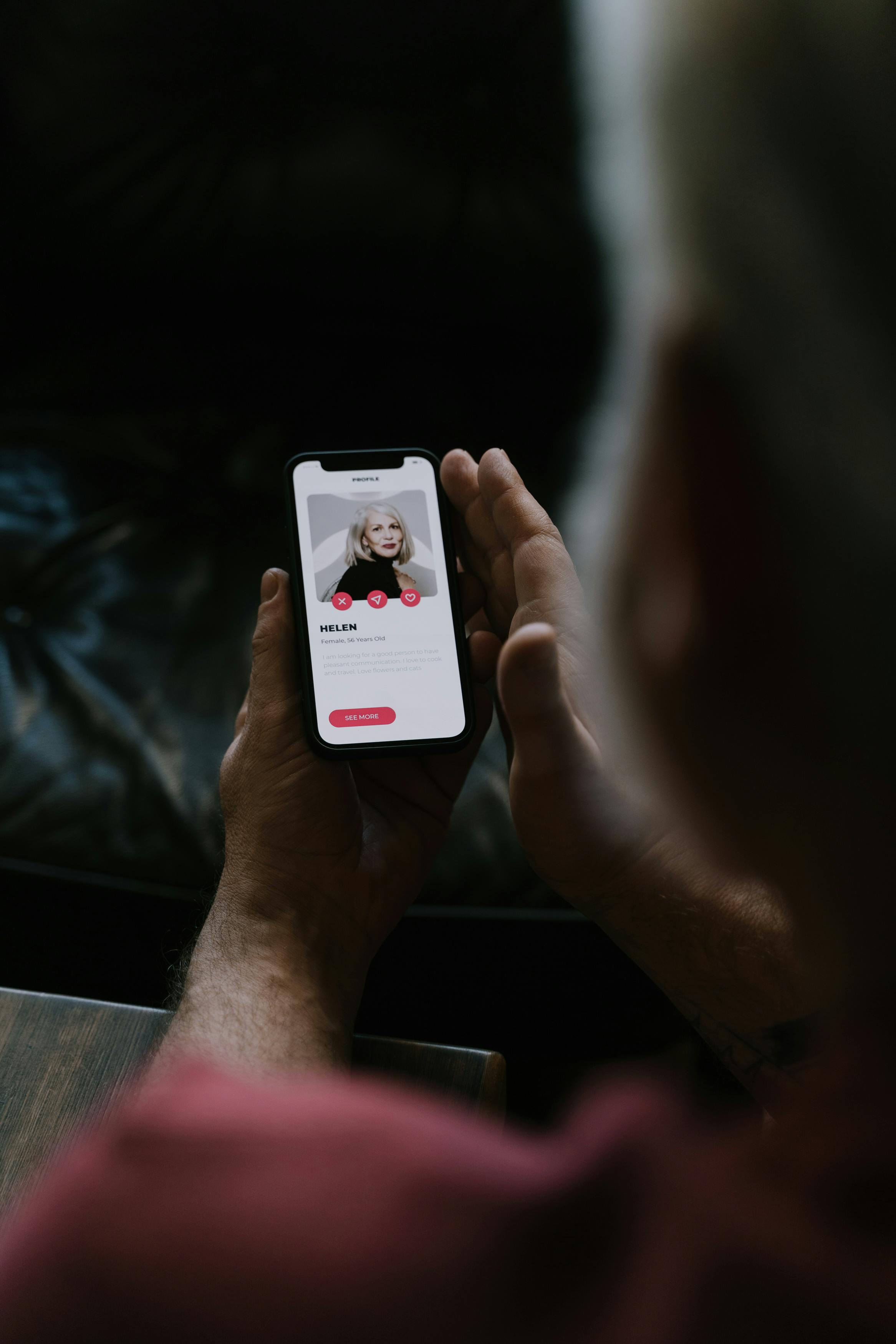
Match Group has offered political affiliation filters on OkCupid for years, and Bumble allows users to display political leanings through profile badges. Hinge, which positions itself as the relationship-focused platform, includes political views as a standard profile prompt. These features were introduced as compatibility tools—ways to help users find alignment on issues that matter to them.
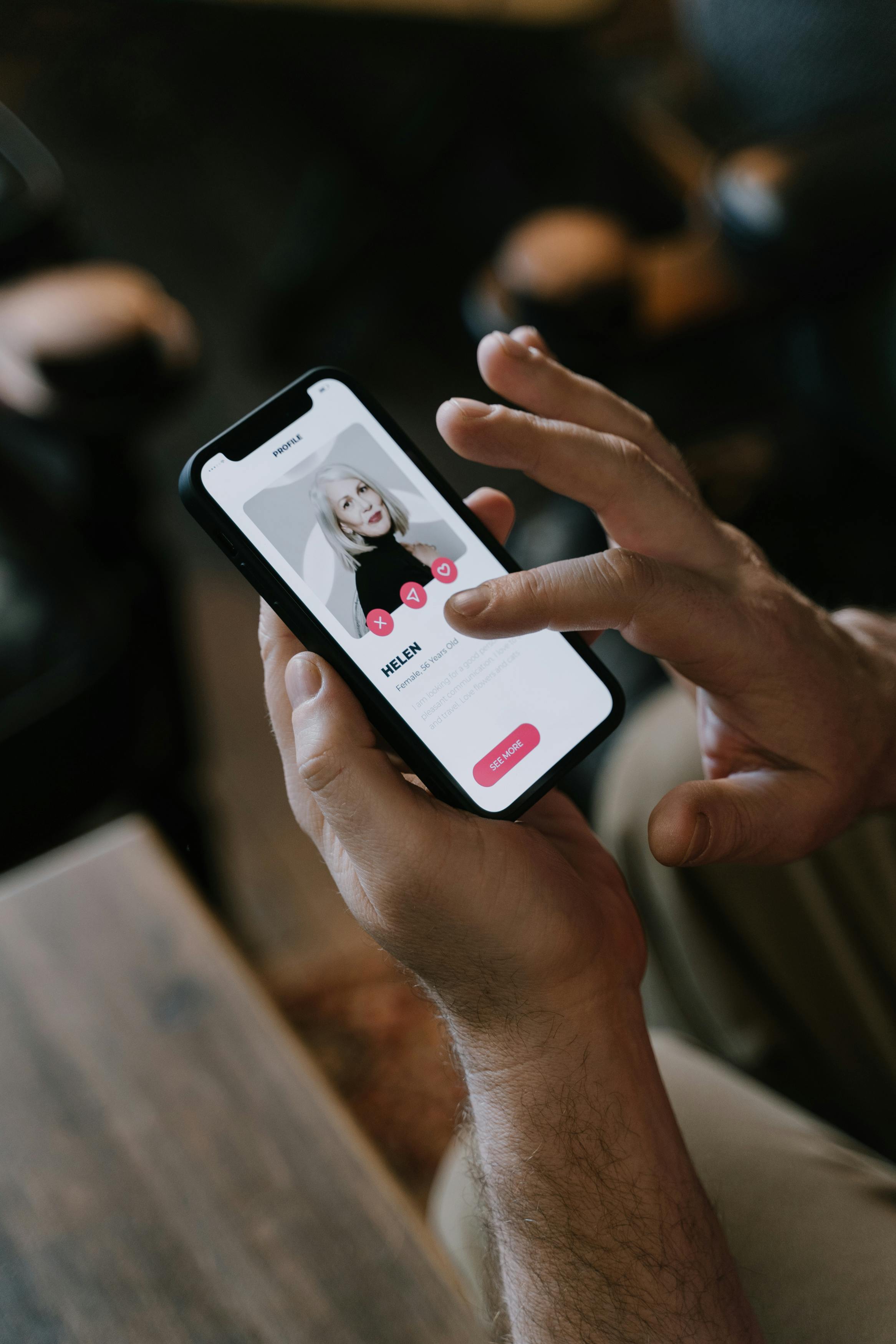
What wasn't anticipated was how quickly political identity would shift from a data point to a dealbreaker. A 15% increase in users displaying political affiliation suggests this information has moved from optional colour to mandatory disclosure. Profiles are functioning less as romantic introductions and more as ideological gatekeepers.
Platforms face a product design dilemma. Remove political filters and risk alienating users who view them as essential safety and compatibility tools. Expand them and risk accelerating the fragmentation of an already challenging market. Dating apps succeed when they maximise optionality within reasonable constraints.
Who Wins When Politics Becomes a Filter
The contradiction in user behaviour—demanding political transparency whilst wanting dating apps as apolitical spaces—isn't irrational. It reflects two different user segments with incompatible needs. One group treats political alignment as non-negotiable, viewing it as a proxy for values, lifestyle, and long-term compatibility.
Niche platforms are better positioned to serve the politically engaged. They're not trying to be everything to everyone.
Conservative dating app The Right Stuff and progressive-focused platforms like OkCupid can lean into political identity as a core feature without alienating half their audience. Mainstream operators don't have that luxury. Match Group's portfolio approach hedges this risk somewhat—OkCupid can serve the politically engaged, whilst Tinder maintains a lighter, less filtered experience.
The 49% of singles willing to date across party lines in election years—down from 55%—still represents nearly half the market. That's not a fringe position. Platforms that over-index on political features risk losing that segment entirely, potentially to newer apps that explicitly position themselves as politics-free zones.
What Happens When the Pool Shrinks
Dating.com's VP of marketing and communications, Maria Sullivan, described political views as 'fundamental to personal identity and lifestyle choices', which frames the issue as one of compatibility rather than polarisation. The less comfortable version is that dating pools are fragmenting along ideological lines, making it harder for platforms to deliver on their core promise.
Smaller pools mean fewer matches. Fewer matches mean lower engagement. Lower engagement affects retention, which drives lifetime value down. If a meaningful share of users are filtering out 51% of the potential dating pool based on politics alone, the unit economics of user acquisition start looking worse.
The regulatory angle is quieter but present. The UK's Online Safety Act requires platforms to manage content that could constitute harassment or abuse. Political discussions in messages and profiles could become a moderation burden if they escalate into toxic exchanges.
The question for product teams is whether this trend reverses after the election cycle or becomes permanent. If political identity is now a fixed element of dating profiles—like age or location—then platforms need to design for a structurally smaller, more segmented market. Research on political homophily in dating suggests that people actively seek politically like-minded partners through both self-presentation and vetting strategies, indicating this may be more than a temporary phenomenon.
Meanwhile, broader studies show that women and men are drifting apart both politically and romantically, suggesting the issue extends beyond dating apps into wider societal trends. If it's cyclical, the play is to ride it out without over-investing in features that won't matter in 2025. Neither answer is obvious, and the cost of choosing wrong is high.
Key Takeaways
- •Mainstream operators such as Match Group risk fragmenting user pools and lowering engagement if political filtering narrows addressable matching pools too severely.
- •Niche platforms like The Right Stuff can monetise political identity as a core feature, whereas generalist dating apps face higher user acquisition costs when political filters reduce compatibility.
Frequently Asked Questions
Data & Analytics Desk
The DII Data Team maintains the publication's trackers, market data and analytical reference hubs for the online dating industry.
Comments
Join the discussion
Industry professionals share insights, challenge assumptions, and connect with peers. Sign in to add your voice.
Your comment is reviewed before publishing. No spam, no self-promotion.