Credit Scores on Dating Profiles: Compatibility or Class Warfare?
Key Points
- •According to a survey by Credit One Bank, 20% of Gen Z and Millennial singles want credit scores displayed on dating profiles.
- •Figures from the Kinsey Institute indicate that 38% of Gen Z singles currently make dating decisions based on financial considerations.
- •A 2021 Urban Institute analysis found debt in collections on 26% of credit reports in majority-Black neighbourhoods compared to 6% in majority-white ones.
- •Dating platforms including Match Group, Bumble, and Hinge have tested financial verification, net worth estimates, and earning expectation prompts in select markets.
Credit One Bank has just asked singles what they'd like to see on dating profiles. For one in five Gen Z and Millennial respondents, the answer was simple: show me your credit score. The survey result lands in a market already grappling with how much pre-filtering is too much, except this isn't about catfishing — it's about class.

The economic anxiety reshaping mate selection
The push for financial transparency reflects something deeper than simple materialism. According to figures from the Kinsey Institute, 38% of Gen Z singles now make dating decisions based on financial considerations, including whether to move in together or continue seeing someone at all. This isn't dinner-and-drinks calculus — it's life planning happening at the profile stage.
That shift makes commercial sense for platforms struggling to convert swipes into relationships. If financial incompatibility tanks partnerships within months, surfacing it earlier could improve long-term retention metrics. Match Group has already experimented with income verification on some Tinder profiles in select markets.
Create a free account
Unlock unlimited access and get the weekly briefing delivered to your inbox.
But the contradiction here is striking. Separate research shows that half of Gen Z spends virtually nothing on dates. Younger singles are simultaneously seeking financially stable partners whilst being cash-strapped themselves. They want to date up whilst offering little economic value in return.
It's a mate selection strategy that works brilliantly if you're attractive enough to overcome the asymmetry, and fails spectacularly if you're not.
Credit scores on profiles would be a compliance and class nightmare disguised as compatibility theatre. Operators tempted by this should ask whether they want to build dating apps or economic sorting machines. The regulatory exposure alone — discrimination claims under the Equality Act, DSA transparency requirements for algorithmic amplification of financial data, GDPR adequacy questions around sensitive personal information — would dwarf any retention upside.

What credit scores actually filter
Proponents frame credit scores as markers of responsibility and foresight rather than wealth. The logic is appealing: someone who pays bills on time and manages debt sensibly will likely bring those habits into a relationship. Financial infidelity and disagreements over money remain leading causes of divorce, after all.
The problem is that credit scores don't just measure behaviour. They correlate heavily with socioeconomic background. Medical debt from a family emergency, student loans that ballooned whilst you were unemployed, even the inability to build credit history without access to initial capital — all damage scores regardless of personal responsibility.
A 2021 analysis by the Urban Institute found that debt in collections appeared on 26% of credit reports in majority-Black neighbourhoods versus 6% in majority-white ones. Class and race are baked into the metrics. For dating platforms, this creates uncomfortable questions about what compatibility actually means.
If operators enable filtering by credit score, they're effectively building class-based sorting mechanisms that risk creating a two-tier market where financially disadvantaged singles get deprioritised regardless of compatibility on other dimensions.
The comparison to existing filters isn't comforting. Height requirements and income minimums already skew matching pools. Education filters have become proxies for class on apps like The League and Hinge's 'Most Compatible' algorithm. Adding financial health indicators would simply make explicit what's already happening through indirect signals.
The operator calculation
From a product perspective, financial transparency features face a paradox. The singles most likely to use them — those with good credit scores and stable finances — already signal status through other profile elements. Job titles, neighbourhoods, lifestyle photos: the class markers are abundant.
The singles who'd benefit most from displaying financial health are those whose profiles undersell their actual stability. But those same users might resist adding scores if they're rebuilding credit or carrying legitimate debt. Adverse selection would gut the feature's utility fast.
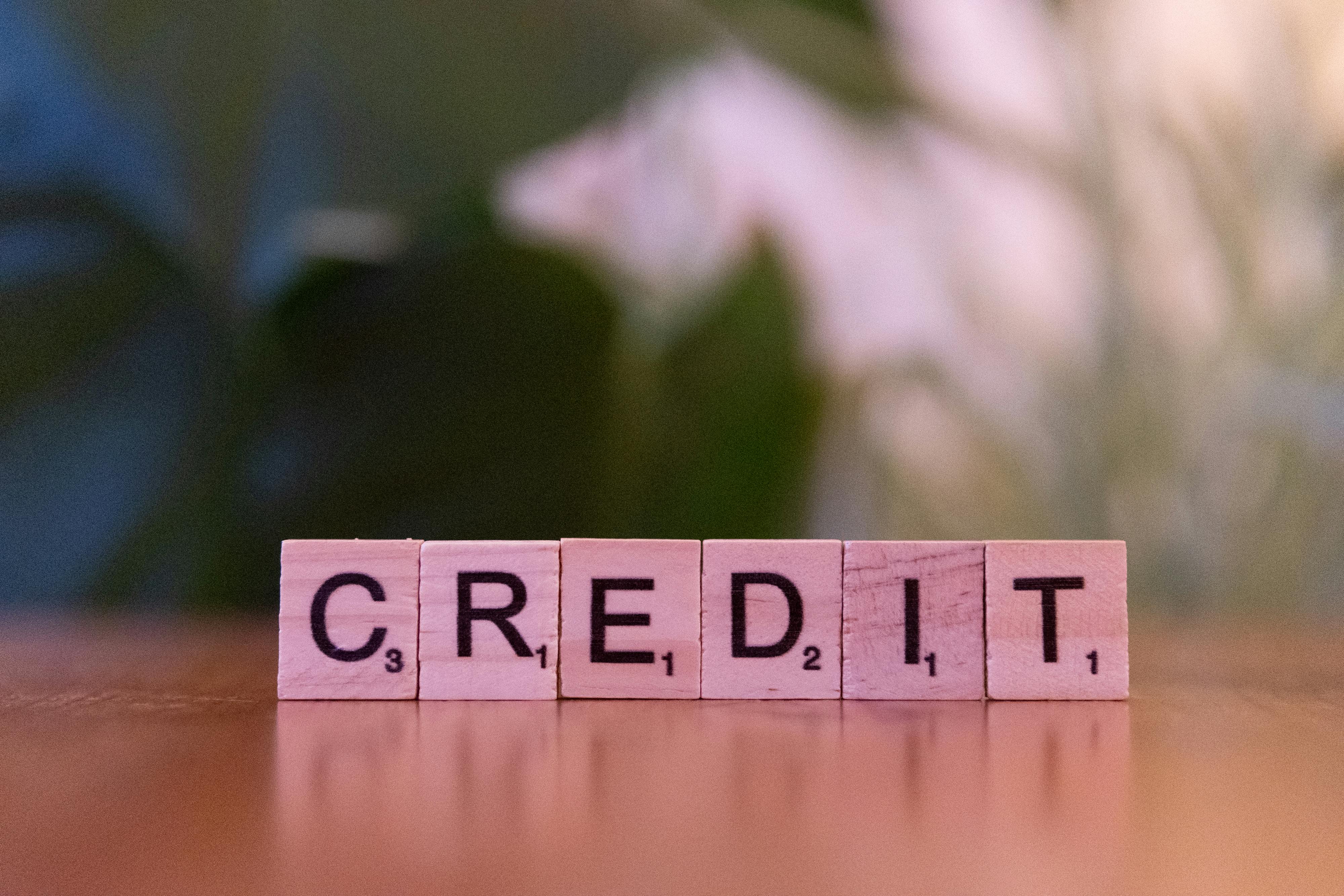
There's also the question of who'd implement this. Credit One Bank's survey sample size and methodology weren't disclosed, which matters when the source has commercial interest in promoting credit score awareness. A credit card company asking if singles care about financial health is like a photo verification vendor asking if catfishing is a problem.
Still, the broader demand for financial transparency is real. Bumble has experimented with net worth estimates in some international markets. Hinge's 'dating intentions' prompts increasingly include questions about financial goals and earning expectations. The question isn't whether financial compatibility matters in online dating — clearly it does — but whether surfacing it at the profile stage improves outcomes or just accelerates inequality.
Regulatory pressure could force the issue either way. If platforms enable credit score displays, they'll face discrimination claims and data protection challenges. If they don't, but singles start sharing scores in bio text or verified badges from third parties, operators lose control over the data whilst retaining liability for how it's used.
The contradiction at the heart of this trend — cash-strapped singles demanding financial stability in partners — suggests something uglier than practical compatibility screening. It's not mutual transparency these users want. It's assortative mating with themselves on top. Dating apps have always enabled that. Adding credit scores would just remove the pretence that it's about anything else.
Key Takeaways
- •Dating app compliance teams risk significant regulatory liability under GDPR, the Equality Act, and the Digital Services Act if platforms enable financial sorting mechanisms that mirror socioeconomic disparities.
- •Product teams attempting financial transparency features face severe adverse selection, as users with impaired credit will conceal metrics while financially secure singles already signal status elsewhere.
Frequently Asked Questions
Policy & Regulation Desk
The DII Regulatory Monitor tracks legislation, enforcement action, safety rules and compliance across dating industry markets.
Comments
Join the discussion
Industry professionals share insights, challenge assumptions, and connect with peers. Sign in to add your voice.
Your comment is reviewed before publishing. No spam, no self-promotion.