Bumble's WNBA Bet: Sports Marketing as a Band-Aid for Retention Woes
Key Points
- •Bumble recorded a four percent year-on-year decline in monthly active users to 3.8 million during Q2 2024, alongside one percent revenue growth to $269 million.
- •Bumble expanded its partnership with the New York Liberty WNBA team in 2024, hosting a singles event and presenting sponsorship at Barclays Center.
- •Bumble allocated $72 million, or 27 percent of its total revenue, to sales and marketing expenses in Q2 2024, up from 24 percent in Q2 2023.
- •Founder Whitney Wolfe Herd returned to the Chief Executive Officer position at Bumble in January 2024 following an 85 percent share price drop from its peak.
Bumble has expanded its partnership with the WNBA's New York Liberty, taking on presenting sponsorship for a playoff home game and hosting a singles event at Brooklyn's Barclays Center. The move builds on an existing relationship and represents what Bumble characterises as 'a significant milestone' in its partnership strategy. What it actually represents is a test case for whether sports marketing can compensate for a product struggling to retain members.
The expanded deal comes as Bumble continues to navigate its post-IPO difficulties. Founder and executive chair Whitney Wolfe Herd stepped back into the CEO role in January 2024 to stabilise the business after a dramatic share price collapse. The company's growth trajectory has stalled dramatically, falling far short of investor expectations from its public debut.
This is brand positioning when Bumble needs product-market fit. The WNBA partnership makes sense on paper—overlapping demographics, female-forward messaging, cultural relevance—but courtside visibility doesn't solve retention problems or reverse a declining user base. If Bumble's product worked as promised, it wouldn't need to borrow credibility from athletes.
Create a free account
Unlock unlimited access and get the weekly briefing delivered to your inbox.
The real question isn't whether this drives awareness, but whether anyone at 140 Fifth Avenue is measuring what happens to cohort retention after these activations, or if this is simply expensive air cover whilst product teams try to fix the fundamentals.
When feature parity meets lifestyle branding
The partnership reflects a broader strategic bind facing every established dating operator. Bumble, Match Group's stable of apps, and emerging competitors have achieved near-feature parity on core functionality. Swiping mechanics, video profiles, verification badges, safety tools—the table stakes are well established. Differentiation increasingly happens off-platform, through brand associations rather than product innovation.
Bumble has long positioned itself on what it calls a 'women-first' philosophy—women must message first in opposite-sex matches, a mechanic the company frames as empowering. Industry observers have questioned whether this actually shifts power dynamics or merely imposes a different set of gendered expectations. Regardless of that debate, the mechanism alone no longer differentiates enough to drive growth.
The WNBA partnership fits Bumble's broader push into what the company terms 'For You' experiences—in-real-life events designed to complement the app. Bumble has ramped up these activations over the past year, from restaurant partnerships to workout classes, attempting to position itself as a lifestyle brand rather than simply a matching service. The logic is sound: if members associate Bumble with positive offline experiences, they might maintain subscriptions even during dormant periods on the app itself.
Why the WNBA timing matters
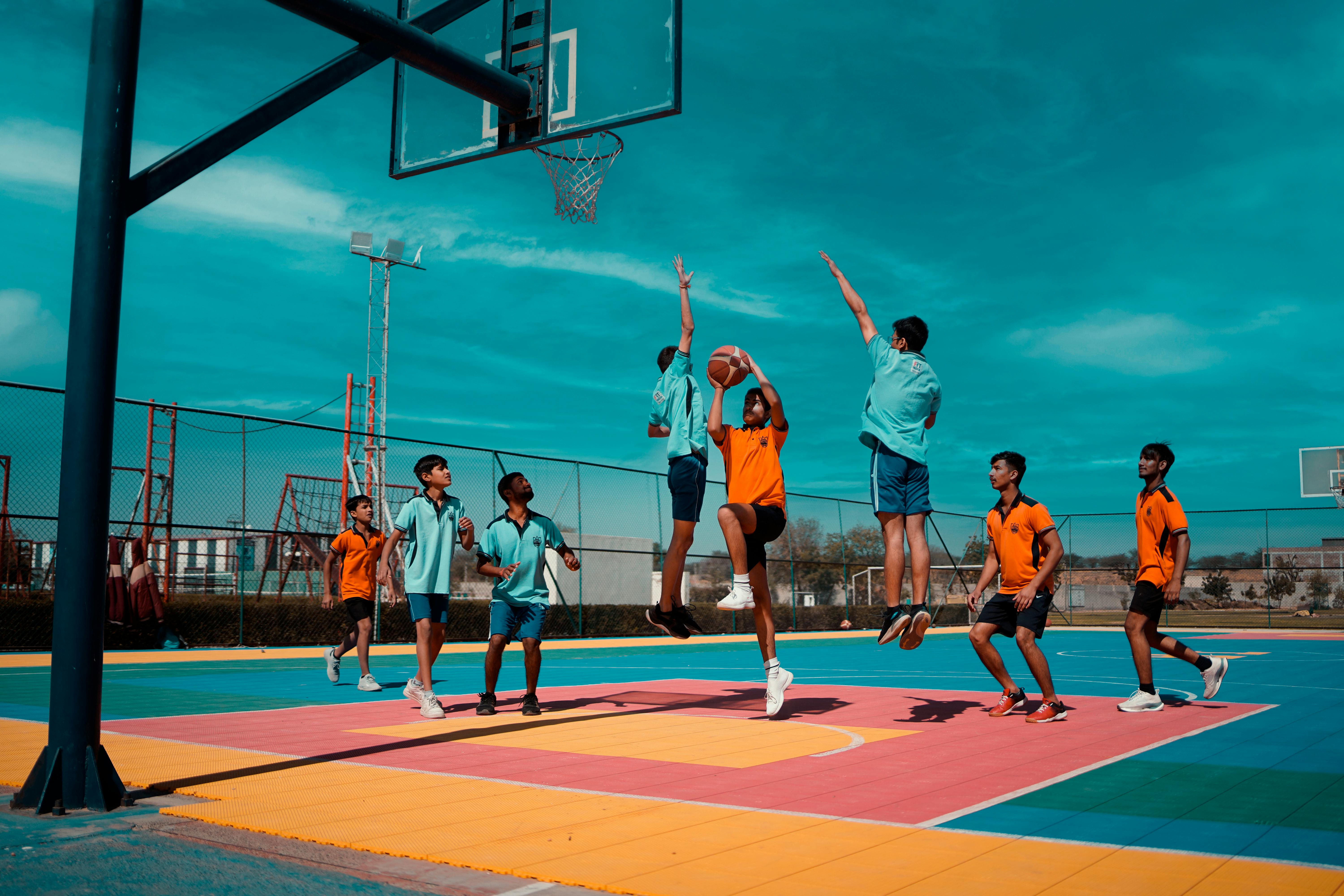
Bumble's timing capitalises on the WNBA's remarkable 2024 surge. League attendance rose 48% year-on-year through August, driven largely by rookie sensation Caitlin Clark and broader cultural momentum around women's professional sports. The New York Liberty specifically has seen sold-out crowds at Barclays Center throughout the season, creating an audience that skews young, urban, and progressive—precisely Bumble's target demographic.
For context, brands ranging from State Farm to Google have poured money into WNBA partnerships this year, recognising a rare growth opportunity in sports media. Bumble is following, not leading, this trend. The company disclosed it has been a Liberty partner since 2023, meaning this expansion represents an incremental bet rather than a wholesale strategic pivot.
The singles event component is more substantive than sideline branding. According to Bumble's announcement, attendees will access a dedicated space at Barclays Center during the playoff game, mixing IRL networking with the spectacle of professional basketball. This echoes similar experiments from competitors—Match Group has tested speed dating at Live Nation concerts, whilst smaller operators like Thursday have built entire business models around weekly event-based matching.
The customer acquisition maths problem
What makes Bumble's push into experiential marketing noteworthy isn't the novelty—it's the context of deteriorating unit economics across the industry. Customer acquisition costs for dating apps have climbed steadily as Apple's App Tracking Transparency framework limited targeted advertising and competition for downloads intensified. Bumble's sales and marketing expenses were $72M in Q2 2024, representing 27% of revenue—up from 24% in the year-ago quarter despite overall revenue growth stalling.
Partnerships like the Liberty deal theoretically offer more efficient brand building than performance marketing. Instead of paying Meta or Google incrementally higher costs per install, Bumble gains visibility with thousands of attendees and broadcast viewers for a fixed sponsorship fee.
The challenge is attribution. Bumble can track conversions from a Facebook ad campaign down to the penny. Measuring how many new subscribers came from seeing a logo courtside, or from attending a singles event, is exponentially harder. The company hasn't disclosed what it's paying for Liberty presenting sponsorship, nor has it shared any performance data from previous IRL activations.
Without that transparency, operators at rival platforms can't assess whether this represents a viable channel or expensive brand theatre. Match Group, for comparison, has taken a different approach. Rather than pursue marquee sports partnerships, CEO Bernard Kim has emphasised product velocity—shipping more features faster across the company's portfolio of apps.
Tinder launched its 'Rizz-first Redesign' in September 2024, whilst Hinge has focused on algorithm improvements. Whether product iteration or lifestyle branding proves more effective at stemming user declines remains an open question, but the industry appears to be running both experiments simultaneously. Bumble's next earnings report, expected in November, will offer the first data point on whether its experiential push and executive leadership change have stabilised user trends.
Until then, partnerships like the Liberty expansion read more as holding actions than growth engines—keeping the brand visible whilst deeper product work happens behind the scenes, or should be happening.
Key Takeaways
- •Experiential sports marketing offers brand exposure, but operators like Bumble risk spending on untrackable activations while core product retention problems remain unaddressed.
- •As dating apps reach feature parity, operators face a strategic split between Bumble lifestyle branding approach and Match Group emphasis on rapid product iteration.
- •Rising customer acquisition costs following privacy framework changes force dating platforms to test fixed-fee sponsorships despite severe attribution and return-on-investment measurement challenges.
Frequently Asked Questions
Financial Intelligence Desk
The DII Financial Intelligence Desk covers earnings, valuations, funding and the financial performance of the global online dating industry.
Comments
Join the discussion
Industry professionals share insights, challenge assumptions, and connect with peers. Sign in to add your voice.
Your comment is reviewed before publishing. No spam, no self-promotion.