

AI Dating Coaches: The Authenticity Dilemma No One's Solving
In this article
Research Report
This report examines the emerging market of AI-powered dating coaches that provide profile optimisation, message generation, and conversation assistance to dating app users. The analysis explores the product landscape, economics, and the central tension between optimisation and authenticity that defines this rapidly growing sector. As AI capabilities improve and user demand intensifies, the dating industry faces the challenge of distinguishing between beneficial AI assistance and harmful persona creation.
- The global AI dating assistant market is estimated at $200-500 million in 2025, growing at 30-50% annually
- 10-20% of the 350+ million dating app users worldwide represent the addressable market for AI dating coaches
- AI dating coach pricing typically ranges from free limited features to £10-30 per month for full access
- The potential market size is estimated at £4-17 billion if penetration reaches 10-20% of active dating app users at £10-20 per month
- 35-70 million potential users globally fall into the category of motivated singles willing to invest in AI-assisted dating improvement
The DII Take
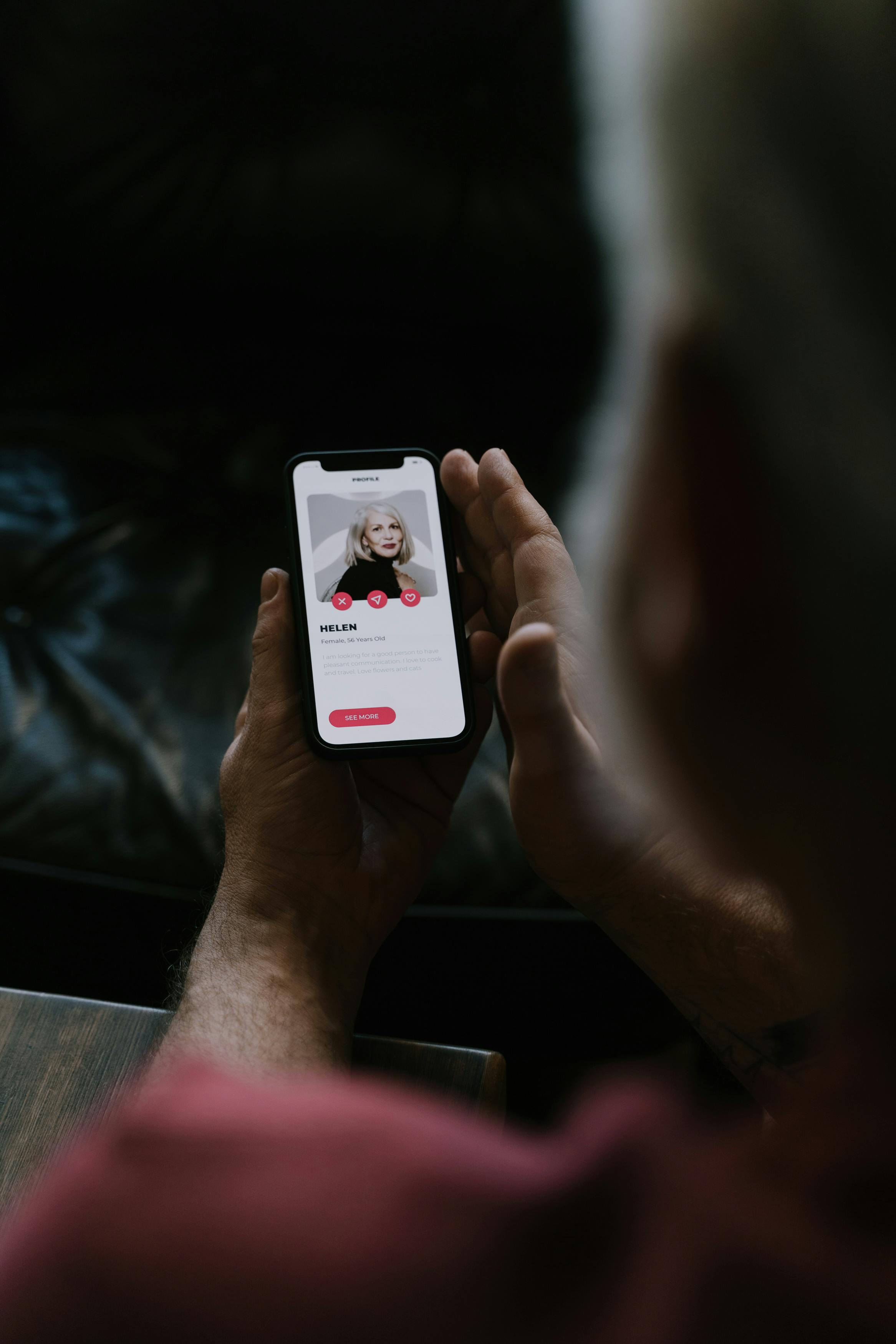
AI dating coaches occupy an ambiguous position in the dating ecosystem. On one hand, they address genuine user needs: many singles struggle with profile writing, conversation initiation, and the social skills that dating apps require. On the other hand, they contribute to the authenticity crisis by enabling users to present AI-polished versions of themselves rather than their genuine personalities. The market will grow regardless, driven by user demand for any advantage in a competitive dating environment.
The dating industry's challenge is to distinguish between AI assistance that helps users express their genuine selves more effectively (beneficial) and AI assistance that generates a persona disconnected from the user's actual personality (harmful). The line between these categories is blurry and will become more so as AI tools improve.
The Market Map
AI dating coaches serve several distinct user needs, each with different products and business models. Profile optimisation tools analyse existing dating profiles and suggest improvements to photos, bios, and prompts. These tools use AI trained on high-performing profiles to identify what makes profiles attractive, then provide specific recommendations for improvement. Products in this category include YourMove, AIMM, and Photofeeler's AI features.
Message generation tools help users write opening messages, responses, and conversation continuations. These tools analyse both users' profiles and generate contextually appropriate messages that reference shared interests, ask engaging questions, and maintain conversational flow. Rizz is the most prominent product in this category. Conversation coaching tools provide real-time guidance during dating app conversations, suggesting topics, identifying when to ask questions versus share information, and flagging potential missteps. These tools operate as a background advisor rather than generating messages directly.
Date preparation tools help users plan dates, prepare conversation topics, and manage logistics. Known's restaurant recommendation and calendar integration features serve this function within its platform. Post-date analysis tools help users process date experiences, identify what went well, and plan next steps. These tools are the least developed category but represent a natural extension of the AI coaching concept.
The Economics
AI dating coach products typically operate on freemium or subscription models, with pricing ranging from free (limited features) to £10-30 per month (full access). The market is nascent but growing rapidly, driven by the same user frustration with dating apps that fuels demand for matchmaking and events. The total addressable market for AI dating coaches is a subset of the dating app user base: singles who are sufficiently motivated to invest in improving their dating performance but who are not ready to invest in human coaching or matchmaking. DII estimates this at 10-20% of active dating app users, representing a market of 35-70 million potential users globally.
The Authenticity Question
The fundamental tension in AI dating coaching is the gap between optimisation and deception. An AI tool that helps a shy user find the words to express their genuine interest in a match is providing legitimate assistance. An AI tool that generates witty, charismatic messages for a user who is neither witty nor charismatic creates a persona that the eventual in-person meeting will contradict.
AI operates at a different scale and sophistication: an AI tool can generate dozens of personalised messages per day, sustaining a level of conversational polish that no human could maintain naturally. The expectation gap between AI-assisted digital interaction and unassisted in-person interaction is wider than any previous form of dating optimisation has created.
This tension is not unique to AI. Human dating coaches, image consultants, and even friends who review profiles all help users present optimised versions of themselves. But AI operates at a different scale and sophistication: an AI tool can generate dozens of personalised messages per day, sustaining a level of conversational polish that no human could maintain naturally. The expectation gap between AI-assisted digital interaction and unassisted in-person interaction is wider than any previous form of dating optimisation has created.
This analysis draws on published information about AI dating coach products, app store data on pricing and features, and DII's assessment of the AI dating coaching market. Market sizing estimates are DII calculations based on dating app user data and estimated adoption rates.
The Ethical Dimension
AI dating coaches raise ethical questions about authenticity, deception, and the nature of genuine connection that the market has not adequately addressed. The optimisation-authenticity spectrum ranges from clearly beneficial (helping a shy user find words for their genuine feelings) to clearly problematic (generating an entirely artificial persona that bears no resemblance to the user's actual personality). Most AI dating coach use cases fall somewhere in the middle of this spectrum, and the ethical assessment depends on perspective.
From the user's perspective, AI assistance is a tool like any other self-improvement resource. A user who takes a cooking class to become a better date, works with a therapist to overcome social anxiety, or hires a photographer to take better profile photos is investing in self-improvement. AI message generation is a different tool serving the same purpose. From the match's perspective, AI-enhanced communication creates an expectation that the in-person experience may not meet. If a user's messages are witty, thoughtful, and perfectly composed because an AI wrote them, the match expects a witty, thoughtful, perfectly articulate person at the first meeting.
The gap between AI-enhanced digital interaction and unassisted in-person interaction can produce a form of disappointment that undermines the potential connection. From the platform's perspective, AI dating coaches are both an opportunity and a threat. They improve user engagement (better messages produce more conversations) but erode the authenticity that platforms depend on for trust. A platform where all messages are AI-generated is a platform where no one knows who they are actually talking to.
The Product Categories in Detail
Profile optimisation is the least controversial AI coaching category because it helps users present their genuine selves more effectively rather than creating a fictional persona. Tools that suggest better photo selection, more engaging bio language, and more effective prompt responses improve self-presentation without fundamentally altering identity. The market leaders in this category (Photofeeler, YourMove) have built substantial user bases by delivering measurable improvements in match rates.
Message generation is the most controversial category because it directly substitutes AI judgement for human expression in the conversational dimension of dating. The sophistication of current message generation tools is remarkable: they can analyse both profiles, identify shared interests, generate contextually appropriate openers, and sustain multi-turn conversations that feel natural. But the "feel natural" qualifier is the ethical crux: the messages feel natural because they are designed to mimic human communication, not because they are human communication.
Date coaching and preparation tools help users plan dates, prepare conversation topics, and manage the logistics of meeting in person. These tools are less ethically fraught than message generation because they prepare the user for genuine interaction rather than substituting for it. An AI that suggests "you both like Italian food, try the restaurant on Main Street" is providing practical assistance, not impersonating the user. Post-date analysis tools help users process date experiences and decide on next steps. An AI that asks "how did the conversation feel?" and "would you like to see them again?" and "what would you do differently?" provides the reflective guidance that a good friend might offer, at a scale that human friends cannot sustain.
The Market Size and Growth
The AI dating coach market is nascent but growing rapidly, driven by user demand for any advantage in a competitive dating environment. Industry estimates place the global AI dating assistant market at £200-500 million in 2025, growing at 30-50% annually as AI capabilities improve and user adoption increases. These estimates are imprecise because the market boundaries are unclear: some AI dating features are built into dating platforms (Hinge's AI Convo Starters), while others are standalone products (Rizz, YourMove), and still others are general-purpose AI tools used for dating purposes (ChatGPT for message writing).
The addressable market is a subset of the 350+ million dating app users worldwide. DII estimates that 10-20% of active dating app users would pay for AI dating assistance if the product delivered measurable improvement in their dating outcomes. At £10-20 per month, this represents a potential market of £4-17 billion, though actual penetration will be significantly lower in the near term. The growth trajectory follows the adoption curve of AI-powered productivity tools in other domains. Just as AI writing assistants (Grammarly, Jasper) gained mainstream adoption by demonstrating measurable improvement in writing quality, AI dating coaches will gain mainstream adoption as they demonstrate measurable improvement in dating outcomes.
The Competitive Landscape
The AI dating coach market includes several categories of competitor. Standalone AI dating apps (Rizz, YourMove, Keys AI) provide dedicated dating assistance products with subscription-based revenue models. These products differentiate on the quality and personalisation of their AI advice, the range of dating activities they support (profile writing, message generation, date planning), and their integration with major dating platforms.
Built-in platform features (Hinge AI Convo Starters, Tinder's AI profile suggestions) provide AI assistance within the dating platform itself. These features are typically available as premium or free features within the platform's existing subscription, making them more accessible than standalone products but less specialised. General-purpose AI tools (ChatGPT, Claude, Gemini) are used by millions of dating app users for ad hoc dating assistance: writing profile bios, drafting opening messages, and getting advice on conversation strategy. These tools are not designed for dating but serve the purpose adequately for users who know how to prompt them effectively.
Human dating coaches who incorporate AI tools into their practice represent the premium end of the coaching market. These coaches use AI for research, analysis, and content generation while providing the personalised human guidance that AI alone cannot deliver. The combination of human expertise and AI efficiency serves clients who want more than an app but less than a full matchmaking engagement.

The Future of AI Dating Coaching
The AI dating coach market will evolve in several directions over the next 3-5 years. Integration with dating platforms will accelerate as platforms recognise that AI coaching features improve user engagement and satisfaction. The standalone AI dating coach market may eventually be absorbed into platform-native features, similar to how standalone photo editing apps were absorbed into smartphone cameras.
Personalisation will improve as AI models are trained on larger datasets of dating interactions and outcomes. An AI coach that has processed millions of dating conversations and tracked which communication patterns led to successful dates can provide genuinely personalised advice that exceeds what a human coach could offer from their necessarily limited experience. Ethical frameworks will develop as the market matures. Industry standards for disclosure (should users be required to tell their matches that they are using AI assistance?), authenticity (how much AI modification of self-presentation is acceptable?), and accountability (who is responsible when AI advice leads to poor outcomes?) will emerge through regulation, self-regulation, and market selection.
The dating industry's investment in this area is not discretionary. It is essential infrastructure for maintaining the trust and quality that users demand and that regulators increasingly require. The operators who invest most effectively, combining AI capability with human oversight and user education, will build the strongest platforms in the market.
The AI dating coach market sits at the intersection of self-improvement, technology, and romantic aspiration. It will grow regardless of the authenticity concerns it raises, because users will always seek competitive advantage in dating. The dating industry's responsibility is to establish norms that distinguish between AI assistance that enhances genuine self-expression and AI substitution that replaces it. DII will track the evolution of this market through quarterly updates, covering new product launches, regulatory developments and emerging platforms where AI bots write profiles and flirt on users' behalf, and the emerging ethical frameworks that will shape the industry's approach to AI-assisted dating.
The AI dating coach market will grow regardless of the authenticity concerns it raises, because users will always seek competitive advantage in the dating marketplace. The dating industry's challenge is to channel this demand toward tools that help users express their genuine selves more effectively rather than tools that create artificial personas disconnected from reality.
What This Means
The AI dating coach market represents a structural shift in how singles approach digital dating, moving from unassisted self-presentation to AI-enhanced optimisation. Platforms must balance the engagement benefits of AI assistance against the authenticity erosion that undermines long-term trust. The operators who successfully navigate this tension—building AI tools that enhance rather than replace genuine self-expression—will capture the largest share of the £4-17 billion addressable market.
What To Watch
Monitor the development of industry disclosure standards requiring users to reveal AI assistance, as well as regulatory frameworks governing AI-generated dating content. Track the integration of AI coaching features into major dating platforms (Hinge, Tinder, Bumble) as a signal of mainstream adoption. Watch for the emergence of AI detection tools that allow matches to identify AI-generated messages, which would fundamentally reshape the competitive dynamics of the AI dating coach market.
Create a free account
Unlock unlimited access and get the weekly briefing delivered to your inbox.