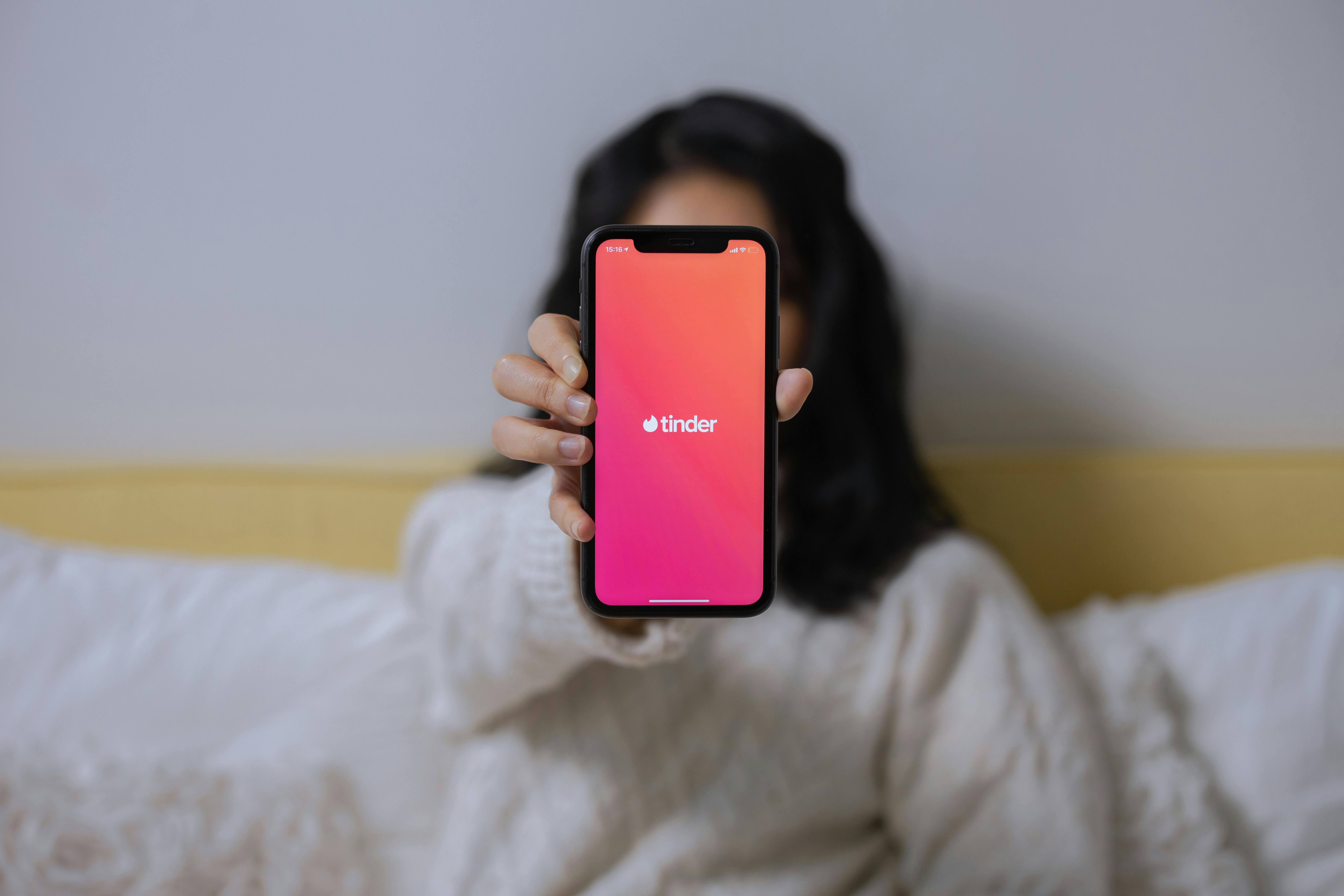
Tinder's Mandatory Verification: A Preemptive Move or a Necessary Shift?
Key Points
- •Tinder made video selfie verification mandatory for new users in eight markets, including California, the United Kingdom, Australia, and India.
- •Match Group controls approximately 45 percent of the dating app market and claims mandatory verification reduced bad actor exposure by 60 percent in test markets.
- •Yoel Roth, Tinder head of trust and safety, cited rising user expectations and regulatory pressure from the EU Digital Services Act and UK Online Safety Act.
- •Bumble reported stalled paying user growth in Q3 2024 while Match Group reported flat subscriber numbers, pushing platforms to focus on subscriber retention.
When a platform with Tinder's reach makes identity verification compulsory rather than optional, it forces the entire dating industry into a corner. Match Group's decision to require video selfies from new users in eight key markets represents less a safety innovation than an acknowledgement that the old model—letting users choose whether to verify—has become commercially and legally untenable. The question now isn't whether competitors will follow, but how quickly they can afford to.
The trade-off is considerable. Users must submit biometric data for the privilege of swiping, whilst operators absorb friction costs and infrastructure expenses at a time when customer acquisition is already expensive and user growth has flatlined. Yet the alternative—remaining the platform that doesn't require verification—increasingly reads not as privacy-respecting but as unsafe.

This isn't Tinder getting ahead of the curve—it's Tinder accepting it has no choice. The dating industry has spent years treating verification as an opt-in feature because forcing identity checks meant losing users who valued anonymity, whether for legitimate privacy reasons or less defensible ones. That calculation has flipped. The combination of regulatory pressure, a documented trust crisis dragging retention metrics, and rising pressure from investors means platforms can no longer afford to let the catfish problem fester.
Create a free account
Unlock unlimited access and get the weekly briefing delivered to your inbox.
The question now is whether mandatory verification becomes table stakes fast enough to rebuild user confidence, or whether it arrives too late to stop the slide toward platform fatigue.
Verification as a retention play, not just a safety feature
Tinder has positioned this rollout as a trust and safety measure, but the business case is equally urgent. User engagement across major dating platforms has been declining whilst customer acquisition costs continue to climb—Bumble disclosed in its Q3 2024 earnings that paying user growth had stalled, whilst Match reported flat subscriber numbers across its portfolio. Trust issues aren't peripheral to this problem. They're central.
Multiple surveys over the past 18 months have identified catfishing, fake profiles, and scam accounts as top barriers to user satisfaction and retention. When users encounter fake profiles repeatedly, they churn. Verification is as much about keeping existing subscribers active as it is about removing fraudsters.

The timing also suggests regulatory inevitability. The EU Digital Services Act already imposes stricter identity and content moderation obligations on large platforms, and the UK Online Safety Act includes provisions that could compel age verification and identity checks for dating services. California's state legislature has multiple bills in committee that would mandate stronger identity protections for online platforms. Tinder's move looks proactive, but it's more likely pre-emptive—getting ahead of requirements that are coming regardless.
We've reached the point where voluntary verification isn't sufficient to create the safe environment our members expect
Yoel Roth, Tinder's head of trust and safety who joined Match in 2023 after a 15-year career that included a high-profile stint as head of trust and safety at Twitter (now X), framed the shift as necessary. 'We've reached the point where voluntary verification isn't sufficient to create the safe environment our members expect,' he said in the company announcement. That phrasing—'our members expect'—is telling. It frames mandatory checks not as an imposition but as demand-driven, which may or may not reflect user sentiment. What it definitely reflects is operator consensus that the industry can't function without solving for fake profiles.
What the rest of the industry does next
The competitive dynamics here are stark. Match controls roughly 45% of the dating app market when you aggregate Tinder, Hinge, OKCupid, and its other properties. If Tinder's mandatory verification succeeds in reducing fraud and improving user sentiment without cratering new user acquisition, expect Hinge and the rest of Match's portfolio to follow within quarters, not years.
That puts pressure on Bumble, Grindr, and independent operators. Bumble already offers optional photo verification but hasn't mandated it. Grindr has long resisted identity checks, citing user privacy concerns particularly relevant to LGBTQ+ users in hostile jurisdictions—a defensible position that nonetheless becomes harder to maintain if the broader market moves toward mandatory verification as baseline.
Smaller platforms face a different calculus. Niche apps serving specific communities or demographics might be able to sustain opt-in models longer, particularly if their value proposition includes discretion. But the majority of the market will struggle to differentiate on safety if the leader makes verification compulsory. Saying 'we don't require biometric checks' won't read as privacy-respecting—it'll read as unsafe.
The majority of the market will struggle to differentiate on safety if the leader makes verification compulsory
The infrastructure question matters too. Tinder uses its own verification technology, but plenty of smaller operators rely on third-party providers like Yoti, Jumio, or Au10tix. Mandatory verification increases costs—both in technology licensing and customer support—at a time when many apps are barely profitable. That could accelerate consolidation, as underfunded platforms struggle to meet what becomes a regulatory and competitive requirement.

Privacy trade-offs and the consent problem
What users are giving up here isn't trivial. Video selfie verification requires submitting biometric data—facial geometry that can be stored, analysed, and potentially misused. Match has stated that the video selfies are analysed and then deleted, not stored long-term, but that relies on trusting the operator's data governance and security practices. Given the frequency of data breaches across consumer tech, that's not an unreasonable concern.
There's also the consent question. Calling this 'mandatory' means new users don't have a choice—submit your face or don't use Tinder. Existing users in these markets remain grandfathered under the old opt-in system for now, though Match hasn't clarified how long that will last. The asymmetry creates a two-tier environment where legacy accounts can remain unverified indefinitely whilst new users cannot. That undermines the stated goal of reducing 'bad actor' exposure unless Match eventually forces existing users to verify too.
The rollout geography is instructive. Tinder has gone mandatory in markets with either strong regulatory frameworks (UK, EU states, California) or high fraud rates (India). What's missing from the initial list: the rest of the US, Latin America, and most of Asia. That suggests Match is testing compliance and user acceptance in environments where it expects either regulatory tailwinds or high tolerance for friction.
What operators should be watching is conversion rate impact. If Tinder sees new user sign-ups drop materially in mandatory verification markets, expect hesitation from competitors. If conversion holds steady or the quality-of-user metrics improve enough to justify modest acquisition losses, mandatory verification becomes the industry standard within 18 months.
Key Takeaways
- •Mandatory biometric verification creates financial and technological barriers for smaller dating operators, potentially accelerating industry consolidation toward platforms with proprietary verification tools.
- •Competing operators like Bumble and Grindr face strategic risks, as maintaining opt-in verification systems may cause consumers to perceive non-mandatory platforms as unsafe.
- •Dating app compliance teams must prepare for widespread mandatory identity frameworks as regulatory mandates expand from European and UK jurisdictions into broader international markets.
Frequently Asked Questions
Financial Intelligence Desk
The DII Financial Intelligence Desk covers earnings, valuations, funding and the financial performance of the global online dating industry.
Comments
Join the discussion
Industry professionals share insights, challenge assumptions, and connect with peers. Sign in to add your voice.
Your comment is reviewed before publishing. No spam, no self-promotion.