Tinder's Fashion Week Stunt: Political Branding as User Acquisition
Key Points
- •Tinder partnered with New York fashion brand Area during New York Fashion Week to launch a limited-edition t-shirt supporting reproductive rights.
- •Tinder pledged a 25,000 US dollar donation to Planned Parenthood as part of the brand campaign with Area.
- •Match Group reported that Tinder reached 10.3 million subscribers in Q4 2023, representing flat growth year-over-year.
- •Gen Z users now represent the primary demographic cohort on major online dating platforms, including Match Group properties.
Tinder has escalated its reproductive rights advocacy from quiet in-app features to a highly visible Fashion Week campaign, partnering with New York brand Area on a limited-edition t-shirt and $25,000 Planned Parenthood donation. The move represents a calculated bet that political activism can serve as product strategy, positioning the dating app as a lifestyle brand competing for Gen Z loyalty. Whether this translates to downloads or simply fuels backlash will test how far dating platforms can push values-based differentiation in a polarised market.
From Feature to Fashion Statement
Tinder's reproductive rights positioning began in earnest after Dobbs v Jackson in June 2022, when the company introduced in-app features allowing members to add reproductive rights badges to their profiles and share information about abortion access. Those tools were significant but largely passive—opt-in signals for users already aligned with the platform's stance.
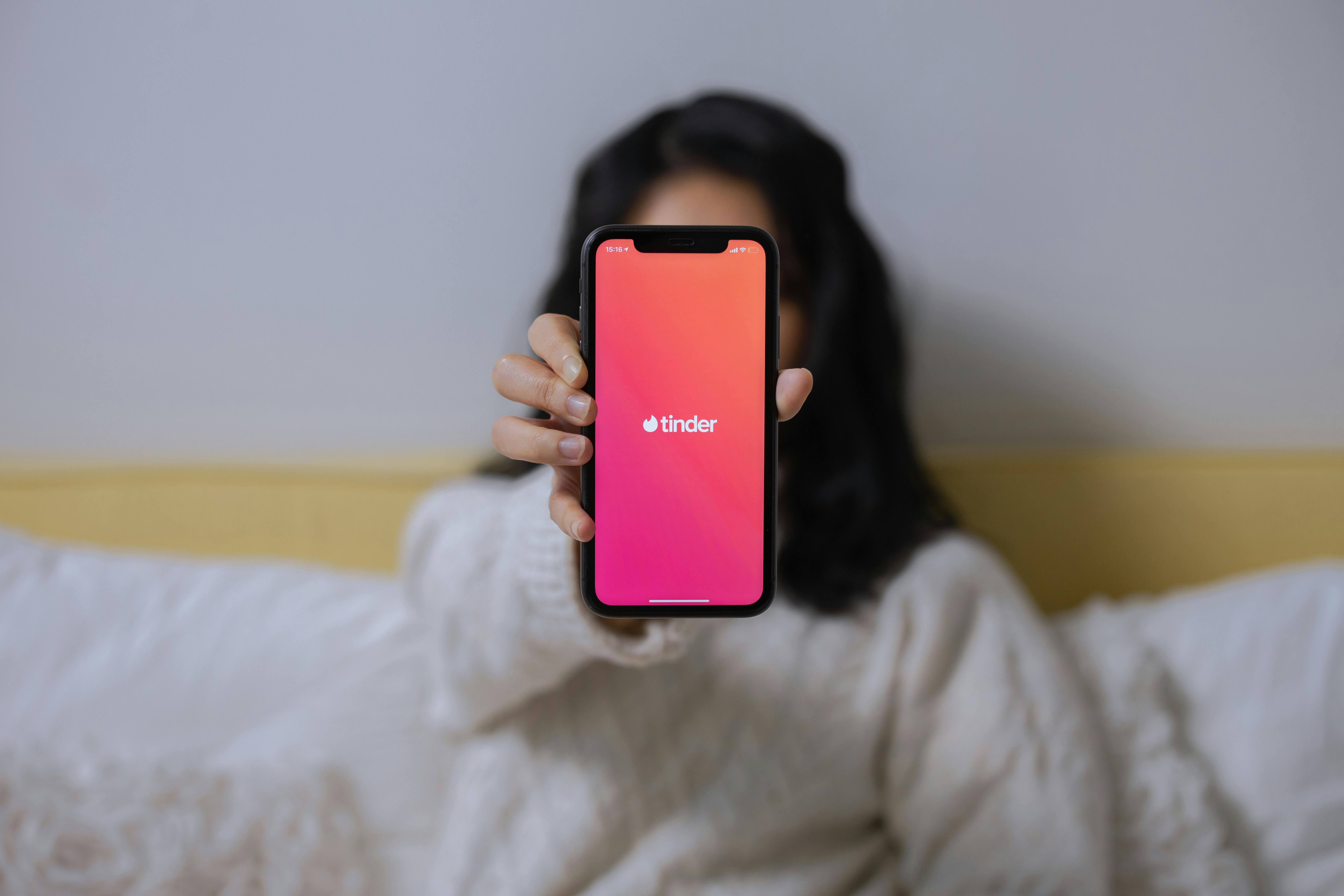
The Area collaboration represents a different playbook entirely. Fashion Week attracts press coverage far beyond the dating trade. The t-shirt—a physical, wearable product—extends Tinder's brand presence into offline spaces in ways that app-based features cannot.
Create a free account
Unlock unlimited access and get the weekly briefing delivered to your inbox.
That lack of financial transparency matters. A $25,000 donation is hardly material for a platform generating hundreds of millions in annual revenue as part of Match Group's portfolio. The figure suggests this is primarily a branding exercise rather than a philanthropic priority, though that doesn't necessarily diminish its impact on brand perception among target demographics.
The Gen Z Gambit
Dating apps are competing in an increasingly values-driven market. Research from multiple consumer surveys over the past 18 months indicates that Gen Z users—now the dominant cohort on most major platforms—actively research brand political stances before engaging with products. For dating apps, where competition for new users is brutal and retention rates remain stubbornly low, values-based differentiation offers a potential moat.
Reproductive rights advocacy offers a new lane—one that ties directly to dating's core function whilst signalling progressive values.
Bumble has pursued a similar strategy, positioning itself around women's empowerment and safety since its 2014 launch. Hinge has leaned into its 'designed to be deleted' messaging as an implicit critique of addictive swipe mechanics. Tinder, by contrast, has struggled to escape its reputation as a hookup app despite years of repositioning efforts.

The risk, of course, is bifurcation. The United States remains deeply divided on abortion access, with support varying significantly by geography, age, and political affiliation. Tinder operates in markets where reproductive rights advocacy could alienate users or invite regulatory scrutiny.
Activation Versus Alienation
The central question for operators watching this unfold is whether high-profile political positioning drives user growth or simply reinforces existing preferences. Tinder's messaging frames reproductive rights as a dating issue—access to abortion affects relationship decisions, family planning, and bodily autonomy. That framing is defensible and directly relevant to the platform's value proposition.
This is political branding as user acquisition, and it's a calculated bet that alienating some users is worth it if it deepens loyalty among the younger cohort Tinder desperately needs to retain.
But translating cultural visibility into app downloads requires more than a t-shirt campaign. Fashion Week generates headlines; sustained user growth requires product improvements, better matching algorithms, and trust and safety features that actually work. If Tinder's reproductive rights advocacy remains purely performative—disconnected from meaningful product changes or ongoing financial commitment—it risks cynicism from the very users it aims to attract.
There's also the revenue question. Match Group has been clear in recent earnings calls that Tinder remains a growth priority following several quarters of stagnant user numbers. Whether political activism converts to paying subscribers depends on execution across the funnel—from awareness to download to conversion to retention.

Competitors are watching closely. Bumble's Whitney Wolfe Herd has built an entire brand around women-centric positioning, though the company has been more cautious about explicit political advocacy. Hinge, also owned by Match Group, has stayed relatively neutral on political issues, focusing instead on product-led differentiation. Grindr, whose user base skews heavily LGBTQ+, has a longer history of political engagement but faces different dynamics given its niche positioning.
What to Watch
The Fashion Week timing suggests Tinder will continue testing cultural partnerships as a user acquisition channel. Whether those partnerships deliver measurable results—and how Match Group quantifies success beyond press mentions—will determine whether this becomes a sustained strategy or a one-off experiment.
Reproductive rights advocacy is unlikely to disappear from dating platforms regardless of this campaign's performance. The issue remains legally contested, culturally salient, and directly relevant to dating behaviour. Using fashion as a vehicle, AREA and Tinder hope to destigmatize the conversation around abortion, while the dating app's partnership with Area stands up against restrictions on reproductive health access. The format may evolve, but the positioning is now embedded in how platforms compete for values-driven users.
Key Takeaways
- •Dating app operators targeting Gen Z users are increasingly adopting explicit political stances to drive user acquisition amidst stagnant subscriber growth.
- •Aligning dating platforms with controversial social causes risks user polarisation, requiring executive teams to weigh brand loyalty gains against potential regional user backlash.
- •Match Group investors must monitor whether high-visibility cultural campaigns on Tinder successfully convert progressive Gen Z users into paying subscribers.
Frequently Asked Questions
Newsroom
The DII Newsroom reports daily breaking news across the global online dating, matchmaking and social discovery industry.
Comments
Join the discussion
Industry professionals share insights, challenge assumptions, and connect with peers. Sign in to add your voice.
Your comment is reviewed before publishing. No spam, no self-promotion.