Tinder's India Strategy: Grocery Apps Over Instagram Influencers
Key Points
- •Tinder appointed Mumbai creative agency Adtomica as Agency on Record for brand partnerships in India following a campaign with grocery delivery app Blinkit.
- •The Blinkit partnership distributed 150,000 vouchers offering Tinder Plus subscriptions at a 75% discount, lowering the monthly price from $10.80 to $2.70.
- •Match Group reported Tinder revenue growth decelerating to 13% year-over-year in Q4 2024, citing increased international promotional activity as a key factor.
- •India represents a top five market by user base for Tinder, though average revenue per user remains 60% to 70% below US and UK levels.
Tinder has handed its India brand partnerships brief to Adtomica, an independent Mumbai creative agency, following a campaign that slipped 150,000 discounted dating subscriptions into grocery delivery orders. The appointment marks a decisive shift toward local creative infrastructure for one of Match Group's most critical growth markets. It also suggests that dating app marketing in emerging economies increasingly looks less like Meta ads and more like strategic placement between milk orders and vegetable deliveries.
The partnership with Blinkit, a quick-commerce platform owned by Zomato, offered Tinder Plus subscriptions at a 75% discount. According to Adtomica, the 'Move On' campaign generated what the agency described as 'significant engagement and click-throughs', though neither party disclosed conversion data or subscriber acquisition costs.
The Strategic Logic Behind Grocery Delivery
This is smart marketing disguised as gimmickry. Grocery delivery apps in India have become daily habit platforms with user sessions that dwarf most dating apps. Tinder is piggybacking on established purchase behaviour to reach price-sensitive singles where they're already transacting—not where they're passively scrolling.
Create a free account
Unlock unlimited access and get the weekly briefing delivered to your inbox.
The 75% discount reveals just how aggressively Match is pricing to convert free users in markets where $10–15/month for Tinder Plus remains prohibitive for most potential subscribers. If standard Tinder Plus typically costs around ₹899/month ($10.80) in India, a 75% discount brings it to roughly ₹225 ($2.70). That's before accounting for Blinkit's commission and agency fees.

India's quick-commerce sector has exploded over the past three years, with platforms like Blinkit, Swiggy Instamart, and Zepto delivering everything from groceries to electronics in under 15 minutes. These apps boast daily active user rates that dating platforms can only dream of—and crucially, they've already solved the payment infrastructure problem that continues to hamper dating app monetisation in cash-dominant markets.
Placing dating subscriptions alongside everyday purchases normalises the transaction, making premium Tinder features less loaded when bundled with routine purchases rather than positioned as a standalone act.
The strategy also exploits impulse buying mechanics. Quick-commerce platforms are optimised for speed and convenience, not deliberation. A 75% discount on a dating subscription presented during checkout carries far more conversion potential than the same offer served as an in-app upsell.
The approach also acknowledges a fundamental truth about dating app usage in India: cultural stigma still shapes behaviour. Dating apps operate in a market where matrimonial platforms like Shaadi.com and BharatMatrimony dominate serious relationship-seeking, whilst apps like Tinder navigate complex social mores around casual dating. Reaching users through platforms they already trust—and use daily—provides air cover that traditional dating app advertising cannot.
Why Local Agencies Matter
Adtomica's appointment fits a broader pattern of dating operators moving away from Western creative agencies toward specialists who understand regional relationship norms and digital behaviour. Bumble has similarly invested in India-specific creative for campaigns addressing everything from 'pseudo-singles' to Diwali-themed activation. Hinge runs dedicated Instagram accounts for Indian users featuring localised memes and dating advice.
This represents a meaningful departure from the global creative playbook that dominated dating app marketing through 2019. Match Group historically centralised creative through agencies like 72andSunny and Mekanism, pushing campaigns globally with minor localisation. That approach worked when dating apps served primarily Western markets with relatively homogeneous cultural attitudes toward online dating.
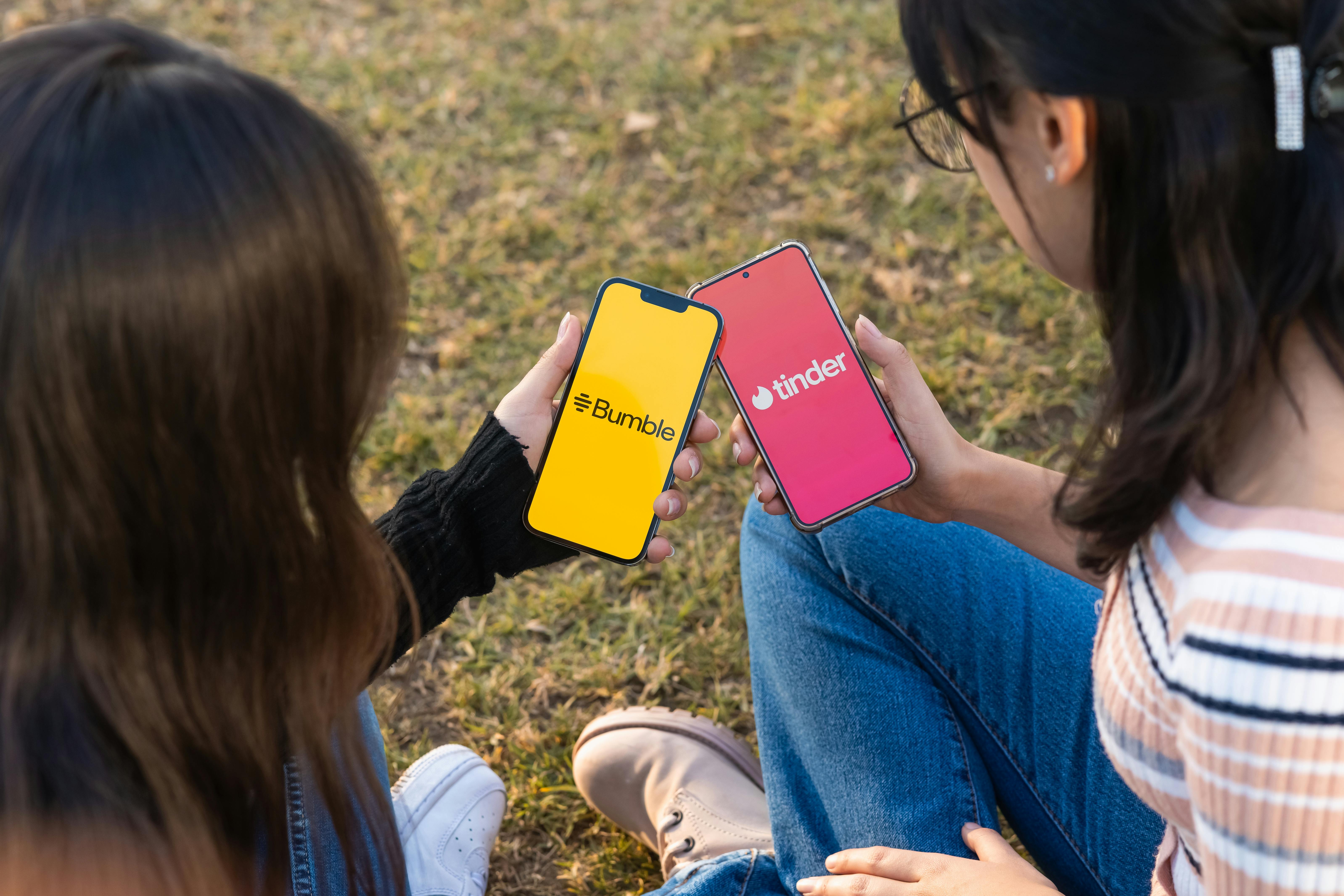
India presents an especially complex landscape. The country now ranks among Tinder's top five markets by user base, according to industry estimates, yet monetisation remains stubbornly below Western levels. Average revenue per user in India typically runs 60–70% below comparable figures in the US or UK, industry sources suggest. The cultural context demands not just translated copy but fundamentally different positioning—something global agencies have repeatedly failed to deliver.
The Blinkit partnership exemplifies the kind of platform-specific thinking that local agencies enable. A Western creative team would likely default to Instagram influencer partnerships or Spotify audio ads. Adtomica identified an adjacent platform with complementary user behaviour and built a distribution channel that doubles as brand positioning.
The Unit Economics Problem
The 75% discount raises uncomfortable questions about profitability. If a discounted subscription brings in roughly $2.70 monthly, and Blinkit takes 15–20% commission, the actual revenue per acquired subscriber probably sits well below $2. Add Adtomica's agency fees and the economics look increasingly challenging.
Match Group's Q4 2024 earnings showed Tinder's revenue growth decelerating to 13% year-over-year, down from 15% in Q3. Management cited 'increased promotional activity' in international markets as one factor pressuring average revenue per paying user. India almost certainly figures prominently in that story.
Aggressive promotional pricing makes sense if lifetime value justifies the acquisition cost—but the risk is training users to expect permanent discounting or attracting bargain-hunters who churn immediately when prices revert.
The campaign distributed 150,000 vouchers, though redemption rates remain undisclosed. If even 20% converted—a generous assumption for voucher-based promotions—that's 30,000 subscribers acquired at heavily discounted rates. Whether those subscribers stick around long enough to generate positive unit economics depends entirely on retention curves that neither Tinder nor Match disclose at market level.

What Comes Next
What's clear is that Tinder views India as important enough to sustain these economics in the near term. The company has opened offices in Mumbai and invested in local payment infrastructure including UPI integration and cash-on-delivery experiments for premium features—signals of long-term commitment rather than opportunistic user farming.
Adtomica's remit covers brand partnerships specifically, suggesting further collaborations with consumer platforms beyond Blinkit. India's digital ecosystem offers no shortage of potential partners: fintech apps, streaming services, food delivery platforms, even EdTech companies. Each represents a channel to reach singles where they're already spending time and money, rather than competing for attention in increasingly expensive social media auctions.
Whether this appointment signals similar localisation efforts in other emerging markets remains to be seen. Match Group operates across dozens of countries, many with comparable challenges around cultural acceptance, payment infrastructure, and price sensitivity. The India playbook—local agencies, platform partnerships, aggressive promotional pricing—could translate to markets from Brazil to Indonesia.
Either way, the appointment confirms what savvier operators already knew: dating app marketing in 2025 isn't about universal creative that works everywhere. It's about understanding where your users already are, what they're already doing, and how to make subscribing to a dating app feel as unremarkable as ordering groceries.
Key Takeaways
- •Dating app operators targeting emerging markets must adapt distribution strategies toward high-frequency daily habit platforms like quick-commerce apps rather than relying strictly on traditional social media advertising.
- •Match Group is prioritising user acquisition over immediate unit profitability in India through heavy subscription discounting, risking long-term user price sensitivity.
- •Establishing partnerships with local creative agencies helps dating platforms navigate regional cultural stigma and localised payment infrastructure challenges.
Frequently Asked Questions
Newsroom
The DII Newsroom reports daily breaking news across the global online dating, matchmaking and social discovery industry.
Comments
Join the discussion
Industry professionals share insights, challenge assumptions, and connect with peers. Sign in to add your voice.
Your comment is reviewed before publishing. No spam, no self-promotion.