Snapchat Has More Paying Subscribers Than Tinder. Read That Again.
Key Points
- •Snap Inc. announced that Snapchat+ has reached 25 million paying subscribers, driving its direct revenue to a $1 billion annual run rate.
- •The Snapchat+ subscriber total exceeds Tinder's estimated 10 to 12 million paying users and Match Group's total premium base of 14.9 million.
- •Match Group saw subscriber counts peak at 16.3 million in Q1 2021, while Bumble's paying user growth slowed to low single digits by 2023.
- •Dating operators increased prices, pushing Tinder Gold to $14.99 monthly and Bumble Premium to $39.99, which raised revenue per payer but stalled conversion.
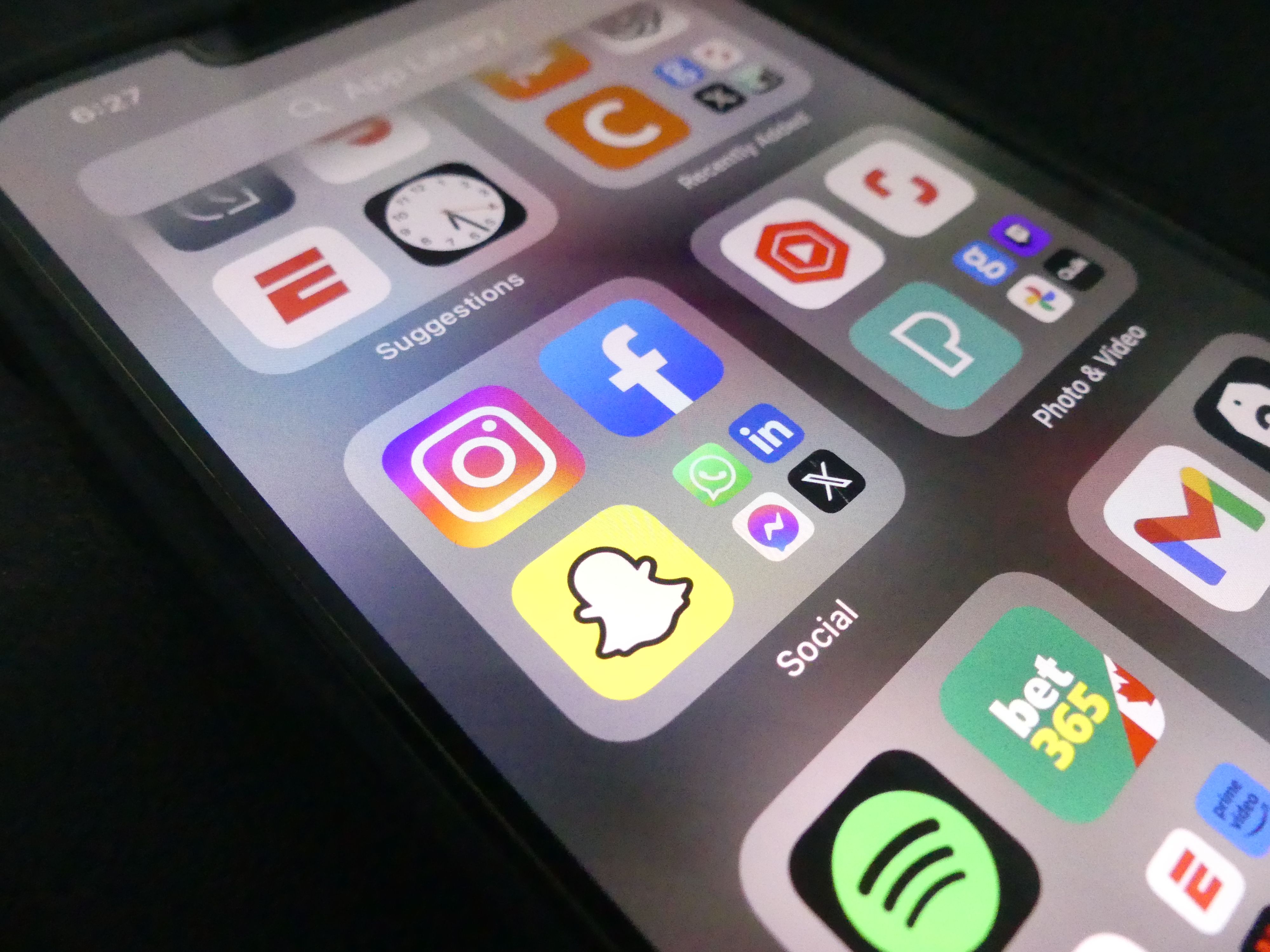
Snap Inc. has confirmed its direct revenue business has reached a $1 billion annual run rate, driven primarily by Snapchat+ crossing 25 million paying subscribers. For dating operators watching their own subscribers churn through successive price rises and feature gates, the question is straightforward: what's Snap doing that Tinder isn't? The timing matters as most platform subscription experiments launched during the 2022 scramble for non-advertising revenue fizzled whilst Snapchat+ delivered consistent quarterly growth.

According to the company's 18 February announcement, the product has delivered consistent quarterly subscriber growth since launch. The service offers custom app icons, priority story replies, and early feature access—cosmetic perks layered atop a fully functional free product. Most major platforms with MAU counts above 50 million discovered subscriptions simultaneously, but few sustained meaningful traction.
Snapchat's subscription model is everything dating apps claim to want but struggle to execute: a premium tier that feels like a flex, not a ransom.
Whilst Tinder and Bumble lock core functionality behind paywalls—unlimited swipes, rewinds, seeing who liked you—Snapchat+ sells status and novelty without breaking the free experience. The model works because it doesn't punish non-payers. Dating operators have spent three years hiking prices and trimming free features, then wonder why conversion rates stall and App Store reviews turn caustic.
Create a free account
Unlock unlimited access and get the weekly briefing delivered to your inbox.
Subscriptions as a hedge against plateau
The $1 billion run rate arrives as Snap confronts a problem intimately familiar to Match Group and Bumble: saturated core markets. User growth has plateaued across the U.S. and EU, Snap's primary geographies. The company's predominantly Gen Z and younger millennial base presents retention challenges as users age out of the platform's core use cases.
Dating apps hit this wall years ago. Match's paying subscriber count peaked at 16.3 million in Q1 2021, then declined for eight consecutive quarters before stabilising. Bumble's paying user growth decelerated from 38% year-on-year in 2021 to low single digits by 2023.
Both responded with price increases—Tinder Gold jumped from $9.99 to $14.99 monthly in key markets; Bumble Premium climbed to $39.99. Revenue per payer rose. Subscriber counts didn't.

Snap's trajectory suggests an alternative. Rather than extracting more from a shrinking pool, Snapchat+ expanded the pool. The product converted 25 million users who were already engaged but previously contributed zero direct revenue.
For context, that subscriber figure sits between Tinder's estimated 10-12 million paying users and the entire premium subscriber base across all Match brands, which totalled 14.9 million as of Q3 2025. The $1 billion run rate includes revenue from Lens+ and Memories storage plans, though Snap identifies Snapchat+ as the primary driver. Even assuming Snapchat+ represents just 70% of that total, the product would be generating approximately $700 million annually—more than Grindr's entire 2024 revenue of $316 million and roughly half of Bumble's $953 million in direct revenue reported for the same period.
What justifies a subscription when swiping is free?
Dating apps and social platforms face similar monetisation challenges but solve them differently. Both rely on network effects, target younger demographics sceptical of paywalls, and compete with free alternatives. The divergence lies in what they choose to lock away.
Tinder, Hinge, and Bumble gate functionality that users consider core to the experience: seeing who liked them, unlimited right swipes, the ability to undo a mistaken left swipe. These aren't luxuries—they're the mechanics of the product working as users expect it should. The pitch is inherently negative: pay us or stay frustrated.
Snapchat+ sells additions, not removals of pain points. Custom app icons and exclusive Bitmoji backgrounds offer no competitive advantage in connecting with friends. Priority story replies might surface your message faster, but the free tier still delivers it.
The entire model operates on positive differentiation—subscribers get extra, non-subscribers aren't hobbled.
Dating operators argue their economics differ. Connection is zero-sum in a way that messaging isn't. If one user gets unlimited likes and another gets five per day, the paying user genuinely receives more opportunity to match.
But that framing ignores how Gen Z actually behaves on paid platforms. Analysis from Sensor Tower shows Snapchat+ subscribers skew 18-24, precisely the cohort dating apps claim won't pay. They will—if the value proposition doesn't feel punitive.
Roblox generates $3 billion annually selling virtual outfits. Fortnite built a $5.8 billion business on cosmetic skins. Discord Nitro crossed 1 million paying subscribers offering custom emojis and profile badges. None of these products charge users to access their primary function.
Dating apps have experimented with cosmetic monetisation. Tinder's à la carte Boost and Super Like products generated meaningful revenue before being bundled into subscriptions. Bumble's Compliments feature, allowing users to attach a message to a like, launched as a standalone purchase.
But these remain secondary to the core subscription model, which still depends on restricting basic functionality. The industry has doubled down on extraction rather than expansion.
What operators should watch
Snap's announcement sidesteps a critical detail: retention. The company disclosed subscriber count and revenue run rate but offered no cohort analysis, monthly churn figures, or lifetime value data. For all its growth, Snapchat+ could be cycling through subscribers every four months and replacing them with new signups.
Dating apps publish retention data because investors demand it. Bumble reported a 94% annual retention rate for paying users in its 2021 IPO filing. Match doesn't break out retention by brand but disclosed an average subscriber tenure of 5.6 months for Tinder in 2022 analyst presentations.
Regulatory tailwinds may also be boosting Snap's subscription push. The EU Digital Services Act and incoming Online Safety Act compliance costs fall heavily on advertising businesses, which must invest in content moderation, transparency reporting, and age verification infrastructure. Subscriptions carry lighter regulatory burdens.
The broader shift matters for M&A and valuations. Subscription businesses command higher multiples than advertising-dependent platforms. Snap's direct revenue crossing $1 billion could reframe how investors value the company, particularly if it demonstrates the business can grow revenue without growing MAUs.
Match and Bumble already trade primarily on subscription metrics—ARPU, payer penetration, retention—but both have seen multiples compress as growth slowed. Snap's model, if sustainable, suggests a pathway to reacceleration without the user acquisition costs that have squeezed dating app margins.
The lesson for dating operators isn't to copy Snapchat+ feature-for-feature. It's to reconsider what a subscription should buy. For three years, the industry response to slowing growth has been to raise prices and restrict free tiers further.
Snap went the opposite direction: keep the core free, sell the extras, convert millions who'd never have paid otherwise. Whether that's replicable in a market where the core product is inherently scarce remains the open question.
Key Takeaways
- •Dating app operators should evaluate cosmetic monetisation models that sell status rather than paywalling core features like matching and messaging to prevent subscriber churn.
- •Investors should monitor retention metrics and lifetime value data across social platforms, as subscriber growth without disclosed churn figures may obscure underlying customer decay.
- •Regulatory burdens under the EU Digital Services Act and UK Online Safety Act may incentivise platforms to diversify from advertising into direct subscription models.
Frequently Asked Questions
Financial Intelligence Desk
The DII Financial Intelligence Desk covers earnings, valuations, funding and the financial performance of the global online dating industry.
Comments
Join the discussion
Industry professionals share insights, challenge assumptions, and connect with peers. Sign in to add your voice.
Your comment is reviewed before publishing. No spam, no self-promotion.