AI Photos as Dealbreakers: Dating's New Trust Crisis
Key Points
- •A survey by eJuiceDB revealed that 56% of U.S. singles consider AI-generated or heavily edited profile photos to be a dating red flag.
- •Misleading or outdated photos are cited as a primary dealbreaker by 45% of Gen Z dating app users, compared to 24% overall.
- •Among respondents, 46% view AI-written messages negatively, whilst 41% state that matches looking significantly different in person destroys attraction immediately.
- •Match Group and Bumble have promoted AI features, but 38% of surveyed singles refuse to date individuals who simulate romance using AI chatbots.
Match Group spent years teaching singles to trust profile photos. That compact is now breaking. Digital natives increasingly expect real-time self-representation with the same rigour they expect personal hygiene, creating a trust threshold that product teams cannot design around.
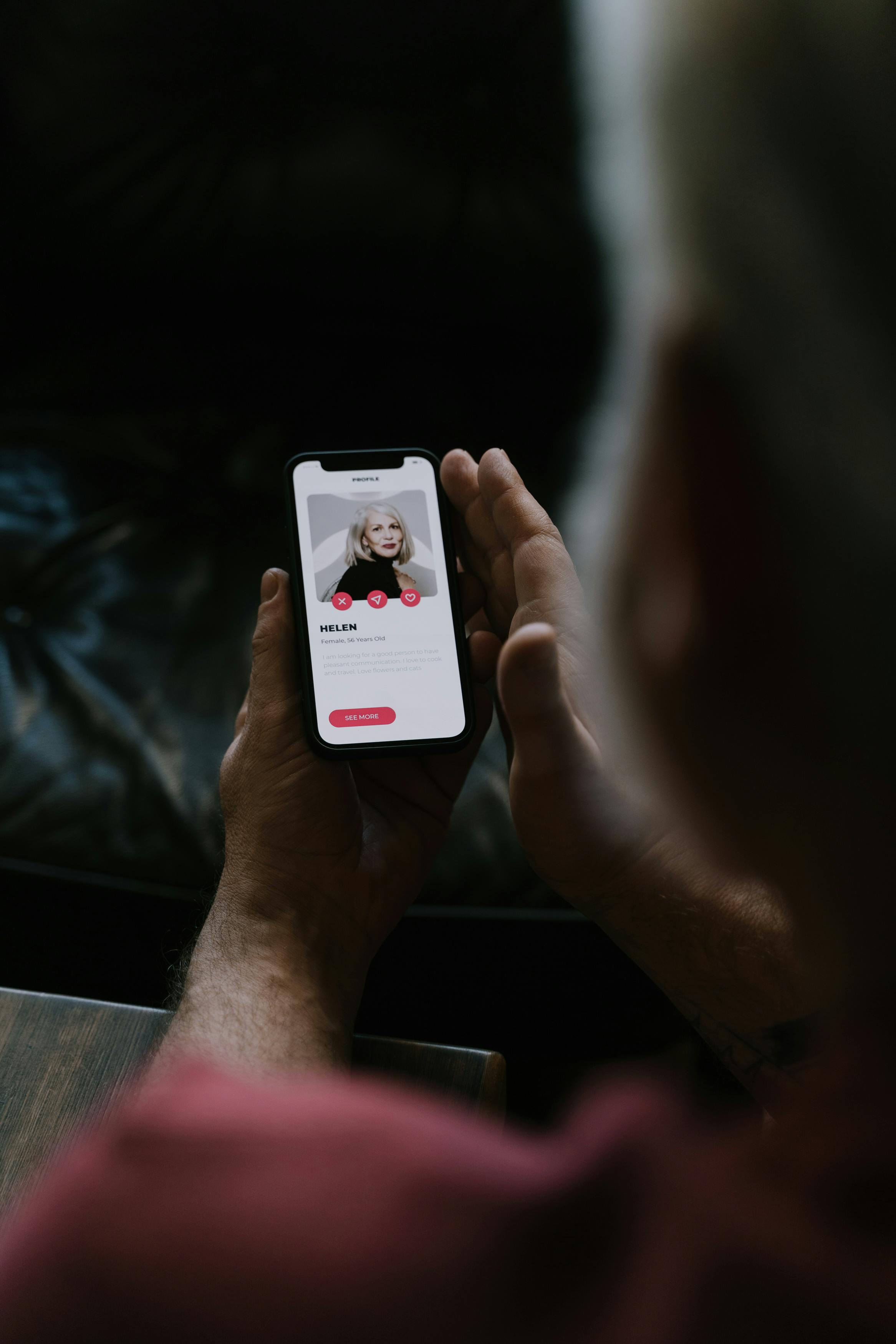
The shift is structural, not superficial. A quarter of respondents cite misleading or outdated photos as their single biggest dealbreaker, rising to 45% amongst Gen Z. When 41% report that looking significantly different in person kills attraction immediately, the issue stops being about vanity filters and becomes about foundational trust.

This matters because it creates a new trust threshold that product teams cannot design around. Verification tools and anti-catfishing features address fraud, not everyday photo optimism. The real challenge is that singles now interpret any gap between digital and physical presentation as a character flaw rather than marketing savvy.
Create a free account
Unlock unlimited access and get the weekly briefing delivered to your inbox.
Platforms that built themselves on aspirational self-presentation now face members who view aspiration as deception. That's not a feature problem—it's a cultural realignment.
The Gender and Generational Divide
Women flag poor hygiene as a dealbreaker at 72%, compared with 64% of men. They're more likely to reject rudeness to service staff (73% versus 61%) and negative social media conduct (58% against 42%). The pattern holds across categories: women consistently identify more behaviours as disqualifying.
The interpretation cuts two ways. Either women face higher baseline risk in dating encounters and calibrate accordingly, or tolerance thresholds genuinely differ by gender. What's commercially relevant is that female subscribers—the demographic most platforms compete hardest to retain—now hold matches to a dual standard spanning both physical behaviour and digital conduct.
Gen Z's 45% rejection rate for outdated photos, nearly double the 24% average, signals something more fundamental than fussiness. This cohort grew up with Snapchat streaks and Instagram Stories, formats that prize immediacy over curation. They expect profiles to reflect present reality, not a greatest-hits compilation from 2019.
When AI Becomes a Character Flaw
The survey found that 46% view AI-written messages as a red flag, whilst 38% wouldn't date someone who's simulated romance with AI chatbots. Both figures skew higher amongst women and older cohorts. Bumble and Match have spent the past year positioning AI assistants as productivity tools for overwhelmed singles.
This data suggests their target users may interpret AI adoption as evidence of emotional unavailability rather than efficiency. The contradiction is revealing. Singles report wanting emotional presence (57%) and genuine curiosity (54%) whilst simultaneously drowning in choice and seeking vetting shortcuts.
The industry's bet on AI tooling assumes members will embrace augmentation. This research suggests they may instead view it as proof a match isn't sufficiently invested to type their own sentences.
There's a methodological caveat worth noting. eJuiceDB provided no detail on survey methodology, margin of error, or how 'actively dating' was defined. Sample selection matters enormously when extrapolating to the 40 million Americans using dating platforms monthly.
The Operational Reality for Platforms
Product teams now face misaligned incentives. Platforms profit when members stay engaged, which means showcasing users at their most attractive. Members increasingly define attractiveness as accuracy. Features like photo verification—already standard on Tinder, Bumble, and Hinge—address bot accounts and catfishing, not the 3kg weight fluctuation or the haircut from last month.
The survey found 39% flag excessive selfies or attention-seeking content as red flags. Platforms surface profiles algorithmically based partly on engagement signals. High-posting, visually active users generate more data points and often rank higher in stacks. If those same behaviours now signal narcissism rather than desirability, the algorithm and the member base want different things.
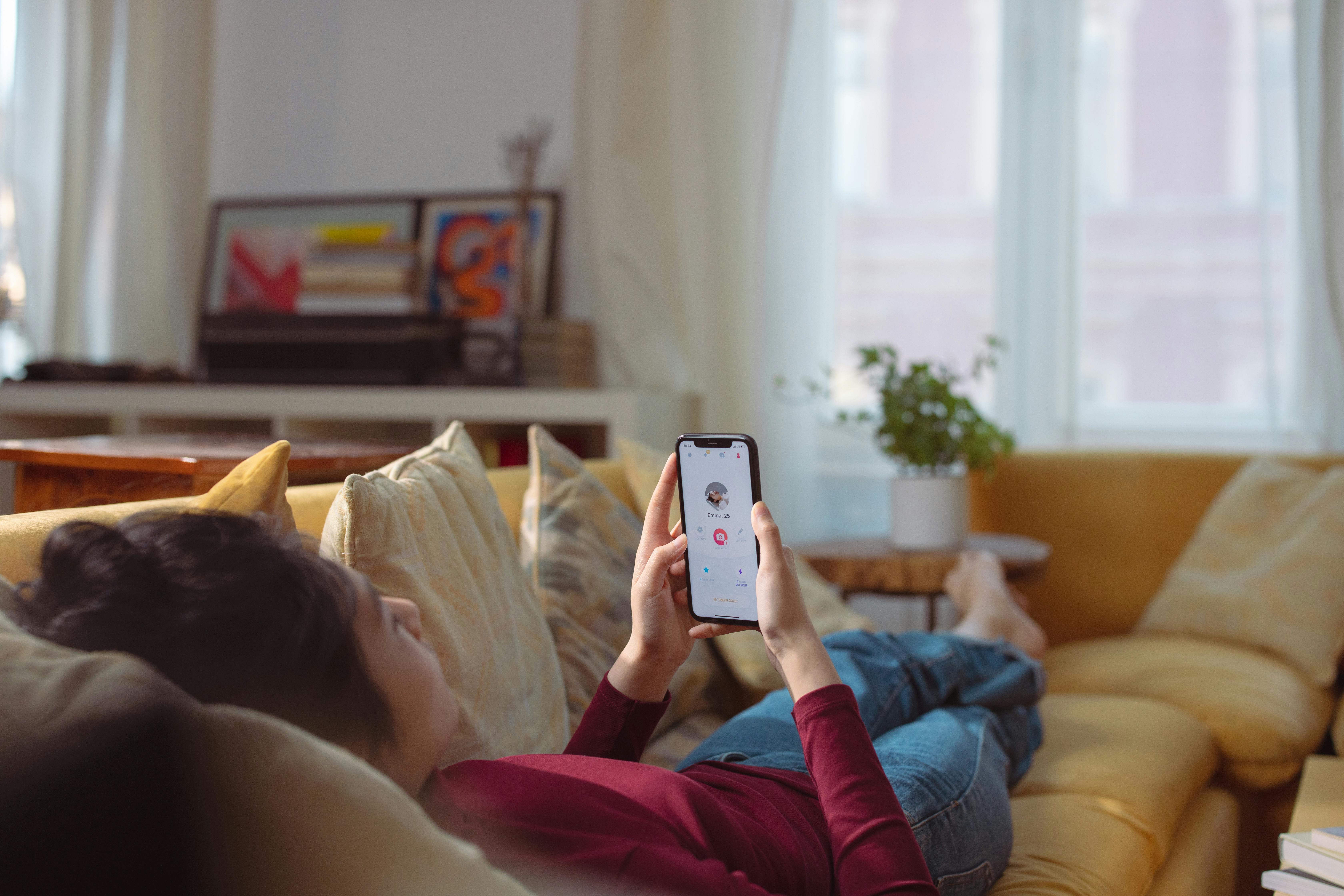
Trust and safety teams, already stretched managing harassment and fraud, now confront a cultural expectation that photos represent current reality within some undefined tolerance band. That's not a policy you can write or a feature you can ship. It's a community norm that platforms can influence but not control.
What This Signals About Dating Culture
The simultaneous rejection of AI assistance and demand for green flags like emotional presence points to exhaustion with optimisation itself. Respondents want partners who show up—literally and digitally. The 51% who cite last-minute flaking as a dealbreaker and the 63% rejecting anyone who repeatedly mentions an ex are describing a dating culture where flakiness and emotional unavailability have become endemic enough to warrant explicit screening.
Platforms spent a decade teaching singles to treat dating like e-commerce: maximise optionality, optimise presentation, iterate quickly. Members seem to be pushing back, redefining authenticity as the ultimate differentiator in an oversupplied market. When 60% reject matches who rely heavily on astrology and 48% flag those fixating on online drama, they're selecting for stability and presence over quirk and personality signalling.
The business implication is uncomfortable. If members increasingly value real-world congruence over profile optimisation, platforms that monetise through enhanced visibility and presentation tools—boost, super likes, profile prompts designed to showcase personality—are selling solutions to a problem their users no longer want solved. They want fewer, better matches who look like their photos and respond with their own words.
Operators should watch whether photo update frequency becomes a visible trust signal, similar to response rates or verification badges. Hinge's 'Most Compatible' already tries to surface meaningful alignment over surface attraction. If digital authenticity becomes the new competitive axis, we'll see more features rewarding recent uploads and penalising stale profiles—even if that shrinks the effective user base and pressures growth metrics.
Key Takeaways
- •Dating app operators face a structural misalignment between traditional profile optimisation monetisation models and a growing consumer demand for real-time authenticity.
- •Platform strategy teams must recognise that AI assistance tools risk signalling emotional unavailability to users rather than providing valuable productivity enhancements.
- •Product development teams may need to introduce photo recency indicators to satisfy user expectations, even if penalising stale profiles temporarily dampens growth metrics.
Frequently Asked Questions
Data & Analytics Desk
The DII Data Team maintains the publication's trackers, market data and analytical reference hubs for the online dating industry.
Comments
Join the discussion
Industry professionals share insights, challenge assumptions, and connect with peers. Sign in to add your voice.
Your comment is reviewed before publishing. No spam, no self-promotion.