
- 46% of 7,500 female respondents on QuackQuack claim dating apps feel safer than meeting potential partners in person
- QuackQuack reports a 12% increase in female users over the past two years
- 29% of respondents from smaller urban centres cited anonymity from societal judgement as a key benefit
- Survey conducted by QuackQuack on its own user base, raising questions about methodological independence
QuackQuack, an Indian dating platform, published survey data this week claiming that 46% of its 7,500 female respondents consider dating apps safer than meeting potential partners in person. The platform also disclosed a 12% increase in female users over the past two years. Behind the headline sits a more uncomfortable question: what does it mean when women report feeling safer meeting strangers through an app than they do navigating public spaces?
The survey, commissioned and published by QuackQuack itself, reflects a growing sentiment in India's tier 1, 2, and 3 cities. According to the company, 29% of respondents from smaller urban centres cited anonymity from societal judgement as a key benefit. The findings arrive as India's dating app market continues its expansion, with Match Group (MTCH) properties like Tinder competing against Bumble (BMBL) and local platforms for market share in a country where cultural attitudes toward dating remain in flux.
The DII Take
This is marketing dressed as research, and the safety claim warrants significant scrutiny.
QuackQuack surveyed its own user base about its own platform, then broadcast a finding that conveniently positions dating apps as the solution to women's safety concerns. The reality is more complex: dating apps haven't solved the safety problem, they've simply moved the risk assessment earlier in the interaction chain. What the data actually reveals is how unsafe women feel in public spaces—and how effectively platforms have marketed verification theatre as a proxy for genuine protection.
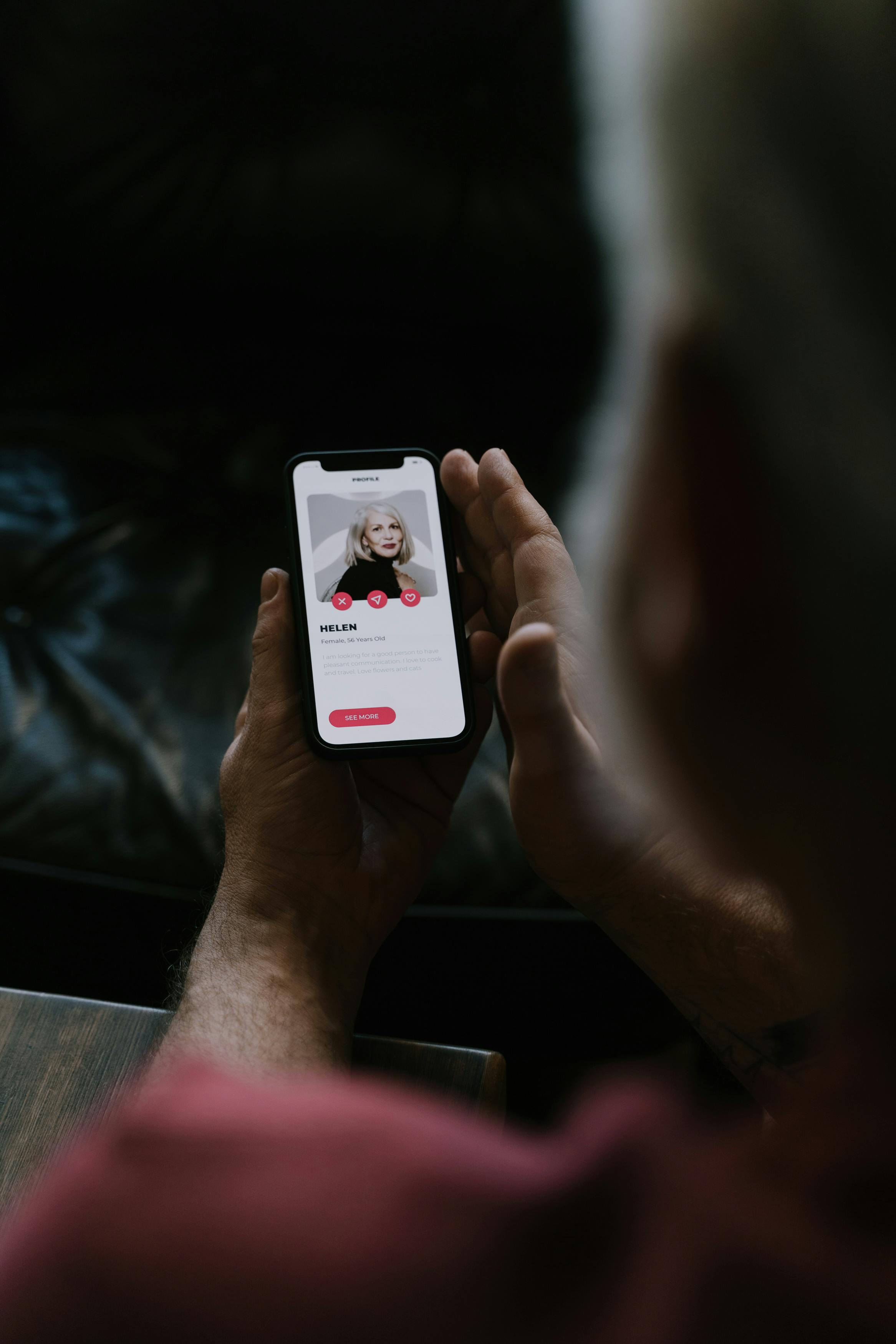
The verification problem
Dating platforms operating in India have made safety features central to their positioning. Bumble requires photo verification and gives women control over who initiates conversation. Tinder introduced video chat and background checks in select markets. QuackQuack itself offers profile verification and an 'unmatch' function that removes chat history.
But verification systems confirm identity, not intent. A blue tick tells you someone is who they claim to be. It doesn't tell you whether they're safe to meet. The distinction matters, particularly in a market where high-profile cases of violence—including incidents involving dating app users—have generated sustained media attention.
The perceived safety advantage likely stems from control rather than actual risk reduction. Apps allow women to screen matches, control the pace of conversation, and maintain anonymity until they choose to share personal details. That's meaningful. Meeting someone at a family function or through professional networks offers no such filtering.
The same platforms warning users never to share financial information or meet in private locations are simultaneously claiming to be safer than real-world encounters. The cognitive dissonance is deliberate.
Safety features function as trust signals that drive user acquisition, particularly among women whose participation determines whether a dating platform achieves the liquidity necessary to function.
What the data actually measures
QuackQuack's survey reveals more about women's experience of public space in India than it does about the relative safety of dating apps. When 46% of respondents report feeling safer meeting strangers through a platform than through traditional channels, they're describing the baseline risk they perceive in everyday interactions.
The 29% citing anonymity from societal judgement in tier 2 and 3 cities speaks to a different safety concern entirely—protection from family, community, and cultural expectations rather than physical safety. In markets where dating remains socially contentious, apps provide plausible deniability and separation from social networks. That's not safety theatre; that's a genuine use case.

What's missing from QuackQuack's data is any comparative incident analysis. Dating apps don't typically disclose assault reports, harassment rates, or trust and safety intervention volumes. Neither do they benchmark these figures against offline dating contexts, making the 'safer than real life' claim impossible to verify independently.
Trust and safety teams at major dating platforms will tell you privately that risk doesn't disappear when you move interactions online—it transforms. Catfishing, financial fraud, and harassment migrate to digital channels. Physical risk is deferred, not eliminated, because eventually most dating app conversations aim toward an in-person meeting.
The competitive implications
For operators, the survey data—self-serving as it is—points to a central tension in the Indian market. Platforms need female users to achieve balanced gender ratios, but women face both safety concerns and social stigma when using dating apps. Those that solve for one without addressing the other will struggle.
Bumble's women-first positioning and verification requirements target this dynamic directly. Tinder's scale offers a different value proposition: more users theoretically means better matches, though it also means managing greater volumes of problematic behaviour. Local platforms like QuackQuack compete by claiming cultural understanding and market-specific safety features.
The challenge for all of them is that safety features carry costs. Verification systems require moderation resources. Background checks require partnerships with data providers. Building trust and safety teams capable of operating across multiple languages and cultural contexts requires sustained investment, and the Indian market hasn't yet demonstrated the ARPU levels that make those costs easily sustainable.

Match Group's Tinder operates in India but doesn't break out regional safety investment in its earnings disclosures. Bumble has been more vocal about verification requirements but doesn't publish regional incident data. Neither reports safety metrics in a way that would allow investors or users to assess whether one platform is genuinely safer than another.
What happens next
India's dating app market will continue growing, driven by smartphone penetration, urbanisation, and gradual cultural shifts around dating. Female adoption remains the constraining factor. Platforms that build genuine safety infrastructure—not just verification badges—will have a competitive advantage, assuming they can communicate that investment effectively.
Regulation may eventually force the conversation. The UK Online Safety Act (OSA) requires platforms to prevent users from encountering illegal content and to protect users from harmful material. Similar frameworks could emerge in India, particularly if high-profile incidents generate political pressure. When that happens, 'safety' will shift from marketing claim to compliance requirement, with associated costs and disclosure obligations.
For dating operators watching the Indian market, QuackQuack's survey is less useful as safety data than as a signal of user concern. Women are telling platforms that safety matters. Whether apps are responding with genuine infrastructure or simply better marketing will determine which ones build sustainable businesses—and which ones eventually face uncomfortable questions when the data catches up with the claims.
- The survey reveals less about dating app safety and more about how unsafe women feel in public spaces in India—the 46% figure is a commentary on baseline risk, not platform effectiveness
- Verification systems confirm identity, not intent, and no platform publishes comparative incident data or safety metrics that would allow independent assessment of their claims
- Watch for potential regulatory intervention similar to the UK's Online Safety Act, which could force platforms to shift from marketing safety features to demonstrating genuine infrastructure investment and compliance