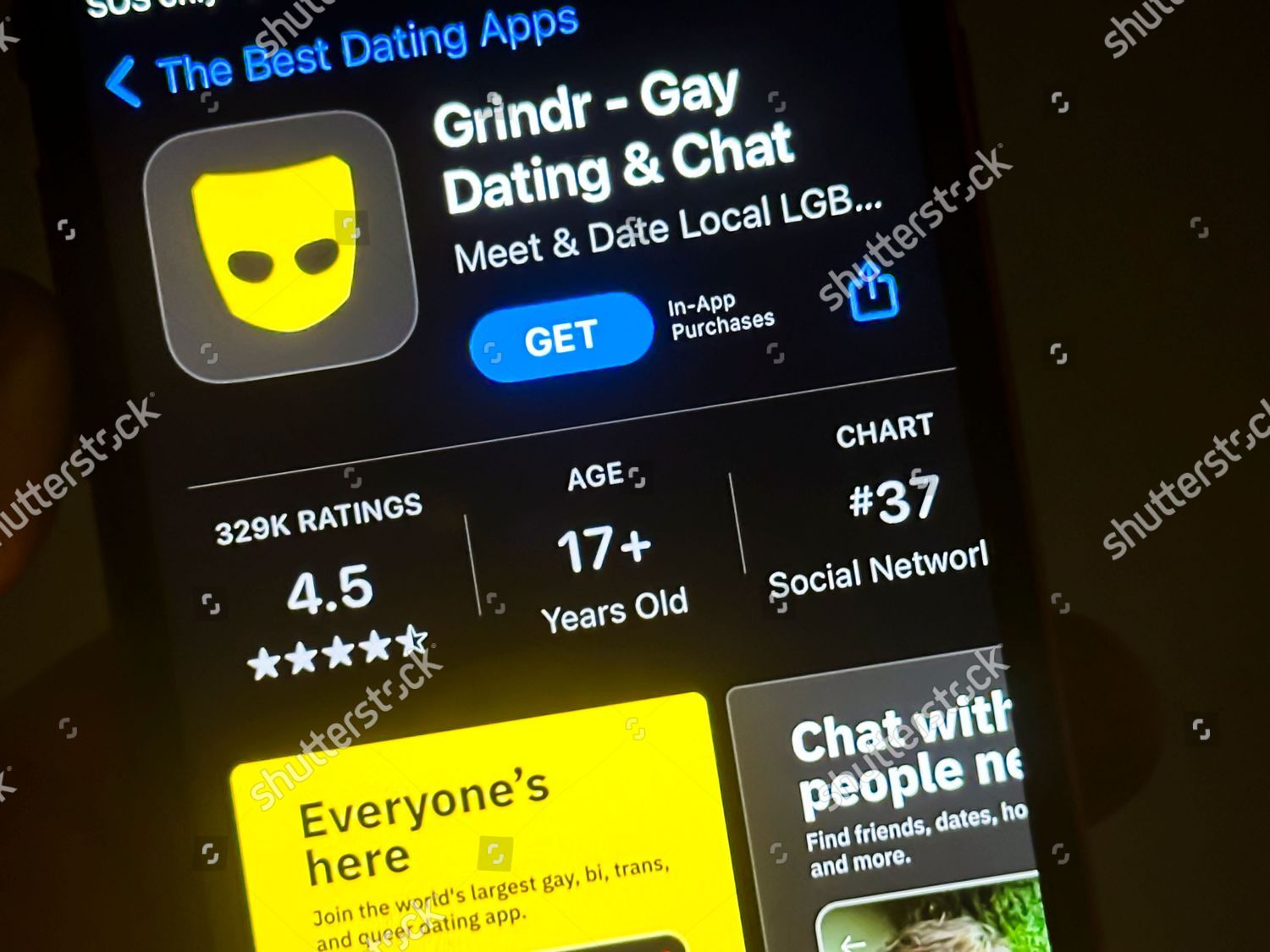
Grindr's AI Rollout: A Cost Containment Strategy, Not Innovation
Key Points
- •Grindr is deploying its A-List AI conversation summary feature to 25% of Unlimited tier subscribers, reaching approximately 2.5% of total subscribers.
- •Grindr reduced its AI infrastructure costs by 50% after migrating from Ex-human Inc. to Anthropic Claude models hosted on Amazon Web Services infrastructure.
- •According to Grindr's fourth-quarter 2024 earnings report, the Unlimited subscription tier represents approximately 10% of the platform's total subscriber base.
- •A February 2025 Pew Research study revealed that 64% of dating app users were uncomfortable with artificial intelligence analysing their personal conversations.
Grindr's new AI-powered conversation summary feature is rolling out to just a quarter of its premium subscribers, a deployment strategy that reveals the uncomfortable economics of artificial intelligence in the dating industry. The limited launch follows a 50% reduction in AI infrastructure costs, yet even with those savings, the company cannot justify offering the tool across its entire subscriber base. When AI ambitions collide with compute costs, this is what constrained deployment looks like.

The maths tells the story. Chief executive George Arison disclosed that Grindr has cut its AI spending in half by migrating from Ex-human Inc. to Anthropic's Claude models running on Amazon Web Services infrastructure. That cost reduction was apparently significant enough to warrant an investor call in March. But the company still felt compelled to limit access to a fraction of its Unlimited tier subscribers—the platform's highest-paying segment.
The 25% figure isn't a beta test—it's a cost containment strategy dressed up as product iteration.
The Infrastructure Economics Shaping Dating AI
Grindr's cautious rollout exposes the central tension in the dating industry's AI pivot: the features platforms are building require compute resources that make broad deployment economically painful. Every operator is facing this calculation, but Grindr is being unusually transparent about it. Watch for Match Group and Bumble to adopt similar tiered AI access models as they roll out their own LLM-powered features.
Create a free account
Unlock unlimited access and get the weekly briefing delivered to your inbox.
The two-tier dating ecosystem is here, and it's being built on infrastructure costs rather than user experience logic. A-List analyses users' conversations to generate summaries and suggest compatible profiles based on messaging history. According to Arison, speaking to investors earlier this year, the goal is to 'use AI to remove hurdles that prevent real connections and meaningful relationships.' The feature pulls from users' messaging histories to identify conversational patterns, shared interests, and communication styles.
It's essentially a personalised relationship CRM powered by a large language model. The technical architecture matters. Grindr previously ran its AI features on Ex-human Inc.'s infrastructure—a relatively obscure provider in the AI stack landscape. The switch to Anthropic's Claude represents a bet on more established, enterprise-grade models with better privacy frameworks.
Privacy Considerations and Regulatory Positioning
Arison characterised the migration as a 'privacy-conscious decision', a claim that carries particular weight given Grindr's troubled data protection history. The platform faced significant backlash in 2018 after reports revealed it shared users' HIV status with third-party advertising partners. A 2020 Norwegian Data Protection Authority investigation found similar issues with location data sharing, resulting in regulatory scrutiny that continues to shape the company's compliance posture.
That context makes AWS and Anthropic attractive partners. Both offer SOC 2 Type II compliance, GDPR frameworks, and data residency controls that smaller AI providers often can't match. Whether that translates to actual privacy improvements depends entirely on implementation—AWS infrastructure doesn't automatically make a product privacy-preserving—but it signals Grindr is building for regulatory scrutiny rather than just feature velocity.
The Premium Paywall Strategy
Limiting A-List to Unlimited subscribers follows an emerging industry pattern. Bumble has gated its AI-powered opening line suggestions behind its Premium+ tier, which costs $59.99 per month. Hinge, owned by Match Group, charges for its 'Most Compatible' AI-driven daily recommendation. Match.com's 'AskMatch' AI dating assistant is exclusive to Premium subscribers.
For a feature positioned as a 'meaningful relationship' driver, the addressable audience is strikingly narrow.
The playbook is consistent: build AI features, absorb compute costs through premium pricing, and hope conversion rates justify the infrastructure spend. Grindr's Unlimited tier represents roughly 10% of the platform's subscriber base, according to figures disclosed in the company's Q4 2024 earnings report. Rolling out to 25% of that segment means A-List is reaching approximately 2.5% of total subscribers in this initial phase.
The company plans to expand access based on 'user feedback and performance metrics', according to Arison. Translation: if A-List drives measurable engagement improvements that offset compute costs, the rollout accelerates. If the unit economics don't work, the feature remains a premium perk rather than a platform-wide tool. This is product development through financial constraint.

What Rivals Are Watching
Match Group's recent earnings call included multiple references to 'responsible AI deployment' and 'measured rollout strategies'—language that suggests similar cost concerns are shaping product roadmaps across the portfolio. Bumble's chief product officer told analysts in February that the company is 'evaluating compute costs against engagement lift' for its AI features. Nobody is rushing to make these tools universally available.
The competitive dynamic is peculiar. Grindr is essentially telegraphing that AI features are expensive enough to require aggressive gating, which gives rivals permission to do the same. There's no race to offer AI matching to all users because the cost structure doesn't support it. Instead, the competition centres on which platform can extract the most revenue from AI-curious subscribers willing to pay for access.
What's unclear is whether users actually want AI mediation in their dating experience. Early surveys suggest scepticism. A February 2025 study from Pew Research found that 64% of dating app users were 'uncomfortable' with AI analysing their conversations, and 71% said AI recommendations would make them 'less confident' in their matches. Operators are building AI features because investors expect innovation and because the technology is available.
The Investment Timing Question
The timing of Grindr's AI investment also deserves scrutiny. The company went public via SPAC merger in 2022 at a $2.1B valuation, then saw shares surge 150% through 2024 on the back of strong subscriber growth and EBITDA margin expansion. That success creates pressure to maintain momentum, and AI features offer a narrative that satisfies growth-hungry investors.
But narrative and product-market fit aren't the same thing, and costly AI tools that only 2.5% of users can access aren't driving meaningful engagement metrics. Grindr's next earnings report, scheduled for May, will be the first test of whether A-List influences subscriber retention or Unlimited tier conversion. Until then, the industry is watching to see if the company's infrastructure cost reduction translates to financial justification for broader deployment.
If Grindr can't make the economics work with halved AI costs and premium pricing, it's hard to see how smaller operators with weaker balance sheets will justify similar investments. The dating industry's AI future may be far more limited than the current hype suggests.
Key Takeaways
- •High compute costs associated with large language models force dating app operators like Grindr, Match Group, and Bumble to restrict artificial intelligence features behind high-tier subscriptions.
- •Grindr's migration to Amazon Web Services and Anthropic demonstrates how dating platforms are prioritising SOC 2 Type II and GDPR compliance to withstand regulatory scrutiny regarding user privacy.
- •Dating industry investors must monitor whether Grindr's AI deployment drives measurable Unlimited tier conversions to determine if large language model features justify high compute costs.
Frequently Asked Questions
Financial Intelligence Desk
The DII Financial Intelligence Desk covers earnings, valuations, funding and the financial performance of the global online dating industry.
Comments
Join the discussion
Industry professionals share insights, challenge assumptions, and connect with peers. Sign in to add your voice.
Your comment is reviewed before publishing. No spam, no self-promotion.