
Match Group's SPARKS 2025 Is a Structured Bet on Tinder's Relevance
Key Points
- •Match Group will host its first standalone product event, SPARKS 2025, on 12 March 2025 to focus exclusively on Tinder's product roadmap.
- •In Q3 2024, Tinder's revenue grew 1% year-over-year to $503 million, whereas Match Group's Hinge app grew revenue by 36% to $145 million.
- •Tinder's paying user base remained flat at approximately 10 million subscribers throughout 2024, relying on price increases to generate revenue growth.
- •Bumble announced a strategic reset in November 2024 under founder Whitney Wolfe Herd, featuring a complete app redesign scheduled for early 2025.
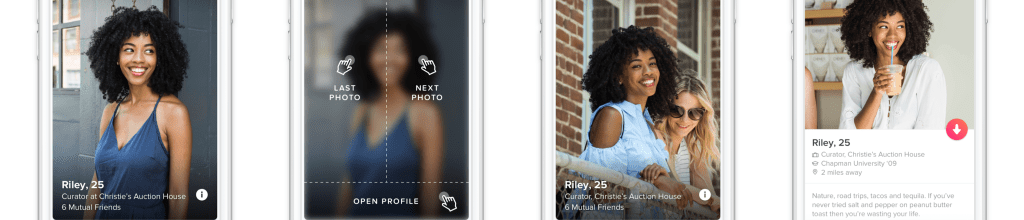
Match Group has scheduled its first-ever standalone product event for 12 March 2025, a significant departure for a company that's spent two decades announcing features through earnings calls, press releases, and the occasional blog post. The event, branded 'SPARKS 2025', will focus exclusively on Tinder's product roadmap—a choice that signals both how much pressure the flagship app is under and how urgently Match needs to control the narrative around its recovery. This isn't how Match Group typically operates, and a dedicated product showcase suggests Match has something substantial to announce—or at least needs investors and the market to believe it does.

Match Group doesn't do theatre without reason, and the timing here is telling. Tinder's revenue growth has stalled, Hinge is cannibalising its more serious users, and Bumble is aggressively repositioning after its own leadership reset. This event is as much about investor confidence as it is about product.
The question isn't whether Match will announce new features—it's whether those features can actually reverse Tinder's slide from cultural phenomenon to plateau incumbent.
What's driving the shift to product spectacle
The move mirrors tactics from Apple, Meta, and other consumer tech giants that use controlled launch events to generate momentum and frame their own narrative before analysts and competitors pick it apart. Match has never needed this before. Tinder's dominance was self-evident for most of the past decade, and the company's portfolio strategy meant individual app updates rarely warranted company-wide attention.
Create a free account
Unlock unlimited access and get the weekly briefing delivered to your inbox.
That calculus has changed. According to Match's Q3 2024 results, Tinder's revenue grew just 1% year-over-year to $503M, whilst Hinge—still substantially smaller—grew 36% to $145M. The growth delta is stark, and it's happening inside Match's own portfolio. Tinder's paying user base has essentially flatlined, hovering around 10 million subscribers for the past year whilst average revenue per user inches up through price increases rather than engagement improvements.

CEO Bernard Kim has acknowledged the issue repeatedly on earnings calls, framing Tinder's challenges as an 'à la carte' problem: the app's transactional model encourages users to pay only when they need a boost, rather than committing to recurring subscriptions. Hinge, by contrast, benefits from relationship intent and longer consideration cycles that naturally drive subscription behaviour. Match's solution, telegraphed over the past two quarters, involves pushing Tinder towards 'relationship-seeking' positioning and rebuilding its product architecture around sustained engagement rather than swipe volume.
The competitive timing matters
Match isn't operating in a vacuum here. Bumble announced its own strategic reset in November 2024 under returning founder Whitney Wolfe Herd, promising a complete app redesign and a return to its differentiated positioning after years of feature drift towards Tinder. That redesign is expected to launch in phases through early 2025—directly overlapping with Match's event window.
Grindr continues to demonstrate that focused, well-monetised platforms can deliver consistent growth: the company reported 24% revenue growth and 26% subscriber growth in Q3 2024, showing what execution looks like when product and audience are tightly aligned. Match's event also arrives just ahead of its Q4 2024 earnings, typically scheduled for late January or early February. Hosting a product showcase in March creates a secondary narrative opportunity: if Q4 results disappoint, Match can point forward to the SPARKS announcements.
The branding choice—'SPARKS 2025'—blurs the line between corporate communications and consumer product marketing, suggesting Match wants this to feel like a relaunch, not an earnings supplement.
Using 'Sparks' (Tinder's term for matches) as the event name is itself revealing. Match has historically avoided consumer-facing event branding for its corporate updates, reserving that language for in-app features and marketing campaigns. Match wants this to feel like a relaunch, not an earnings supplement.
What operators should watch for
The substance of what Match announces will matter more than the spectacle. Tinder's core challenges—declining engagement among younger cohorts, pricing resistance, and commodification in a crowded market—require structural changes, not feature paint. If the SPARKS event focuses heavily on AI-powered recommendations, video integrations, or gamification layers without addressing Tinder's fundamental positioning problem, the market will see through it quickly.

What would constitute meaningful change? A subscription model overhaul that moves Tinder away from à la carte monetisation. Features that genuinely differentiate the app's experience for relationship-seekers versus casual daters, creating defensible segmentation. Transparency around retention and engagement metrics, not just payer growth. Evidence that Tinder can grow its user base, not just extract more revenue from a static cohort.
For rival operators, Match's shift towards product events creates a new competitive dynamic. If SPARKS becomes an annual fixture—and the branding suggests Match intends it to—smaller platforms will face increased pressure to generate their own narrative moments or risk getting drowned out. Bumble's already moving in this direction. Grindr has largely resisted, relying instead on consistent execution and financial performance to tell its story.
The broader implication is that Match Group, the industry's dominant consolidator and operator, no longer feels comfortable letting its results speak for themselves. That's a meaningful shift. Whether it's a sign of commercial pragmatism or underlying weakness will depend entirely on what gets announced on 12 March—and whether Tinder's numbers start moving again afterwards.
Key Takeaways
- •Match Group's decision to host a dedicated product showcase indicates that operators are under increasing pressure to shape investor narratives around platform recovery rather than relying solely on quarterly earnings updates.
- •Tinder's strategic pivot away from transaction-based à la carte monetisation towards relationship-seeking subscriptions presents competitors with a brief window to capture casual daters.
Frequently Asked Questions
Financial Intelligence Desk
The DII Financial Intelligence Desk covers earnings, valuations, funding and the financial performance of the global online dating industry.
Comments
Join the discussion
Industry professionals share insights, challenge assumptions, and connect with peers. Sign in to add your voice.
Your comment is reviewed before publishing. No spam, no self-promotion.


