Dating Apps Aren't Just for Matches. They're Social Utilities Now.
Key Points
- •A meta-synthesis of 21 qualitative studies published in Sexuality & Culture identified eight distinct motivations for using dating applications.
- •Research shows users access dating applications for entertainment, passing time, self-worth validation, ease of communication, curiosity, and social pressure alongside matchmaking.
- •Match Group generated 144M USD in advertising revenue in 2023, which accounted for less than five percent of its overall revenue.
- •LGBTQ+ demographics disproportionately utilise dating platforms as controlled disclosure environments to screen prospective matches for personal safety prior to offline meetings.
Dating platforms have spent years optimising for a single metric: successful matches. According to a meta-synthesis of 21 qualitative studies published in the journal Sexuality & Culture, they may be solving for the wrong variable. The research identifies eight distinct motivations for using dating apps—and finding a partner sits alongside passing time, entertainment, and satisfying curiosity.
The findings suggest dating apps have become something closer to general-purpose social utilities than the matchmaking services their business models assume. That gap between intended function and actual use has implications for everything from engagement strategy to trust and safety resourcing.
This isn't just an academic curiosity—it's a product strategy problem. If a material portion of your user base is logging on for entertainment or validation rather than dates, your entire funnel is measuring the wrong outcomes. The platforms that recognise this first and design for it explicitly will have a structural advantage over those still optimising for matches alone.
Create a free account
Unlock unlimited access and get the weekly briefing delivered to your inbox.
The LGBTQ+ safety finding is particularly significant: marginalised groups have essentially hacked dating apps into protective social tools, and platforms haven't monetised or even acknowledged this use case.
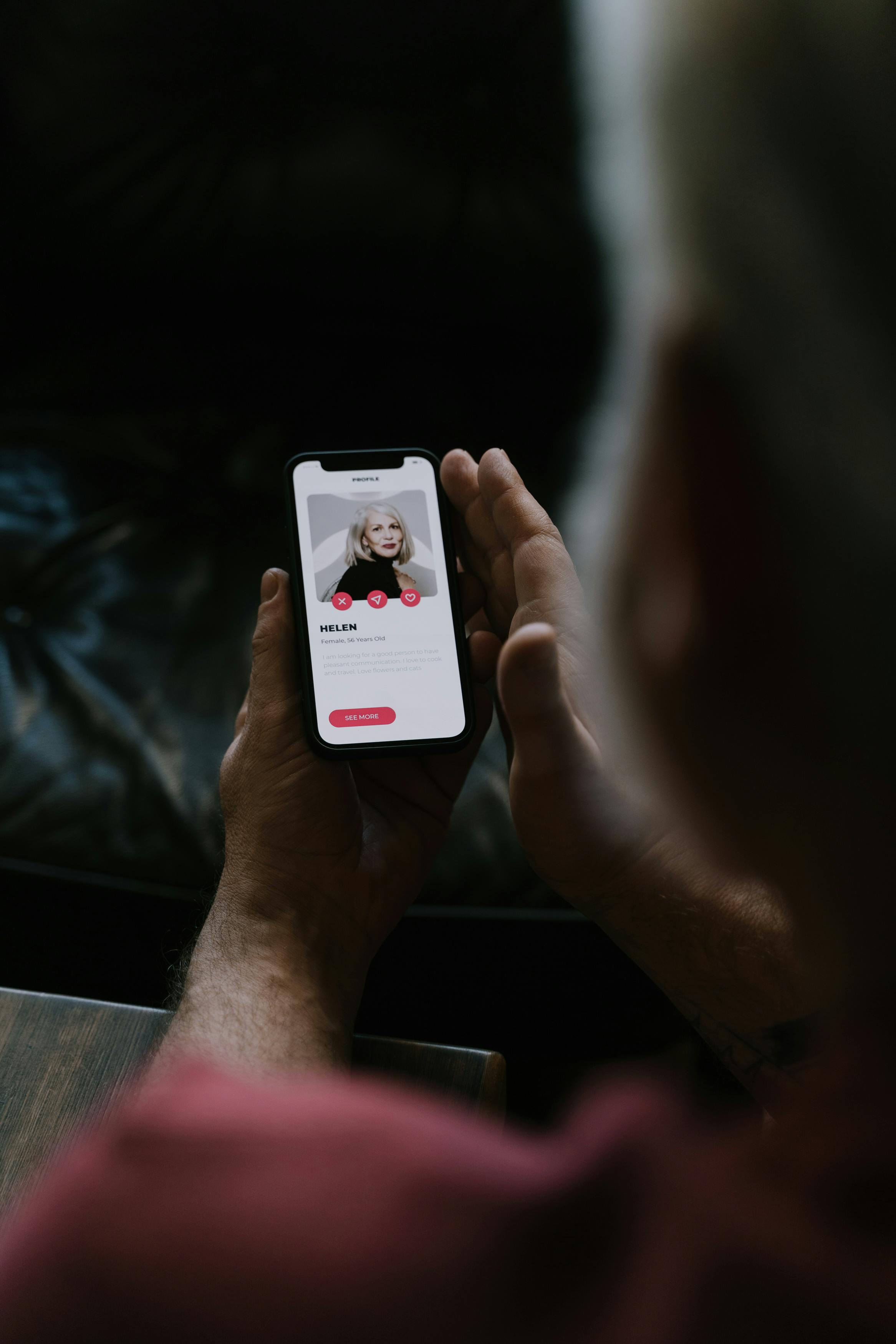
Eight reasons people swipe
The meta-synthesis, conducted by researchers at Johannes Gutenberg University Mainz, drew on studies covering dating app users across multiple demographics and geographies. Beyond the obvious motivations—love and sex—the analysis identified six others: entertainment, passing time, self-worth validation, ease of communication, curiosity, and social pressure.
Entertainment and time-killing emerged as particularly prevalent. Users described swiping as a pastime comparable to scrolling social media—low-commitment, mildly stimulating, easy to abandon. One participant quoted in the underlying studies described the experience as "like a game on your phone that you can play when you're bored."
That framing should concern operators. Games are addictive but ultimately disposable. They generate engagement but rarely subscription revenue. If users treat dating apps like Candy Crush, conversion to paid tiers becomes harder to justify.
The self-worth validation motivation cuts even deeper. Multiple studies within the meta-synthesis found users logging on simply to receive matches and messages, with no intention of meeting anyone. The dopamine hit comes from the notification, not the date. Platforms have inadvertently built feedback loops that reward engagement over outcome—and some users have learned to exploit them.
Safety as a feature, not just a function
The demographic variation reveals something platforms haven't fully reckoned with. According to the research, LGBTQ+ users disproportionately cited screening and safety as primary motivations for using apps. In environments where revealing sexual orientation or gender identity carries risk, dating apps function as controlled disclosure environments—a way to gauge interest and safety before any in-person interaction.
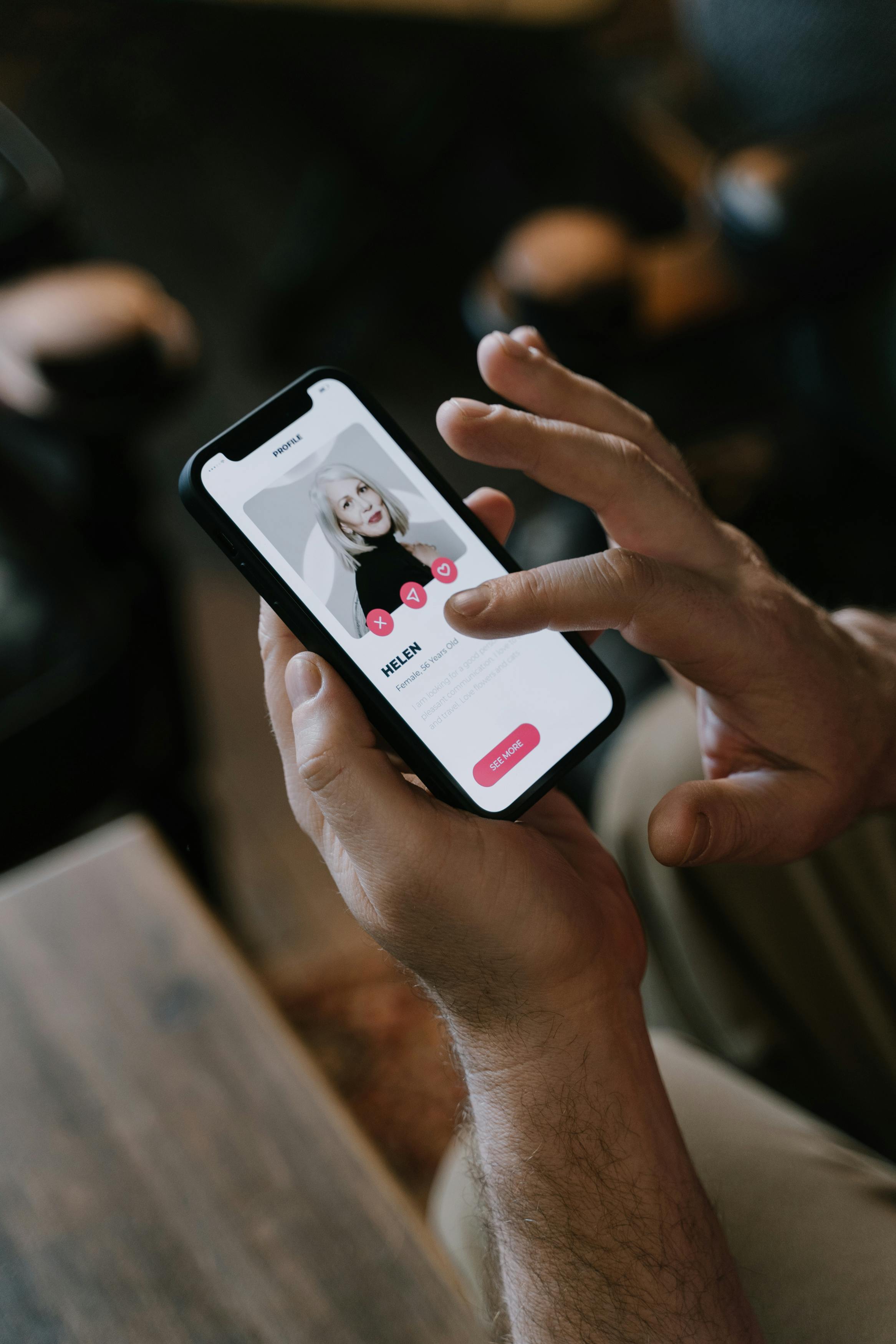
This isn't how platforms market themselves. Trust and safety teams focus on preventing harm within the platform; they rarely acknowledge that the platform itself serves as a harm-reduction tool in hostile offline contexts. There's an entire use case here that dating companies have stumbled into rather than designed for.
The business implication is straightforward: LGBTQ+ users aren't just a demographic segment with different preferences. They're using the core product differently, which means they respond to different features and tolerate different friction points. A verification feature that mainstream users see as invasive might be exactly what LGBTQ+ users need to feel safe enough to engage.
Most platforms still apply one-size-fits-all product design. Grindr is the obvious exception, having built its entire offering around the specific needs of gay and bisexual men.
The fact that Grindr trades at a significant premium to Bumble on a revenue multiple basis suggests investors understand the value of purpose-built products for specific communities.
The qualitative methods advantage
The study's methodology matters as much as its findings. Traditional dating app research relies on quantitative surveys where users tick boxes next to predetermined motivations. This meta-synthesis analysed open-ended interview data from 21 separate studies, capturing what people say when researchers aren't constraining their answers.
That approach explains why motivations like "social pressure" and "curiosity" emerged. Nobody admits to using dating apps because their friends pressured them on a multiple-choice survey. They do admit it in hour-long interviews.
The limitation: all 21 studies were published in English or Spanish, which skews the sample toward Western contexts. Motivations in markets like India, Japan, or Nigeria—where dating app adoption patterns differ significantly—may not match these findings. Match Group, which operates in 190 countries, cannot assume these eight motivations apply uniformly across its global footprint.
Still, the method provides a template. Dating platforms conduct endless quantitative user research but rarely invest in the kind of long-form qualitative work that reveals how people actually think about their products. If this meta-synthesis shows anything, it's that users are often smarter about your product than you are.
Design for reality, not intent
The strategic question becomes what platforms do with this information. One option: accept that dating apps serve multiple functions and design for all of them. That might mean separate modes within a single app—one for serious dating, one for casual browsing, one for entertainment. Bumble has gestured at this with Bumble BFF and Bumble Bizz, though both remain bolt-ons rather than integrated features.
Another option: lean into the engagement-driven model and accept lower conversion to paid subscriptions. That works if advertising revenue compensates, but dating apps have struggled to build meaningful ads businesses. Match Group disclosed total advertising revenue of just $144M in 2023 across its entire portfolio—less than 5% of total revenue.
The riskier path is ignoring the findings and continuing to optimise for matches. That's the implicit choice most platforms are making. Their algorithms prioritise connections, their marketing emphasises success stories, their product teams obsess over match rates. Meanwhile, a material portion of users logs on with no intention of meeting anyone.
What operators should watch: whether any major platform explicitly acknowledges these non-romantic use cases in product design or positioning. The first mover will either unlock a new engagement model or learn why platforms have instinctively avoided acknowledging that many users aren't there to date. Research has shown that users frequently disclose and detect non-romantic interests in these platforms, yet the business models haven't caught up. Either outcome would clarify what dating apps actually are—and whether their current business models match their actual function. Despite online dating becoming the most popular way couples meet, the disconnect between platform design and user behavior remains a fundamental strategic challenge.
Key Takeaways
- •Dating platform operators optimising exclusively for match rates risk misaligning product design with actual user engagement behaviours such as entertainment and self-worth validation.
- •Operators that design explicit safety features for LGBTQ+ users can serve an under-addressed market segment while improving user retention over generic platform models.
Frequently Asked Questions
Data & Analytics Desk
The DII Data Team maintains the publication's trackers, market data and analytical reference hubs for the online dating industry.
Comments
Join the discussion
Industry professionals share insights, challenge assumptions, and connect with peers. Sign in to add your voice.
Your comment is reviewed before publishing. No spam, no self-promotion.