Therapy Language Took Over Dating Apps. Members Are Starting to Push Back.
Key Points
- •A survey of 1,000 US adults by the Sylvia Brafman Mental Health Center revealed that 48 per cent of singles conceal mental health struggles early in dating.
- •Research shows 59 per cent of American dating app users experienced ghosting, rejection, or emotional distance from partners after disclosing mental health conditions.
- •Fifty-six per cent of Gen Z singles self-censor mental health details when dating, compared to just 19 per cent of Boomers.
- •Twenty-four per cent of surveyed US singles avoid potential partners who appear overly intense regarding mental health, whilst 21 per cent ended connections over overwhelming discourse.
Nearly half of singles strategically conceal mental health struggles in early dating despite the rise of therapy language across apps and first dates, according to new US research that exposes a deepening performance paradox in modern courtship. Figures from the Sylvia Brafman Mental Health Center reveal a disclosure dilemma: vulnerability is compulsory, but only to a point. Calibrate it wrong and you're out.
Data from a survey of 1,000 American adults who are actively dating show 48% of respondents hide, minimise, or defer discussion of their mental health early on to appear more dateable. Only 31% reported full openness regardless of potential consequences. The generational split is stark: 56% of Gen Z self-censor compared to just 19% of Boomers, suggesting younger cohorts navigate far tighter expectations around both emotional literacy and marketability.
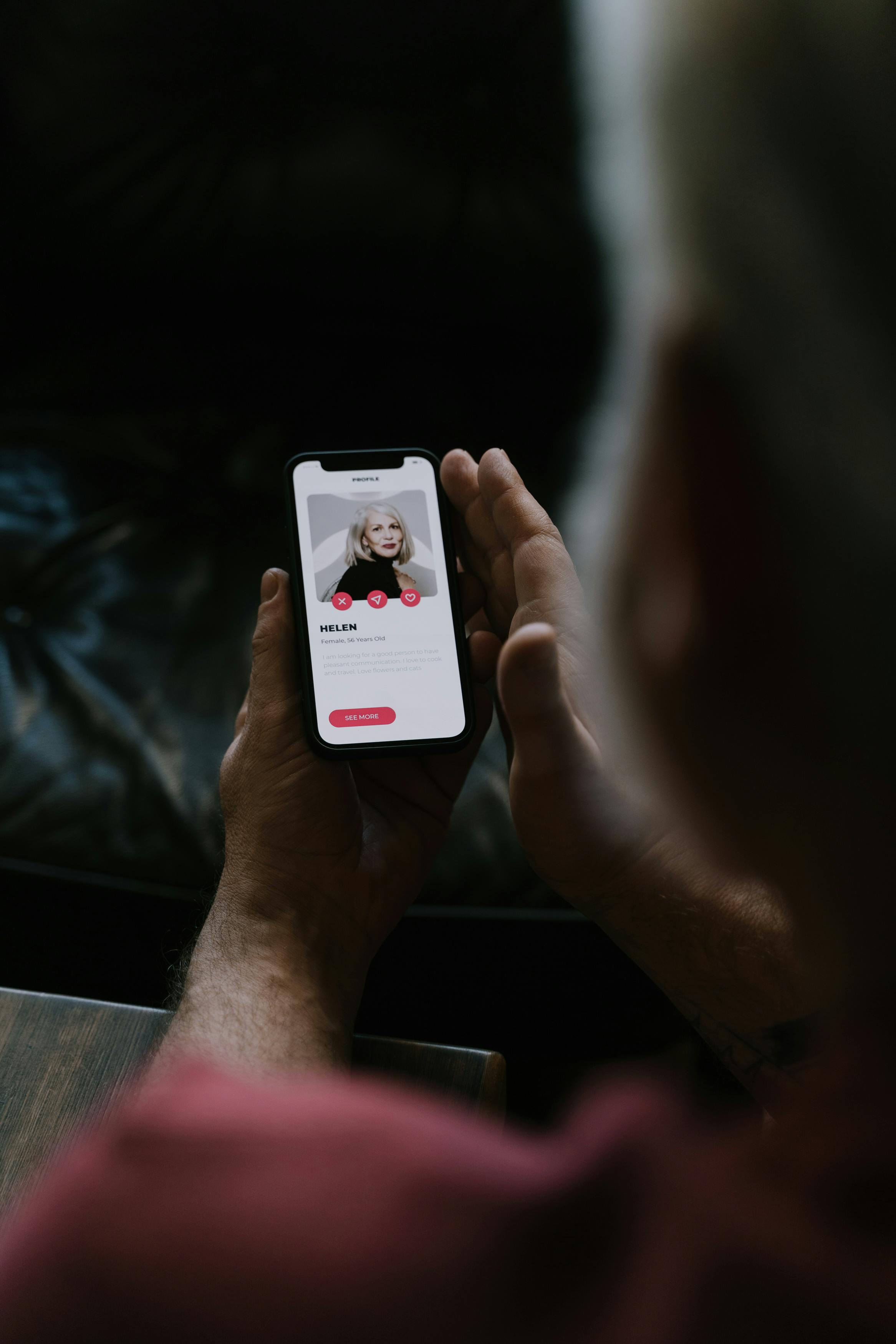
The data, published in February, arrives as therapeutic vocabulary—boundaries, attachment styles, triggers, emotional intelligence—has become standard dating app fare. Yet the same research reveals 24% actively avoid partners they find 'too intense' about mental health, and 21% have ended early-stage connections when the discourse felt overwhelming. The message is clear: vulnerability is compulsory, but only to a point.
Create a free account
Unlock unlimited access and get the weekly briefing delivered to your inbox.
This is the authenticity trap in numbers. Dating culture now demands that singles perform emotional openness whilst simultaneously optimising for attraction—a combination that creates new forms of calculation and anxiety rather than resolving old ones. For operators, the implication is uncomfortable: the therapy language many apps have encouraged to signal safety and depth may be contributing to a disclosure dilemma that makes early-stage interactions feel like high-stakes auditions.
The 59% who faced negative outcomes after disclosing suggests mental health conversation has become less a trust-building exercise and more a filtering gauntlet where singles are penalised for both revealing too much and seeming inauthentic.
The disclosure penalty remains severe
More than half—59%—of those surveyed reported experiencing judgment, ghosting, rejection, or emotional distance after disclosing mental health issues. The breakdown: 18% said partners became cold or distant, 14% were ghosted entirely, and 12% experienced partners who initially offered support before withdrawing. These aren't marginal experiences. They're the modal outcome.
Against that sits the 41% who felt closer to someone after honest disclosure, and the 26% who found a partner more attractive for their openness. Mental health conversation functions as a high-risk, high-reward filter. When it works, it accelerates intimacy. When it fails, it triggers swift rejection.
That asymmetry helps explain why so many singles delay or sanitise the conversation—the downside is immediate and visible, the upside conditional and uncertain. The generational dimension matters here. Gen Z's higher rate of self-censorship (56% versus 19% for Boomers) doesn't reflect less openness about mental health in the abstract.

Younger cohorts are likelier to be in therapy, more fluent in psychological frameworks, and more comfortable naming struggles. What the data suggests instead is that Gen Z faces a more punishing disclosure environment. They're expected to demonstrate emotional sophistication whilst being acutely aware that revealing too much—or the wrong thing—can disqualify them from consideration.
Therapy language creates new thresholds
The rise of therapeutic vocabulary in dating hasn't resolved stigma. It's redistributed it. According to the survey, 47% said therapy-style language increased their respect for a partner, and 41% felt it built closeness. Millennials were the cohort most likely to deploy it intentionally, at 33%, whilst 39% of Boomers actively avoided such phrasing.
But the same data set shows 24% steer clear of partners they find overly intense about mental health, and 21% have ended early connections when discussions felt overwhelming. Emotional availability emerged as a sorting criterion: 23% avoid emotionally closed-off prospects, whilst 22% have ended relationships over emotional unavailability. The new boundary isn't whether you discuss mental health—it's how much, how early, and in what register.
Singles must signal enough emotional depth to appear self-aware and relationship-ready, but not so much that they seem high-maintenance or unstable.
The rise of terms like 'anxious attachment' or 'setting boundaries' reflects an attempt to frame personal challenges as self-knowledge rather than dysfunction. Yet the threshold for 'too much' appears surprisingly low. A quarter of respondents found partners too intense, suggesting therapeutic openness has a ceiling that many singles miscalculate.
Methodology caveats and market applicability
The survey was conducted by a mental health treatment centre, which introduces potential institutional bias towards surfacing mental health issues as salient dating dynamics. The US-only sample may not translate directly to UK dating culture, where therapy uptake and mental health stigma differ meaningfully. The definition of 'actively dating or have dated recently' lacks methodological clarity—timeframes matter, as do distinctions between app-based and organic meeting contexts.
That said, the directional findings align with what operators already see in user behaviour: profiles that lean heavily into therapy language, first-date conversations that feel like intake assessments, and feedback loops where emotional disclosure becomes both expected and penalised. Match Group (MTCH) and Bumble (BMBL) have both emphasised safety and emotional connection in product messaging over recent quarters, yet neither has addressed how their platforms might be amplifying the performance pressures this survey captures.
What operators should watch
The mental health disclosure dilemma isn't a product problem with a product solution. It reflects deeper tensions in what dating apps promise versus what they deliver. Platforms market themselves as spaces for authentic connection whilst structurally incentivising optimised self-presentation. Adding more prompts about emotional availability or mental health won't resolve that—it may worsen it by raising the stakes of early disclosure.
What this data suggests is a growing cohort of singles, especially younger users, who experience dating as a series of calculated performances where getting the emotional pitch right matters as much as photos or profession. For trust and safety teams, the question isn't whether to encourage openness—it's whether current platform design inadvertently penalises it. For product leaders, the implication is that more therapy language and vulnerability prompts may be reaching diminishing returns, or even backfire, if users perceive them as yet another way to be judged unmarketable.
The 59% who faced negative consequences after disclosure won't be solved by better onboarding or community guidelines. They reflect a user base that's learned, through experience, that honesty about mental health can be a liability. Until that calculation changes, expect self-censorship to remain the dominant strategy—regardless of how many times apps tell users to 'be themselves'.
Key Takeaways
- •Product leaders at dating platforms like Match Group and Bumble should re-evaluate vulnerability prompts, as excessive therapeutic language may inadvertently penalise users and trigger swift rejection.
- •Trust and safety teams must address how platform design creates performance pressures that force younger singles to balance forced authenticity with calculated self-censorship.
Frequently Asked Questions
Data & Analytics Desk
The DII Data Team maintains the publication's trackers, market data and analytical reference hubs for the online dating industry.
Comments
Join the discussion
Industry professionals share insights, challenge assumptions, and connect with peers. Sign in to add your voice.
Your comment is reviewed before publishing. No spam, no self-promotion.