

Dating Apps' Political Dilemma: Ignore It or Integrate It?
Key Points
- •OkCupid revealed that 71% of its users refuse to date someone with opposing political views, compared to 53% of users in 2016.
- •Matches made on OkCupid based on political alignment generate 31% higher conversation rates than those created without political alignment.
- •Conservative dating app The Right Stuff claimed 30,000 initial downloads, whereas progressive rival Lefty raised $850,000 in pre-seed funding.
- •Research shows that 60% of 18-to-24-year-olds in the United States consider political compatibility essential when choosing a dating partner.
The post-election swipe patterns tell a story most dating executives would rather not acknowledge. Most mainstream platforms still treat political filtering as an afterthought, buried in settings menus or restricted to premium tiers, whilst users have created their own sorting system through MAGA hat photos, pronoun declarations, and real-world events where political alignment is the only entry requirement. The question operators face is whether political compatibility can be productised without fragmenting their user base into commercially unviable segments.
The Product Trap
Dating platforms are caught in a product trap of their own making. Political filtering is clearly what a significant portion of users want, but giving it to them—prominently, freely, and without friction—risks turning mainstream apps into echo chambers and accelerating user churn to niche alternatives. The companies that crack this will do it through quiet algorithmic work, not loud feature releases.
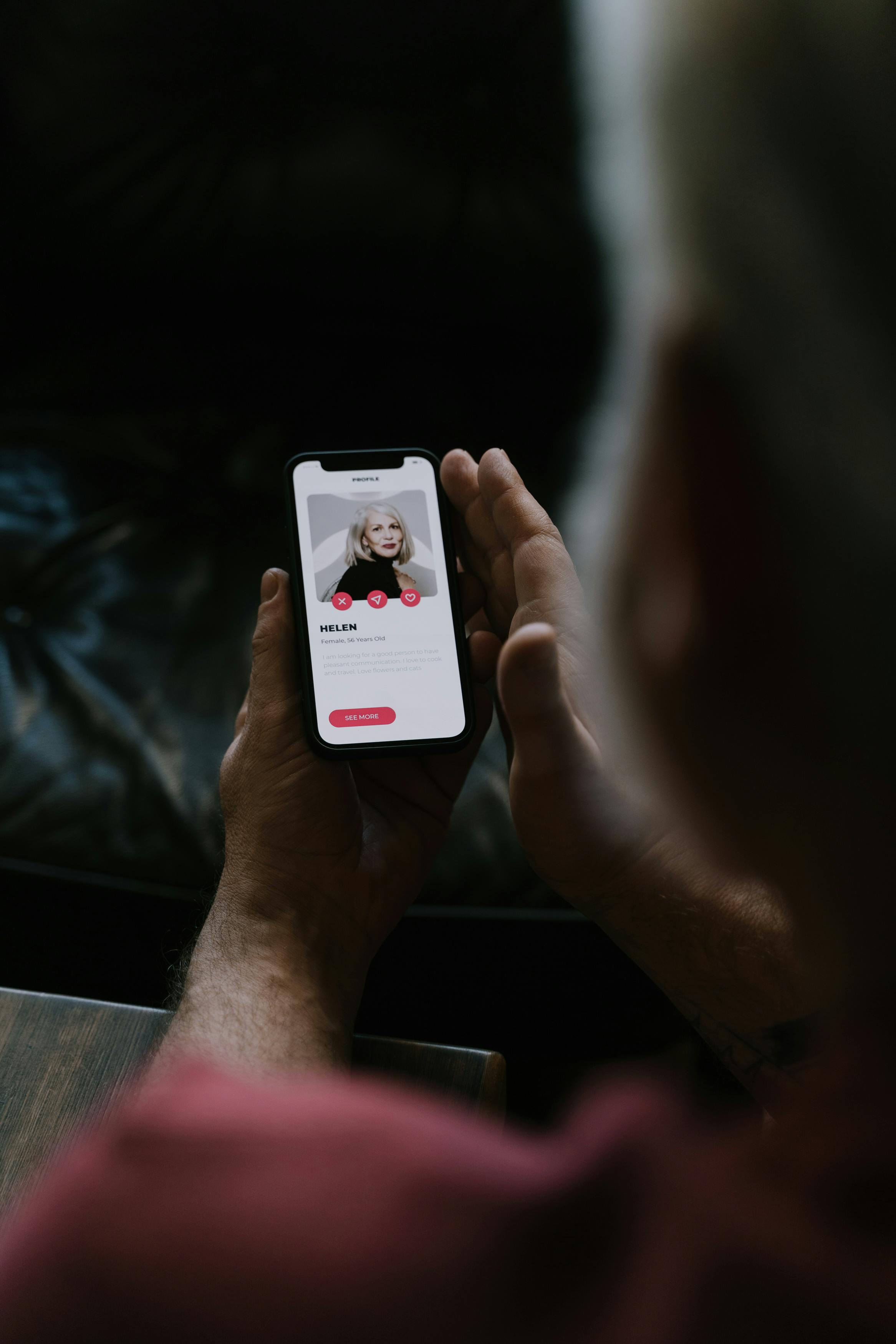
OkCupid has been the industry's political filtering guinea pig since introducing dedicated stances on key issues after Trump's 2016 victory. The company disclosed that over 70% of users now engage with political questions during profile creation, and matches based on political alignment have 31% higher conversation rates than those without. That's the kind of efficacy that should have prompted Match Group to roll similar features across its portfolio.
Create a free account
Unlock unlimited access and get the weekly briefing delivered to your inbox.
Hinge added political prompts in 2020. Bumble offers political affiliation as a profile field but doesn't surface it in filtering. Tinder has precisely nothing—though its parent company owns OkCupid and has access to all the same data proving political compatibility drives engagement.
Mainstream platforms fear political filtering will make them feel exclusionary, which runs counter to the growth-at-all-costs playbook that built the category.
The Niche Bet: Viable or Vanity Project?
That hesitation has created an opening for politically aligned apps, though calling them an opening might be generous. The Right Stuff, a conservative dating app launched in 2022 with backing from former Trump staffers, claimed 30,000 downloads in its first week. The app has since gone quiet on user numbers, which usually means they're not growing.
Lefty, its progressive counterpart, raised $850K in pre-seed funding last year and lists roughly 10,000 members in major US cities, according to founder Erin Thiem's public statements. Compare those figures to Bumble's 3.2 million paying subscribers or Tinder's 10 million. The market for politically segmented dating may exist, but it's a rounding error.

Single-issue niche apps face structural problems: limited geographic density, challenging unit economics, and the reality that even politically engaged singles still care about baseline attractiveness, proximity, and whether someone will actually reply. What's more interesting than the apps themselves is what they signal about mainstream product strategy.
If political alignment is genuinely a top-three compatibility factor—and the data from OkCupid, plus third-party research showing 60% of 18-24 year olds in the US consider it essential, suggests it is—why hasn't it been integrated into core matching algorithms the way age and distance have? The answer involves both technology and ideology.
The Algorithm Challenge
Algorithmically, political compatibility is harder to quantify than location radius. A 28-year-old might accept matches up to 35, but political views exist on spectrums that resist clean bucket sorting. Someone pro-choice but fiscally conservative doesn't fit neatly into red or blue.
Building filters that account for issue-level granularity requires ongoing maintenance, editorial decisions about which issues matter, and localisation across markets with entirely different political contexts. Ideologically, dating executives remain wedded to the idea that their platforms are apolitical spaces for human connection. That framing is increasingly fiction.
Platforms may not have explicitly chosen to become political sorting mechanisms, but their algorithms optimise for whatever drives messages and matches—and shared political identity demonstrably does.
Dr Jess Carbino, formerly a sociologist at both Tinder and Bumble and currently an independent consultant, has noted publicly that political homophily in dating has intensified since 2016, driven by both user preference and algorithmic amplification of engagement patterns. Platforms' algorithms optimise for whatever drives messages and matches—and shared political identity demonstrably does.
The Monetisation Problem
Political filtering is a feature users want, but it's unclear whether they'll pay for it—or whether making them pay creates worse outcomes than offering it free. OkCupid includes political stances in its free tier. Hinge gates some political prompts behind Preferred membership, which costs £34.99 monthly in the UK.
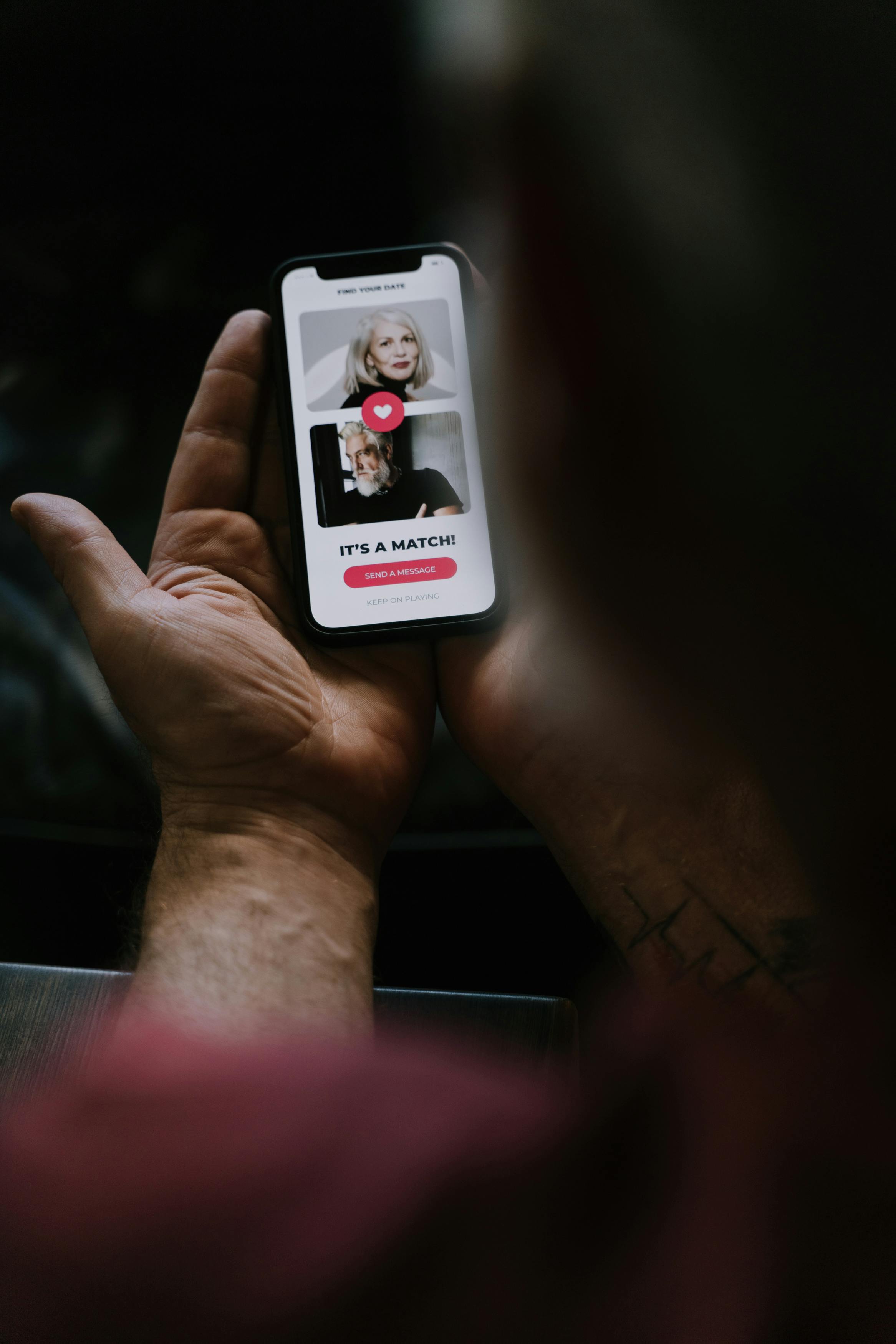
That decision reflects product philosophy: Hinge treats political filtering as a nice-to-have preference, not a dealbreaker compatibility metric. The problem is that users increasingly view it as the latter, which means Hinge is paywalling something its own data likely shows improves match quality.
The smarter play, already visible in OkCupid's approach, is to make basic political signalling free and ubiquitous, then monetise advanced discovery and preferences. If 71% of your users won't date across political lines, forcing them to sort manually through incompatible profiles isn't creating value—it's creating friction. Surfacing political alignment early, passively, and without ceremony improves the user experience and increases the likelihood someone converts to paying for other features.
Mainstream platforms that continue treating political compatibility as premium-tier functionality risk losing engagement to competitors who build it into the foundation. The niche apps won't win on scale, but they can win on product-market fit for specific segments, particularly in major metros where density isn't an issue.
What happens next depends partly on November's election cycle in the US, which will either intensify political sorting or—less likely—see some exhaustion-driven cooling. Either way, the productisation of politics in dating is past the point of reversal. The only question is which platforms acknowledge that first and build accordingly.
Key Takeaways
- •Dating app operators risk increasing user churn and friction if they continue to paywall basic political filters instead of integrating alignment directly into core algorithms.
- •Mainstream platforms like Match Group and Bumble should offer basic political signalling for free to boost engagement and monetise advanced discovery features rather than core compatibility.
- •Politically segmented niche apps face major growth limitations due to low subscriber counts, geographic density issues, and challenging unit economics compared to mainstream platforms.
Frequently Asked Questions
Technology & AI Desk
The DII Technology Desk reports on product, engineering, AI and platform infrastructure across dating and social discovery apps.
Comments
Join the discussion
Industry professionals share insights, challenge assumptions, and connect with peers. Sign in to add your voice.
Your comment is reviewed before publishing. No spam, no self-promotion.


