

ChatGPT's Personal Use Surge: Are Dating Apps Missing Out?
Key Points
- •Generative artificial intelligence usage is split 50-50 between personal and business applications according to recent industry data.
- •Singles are increasingly using external tools including ChatGPT and Claude for profile optimisation, relationship advice, and conversation coaching.
- •Dating app operators Match Group and Bumble are developing native artificial intelligence features to prevent users from migrating to general-purpose assistants.
- •No major dating platform currently requires users to disclose artificial intelligence assistance during profile creation or message composition.
The dating industry confronts an unexpected competitor: general-purpose AI chatbots that users are co-opting for romantic advice, profile writing, and conversation coaching. As generative AI splits usage between workplace productivity and personal applications, dating platforms must contend with the reality that millions of singles are seeking relationship guidance from ChatGPT rather than native app features. The question is whether traditional dating apps can reclaim this territory before AI assistants become the default relationship consultants.
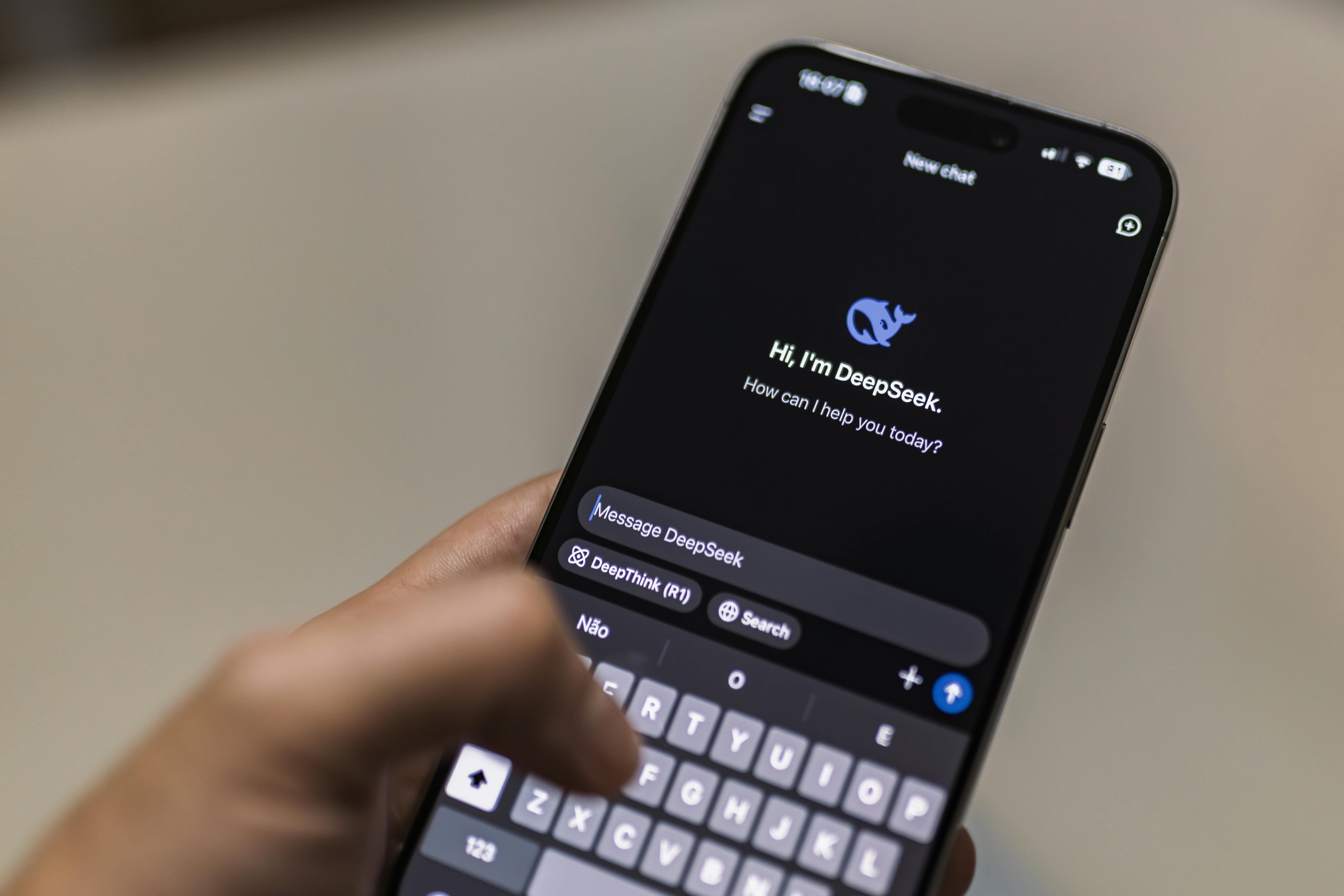
The shift represents more than a technological novelty. When users turn to external AI tools for dating assistance, they're simultaneously reducing time spent within dating applications and creating engagement patterns that bypass platform monetization strategies. The implications extend beyond feature competition into fundamental questions about where relationship formation occurs in an AI-mediated world.
The Unbundling of Dating Services
Dating applications have historically controlled the entire user journey from profile creation through matching and conversation. That integrated experience is now fragmenting as AI tools handle specific functions more effectively than native features. Profile optimization, conversation suggestions, and even date planning are migrating to general-purpose AI assistants that users already trust for other personal tasks.
Create a free account
Unlock unlimited access and get the weekly briefing delivered to your inbox.
The pattern mirrors disruptions in other consumer categories where specialized incumbents lost ground to flexible platforms. Just as Spotify absorbed functionality from multiple music apps and Amazon consolidated shopping behaviours, ChatGPT and Claude are becoming Swiss Army knives for personal decision-making including romantic choices. Dating apps risk becoming mere introduction platforms whilst the valuable coaching and advice layer moves elsewhere.
Dating platforms face the prospect of being reduced to introduction services whilst AI assistants capture the higher-value advisory relationship that builds sustained user engagement.

The economics compound the strategic challenge. Subscription revenue depends on perceived value that justifies monthly fees, traditionally delivered through exclusive access to potential matches and platform-specific tools. When users obtain comparable or superior coaching from AI tools they're already paying for separately, the marginal value of dating app subscriptions diminishes. Match Group and Bumble cannot afford to become commoditized matching engines.
Platform Responses and Integration Strategies
Dating companies are not passive observers. Several platforms have announced AI feature roadmaps designed to recapture functionality migrating to external tools. These initiatives range from AI-powered conversation starters to compatibility analysis and date suggestion algorithms. The challenge lies in execution speed and user adoption rates compared to already-established AI assistants.
Bumble has positioned AI as a core strategic priority, emphasizing personalized matching and conversation quality improvements. Match Group has similarly highlighted AI investments across its portfolio brands. Yet platform-specific AI features face an uphill battle against general-purpose tools that users interact with dozens of times daily across multiple life domains. The switching costs favor incumbents, but in this case ChatGPT is the incumbent in users' daily AI interactions.
The dating industry must decide whether to build proprietary AI features that compete with ChatGPT or integrate external AI capabilities whilst controlling the relationship context.
Integration partnerships present an alternative path. Rather than competing directly with OpenAI and Anthropic, dating platforms could become specialized relationship contexts within which users deploy their preferred AI assistants. This approach acknowledges the general-purpose AI tools have won the primary relationship with users whilst preserving dating apps' control over the matching graph and social context. The tradeoff involves ceding some platform autonomy in exchange for remaining relevant in users' relationship formation processes.
Trust, Authenticity, and the AI Disclosure Problem
The proliferation of AI-assisted dating introduces authenticity questions that platforms must address regardless of their technology strategies. When profiles are AI-optimized and conversations are AI-coached, users struggle to distinguish genuine personality from algorithmic polish. Dating apps built on promises of authentic human connection face erosion of that foundational premise.

Disclosure mechanisms remain underdeveloped. No major platform currently requires users to indicate AI assistance in profile creation or message composition, yet such transparency might become necessary to maintain user trust. The regulatory landscape is equally uncertain, with no clear framework for governing AI use in social matching contexts. Dating platforms that establish credible authenticity standards may gain competitive advantage as user skepticism grows.
The verification challenge extends beyond simple disclosure. Even with transparency about AI usage, platforms must help users assess genuine compatibility when initial interactions are mediated by algorithms trained on internet-scale text rather than individual personality. The dating industry's core product is fundamentally human connection, and preserving that value proposition requires navigating AI assistance without replacing human judgment entirely.
Market Structure and Competitive Dynamics
The incumbent dating platforms possess substantial defensive advantages despite AI disruption threats. Network effects remain powerful: the value of a dating app increases with the number of active users, creating barriers to entry that pure AI tools cannot easily overcome. ChatGPT can coach users on dating strategies but cannot introduce them to potential partners without building its own matching network.
Yet market dynamics could shift if AI platforms decide to enter dating directly. OpenAI, Anthropic, or Google could leverage existing user relationships and AI capabilities to launch matching services that integrate coaching and introductions seamlessly. Such moves would represent direct existential threats to specialized dating companies, transforming AI from a feature competition into a full platform war. The dating industry's independent future depends partly on whether AI giants view relationship matching as strategic territory worth claiming.
Emerging startups present a third competitive vector. New entrants building dating experiences natively around AI from inception rather than retrofitting features onto legacy platforms may capture users who prefer AI-first interactions. These challengers lack incumbent network effects but benefit from technical architecture designed for AI integration and user expectations shaped by ChatGPT rather than traditional dating apps. The next generation of dating platforms may look radically different from current category leaders.
Key Takeaways
- •Dating app operators face subscription revenue risks if users derive higher coaching value from general-purpose artificial intelligence assistants like ChatGPT than from native platform tools.
- •Compliance and product teams at platforms like Match Group and Bumble must establish clear authenticity and disclosure frameworks to maintain user trust as algorithmic communication increases.
- •Investors should monitor whether general-purpose technology giants such as OpenAI, Anthropic, or Google expand directly into social matching and dating markets.
Frequently Asked Questions
Data & Analytics Desk
The DII Data Team maintains the publication's trackers, market data and analytical reference hubs for the online dating industry.
Comments
Join the discussion
Industry professionals share insights, challenge assumptions, and connect with peers. Sign in to add your voice.
Your comment is reviewed before publishing. No spam, no self-promotion.


