Fake Dating Apps Exploit Trust. The Industry Can't Ignore It.
Key Points
- •Security firm Zimperium discovered a malware campaign involving over 250 fake dating applications targeting Android and iOS users, primarily in South Korea.
- •Cybercriminals used fake apps requiring invitation codes to harvest intimate photos, contact lists, and location data from users for extortion purposes.
- •The malicious campaign mimics exclusivity models used by legitimate platforms like Raya, exploiting user trust in gatekeeping mechanisms.
- •Major operators such as Match Group, Bumble, and Grindr face heightened category-level trust erosion and rising customer acquisition costs due to these external cyber attacks.
A sophisticated malware campaign has weaponised the trust signals that legitimate dating platforms spent years building, with cybercriminals deploying over 250 fake applications to extort users through stolen intimate content. The operation, disclosed by mobile security firm Zimperium, exploits the intimacy premium baked into online dating—where users willingly share photos, location data, and personal information they would never hand over elsewhere. What makes this campaign particularly dangerous isn't technical sophistication, but rather how it turns exclusivity and gatekeeping into tools for mass exploitation.
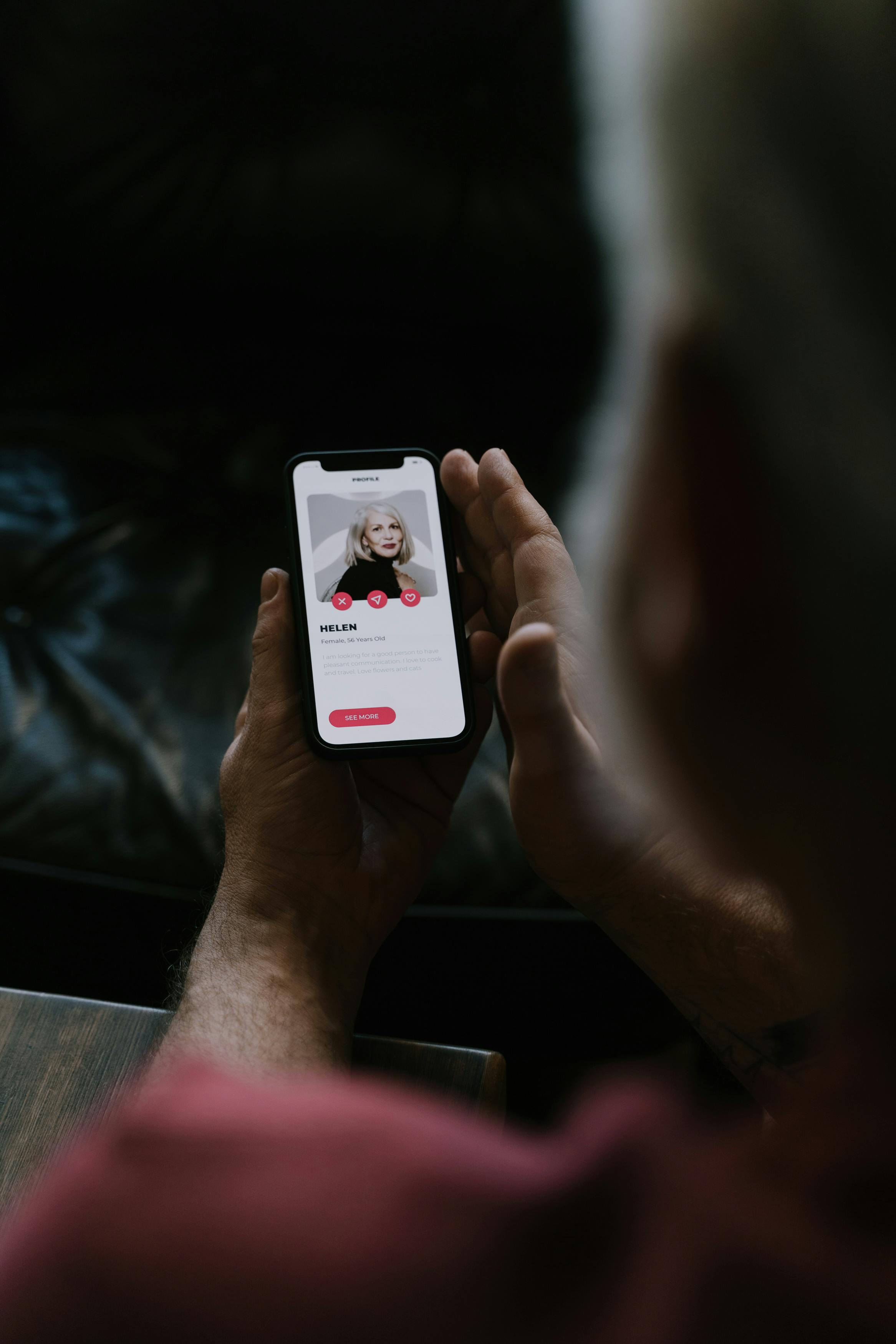
The mechanics are straightforward: fake apps, branded to look like legitimate dating platforms, require an 'invitation code' to access—mimicking the exclusivity model used by services like Raya. Once downloaded, the malware requests permissions to access photos, contacts, and location data. Users willingly comply, believing they're joining a premium dating service. The apps then exfiltrate that data and lock the victims into an extortion cycle, threatening exposure unless payment is made.
What makes this effective isn't technical sophistication. It's the intimacy premium baked into online dating. Users share data on dating apps they wouldn't dream of handing over elsewhere: full-body photos, personal messaging history, location patterns, relationship status, sexual preferences. When that information is stolen, the leverage for extortion is immediate and devastating.
Create a free account
Unlock unlimited access and get the weekly briefing delivered to your inbox.
This isn't a third-party problem that legitimate operators can dismiss as "not our issue." Every fake dating app that extorts a user erodes trust in the entire category, making it harder for Match Group (MTCH), Bumble (BMBL), and every platform in the DII Industry Directory to convert hesitant users.
The dating industry already battles a trust crisis around romance scams and fake profiles—this malware campaign simply automates the exploitation at scale. Operators who think their brand equity insulates them from the fallout aren't paying attention to how category-level trust works.
How exclusivity became a weapon
The use of invitation codes is particularly instructive. Legitimate platforms have spent years conditioning users to believe that exclusivity signals quality and safety. Raya built an entire business model on gatekeeping. Early Tinder growth tactics relied on manufactured scarcity on university campuses. The League positions its waitlist as a feature, not a bug.
Cybercriminals have simply weaponised that playbook. An invitation-only dating app doesn't raise red flags for users anymore—it raises expectations. The barrier to entry feels like verification, like someone has curated the community on the other side. In reality, it's just friction designed to make victims feel invested before the data harvest begins.
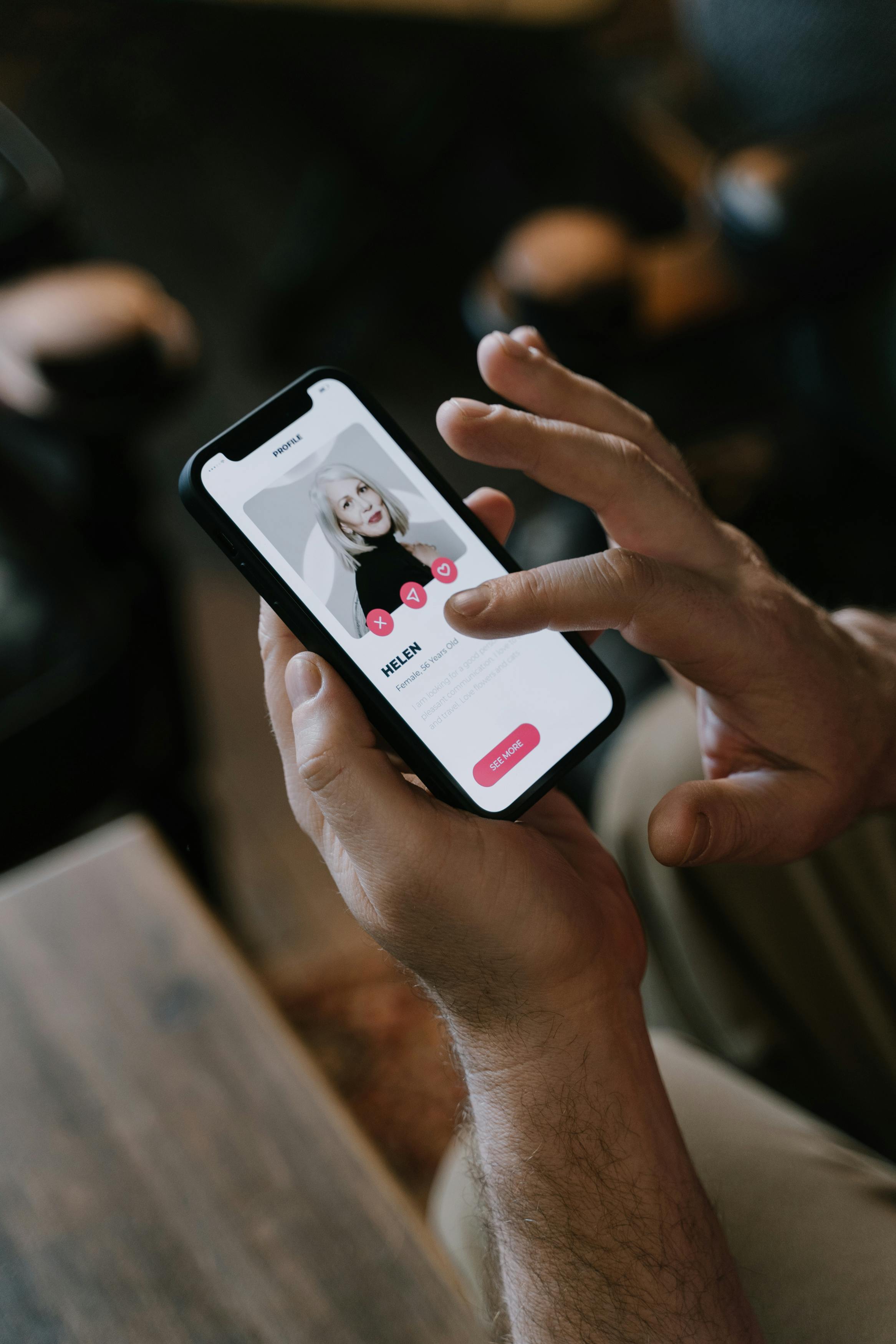
Zimperium's disclosure doesn't specify how many users were actually extorted or how much money attackers extracted. That opacity is typical of these campaigns, which rely on victims staying silent out of shame or fear. But the scale is telling: 250 fake apps suggests industrial coordination, not opportunistic fraud. Someone is systematically exploiting the dating category because it works.
The South Korea focus likely reflects both market dynamics and regulatory gaps. South Korea has high smartphone penetration, a mature dating app market, and a cultural context where social shame around leaked intimate content carries particular weight. Zimperium assesses the techniques could extend globally, though it's worth noting that cross-border malware campaigns often struggle with localisation—language, payment methods, and app store moderation all vary by region.
Still, the infrastructure is replicable. Building a fake dating app requires minimal investment: templated UI, basic backend, and enough polish to pass cursory app store review. The real asset is the category itself, which delivers high-trust victims who self-select for vulnerability.
What legitimate operators should be doing
The immediate response from dating companies will be predictable: statements emphasising that these are fraudulent apps, not breaches of their own platforms. Technically accurate. Strategically insufficient.
Users don't distinguish between "fake app that stole my photos" and "dating apps aren't safe." The category takes the reputational hit either way.
Trust in online dating is already fragile, battered by years of catfishing, romance scams, and the perception that platforms prioritise growth over safety. Adding malware extortion to that list compounds the problem.
Operators need to treat this as a category-defence issue, not a competitor problem. That means investing in user education around app verification, which should include clearer branding around official download sources. It means pushing Apple and Google to tighten app store moderation for dating apps specifically, given the category's unique risk profile. And it means building features that signal legitimacy in ways that can't be easily spoofed—verified badges, two-factor authentication, transparent trust and safety reporting.
Some of this is already happening in piecemeal fashion. Match Group has invested heavily in video verification and AI-powered fake profile detection. Bumble's photo verification uses selfie checks to confirm identity. Grindr (GRND) added a "Verified" badge system. But these features remain inconsistent across platforms and often optional, which limits their utility as trust signals.
The harder question is whether the industry can coordinate on baseline security standards that make it harder for fake apps to pass as legitimate. Trade bodies like the Online Dating Association exist, but their focus has historically been on regulatory compliance and self-governance around content moderation—not on combating external fraud that exploits the category.
Regulatory frameworks like the EU Digital Services Act (DSA) and the UK Online Safety Act (OSA) impose obligations on platforms for illegal content and user safety, but they don't directly address fake apps impersonating dating services. That's an app store moderation issue, not a platform liability one. Apple and Google have their own review processes, but both have repeatedly demonstrated that manual review at scale is imperfect. Malicious apps get through, sometimes for months.
The trust deficit compounds
The timing is particularly poor for the industry. Match Group's revenue growth has decelerated as it struggles to justify price increases to a user base already questioning value for money. Bumble is in the middle of a product reset after admitting its app experience had degraded. Grindr's growth story depends on converting free users to paying subscribers, which requires trust in the platform. None of these companies can afford a broader crisis of confidence in the category.
Yet that's the risk when cybercriminals industrialise exploitation of dating users. Every fake app that successfully extorts a victim makes the next user more hesitant to download anything in the category. The cost of customer acquisition rises. Conversion rates suffer. Investors tracking MTCH, BMBL, and GRND should be paying attention to sentiment data around dating app safety, because it's a leading indicator for growth headwinds.
Zimperium's disclosure should be a catalyst for coordinated industry response, not another ignored warning. The intimacy premium that makes dating apps valuable to operators is the same feature that makes users lucrative targets for extortion. Pretending that's someone else's problem won't rebuild trust. It will just accelerate the decline.
Key Takeaways
- •Dating app operators must treat malicious third-party apps as a shared reputational risk and collaborate with Apple and Google to enforce stricter app store moderation.
- •Investors in Match Group, Bumble, and Grindr should monitor user sentiment regarding safety, as security concerns directly impact user conversion rates and acquisition costs.
- •Compliance and safety teams need to standardise identity verification features across platforms to clearly distinguish legitimate services from fraudulent apps imitating exclusivity models.
Frequently Asked Questions
Policy & Regulation Desk
The DII Regulatory Monitor tracks legislation, enforcement action, safety rules and compliance across dating industry markets.
Comments
Join the discussion
Industry professionals share insights, challenge assumptions, and connect with peers. Sign in to add your voice.
Your comment is reviewed before publishing. No spam, no self-promotion.