Dating Sunday: A Self-Fulfilling Prophecy or Genuine User Surge?
Key Points
- •Tinder recorded a 13 per cent spike in swipe activity above annual averages between 1 January and 14 February 2024.
- •Tinder processed approximately 380 matches per second during peak hours on Dating Sunday, the first Sunday of January.
- •Tinder users replied to messages 2 hours and 25 minutes faster during the six-week period compared with the previous year.
- •During the six-week period, Tinder recorded a 10 per cent increase in messages sent and a 6 per cent rise in matches.
Match Group's flagship product has released figures that confirm what every operator already knows: January is their Christmas. Tinder's data from the period between 1 January and 14 February last year shows swipe activity spiked 13% above annual averages, messages rose 10%, and matches climbed 6%. The platform processed roughly 380 matches per second during peak hours on the first Sunday of January, a date the industry now markets as Dating Sunday.
The numbers matter less than the pattern they reveal. Dating platforms have successfully manufactured a commercial event from the emotional vulnerability of post-holiday singledom, packaging New Year resolution culture and Valentine's Day anxiety into a six-week acquisition window that now shapes product roadmaps, marketing budgets, and investor expectations.

Dating Sunday is feature theatre masquerading as a cultural phenomenon.
The industry has spent years promoting the first Sunday in January as the biggest dating day of the year, and surprise—it's become exactly that. Whether the spike is organic user behaviour or the result of coordinated platform marketing is impossible to untangle at this point, which is rather the point. Match, Bumble, and their competitors have created a self-fulfilling prophecy that conveniently arrives when advertising inventory is cheap and Q1 user acquisition targets loom.
Create a free account
Unlock unlimited access and get the weekly briefing delivered to your inbox.
It's clever commercial engineering, but operators should ask themselves whether manufacturing urgency in January creates genuine long-term retention or just borrows demand from February.
Behavioural intensity, not just passive browsing
What separates this January surge from typical promotional spikes is the response data. According to figures disclosed by Tinder, users replied to messages roughly 2 hours 25 minutes faster during this period compared with the previous year. That's not pad-stats territory.
Faster response times signal genuine engagement—singles aren't just passively swiping whilst scrolling in bed, they're actively invested in conversations and outcomes. The 7% increase in conversations relative to the 10% rise in messages sent suggests users were also more selective about who they engaged with, a pattern that typically correlates with higher intent.
For operators, this matters. High-intent users convert better to paid subscriptions, generate more revenue per user, and—crucially—tend to stick around longer if they experience early success on the platform. The question is whether platforms are structured to convert that intensity into retention.
January surges are well-documented, but February and March churn rates tell a different story. If Dating Sunday brings in singles who bounce after two weeks of unproductive swiping, the unit economics look considerably less appealing than the headline match figures suggest.
Strategic questions for operators

The predictability of the January spike creates a genuine strategic dilemma for product and growth teams. Should platforms pour acquisition budget into the period when user motivation peaks, accepting higher cost-per-install but potentially better-quality cohorts? Or is January a trap—expensive, crowded, and filled with resolution-driven users whose commitment evaporates by mid-February?
There's no consensus answer. Match Group has historically treated Q1 as an investment quarter, frontloading marketing spend to capture motivated singles before they drift back to inertia. Bumble has experimented with counter-cyclical strategies, pushing promotional activity in typically slower months like August and September when competition for attention is lower and advertising costs drop.
The promotional drumbeat around the date now comes from multiple platforms simultaneously, creating a coordinated marketing moment that rivals Black Friday in its saturation.
What's clear is that Dating Sunday has become an industry fixture that shapes commercial calendars whether individual operators believe in its value or not. Cosmopolitan ran Dating Sunday explainers. Tinder issued a press release. Trade coverage amplified the narrative. The event exists because the industry wills it into existence, and that collective investment makes opting out increasingly difficult.
What the data doesn't show
Tinder's figures lack critical context. The claim of 380 matches per second at peak times sounds impressive until you ask: peak times in which geography? The platform operates globally, and user behaviour patterns vary dramatically between the US, Europe, and Asia-Pacific markets. Without regional breakdowns, the figure is more marketing copy than actionable intelligence.
Similarly, the assertion that this represents a 'widely observed trend' across multiple platforms relies on secondary media coverage rather than disclosed data from competitors. Bumble, Hinge, and Grindr haven't released comparable January figures, which makes it impossible to determine whether this is an industry-wide pattern or specific to Tinder's user base and promotional strategy.
The faster response times—2 hours 25 minutes quicker than the previous year—also raise questions. Was 2024's January particularly sluggish, making 2025 look strong by comparison? Have algorithmic changes affected message prioritisation or notification timing? Tinder doesn't say, which means operators looking to benchmark their own data are working with incomplete information.
The commodification play
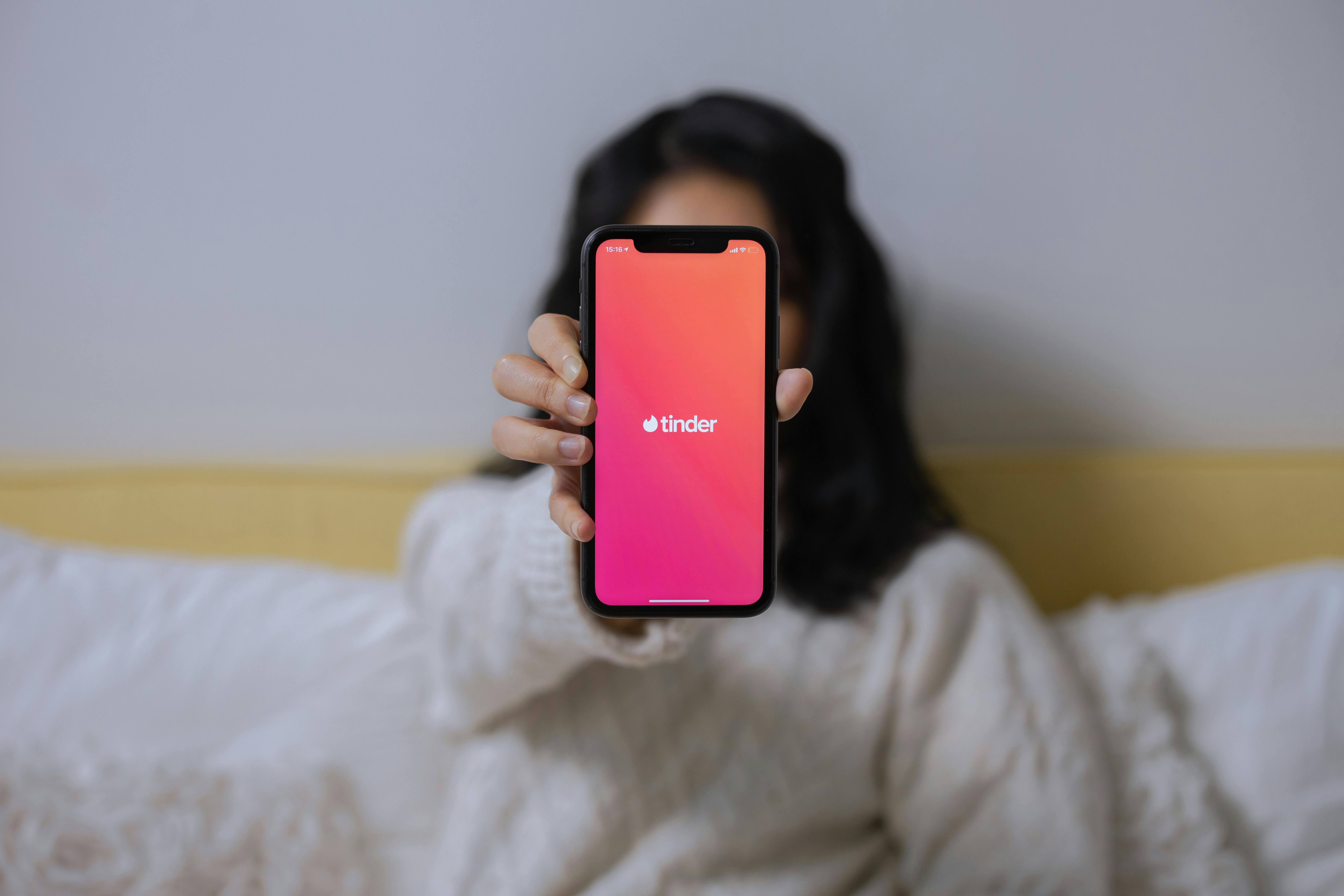
What Dating Sunday really represents is the dating industry's maturation into a fully commercialised vertical that operates on the same promotional calendar as retail and travel. Singles are no longer just users; they're seasonal inventory to be activated during predictable demand windows. New Year's resolutions become acquisition hooks. Valentine's Day anxiety becomes an engagement driver. Loneliness isn't a social problem to solve; it's a market condition to monetise.
That's not a moral judgement. It's a description of how consumer internet businesses operate at scale. The dating industry has simply become more sophisticated about when and how it capitalises on emotional states that correlate with commercial intent.
The risk is that over-indexing on manufactured urgency erodes trust over time. If singles begin to perceive Dating Sunday as a marketing gimmick rather than a genuine cultural moment, the self-fulfilling prophecy unravels. Operators are then left competing for attention during an expensive acquisition window without the behavioural intensity that justified the investment in the first place.
For now, the pattern holds. January spikes, February sustains, and March begins the slow drift toward summer doldrums. Whether that rhythm reflects human nature or industry conditioning is increasingly difficult to distinguish—and perhaps that's the most commercially elegant outcome the platforms could have hoped for.
Key Takeaways
- •Dating app operators must evaluate whether frontloading marketing budgets during the January Dating Sunday surge generates sustainable subscriber retention or merely borrows demand from February.
- •Investors should scrutinise peak performance metrics disclosed by Match Group and Tinder, as the absence of regional breakdowns and competitor data limits clear benchmarking.
- •Dating platforms risk eroding long-term user trust if singles begin perceiving coordinated Q1 acquisition drives as artificial commercial gimmicks rather than organic cultural events.
Frequently Asked Questions
Data & Analytics Desk
The DII Data Team maintains the publication's trackers, market data and analytical reference hubs for the online dating industry.
Comments
Join the discussion
Industry professionals share insights, challenge assumptions, and connect with peers. Sign in to add your voice.
Your comment is reviewed before publishing. No spam, no self-promotion.