Scheduled Intimacy: The Untapped Retention Play for Dating Apps
Reviewed and updated:
Key Points
- •A Tawkify survey of 911 partnered Americans revealed that 44 percent of couples schedule sexual intimacy, including 45 percent of Gen Z and Millennials.
- •Tawkify found that 64 percent of partnered American respondents schedule date nights, whilst only 18 percent schedule emotional check-ins or deeper conversations.
- •Match Group and Bumble focus primarily on initial matching, leaving a post-match gap despite 33 percent of non-scheduling respondents considering planned intimacy.
Tawkify's survey of 911 partnered Americans has landed on a metric that ought to make dating operators sit up: 44% of couples now schedule sex. Not date nights—those clock in at 64%—but the act itself. The data points to something more substantive than a quirky trend piece, suggesting a generation that's approaching intimacy the way they approach everything else: as a resource to be allocated, optimised, and protected from the tyranny of an overbooked calendar.
Among parents, the figure rises to 49%. Among Gen Z and Millennials, it's 45%, nearly double the 29% reported by Boomers. Whether that's pragmatic or depressing depends on your tolerance for Google Calendar notifications labelled 'Us Time'.
This isn't just a curiosity for relationship columnists—it's a signal about how younger cohorts are redefining what 'romance' means, and dating platforms are woefully unprepared for it. The industry has spent two decades perfecting the initial match and barely a moment thinking about what happens after month three, when the dopamine fades and the calendar fills up. If nearly half of couples are scheduling intimacy to prevent it from vanishing entirely, there's a retention and engagement opportunity here that nobody's building for.
Create a free account
Unlock unlimited access and get the weekly briefing delivered to your inbox.
The platforms that figure out how to support intentional relationships—not just spontaneous ones—will own a segment the incumbents are ignoring.

Spontaneity as a luxury good
The generational gap is the story within the story. Boomers schedule sex at less than half the rate of Gen Z, and that's not because they have more free time—it's because they came of age in an era when relationships weren't competing with Slack notifications, side hustles, and the expectation of constant self-optimisation.
For younger daters, scheduling isn't a failure of romance. It's a defence against its disappearance. According to Tawkify's findings, 57% of those who schedule intimacy do so simply to ensure it happens at all. Another 39% cite anticipation as a benefit, reframing the practice as a feature rather than a bug.
That 80% of schedulers believe planned intimacy is better than none, and 52% report it feels just as satisfying as spontaneous encounters, suggests this cohort has made peace with the trade-off. Parents, predictably, are the heaviest adopters—49% schedule compared to 39% of non-parents. Dual-career couples follow the same pattern.
The data aligns neatly with what operators already know: time poverty is the defining constraint for the cohort most dating apps are chasing. What's striking is how little of this intentionality extends beyond physical intimacy. Only 18% of respondents schedule emotional check-ins or deeper conversations, despite 64% scheduling date nights.

Where the product gap lives
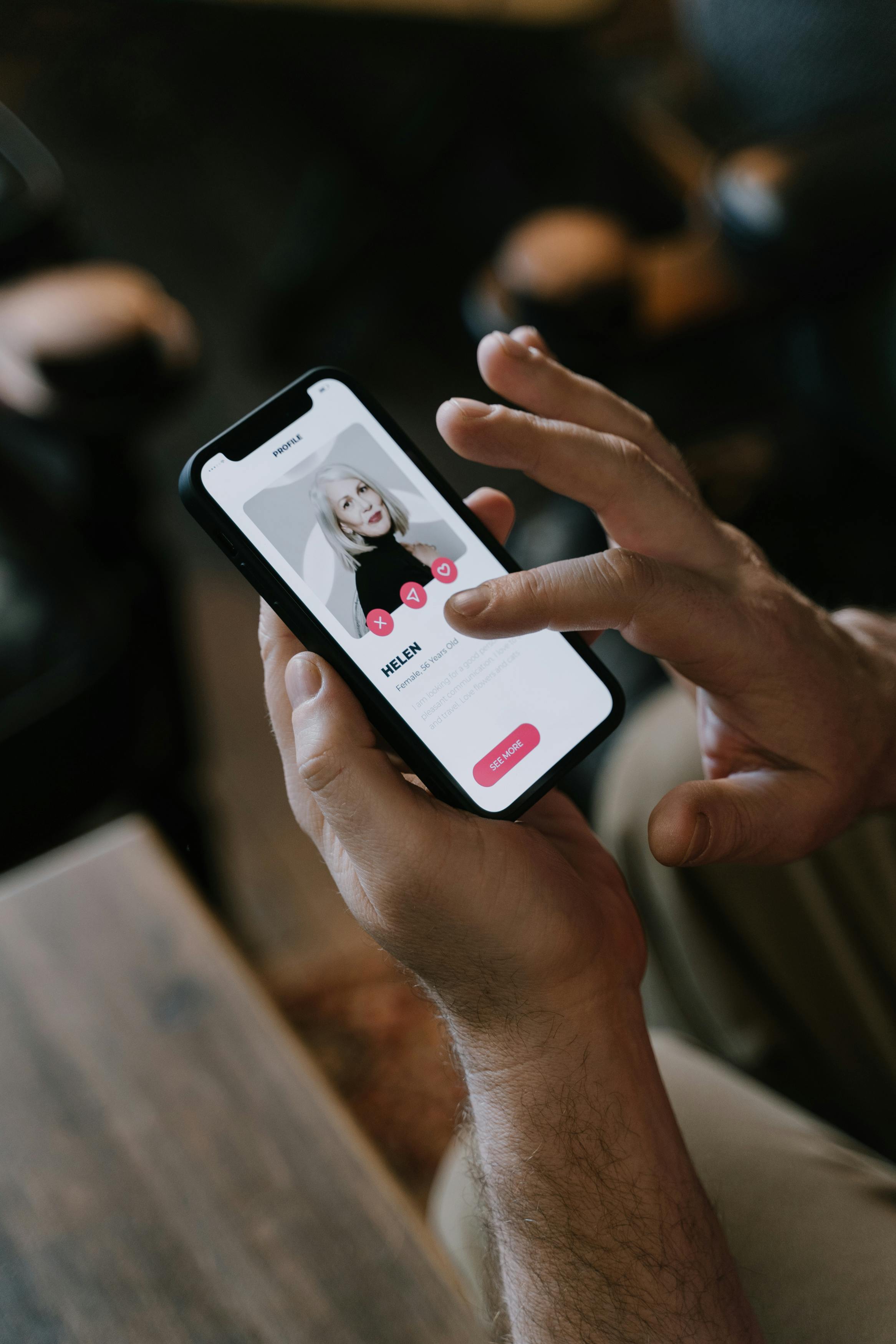
Dating platforms have historically treated 'relationship' as a terminal state—the successful outcome that justifies the initial subscription. Match Group's (MTCH) portfolio has Hinge's 'Designed to be Deleted' tagline, but no product for what happens after deletion when the relationship needs scaffolding to survive competing demands.
Tawkify's data suggests there's a segment of established couples—and singles anticipating those dynamics—who would value features that acknowledge the relationship maintenance phase. Shared calendar integrations, nudges for planned connection, or even compatibility filters based on scheduling preferences could address a real pain point. The logic holds, though the product opportunity remains largely untapped.
The challenge is that retention features for established couples don't generate the same monetisation as new subscriber acquisition.
Bumble (BMBL) experimented with Bumble Date's 'Date Night In' content during the pandemic, but it was a lightweight engagement play rather than a structural product shift. No major platform has yet built for the user who needs help not finding a partner, but keeping the relationship alive when both parties are drowning in obligations.
Culturally, there's also the question of how this translates beyond the US sample. British attitudes toward 'planned romance' may skew more sceptical—there's a reason scheduling sex sounds vaguely American in its earnestness. Whether UK or European singles would adopt similar tools, or consider them an admission of failure, is an open question that would benefit from parallel research.
What operators should watch
The cohort most likely to schedule—Gen Z and Millennials—are also the cohort facing the worst economic pressure, the longest working hours, and the highest rates of burnout. If scheduling intimacy is their adaptation, it's worth asking whether dating platforms should be designing for the life their users actually have, rather than the one the product assumes.
Tawkify's survey has selection bias baked in—respondents who already schedule are more likely to report satisfaction with it—but the adoption rates alone are significant. Half of schedulers believe their relationship would deteriorate without this structure, according to the findings. That's not a fringe behaviour.
The immediate opportunity is for niche platforms or challenger brands willing to position themselves around intentionality rather than serendipity. The longer-term question is whether Match Group, Bumble, or others will treat relationship longevity as a retention lever worth building infrastructure around—or whether they'll continue to focus exclusively on the top of the funnel, leaving the scheduled generation to fend for itself with shared Google Calendars and phone reminders.
Given that 33% of respondents who don't currently schedule would consider it, the addressable market isn't small. It's just not being addressed. Research has shown that regular date nights are linked to stronger relationships and greater sexual satisfaction, suggesting that intentional time together—scheduled or otherwise—correlates with relationship quality.
Yet whilst most American adults have been on numerous first dates, the infrastructure to support what happens after the initial match remains underdeveloped. The platforms that recognise this gap first will capture a segment their competitors don't even know exists yet.
Key Takeaways
- •Dating app operators can unlock new post-match retention levers by developing relationship maintenance tools such as shared calendar integrations and planned connection nudges.
- •Investors should watch for challenger brands that position around intentional relationship longevity, as incumbents like Match Group and Bumble remain focused heavily on top-of-funnel acquisition.
Frequently Asked Questions
Data & Analytics Desk
The DII Data Team maintains the publication's trackers, market data and analytical reference hubs for the online dating industry.
Comments
Join the discussion
Industry professionals share insights, challenge assumptions, and connect with peers. Sign in to add your voice.
Your comment is reviewed before publishing. No spam, no self-promotion.