

Pop the Balloon's App: Spectacle or Sustainable Matchmaking?
Key Points
- •The creators of YouTube dating show Pop the Balloon or Find Love launched a dedicated matchmaking app integrating cast members and rapid elimination mechanics.
- •Episodes of Pop the Balloon or Find Love regularly pull one to two million views on YouTube, and Netflix has commissioned an adaptation of the franchise.
- •Sensor Tower data shows dating apps spend between two and four dollars per install in competitive markets, with low single-digit paid subscriber conversion.
- •Apptopia data indicates that average 30-day user retention rates across the dating app industry hover between 10% and 15%.
The creators of Pop the Balloon or Find Love, a YouTube dating show that has racked up between one and two million views per episode, have launched a dedicated dating app. The platform integrates cast members from the show and attempts to translate its signature rapid-fire elimination format—where contestants literally pop balloons to reject potential matches—into a functional matchmaking product. The move arrives at a moment when dating platforms are casting about for alternatives to swipe fatigue, and when the line between dating-as-product and dating-as-content has never been more porous.

This is a genuine test case for entertainment-to-dating pivots, and the stakes are higher than the novelty suggests. If Pop the Balloon can convert spectacle into retention without turning everyday users into content fodder, it validates a new playbook for customer acquisition in a market where CAC continues to strangle margins. If it can't—if the app becomes another influencer-driven flash that burns out once the TikTok clips stop circulating—it confirms what many operators already suspect: that entertainment mechanics and matchmaking obligations don't mix at scale.
The challenge isn't building hype. It's building trust after the hype fades.
The entertainment arbitrage play
Pop the Balloon or Find Love has built a legitimate audience. Episodes regularly pull one to two million views, and Netflix has commissioned an adaptation, extending the franchise beyond YouTube's algorithmically-driven discovery model. That audience base represents a meaningful asset: organic installs that bypass the user acquisition cost spiral that has squeezed margins across the industry.
Create a free account
Unlock unlimited access and get the weekly briefing delivered to your inbox.
According to industry benchmarks tracked by Sensor Tower, dating apps typically spend between $2 and $4 per install in competitive markets, with conversion to paid subscriber hovering in the low single digits. An app that can onboard users who already know the brand, and who arrive with a degree of parasocial investment in the cast, theoretically compresses that funnel. The economics are appealing.
The app integrates cast members directly into the platform, a move that positions them as both matchmaking fixtures and engagement magnets. It's a calculated bet that the same dynamics that drive YouTube views—personality-driven drama, high-stakes rejection, the voyeuristic thrill of watching strangers navigate attraction under pressure—can be repackaged as a participatory experience rather than a passive one.

But the transition from audience to participant is not frictionless. Entertainment formats reward spectacle. Dating products require safety, respect, and the infrastructure to manage when things go wrong. The creators have signalled intentions around 'robust moderation' and 'meaningful intent', but those remain aspirations rather than deployed features.
The retention problem nobody talks about
Celebrity and influencer-integrated dating apps have a track record, and it's not encouraging. Raya maintains exclusivity and cultural cachet, but operates at a scale that insulates it from the pressures of mass-market matchmaking. Lolly, which launched in 2020 with influencer integration as a core mechanic, struggled to sustain momentum beyond initial curiosity.
Once the novelty erodes, does the product work for users who aren't in the cast, who aren't chasing clout, and who just want a date?
The Pop the Balloon format is inherently asymmetric. On the show, rejection is the point—it's visual, immediate, and designed to generate reaction clips. Translating that into a dating app means asking everyday users to opt into a format where being rejected isn't just possible, it's the entertainment value proposition. That may work for a cohort of users who see dating apps as content creation vehicles.
User retention in dating apps is notoriously difficult to sustain. According to data from Apptopia, the average dating app sees 30-day retention rates in the 10–15% range, and even top-tier platforms struggle to keep users engaged beyond the first week if they don't experience meaningful connection signals. If the Pop the Balloon app skews too heavily toward spectacle, it risks becoming a place where people visit once to see what the fuss is about, then churn when they realise they're the background extras in someone else's content play.
What this means for the market
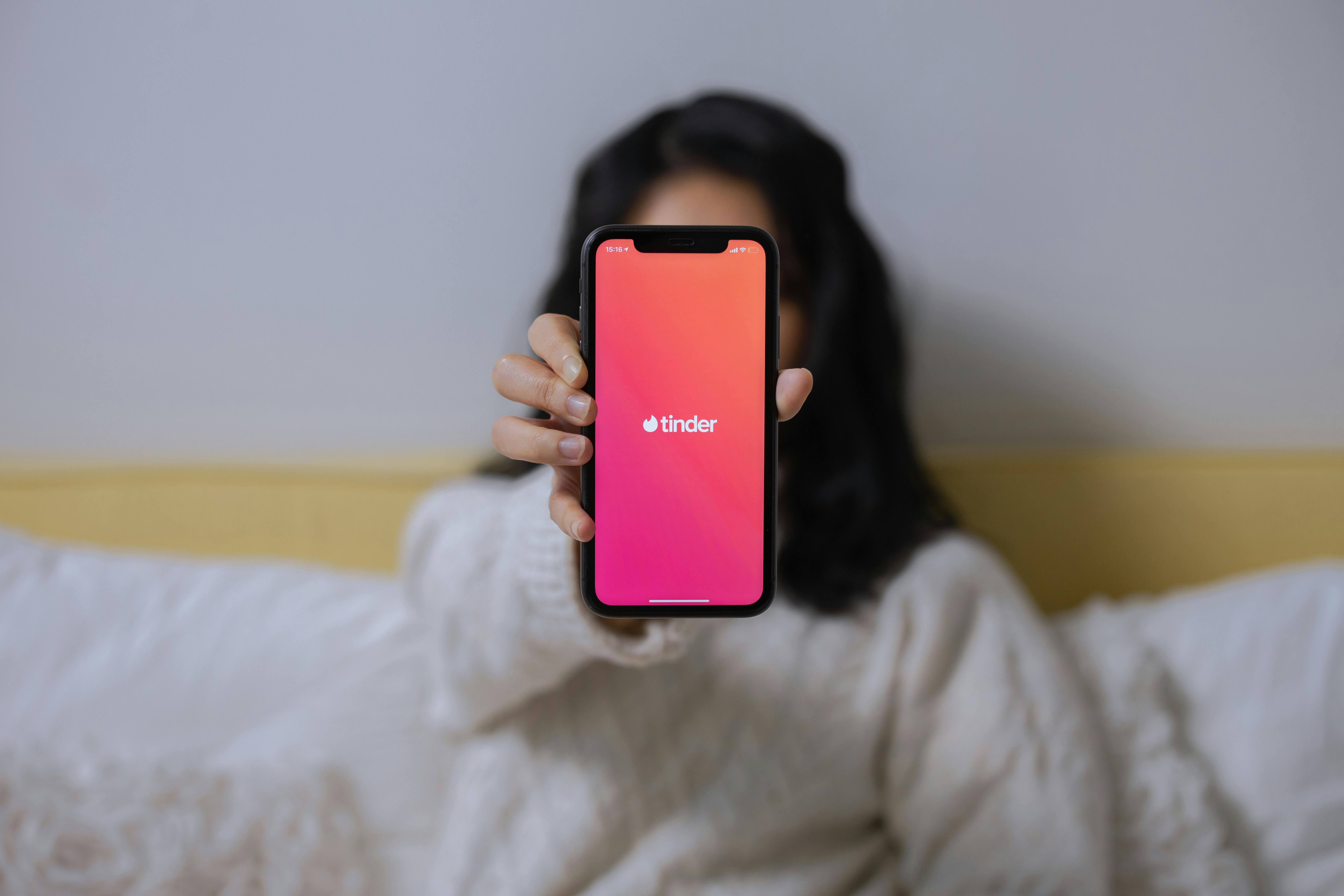
The broader industry is watching these entertainment-first experiments closely. Platforms are desperate for differentiation in a market where swipe mechanics have become commoditised and where user acquisition costs have made organic growth nearly impossible. If Pop the Balloon succeeds, it validates a model where content franchises and matchmaking products operate as a single integrated funnel—where the show drives installs, and the app extends engagement beyond passive viewership.
But success here depends on whether the app can establish genuine matchmaking utility. That requires gender ratio management, which the show's format—typically one person facing a line-up of suitors—doesn't naturally balance. It requires moderation at scale, something YouTube creators are not typically equipped to deploy. And it requires a product experience that works for users who aren't cast members, who don't have followings, and who won't generate viral clips.
The regulatory environment adds further complexity. The UK Online Safety Act (OSA) and the EU Digital Services Act (DSA) both impose duty of care obligations on platforms that facilitate user interaction, particularly where content moderation and harmful behaviour are concerned. If the app treats users as content generators rather than customers with matchmaking expectations, it may find itself navigating regulatory scrutiny that its YouTube parent format can sidestep.
Match Group (MTCH), Bumble (BMBL), and Grindr (GRND) have all experimented with video and entertainment-adjacent features—live streaming, in-app events, personality-driven discovery—but none have fundamentally restructured their products around spectacle. The rise of gamified dating mechanics represents a broader industry shift, though questions remain about whether these features enhance genuine connection or simply drive engagement metrics. The Pop the Balloon app takes this further, building its entire proposition around entertainment.
Key Takeaways
- •For dating app operators, transitioning an entertainment franchise into a matchmaking platform reduces user acquisition costs but presents severe retention and gender balance challenges.
- •Compliance teams must ensure that entertainment-driven platforms comply with duty of care obligations under the UK Online Safety Act and EU Digital Services Act.
- •Investors should monitor 30-day retention metrics to determine whether gamified spectacle translates into sustainable matchmaking utility or creates rapid user churn.
Frequently Asked Questions
Technology & AI Desk
The DII Technology Desk reports on product, engineering, AI and platform infrastructure across dating and social discovery apps.
Comments
Join the discussion
Industry professionals share insights, challenge assumptions, and connect with peers. Sign in to add your voice.
Your comment is reviewed before publishing. No spam, no self-promotion.


