Tribal's 72-Hour Blur: Delaying Superficiality, Not Eliminating It
Key Points
- •UK clinical psychologist Dr Indy Kaur has launched Tribal, a dating app that blurs profile photos for 72 hours while users complete a 44-question assessment.
- •Tribal allows users to select either romantic connections or friendships, aiming to address loneliness reported by 40 percent of UK adults during the pandemic.
- •Anti-swipe dating app S'More raised 2.5 million US dollars in seed funding in 2019 but has not disclosed user or revenue metrics since 2020.
- •A 2012 study published in Psychological Science in the Public Interest found minimal academic evidence supporting algorithmic matching in personality-based dating services.
A new dating app promises to solve superficial swiping by hiding users' faces for three days—but the fundamental problem with this approach is that it merely postpones judgement rather than eliminating it. Tribal, launching this month, blurs profile photos for 72 hours after matching whilst users communicate based solely on questionnaire responses. The strategy reflects growing frustration with appearance-first dating, but whether delayed visibility actually improves match quality remains unproven.
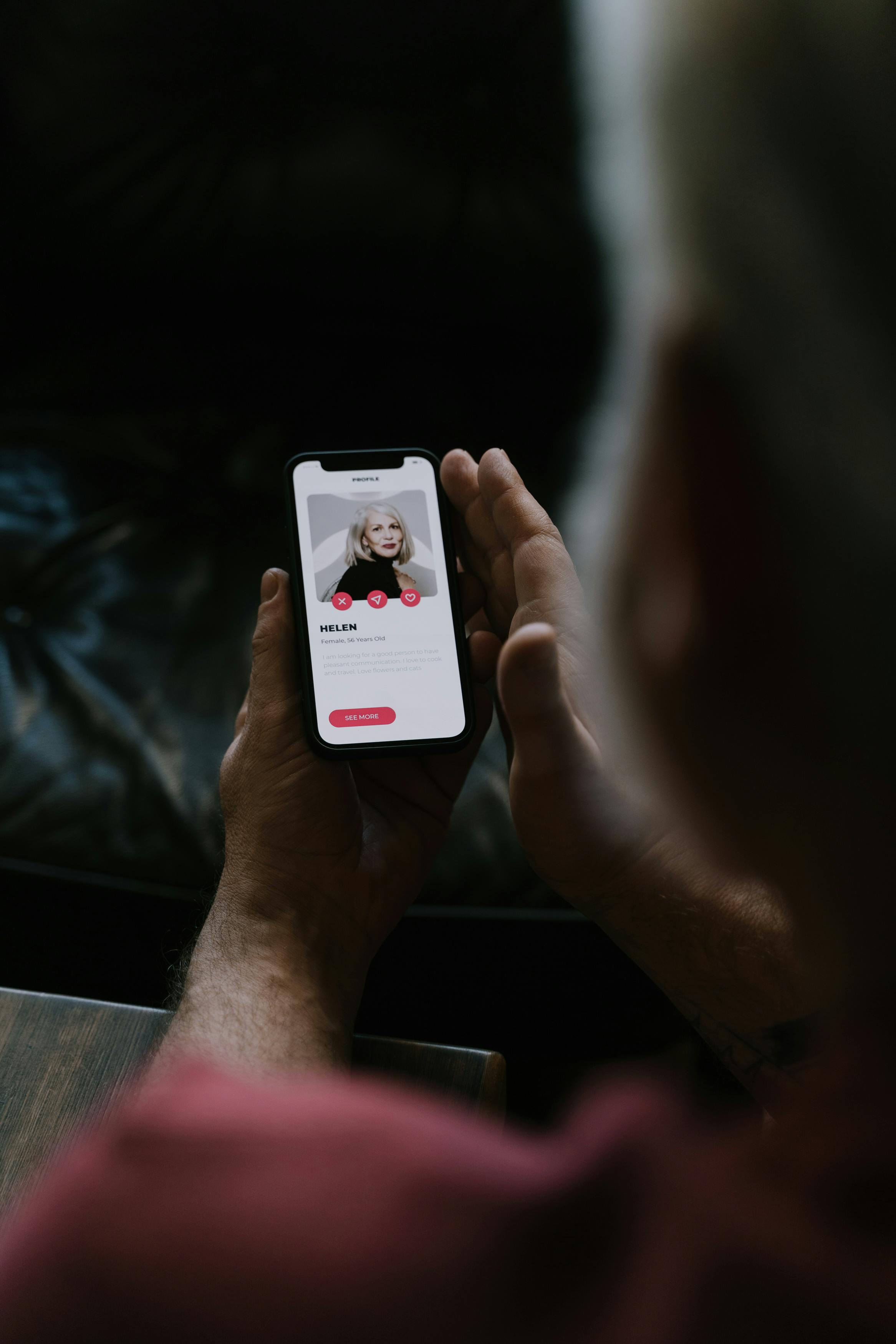
The catch arrives on day three. When the blur lifts and you finally see who you've been messaging, the same looks-based judgement Tribal claims to eliminate simply resurfaces later in the funnel. The app hasn't solved superficiality—it's just delayed it.
A 72-hour photo delay doesn't rewire attraction dynamics, it just postpones them. That's not progress, that's inefficiency dressed up as depth.
The Science Question
Tribal founder Dr Indy Kaur, a UK-based clinical psychologist, positions the questionnaire as research-backed. The app's promotional materials claim that 'each of the 44 questions are based on scientific research,' though Tribal hasn't disclosed which studies inform the questionnaire or which psychometric frameworks underpin the matching algorithm. This matters because compatibility science remains academically contested.
Create a free account
Unlock unlimited access and get the weekly briefing delivered to your inbox.
The foundational claims of services like eHarmony—that personality assessment can predict relationship success—have faced substantial criticism in peer-reviewed literature. A 2012 Psychological Science in the Public Interest paper found minimal evidence supporting algorithmic matching. Without transparency about its methodology, Tribal's scientific credentials remain assertions rather than verified claims.
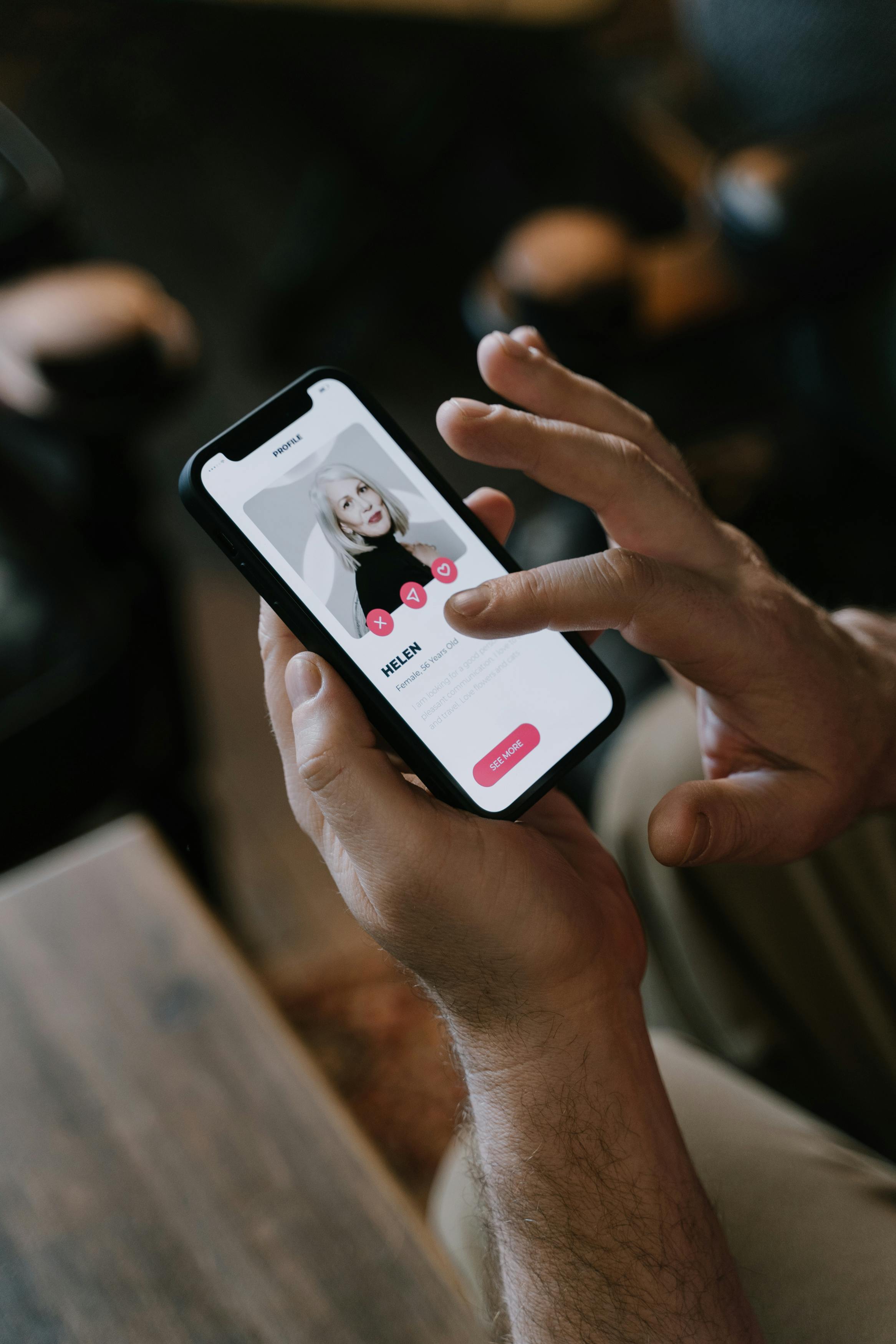
What Tribal has disclosed is its dual-track approach: users select whether they're seeking romantic connections or friendships when they sign up. The company describes this as addressing post-pandemic loneliness, which has been documented extensively by the Office for National Statistics. But dual functionality creates product confusion that could undermine the core experience.
Dating apps work because they solve for explicit intent. Blurring that intent by mixing romance-seekers with friendship-seekers risks muddying match quality and user experience. Bumble tried this with Bumble BFF in 2016 and has never disclosed adoption figures, which tells you everything about traction.
The Economics of Anti-Superficial Positioning
Tribal enters a crowded field of apps marketing themselves as antidotes to appearance-first dating. Hinge rebuilt its entire brand around being 'designed to be deleted' starting in 2016, though Match Group hasn't broken out whether Hinge users actually delete faster or simply churn at comparable rates to Tinder. The anti-swipe positioning generates headlines, but converting that into sustainable growth remains elusive.
S'More launched in 2019 with a gradual photo reveal mechanic—profiles start blurred and clarify as users interact—and raised $2.5M in seed funding. The company hasn't disclosed user numbers or revenue since 2020, suggesting the model failed to achieve meaningful scale. Once built its brand on single daily matches rather than infinite swiping, then sold to Match Group in 2018 for an undisclosed sum and was eventually wound down.
The pattern holds: anti-swipe positioning generates press coverage and early adopter interest, but converting that into sustainable user growth proves harder.
Tribal hasn't disclosed funding, user numbers, or monetisation strategy. Without those fundamentals, it's impossible to assess whether this is a venture-backed attempt at market share or a smaller operation testing differentiated positioning. The company is reportedly available on iOS and Android, suggesting sufficient development capital to build for both platforms simultaneously.
Kaur's clinical background does provide differentiation from the typical founder profile. According to company materials, she observed that her clients' mental health deteriorated after using traditional dating apps, which prompted the development of Tribal's model. That observation aligns with published research—a 2020 study in Cyberpsychology, Behavior, and Social Networking found associations between Tinder use and body image concerns, particularly among women.
When the Blur Lifts
The fundamental tension in Tribal's model surfaces at the 72-hour mark. Users have spent three days messaging someone based purely on questionnaire compatibility. They've invested time, exchanged messages, perhaps built rapport. Then the photos unlock.
If there's no physical attraction, that invested time becomes sunk cost. The user has to restart the process with a new match, having spent 72 hours in a holding pattern. If there is attraction, the app can claim success—though correlation isn't causation.
The broader question is whether the dating app crisis is actually about photos appearing too early in the experience. User complaints about swipe fatigue centre on match volume versus match quality, conversation death rates, and the time investment required to move from app to actual date. Blurring photos for 72 hours addresses none of those pain points.
Investors and operators tracking the niche dating app category will recognise this as part of a recurring pattern: new apps identify a legitimate user frustration, propose a structural solution, and market it as scientific innovation. What they rarely provide is longitudinal data showing better relationship formation, lower churn, or higher user satisfaction scores. Without that evidence, anti-superficial positioning remains brand differentiation rather than product innovation.
The test for Tribal comes after launch. Can it convert downloads into retained users who complete multiple match cycles? Does the 72-hour blur actually improve conversation quality, or do users simply wait three days before making the same snap judgements they'd make on Hinge? And most crucially: will users who want personality-first matching tolerate the efficiency loss of a three-day photo delay, or will they migrate back to apps that let them see their matches immediately?
Key Takeaways
- •Delaying photo visibility in dating apps shifts visual evaluation later into the user conversion funnel rather than removing appearance-based attraction criteria from match outcomes.
- •Combining romantic matching with friendship discovery within a single application risks creating product confusion and diluting match intent for dating app operators.
- •Alternative matching mechanics require long-term user retention data and verified relationship outcomes to demonstrate true product innovation rather than temporary brand differentiation.
Frequently Asked Questions
Technology & AI Desk
The DII Technology Desk reports on product, engineering, AI and platform infrastructure across dating and social discovery apps.
Comments
Join the discussion
Industry professionals share insights, challenge assumptions, and connect with peers. Sign in to add your voice.
Your comment is reviewed before publishing. No spam, no self-promotion.