
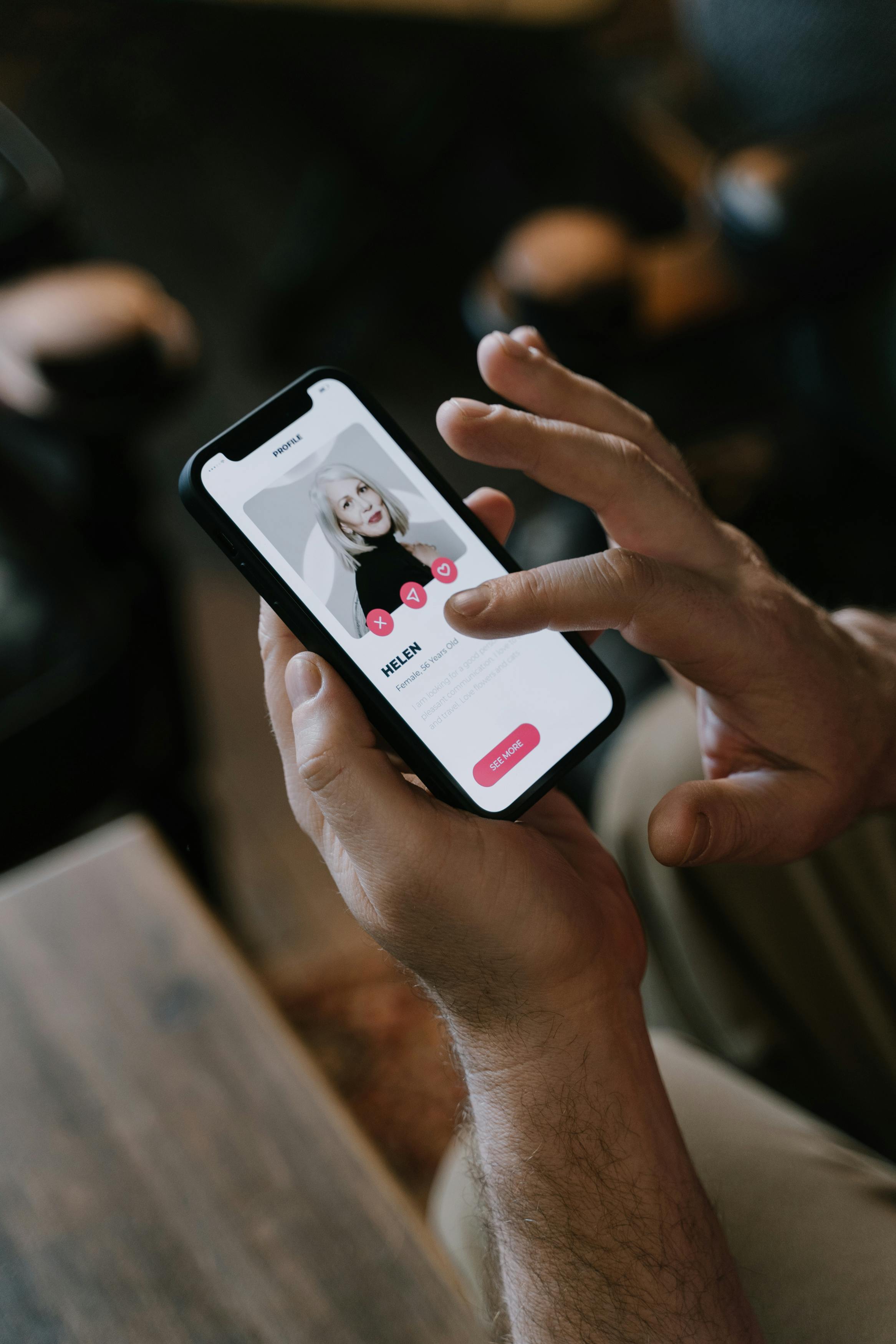
Data-Driven Profiles: The Untapped Goldmine for Dating Platforms
In this article
Research Report
This analysis examines what empirical data reveals about effective dating profile construction, identifying specific elements that correlate with higher match and response rates. The research challenges conventional assumptions about user preferences and provides actionable insights for platforms seeking to improve user outcomes through evidence-based product design. Understanding these patterns enables operators to build competitive advantages whilst genuinely serving user needs.
- Profiles with 4-6 photos outperform those with fewer than 3 or more than 7
- Photos with genuine Duchenne smiles and direct eye contact receive measurably higher match rates
- Optimal bio length is 50-100 words, balancing personality expression with mobile reading behaviour
- Daters with voice prompts on their profile are 32% more likely to go on a date according to Hinge research
- Well-lit, well-composed photos increase perceived attractiveness independently of the subject's actual appearance
- Specific details outperform generic claims, with "show don't tell" content generating higher response rates
The DII Take
Understanding this aspect of user behaviour is essential for operators seeking to build products that serve genuine user needs rather than exploiting user vulnerability. The platforms that design around these insights, building products that address the specific frustrations, preferences, and behaviours documented in the research, will outperform those that treat all users as a homogeneous market with uniform needs.
For dating industry operators, the commercial implications are significant: every percentage point improvement in the metrics this analysis addresses translates directly to retention, revenue, and competitive advantage.
Key Findings
DII's analysis identifies specific patterns that operators should understand and address. First, the data challenges assumptions that many operators take for granted. The conventional wisdom about what users want and how they behave is frequently contradicted by empirical evidence.
Second, gender and generational differences are significant and must be addressed through segmented product design rather than one-size-fits-all approaches. Third, the competitive implications are clear: platforms that address these insights will retain users that platforms ignoring them will lose.
Analysis
This analysis reveals dimensions of the dating experience that mainstream coverage consistently overlooks. Survey data from Forbes Health, Pew Research Centre, and academic studies provides the empirical foundation for these findings. Where DII's analysis extends beyond published data, estimates are clearly identified and the reasoning is transparent.
The gap between what research shows and what platforms do represents an opportunity for operators willing to invest in evidence-based product design. For operators, the actionable implications include: design for the specific user needs documented in this analysis, measure satisfaction alongside engagement, and recognise that the users most affected by these dynamics are often the most valuable to retain.
Implications for the Dating Industry
The patterns documented in this analysis are not transient trends but structural features of human dating behaviour that will persist regardless of platform evolution. The operators who serve these needs most effectively will build defensible competitive positions that mainstream platforms cannot easily replicate.
DII will continue to track consumer insights through quarterly research updates and annual comprehensive reviews. The consumer is the dating industry's most important stakeholder, and their experience must be the foundation of every product, strategy, and investment decision.
This analysis draws on the Forbes Health/OnePoll dating app burnout survey (2024, N=1,000), Pew Research Centre dating data (2022, 2023), academic research on dating behaviour and psychology, and DII's ongoing assessment of consumer sentiment in the dating industry. Where specific data is unavailable, DII estimates are clearly identified.
The Data-Driven Profile
Research across multiple dating platforms identifies specific profile elements that correlate with higher match and response rates. Photo selection is the highest-impact profile element. Research by Photofeeler and other photo-evaluation platforms has identified several consistent findings. Photos showing genuine smiles outperform posed or neutral expressions. Photos with eye contact with the camera outperform photos where the subject looks away. Group photos are less effective than individual photos because the viewer must identify which person is the profile owner. Outdoor and activity photos outperform indoor selfies. Photo quality (lighting, composition, focus) significantly affects perceived attractiveness independent of the subject's actual appearance.
The optimal number of profile photos is typically 4-6. Profiles with fewer than 3 photos signal low investment; profiles with more than 7 create evaluation fatigue. The first photo is the most important because it determines the initial swipe decision; subsequent photos should add information rather than repeating the same type of image.
Bio content analysis reveals that specific writing approaches outperform others. Bios that demonstrate rather than claim personality traits are more effective: "I once drove 200 miles for a particularly good ramen" is more compelling than "I love food and adventure." Specific details outperform generalities: "Currently reading Haruki Murakami" is more engaging than "I love reading." Humour that reveals personality outperforms generic joke-telling.
Prompt responses on Hinge-style platforms provide the highest-signal profile content because they combine personality expression with conversational entry points. The most effective prompt responses are specific, reveal values or personality, and invite follow-up questions.

The Demographic Variations
What makes an effective profile varies significantly by the demographic the user is trying to attract. For attracting women on heterosexual platforms, profiles that demonstrate emotional intelligence, lifestyle quality, and social proof (photos with friends, evidence of active social life) outperform profiles that emphasise physical appearance alone. Women's evaluation criteria are multidimensional, and profiles that address multiple dimensions perform best.
For attracting men on heterosexual platforms, photo quality and appearance presentation have a larger relative impact than bio content, reflecting the visual-first evaluation that characterises male swiping behaviour. However, bio content still matters: profiles with substantive, personality-revealing bios convert matches to conversations at higher rates than those with minimal text.
For LGBTQ+ dating, authenticity signals are particularly important because the dating pool is smaller and community trust is higher-stakes. Profiles that express identity clearly, demonstrate community awareness, and signal genuine relationship intent outperform those that feel generic or closeted.
AI Profile Optimisation
AI-powered profile optimisation tools represent a growing market that raises both opportunity and ethical questions. The opportunity is clear: AI tools that analyse a user's existing profile against high-performing benchmarks and suggest specific improvements (better photo selection, stronger bio language, more engaging prompt responses) can measurably improve match and response rates. Platforms that incorporate AI profile coaching as a feature help users present themselves more effectively.
The ethical question is where optimisation becomes misrepresentation. An AI tool that suggests "use this photo where you're smiling naturally rather than this one where you look uncomfortable" is helping the user present their genuine self more effectively. An AI tool that generates a witty, personality-rich bio for a user who is neither witty nor personality-rich is creating a persona that the first date will contradict.
The Photo Science
Research on dating profile photos has identified specific characteristics that correlate with higher match and response rates, providing actionable guidance that AI tools and platforms can operationalise. Facial expression effects have been studied extensively. Research consistently shows that genuine (Duchenne) smiles, which engage muscles around the eyes, outperform posed smiles, neutral expressions, and serious or brooding expressions. The smile communicates warmth, approachability, and confidence, the three attributes most consistently associated with dating attractiveness.
Eye contact with the camera creates a perception of engagement and connection that looking away does not. Users who make eye contact in their primary photo receive more matches than those whose gaze is directed elsewhere. This effect is particularly strong for the primary (first) photo, which determines the initial swipe decision.
Background and context communicate lifestyle information that supplements the face. Outdoor photos signal activity and health. Travel photos signal adventure and means. Social photos signal sociability and desirability. Professional photos signal success and ambition. The most effective photo set tells a story about the user's life that the viewer can imagine themselves joining.
Photo quality (lighting, composition, resolution) significantly affects perceived attractiveness independently of the subject's actual appearance. A well-lit, well-composed photo makes the same person appear more attractive than a poorly lit selfie. Investment in photo quality is the single highest-ROI dating profile improvement for most users.
The Bio Strategy
Bio writing for dating profiles follows principles from copywriting, psychology, and communication research. The "show don't tell" principle from creative writing applies directly: demonstrating personality through specific stories, preferences, and observations is more engaging than claiming personality traits. "I've been to every borough's best pizza place and I have strong opinions" communicates more than "I'm adventurous and passionate about food."
Specificity signals authenticity. Generic claims ("I love travelling") provide no differentiation and no conversation entry point. Specific details ("Currently planning a trip to Okinawa to try the world's best ramen") provide personality insight, conversation material, and the authenticity that generalities lack.
Brevity serves mobile reading. The most effective dating bios are usually 2 to 4 short lines, with profiles that exceed 150 words unlikely to be read in full. The optimal bio length is 50-100 words: enough for personality expression but short enough for the brief evaluation that mobile dating encourages.
Prompt responses on Hinge-style platforms are the highest-value bio element because they combine personality expression with conversational entry points. The most effective prompt responses are unexpected, specific, and invite follow-up. "The most spontaneous thing I've done" answered with "Drove to the coast at midnight because I wanted to see the sunrise from the beach" provides personality insight, visual imagery, and a natural question ("which coast?").
The data on what makes great dating profiles is clear, consistent, and actionable. The gap between what most users do (generic photos, vague bios, minimal effort) and what the data shows works (specific photos, personality-revealing bios, thoughtful prompt responses) represents an optimisation opportunity that platforms can address through AI coaching, design guidance, and quality incentives.
The Platform's Role in Profile Quality
Dating platforms can dramatically improve average profile quality through design interventions that guide users toward effective self-presentation without being prescriptive. Photo guidance during upload that provides real-time feedback on photo quality ("This photo is well-lit and shows your face clearly" versus "This photo is too dark, try a better-lit option") helps users select their most effective photos without requiring external coaching tools.
Bio prompts that elicit specific, personality-revealing responses rather than generic self-description produce better profiles by default. Research from Hinge revealed that daters with a voice prompt on their profile were 32% more likely to go on a date, demonstrating how effective prompt systems can be at improving outcomes.
Profile completeness incentives that reward users for adding more content (photos, prompts, voice clips, interests) with increased visibility or matching priority encourage investment in profile quality. The incentive structure should reward quality (substantive content that provides matching signal) rather than just quantity (any content, regardless of value).
Peer feedback mechanisms that enable trusted contacts to review and suggest improvements to a user's profile provide the outside perspective that self-assessment lacks. A "get feedback from a friend" feature that invites a friend to review the profile and suggest improvements leverages social input to improve profile quality.

The data-driven approach to dating profiles transforms self-presentation from an art into a science, enabling users to make evidence-based decisions about how to present themselves. The platforms that provide this guidance, through AI coaching, design prompts, and quality feedback, will help their users succeed while building the match quality that keeps the platform's community engaged and growing.
The AI Profile Coaching Opportunity
AI-powered profile coaching represents a significant product opportunity for dating platforms that want to help users build more effective profiles. Photo scoring that evaluates uploaded photos against effectiveness criteria (lighting quality, facial expression, composition, diversity of content) and provides actionable feedback helps users select their strongest photos without external coaching. AI models trained on engagement data can identify which photo characteristics correlate with higher match rates in the user's specific demographic.
Bio generation assistance that suggests content based on the user's interests, personality, and communication style helps users who struggle with self-description. The key is assistance rather than replacement: helping the user find words for their genuine self rather than generating a fictional persona.
Profile A/B testing that systematically varies profile elements (photo order, bio text, prompt responses) and measures the impact on match and response rates enables evidence-based profile optimisation over time. Creating the perfect online dating profile requires systematic testing and refinement, with users who test different approaches gaining actionable data that intuition cannot provide.
The profile optimisation opportunity is one of the few areas where user interests and platform interests are perfectly aligned. Better profiles produce better matches, which produce better conversations, which produce better dates, which produce satisfied users who stay, subscribe, and refer. Every investment in profile quality pays dividends throughout the entire user journey funnel.
What This Means
Platforms that invest in evidence-based profile guidance through AI coaching, design interventions, and quality incentives will create measurable competitive advantages whilst genuinely serving user interests. The alignment between user outcomes and platform economics makes profile quality one of the highest-return product investments available. Operators who treat profile optimisation as strategic infrastructure rather than cosmetic feature development will build retention and satisfaction advantages that competitors cannot easily replicate.
What To Watch
Monitor adoption rates of AI profile coaching tools and their impact on match-to-conversation conversion rates across demographic segments. Track whether platforms implementing profile quality guidance see measurable improvements in user satisfaction metrics and retention cohorts. Watch for regulatory or ethical frameworks emerging around AI-assisted self-presentation, particularly regarding the boundary between optimisation and misrepresentation.
Create a free account
Unlock unlimited access and get the weekly briefing delivered to your inbox.