

Yearning Culture Tests Dating Apps' Ability to Reward Vulnerability
Key Points
- •Google searches for yearning increased by 102 percent over the past two years, while romance book searches grew 67 percent during the same period.
- •According to NPD BookScan data, sales of romance category books grew 19 percent year-on-year in 2024.
- •Match Group maintains a 6.99 billion dollar market cap while planning to wind down its stacks and tabs interface across several brands.
- •Chief Executive Officer Bernard Kim highlighted dating app fatigue during an earnings call, citing burnout from performative user behaviour on platforms.
Playing it cool is out. Openly pining is in. At least that's what the internet would have you believe, as "yearning" content floods social media feeds and TikTok declares 2025 the era of yearner girl summer. For dating operators, this raises an uncomfortable question: has the swipe-and-ghost infrastructure created user behaviour that's now being rejected, or is this merely the latest aesthetic repackaging of romantic desire for social media engagement?
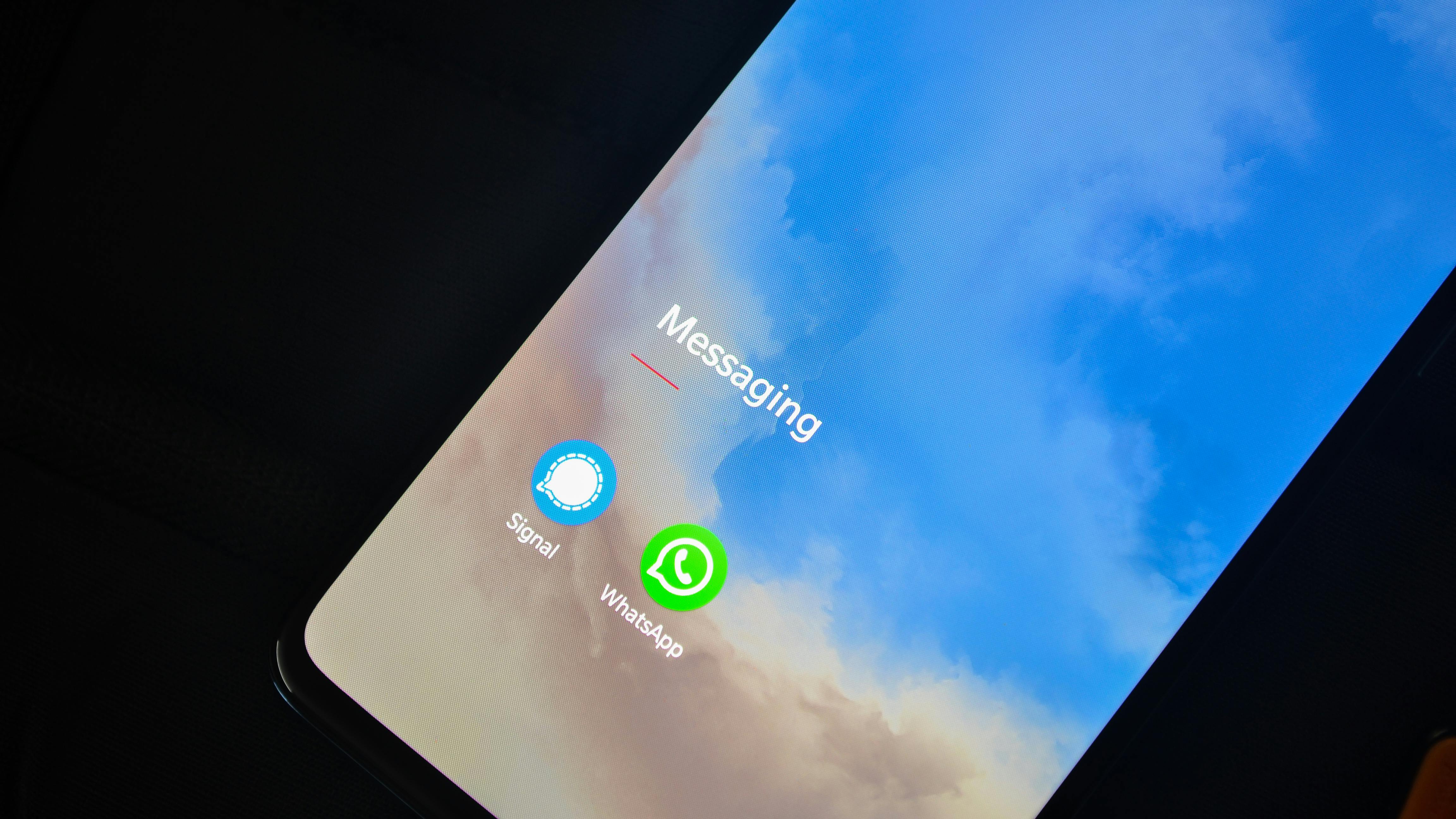
This is a cultural moment worth watching, but operators should approach it with scepticism about translation to product. Social media romanticises yearning precisely because the performance of desire is safer than its practice. The real test isn't whether #yearnergirlsummer trends – it's whether Match Group (MTCH) or Bumble (BMBL) can build features that reward vulnerability without immediately weaponising it.
How Dating Apps Taught Users to Perform Indifference
The critique isn't new, but it's worth stating plainly: dating app design has spent fifteen years optimising for engagement metrics that directly conflict with romantic connection. Gamified matching mechanics reward volume over intention. Infinite scrolling creates disposability. The swipe itself – a gesture borrowed from deletion – became the foundational interaction.
Create a free account
Unlock unlimited access and get the weekly briefing delivered to your inbox.
What followed was predictable user adaptation. Match rates improved for those who posted carefully curated photos signalling casual unavailability. The singles who treated dating apps like a video game outperformed those treating them like, well, dating.
This wasn't accidental. As Bernard Kim noted during Bumble's Q3 2024 earnings call, the company has spent years wrestling with what he termed "dating app fatigue" – users burnt out not just by poor matches, but by the performative labour the platforms demand. Match Group has acknowledged similar dynamics.
In January, the company announced plans to wind down its "stacks and tabs" interface across multiple brands in favour of what CEO Bernard Kim called "more intentional discovery" features. Whether those product pivots address performative detachment or simply rebrand it remains unclear.
The Vulnerability Economy Meets Dating
Gen Z's relationship with emotional transparency differs markedly from millennial irony culture. Mental health disclosure on dating profiles has become standard. Therapy speak dominates relationship discourse. Vulnerability, at least in theory, carries social currency.

The "yearning" trend fits this shift. On TikTok and Instagram, users openly discuss romantic longing, reference Romantic poets, and celebrate fictional characters who pine without restraint. The aesthetic borrows from period dramas, classical literature, and a pre-digital era of courtship where desire was expressed through letters rather than viewed stories.
But here's where the numbers require scrutiny. A 102% increase sounds dramatic until you consider the baseline. Google Trends measures relative search interest on a 0-100 scale, not absolute volumes. Without disclosed search volumes, "doubling" could mean movement from genuinely niche to moderately popular.
The gap between consuming romantic content and changing dating behaviour is substantial. Watching Bridgerton doesn't mean you'll stop ghosting matches.
What Yearning Culture Means for Product
If the trend reflects genuine user appetite for platforms that reward emotional honesty, dating apps face a design challenge. Current features punish vulnerability. Earnest messages get lower response rates than casual openers. Expressing clear interest triggers "ick" responses.
Several smaller platforms have attempted to build for authenticity. Thursday pivoted towards in-person events after acknowledging its app-based model wasn't delivering. Hinge's "designed to be deleted" positioning at least names the tension, though its swipe-adjacent mechanics remain largely unchanged.
Match Group's recent moves suggest awareness of the problem without clear solutions. The company has tested video profiles, voice notes, and AI-assisted conversation starters. These features might reduce friction, but none directly address whether the platform rewards people for expressing genuine interest.

The economic incentive problem persists. Dating apps monetise time on platform. Users who match quickly and leave represent revenue loss. Building for yearning – for people who know what they want and pursue it directly – conflicts with the subscription and à la carte monetisation models that prop up MTCH's $6.99B market cap.
The Performance of Authenticity
Perhaps the shrewdest reading of yearner girl summer is that it represents not a rejection of performance, but its evolution. Social media has always rewarded aesthetic identities: sad girl autumn, hot girl summer, clean girl, that girl. Yearning is the latest.
Performing vulnerability is still performance. Curating earnestness for TikTok is still curation. The risk for dating operators is mistaking online discourse about romantic authenticity for actual demand for products that enable it.
What's worth monitoring: whether this translates to changed behaviour in app usage patterns. Are users writing longer, more earnest messages? Are profiles becoming less curated? Match Group and Bumble both have the data to track these shifts in real time. Whether they'll disclose them is another matter.
The trend also intersects with the industry's ongoing trust crisis. As regulatory pressure mounts around safety and verification – particularly following the UK Online Safety Act's implementation – platforms may find opportunity in positioning themselves as spaces for genuine connection rather than casual browsing. That narrative serves both user acquisition and regulatory defence.
But building for it requires more than aesthetic repositioning. It requires rethinking core engagement mechanics that have defined the category for over a decade. Based on recent product announcements from major operators, that rethinking hasn't begun in earnest.
Key Takeaways
- •Dating app operators face a fundamental conflict between subscription monetisation models built on platform time and growing user demand for features enabling direct connection.
- •Product and compliance teams can use authentic connection positioning to address user burnout while meeting safety standards under the United Kingdom Online Safety Act.
Frequently Asked Questions
Technology & AI Desk
The DII Technology Desk reports on product, engineering, AI and platform infrastructure across dating and social discovery apps.
Comments
Join the discussion
Industry professionals share insights, challenge assumptions, and connect with peers. Sign in to add your voice.
Your comment is reviewed before publishing. No spam, no self-promotion.


