Spotify's Group Messaging Removes One More Reason to Open a Dating App
Key Points
- •Spotify expanded its messaging features in late January 2026 by launching group chats for up to 10 users across iOS and Android.
- •Match Group has integrated Spotify music compatibility signals into Tinder profiles since 2016 to encourage user matches and conversations.
- •Spotify group messaging is available to users aged 16 and above, providing encryption in transit and at rest without end-to-end encryption.
- •Bumble and Hinge also utilise music features to help users demonstrate cultural preferences on their respective dating profiles.
Match Group spent nearly a decade integrating Spotify into Tinder profiles, betting that shared music taste would drive matches and conversation. That investment just got more complicated. Spotify's rollout of group messaging marks the latest encroachment by a major platform into territory dating operators have long considered their own.
The feature, announced in late January 2026, expands on the one-on-one messaging tool Spotify launched in August 2025. Conversations are restricted to users who've already connected through collaborative playlists, Jam sessions, or Blends. Available to both free and premium subscribers aged 16 and above, the tool is rolling out gradually across iOS and Android.
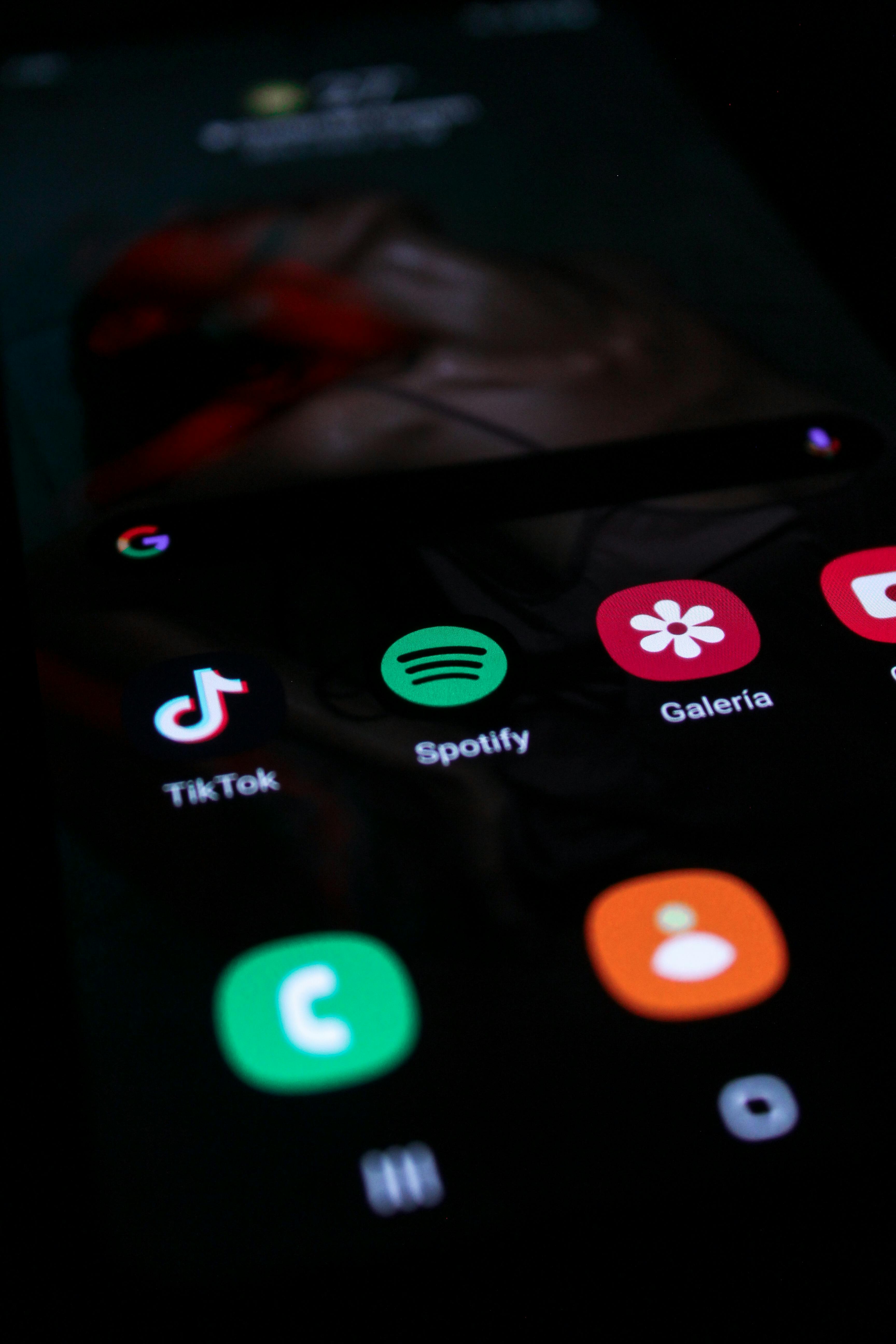
Music taste as social currency—now native to the source
Dating apps have long treated musical preference as a proxy for compatibility. Tinder users can display their top artists directly on profiles. Bumble offers an 'anthem' feature. Hinge prompts users to share songs that define them.
Create a free account
Unlock unlimited access and get the weekly briefing delivered to your inbox.
According to Match Group's own product announcements, Spotify integration on Tinder has been one of the platform's most-used profile features since its introduction. Bumble has similarly emphasised music as a core element of its profile-building tools. The investment reflects a broader industry consensus that musical compatibility matters—not just as a matching signal, but as social proof that someone occupies a similar cultural space.
What's changed is that Spotify now offers a pathway to let those connections develop without ever opening a dating app.
A user discovers someone through a collaborative playlist, starts a Jam session, exchanges messages about a new album, and can let that relationship evolve organically without the explicit framing of 'I am looking for a romantic partner'. For users who find dating apps transactional or exhausting, that's an attractive alternative.
The boundary between music friends and romantic interest has always been porous
Spotify positions this as a feature to 'enhance shared listening experiences', not as social networking. The company told press outlets that the tool is meant to complement external messaging apps, not replace them. By keeping the feature tethered to existing connections and framing it as content-sharing rather than social discovery, Spotify avoids the baggage that comes with positioning as a social platform.

But the practical reality is messier. Collaborative playlists and Jam sessions already function as low-stakes social interactions. Adding messaging simply formalises what users were already doing through external apps or DMs on other platforms. The lack of end-to-end encryption and the 16+ age requirement suggest Spotify expects these to be casual, public-facing interactions.
For dating operators, the question isn't whether Spotify intends to compete for romantic connections. It's whether the platform inadvertently becomes a venue where those connections happen anyway—and whether that siphons off users who might otherwise have turned to a dating app to find someone with similar taste.
Competitive context: every platform wants to own the social graph
Spotify isn't alone in bolting social features onto content platforms. Apple Music has introduced collaborative playlists and shared listening sessions. SoundCloud and Bandcamp have long emphasised community tools. Even TikTok, which already functions as a de facto music discovery engine, continues to refine its messaging and social features.
The pattern is clear: platforms that control content discovery increasingly want to control the social interactions that follow.
For dating apps, that's a problem. Much of their value proposition rests on being the place where people go to meet others based on shared interests—music, film, hobbies. If those interests can now be explored and discussed natively within the platforms where they're consumed, dating apps risk becoming less essential to the discovery process.
Match Group has tried to pre-empt this by deepening integrations with Spotify and other content platforms, positioning dating apps as the connective tissue between interests and relationships. But that strategy assumes users still want a dedicated app for romantic discovery. The rise of 'dating-adjacent' social platforms—Reddit communities, Discord servers, niche interest groups—suggests a growing cohort of users prefer relationships that emerge organically from shared activity.

What this means for operators
Dating apps retain significant structural advantages. They offer explicit intent, algorithmic matching, and tools designed specifically for romantic connection. Spotify's group chats, by contrast, are capped at 10 users, restricted to existing connections, and lack the trust and safety infrastructure dating platforms have spent years building.
But the threat isn't that Spotify becomes a dating app. It's that music platforms become good enough at facilitating connection that a segment of users—particularly younger cohorts already sceptical of traditional dating apps—choose to meet people there instead. That segment may be small today. It won't stay small if more platforms follow Spotify's lead on social listening features.
Operators should be tracking how users engage with music-based features and whether those features correlate with longer conversations or successful matches. If music compatibility is genuinely driving connection, investing further in those integrations makes sense. If it's become table stakes—a feature users expect but don't actively engage with—then the moat is shallower than product teams might hope.
Key Takeaways
- •Dating app operators face strategic challenges as content platforms like Spotify enable organic social connections without requiring dedicated dating marketplaces.
- •Match Group and Bumble must assess whether music compatibility signals drive measurable user retention or merely represent baseline profile features.
Frequently Asked Questions
Technology & AI Desk
The DII Technology Desk reports on product, engineering, AI and platform infrastructure across dating and social discovery apps.
Comments
Join the discussion
Industry professionals share insights, challenge assumptions, and connect with peers. Sign in to add your voice.
Your comment is reviewed before publishing. No spam, no self-promotion.