Greed Dating's £0.80 Verification: A Challenge to Industry Excuses
Key Points
- •Greed Dating launched a facial verification system that costs £0.80 per thousand users, using a 15-second liveness check and facial age estimation.
- •At Bumble's scale of three million new quarterly registrations, Greed Dating's pricing model would equate to basic verification costs in the low tens of thousands.
- •The UK Online Safety Act requires dating platforms to implement mandatory age verification and heightened duty of care obligations for registered users.
- •Greed Dating has not disclosed accuracy rates, false positive metrics or third-party technology providers for its new identity verification system.
A bootstrapped dating platform has just demolished the cost argument that major operators have used to resist stringent identity verification. Greed Dating's new facial verification system, launched this month, claims to process users for £0.80 per thousand—a figure that, if accurate even directionally, makes the objections from Match Group and Bumble look less like legitimate concerns and more like defensive posturing ahead of Ofcom's regulatory hammer.
The timing is deliberate. With the Online Safety Act implementation roadmap tightening, dating platforms face mandatory age verification and heightened duty of care obligations. Greed Dating is betting that safety-first positioning will become a competitive moat in a market where trust is everything.

The £0.80 figure is unverified, self-reported, and almost certainly incomplete—it won't include customer support costs for failed verifications, appeals, or ongoing compliance overhead. But even if the real figure is three times higher, it's still low enough to make most cost-based objections to verification sound like defensive posturing.
Create a free account
Unlock unlimited access and get the weekly briefing delivered to your inbox.
The more uncomfortable question for incumbents isn't whether verification is affordable. It's whether they've spent years resisting it because it might expose just how severe their fake profile problems actually are.
What the system actually does
Greed Dating describes the verification process as a one-time check during account creation. Users are prompted to complete a facial scan that detects liveness—typically involving a blink, head turn, or similar micro-movement—to prevent spoofing with static photos. The system then uses facial age estimation to confirm the user is over 18.
The company hasn't disclosed which third-party provider powers the technology, nor has it shared accuracy rates, false positive or false negative metrics, or completion rates. Those details matter. Facial age estimation technology is well-documented to perform poorly across different ethnicities, lighting conditions, and for individuals near age boundaries.
A system that rejects legitimate users at high rates doesn't cost £0.80 per thousand—it costs significantly more once you account for support tickets, manual review, and user churn. Greed Dating also hasn't clarified whether this system would satisfy Ofcom's final OSA requirements, which remain subject to technical guidance still being finalised.
Still, the system does address two live problems: it confirms a human is present, which directly targets bot accounts and catfishing, and it creates a compliance audit trail that demonstrates good-faith effort to verify age—a meaningful defence if Ofcom comes knocking.
The cost argument collapses
If Greed Dating's £0.80 per thousand figure is even directionally accurate, it reframes the economics of verification for the entire dating sector. Consider the maths. A platform onboarding 100,000 new users per month would pay £80 for verification under Greed Dating's model.
Annualised across 1.2 million users, that's £960. Even a dating app at Bumble's scale—adding roughly 3 million new users per quarter based on disclosed registration trends—would face verification costs in the low tens of thousands per quarter, not the budget-breaking millions that industry lobbyists have implied in OSA consultations.
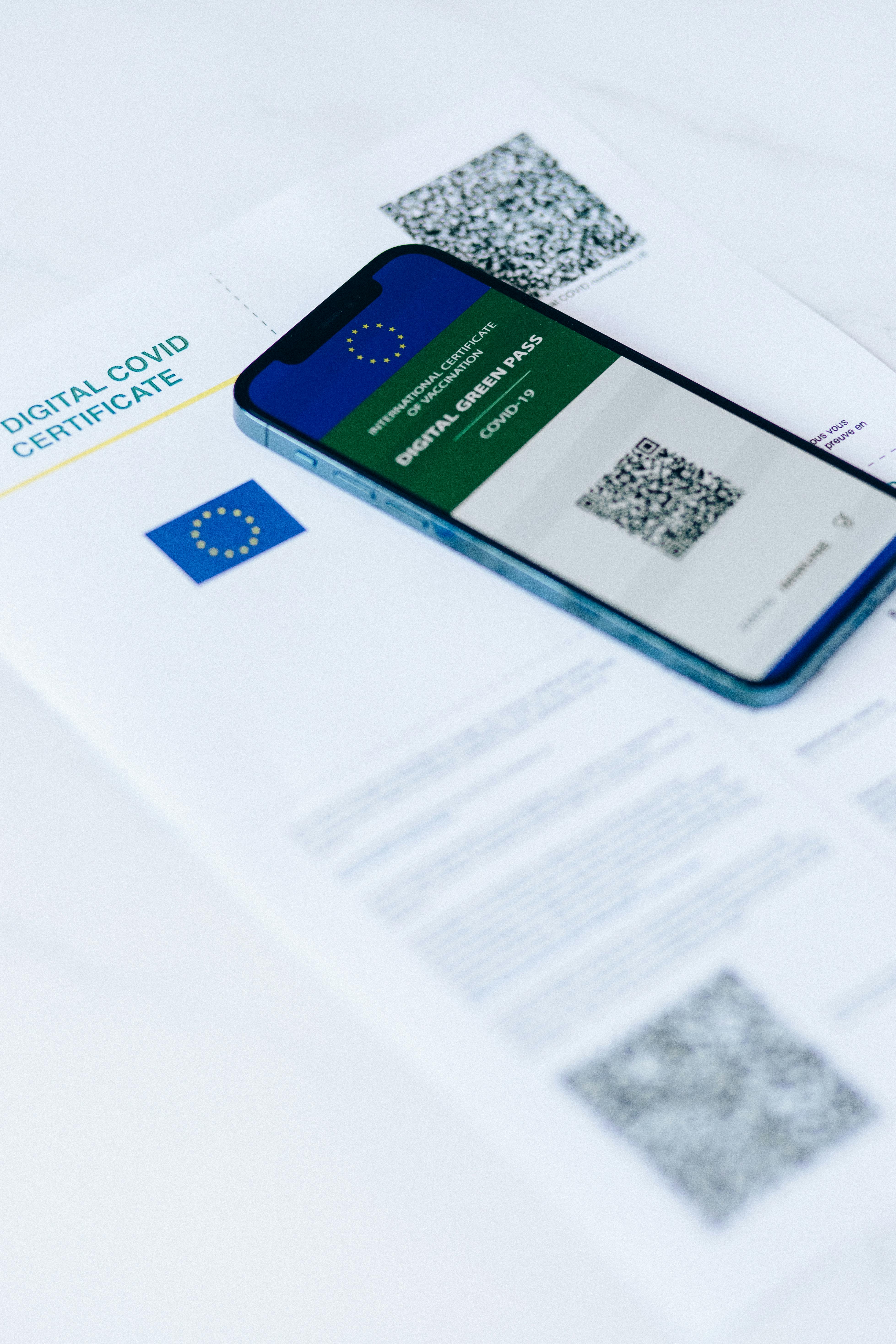
The calculus changes if accuracy issues drive up support costs or if platforms must layer additional checks—document verification, for instance—to meet Ofcom's standards. But the baseline cost of a liveness check and age estimate is evidently not prohibitive.
When Match Group or Bumble executives testify that verification would impose unsustainable financial burdens, they'll need to explain why a bootstrapped competitor can implement it for under £1 per thousand while they cannot.
The more plausible explanation is that verification imposes friction, and friction reduces conversion. That's a legitimate product concern, but it's a different argument entirely—one that places user acquisition above user safety. In the post-OSA regulatory environment, that's a harder case to make publicly.
Safety as product differentiation
Greed Dating's verification rollout follows its launch of AI-powered nudity detection earlier this year, suggesting a deliberate positioning strategy. The platform is leaning into safety as a core brand attribute rather than treating it as a compliance checkbox.
That approach has historical precedent. Hinge built material market share by positioning itself as "designed to be deleted" and emphasising intentional matching over endless swiping. Bumble's early growth was driven by women-first messaging and a brand promise of reducing harassment. Both platforms monetised trust.
Greed Dating appears to be testing whether a similar playbook works in 2025, with verification and AI moderation as the differentiators. The risk is that these features become tablestakes if regulation forces competitors to adopt them anyway. The advantage would evaporate.

But if Greed Dating can demonstrate measurably lower rates of fake profiles, scams, and harassment—and market that data effectively—it creates a moat that survives regulatory convergence. The question is whether users care enough about verification to tolerate the friction, and whether 15 seconds at onboarding is sufficiently low-friction to avoid materially harming conversion rates.
What happens when Ofcom clarifies requirements
Ofcom is expected to publish updated technical guidance on age assurance and identity verification for OSA-regulated services in the coming months. That guidance will determine whether facial age estimation alone is sufficient, or whether platforms must implement document checks, third-party age assurance services, or other layered methods.
If Ofcom mandates a higher standard, Greed Dating's current system becomes a partial solution rather than full compliance. But it still functions as a differentiator and a signal of intent. Platforms that haven't started implementing any verification will be visibly behind.
The broader implication is that the cost excuse is fading. If a low-budget dating app can deploy liveness detection and age estimation at sub-£1 per thousand users, the industry's larger operators will need a better explanation for why they haven't done the same.
Key Takeaways
- •Major dating app operators can no longer use financial burden as a defence against mandatory identity checks during UK Online Safety Act consultations.
- •Platform compliance teams must prepare for Ofcom guidance, as mandates requiring document checks beyond facial estimation could increase support ticket overhead and onboarding friction.
Frequently Asked Questions
Policy & Regulation Desk
The DII Regulatory Monitor tracks legislation, enforcement action, safety rules and compliance across dating industry markets.
Comments
Join the discussion
Industry professionals share insights, challenge assumptions, and connect with peers. Sign in to add your voice.
Your comment is reviewed before publishing. No spam, no self-promotion.