

PowerPoint Matchmaking: A Warning Signal for Dating Apps
Key Points
- •A 2024 Forbes survey revealed that 75% of Gen Z users reported feeling burnt out by dating apps.
- •Commercial venues in Sydney and Melbourne are backing sold-out PowerPoint matchmaking nights as revenue lines to monetise dating app frustration.
- •Dating platforms including Tinder, Bumble, and Cheers have tested friend-driven features, but none achieved meaningful traction relative to swiping mechanics.
Dating platforms have spent billions optimising algorithms to solve the matchmaking problem. In Australia, the solution that's drawing crowds to pubs involves Microsoft PowerPoint and drunk friends. Venues across Sydney and Melbourne are hosting live matchmaking nights where mates deliver presentation-style pitches for their single friends, and the format has moved beyond novelty status—events are selling out whilst organisers field venue requests from publicans who see commercial potential in monetising dating frustration.

The mechanic is deliberately lo-fi. Friends prepare slides, singles sit mortified—or occasionally enthusiastic—in the crowd, and attendees vote, mingle, exchange numbers. No swiping, no profile optimisation, no carefully curated photo grids. Just the blunt-force method of having someone who knows you vouch for your datability in front of a room full of strangers holding pints.
This isn't just quirky feature fodder—it's a commercial warning signal. When your target demographic would rather endure public humiliation via PowerPoint than open your app, you have a product crisis. The fact that friend-endorsed matchmaking is finding traction offline whilst identical features languish unused inside dating platforms tells you the problem isn't the mechanic—it's the environment.
Create a free account
Unlock unlimited access and get the weekly briefing delivered to your inbox.
Apps have optimised so aggressively for engagement metrics that they've engineered out the social proof that actually drives trust between potential partners.
App fatigue now has commercial infrastructure
Dating app disillusionment has moved past the complaint phase into the alternative-building phase. According to a 2024 Forbes survey, 75% of Gen Z users reported feeling burnt out by dating apps, citing repetitive interactions and a lack of genuine connection. That's not a user experience problem—it's a demographic exodus risk.
Offline dating formats are responding faster than platforms. Matchmaking dinners, speed dating reboots, and singles events have been proliferating across major metro markets for two years. What's changed is the willingness of commercial venues to back them as revenue lines rather than one-off stunts. Pubs and bars see an obvious play: pack venues midweek, charge entry or minimum spend, capture a demographic that's already socialising in hospitality venues anyway.
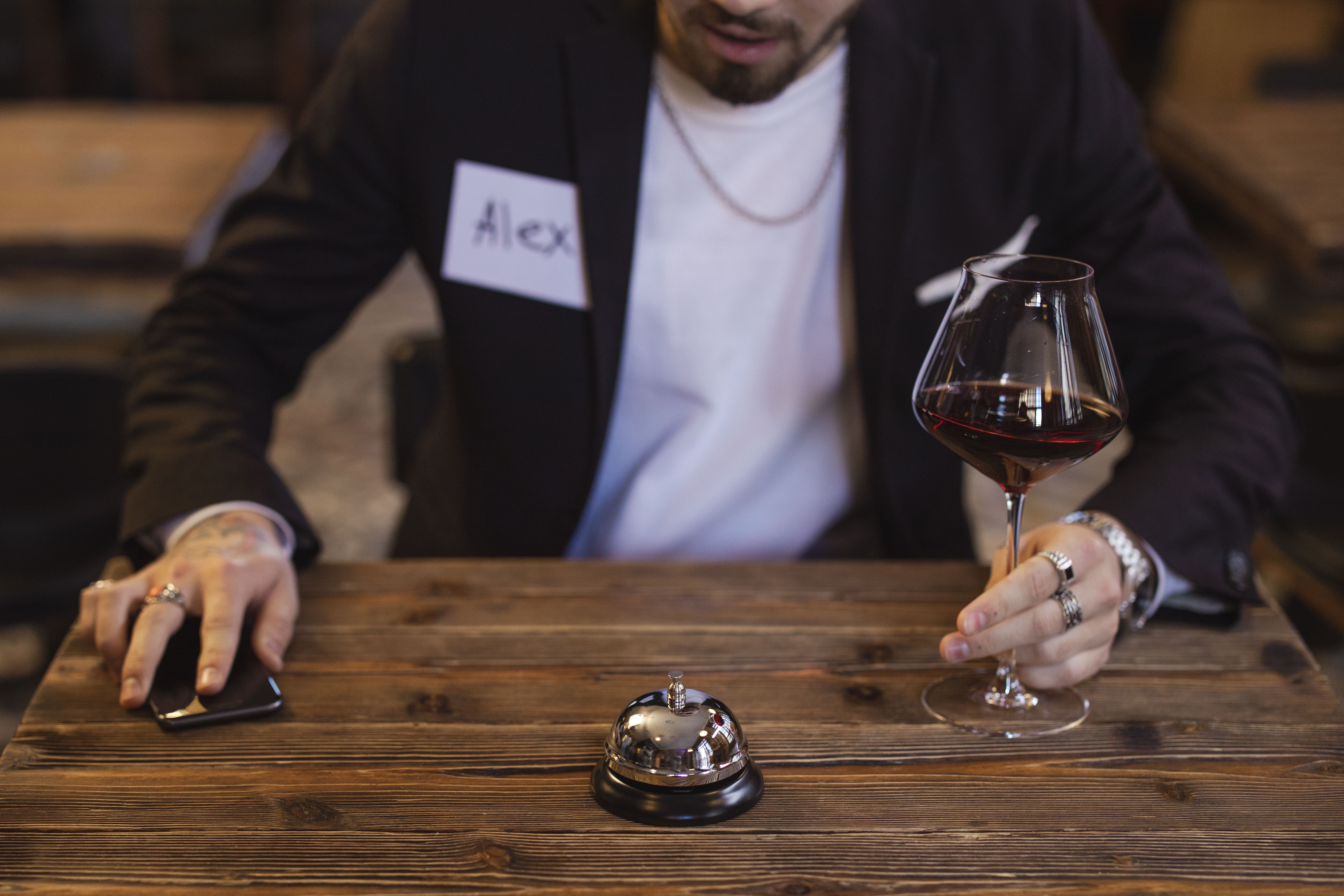
The PowerPoint format specifically taps something dating platforms have struggled to replicate: third-party validation. When a friend pitches you, they're staking their own social capital on your character. That's a fundamentally different trust signal than a verified badge or a bio claiming you're 'adventurous and love travel'. One carries social risk, the other is content moderation theatre.
Shannon Adikari, founder of dating app Cheers, told Australian media that the trend reflects 'the authenticity missing from app-based dating'. That's self-serving positioning from a competitor trying to differentiate, but the diagnosis isn't wrong. Authenticity is the gap dating platforms haven't closed, despite years of feature iteration around video profiles, voice notes, and prompt-based bios.
Why the mechanic works offline but fails in-app
Dating platforms have tried friend-driven matchmaking before. Cheers launched in 2022 with exactly this premise—friends create profiles for singles, write endorsements, facilitate introductions. According to the company, it has facilitated 'thousands' of connections, but hasn't disclosed user numbers or retention metrics. It remains a niche product.
Other platforms have tested adjacent features. Bumble introduced BFF mode for platonic friendships, Hinge experimented with prompts designed to elicit personality details that friends might share, and Tinder briefly tested a 'Matchmaker' feature allowing friends to recommend profiles. None have achieved meaningful traction relative to core swiping mechanics.
The structural problem is that dating apps monetise attention, not outcomes. Friend-led matchmaking inside an app competes with the core engagement loop—the infinite scroll, the gamified validation, the slot-machine dopamine hit of a new match.
Platforms have no commercial incentive to route users toward higher-intent, lower-volume interactions when their revenue model depends on maximising session length and subscription retention. Offline events reverse the incentive structure—revenue comes from attendance, not engagement time. A successful match means word-of-mouth marketing, not a churned subscriber. The pub doesn't care if you spend three hours swiping—it cares if you buy drinks and come back next month.
There's also the built-in curation filter. PowerPoint nights require committed friends willing to prepare material and show up. That's a friction layer that selects for singles who have social proof baked in—they have mates invested enough to pitch them publicly. Dating apps, by contrast, have optimised away friction at every step, which makes them accessible but also removes the social sorting mechanisms that signal relationship-readiness.
What platforms could actually learn here
The immediate lesson isn't that Match Group should add PowerPoint templates to Tinder. It's that dating platforms have deprioritised social context to the point where users are willing to accept public embarrassment as a price for reintroducing it. Product teams should be asking why friend-endorsement features fail inside their apps but succeed in pubs.
The answer likely involves incentive misalignment, context collapse, and the fact that most dating platforms treat friends as growth levers—referral programmes, viral mechanics—rather than trust infrastructure. One viable path: create genuinely separate product experiences for friend-facilitated matchmaking that don't compete with core engagement loops. That means different interfaces, different revenue models, potentially different apps entirely.

Bumble's BFF mode failed partly because it shared real estate with dating features—users didn't shift contexts, they just got confused. Another option is to partner with offline event organisers rather than compete with them. Platforms have distribution, data, and payment infrastructure whilst event organisers have venues, communities, and local market knowledge. A white-label events platform that helps dating apps monetise IRL gatherings could capture revenue from app fatigue without cannibalising digital subscriptions.
The harder question is whether dating platforms can stomach building products that deliberately reduce engagement time. If the goal is successful matches rather than maximised sessions, you end up with a fundamentally different business model—one that looks more like event ticketing or concierge matchmaking than attention-economy software.
Scalability remains the unanswered question
PowerPoint matchmaking works at 50-person pub nights. Whether it works at the scale required to challenge dating platforms is unproven. Nathan Forrester, who organised a Valentine's Day event in Sydney, called the night a success according to local media coverage. One event does not constitute validation of a commercial model.
Venue capacity limits attendance. Geographic density determines viability—this format requires critical mass in specific postcodes, not distributed user bases. Frequency constraints apply too: monthly events might sustain interest, but weekly schedules could oversaturate local markets quickly.
Dating platforms, for all their flaws, serve millions of users simultaneously across distributed geographies with near-zero marginal cost per user. Offline events carry venue costs, staffing requirements, and logistical complexity that cap revenue potential. What should concern platform operators isn't that pub matchmaking will replace apps—it's that enough users are willing to accept the limitations of offline formats in exchange for escaping the app environment.
When your product is losing on experience badly enough that users tolerate inferior distribution, you've lost pricing power. The commercial signal here is early but directional. Dating app fatigue is creating viable offline alternatives in major metro markets. Those alternatives aren't threatening platform revenue yet, but they're establishing proof points that dating can be re-socialised outside app ecosystems.
If the mechanic continues spreading—and if commercial venues continue backing it—platforms will face competition not from other apps, but from organised IRL alternatives gaining traction across Australia that offer something digital products have optimised away: someone who actually knows you, vouching that you're worth meeting. Similar pitch-a-friend singles events are now expanding to cities like Austin, suggesting the format's appeal extends beyond Australian markets. Meanwhile, PowerPoint dating events in NYC demonstrate how quickly these alternative formats are proliferating across major metropolitan areas globally.
Key Takeaways
- •Dating app operators face a structural retention risk as users accept offline friction to regain the authentic social proof that engagement-optimised algorithms stripped away.
- •Platform strategists should evaluate white-label event partnerships or distinct sub-brands to capture revenue from app fatigue without cannibalising core digital subscription models.
Frequently Asked Questions
Community Desk
The DII Community Desk covers people, leadership moves, events and community developments across the dating industry.
Comments
Join the discussion
Industry professionals share insights, challenge assumptions, and connect with peers. Sign in to add your voice.
Your comment is reviewed before publishing. No spam, no self-promotion.


