BiCupid's AI Detect Shames Industry Giants on Unsolicited Nudes
Key Points
- •BiCupid launched an artificial intelligence feature named AI Detect to automatically identify and blur unsolicited explicit images on its dating platform before recipients view them.
- •A survey conducted by BiCupid revealed that 87 per cent of its female members previously received unwanted explicit photos on other dating applications.
- •Match Group spends 125 million US dollars annually on safety infrastructure, yet automatic nude filtering is not universally deployed across its dating portfolio.
- •Regulatory frameworks such as the UK Online Safety Act and EU Digital Services Act now require online platforms to prevent psychological harm from unsolicited sexual images.
A niche dating platform has just done what industry giants with billion-pound valuations have spent years avoiding. BiCupid's deployment of automatic nude filtering exposes an uncomfortable truth: the technology to stop unsolicited explicit images has existed for years, and major operators have simply chosen not to prioritise it. Now a smaller competitor serving bisexual users has made the investment, turning trust and safety promises from Match Group, Bumble, and others into a question of credibility.
AI Detection Arrives Where It's Needed Most
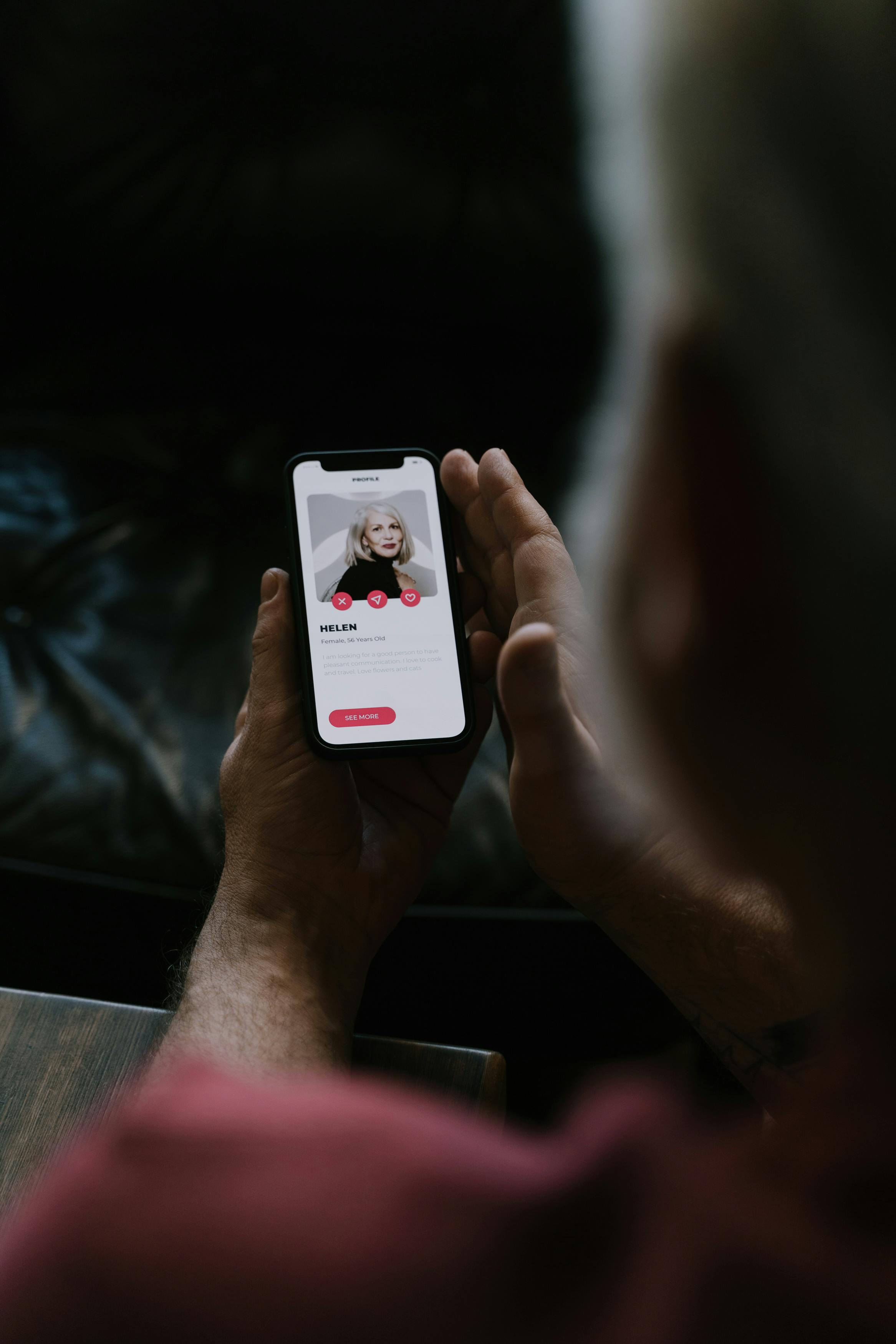
BiCupid has deployed automatic image filtering to block unsolicited nudes on its platform. The feature, called AI Detect, uses machine learning to identify explicit images before they reach recipients, blurring them automatically and requiring consent before viewing.
According to a survey BiCupid conducted of its own user base, 87% of female members reported receiving unwanted explicit images on other dating platforms before joining. The figure aligns with broader research showing unsolicited nudes are endemic across dating services, though BiCupid's data comes from self-reported user accounts rather than independent academic study.
Create a free account
Unlock unlimited access and get the weekly briefing delivered to your inbox.
That caveat aside, the general finding reflects what trust and safety teams already know: explicit image harassment remains widespread and largely unaddressed by automated moderation. The timing puts the company's larger rivals in an uncomfortable position.
BiCupid's move exposes something the industry has long preferred not to discuss openly—that preventing unsolicited explicit images has been technically possible for years, and major platforms have simply chosen not to prioritise it.
Why Bisexual Users Face Amplified Risk
The feature addresses a specific vulnerability in BiCupid's target market. Research has consistently shown that bisexual users—particularly bisexual women—experience disproportionate levels of sexualisation and fetishisation on mainstream dating platforms. The stereotype that bisexuality equates to sexual availability or experimentation drives behaviour that trust and safety teams euphemistically call 'boundary violations'.
BiCupid's chief executive Dani Johnson framed the problem explicitly. 'Bisexual users often face hypersexualisation on mainstream apps,' she said in a statement accompanying the launch. 'We wanted to create a space where they can connect without the constant barrage of unwanted explicit content.'
The company claims the AI Detect system processes images in real time, analysing visual content before it enters the recipient's message queue. Users whose images are flagged receive a warning. Repeat offenders face account suspension.

The Uncomfortable Gap in Platform Moderation
Major dating operators have spent considerable capital—both financial and reputational—positioning themselves as leaders in trust and safety. Match Group disclosed spending $125M annually on safety infrastructure in its 2023 proxy statement. Bumble has built brand identity around women's safety since launch.
Yet automatic nude detection remains conspicuously absent from most mainstream dating products. Bumble introduced a 'Private Detector' feature in 2019, initially on a limited basis, which used AI to blur unsolicited images. Match Group has tested similar features on some brands but hasn't deployed them universally across its portfolio.
The technology itself isn't novel. Microsoft, Google, and specialist providers have offered image classification APIs capable of identifying nudity and sexual content for years. Integration cost is minimal relative to overall engineering budgets.
If a platform with BiCupid's resources can deploy this, why haven't Tinder, Hinge, Bumble, or Grindr?
Product teams worry about false positives: the system that blocks a shirtless beach photo alongside actual harassment. There are concerns about user backlash, particularly from male users who might object to automated content restrictions. Some operators have expressed doubt about whether automated detection would simply push bad actors towards text-based harassment or off-platform channels.
What Happens When Niche Apps Set the Standard
BiCupid operates in a different competitive context than Match or Bumble. The platform serves an estimated user base in the hundreds of thousands rather than millions, focusing specifically on bisexual, bi-curious, and open-minded singles. That scale makes feature deployment faster and community-specific moderation easier.
But size doesn't excuse inaction from larger operators—it highlights it. If a niche platform can justify the investment to protect its members, why can't companies with billion-pound market capitalisations and trust and safety teams measured in hundreds?
The likely answer is that harassment hasn't historically been treated as a business-critical problem by dating executives. It's a user experience issue, not a revenue driver. It affects retention among women, but not catastrophically.
That calculus may be shifting. The UK Online Safety Act (OSA) includes provisions requiring platforms to prevent 'relevant content' causing psychological harm, with unsolicited sexual images explicitly mentioned in supporting guidance. The EU Digital Services Act (DSA) imposes similar obligations on large platforms.
BiCupid's deployment gives regulators a useful reference point: if this level of protection is technically and economically feasible for a smaller operator, why isn't it standard across the industry? That's an uncomfortable question for compliance teams at larger companies to answer in regulatory filings.
The feature's success will depend on accuracy rates and user response. If BiCupid can demonstrate effective filtering without unacceptable false positives, it establishes a working model that makes continued inaction by major platforms harder to defend—both to users and to regulators watching how the industry responds to pressure over sexual harassment.
Key Takeaways
- •Smaller dating operators implementing automated trust and safety tools eliminate technical and economic excuses previously used by larger platforms to delay deployment.
- •Compliance teams at major dating companies face heightened regulatory scrutiny in the UK and EU if they fail to implement available safety protections against digital harassment.
Frequently Asked Questions
Technology & AI Desk
The DII Technology Desk reports on product, engineering, AI and platform infrastructure across dating and social discovery apps.
Comments
Join the discussion
Industry professionals share insights, challenge assumptions, and connect with peers. Sign in to add your voice.
Your comment is reviewed before publishing. No spam, no self-promotion.