
Solo Travel's $1 Trillion Surge: A Wake-Up Call for Dating Apps
In this article
Research Report
This report examines the explosive growth of the solo travel market, projected to reach $1.07 trillion by 2030, and its strategic implications for the dating industry. Both industries serve the same demographic of financially independent singles, yet solo travel is growing at double the rate of online dating while capturing vastly more revenue. The analysis explores why singles are spending hundreds of billions on travel experiences rather than dating services, and what this reveals about unmet demand for connection and experience that dating platforms have failed to address.
- Global solo travel market valued at $482 billion in 2024, projected to reach $1.07 trillion by 2030
- Solo travel growing at 14.3% CAGR, double the 7% growth rate of the online dating market
- 59% of survey respondents planned to travel alone in 2024, with 63% of men and 54% of women travelling solo
- Solo travel bookings increased 42% over a two-year period, with searches for 'solo travel' up 72.6% year-on-year
- U.S. solo travel market alone valued at $94.88 billion in 2024, with 12.4% annual growth projected through 2030
- 36% of travellers who took solo trips in 2024 planned to take four or five more in 2025
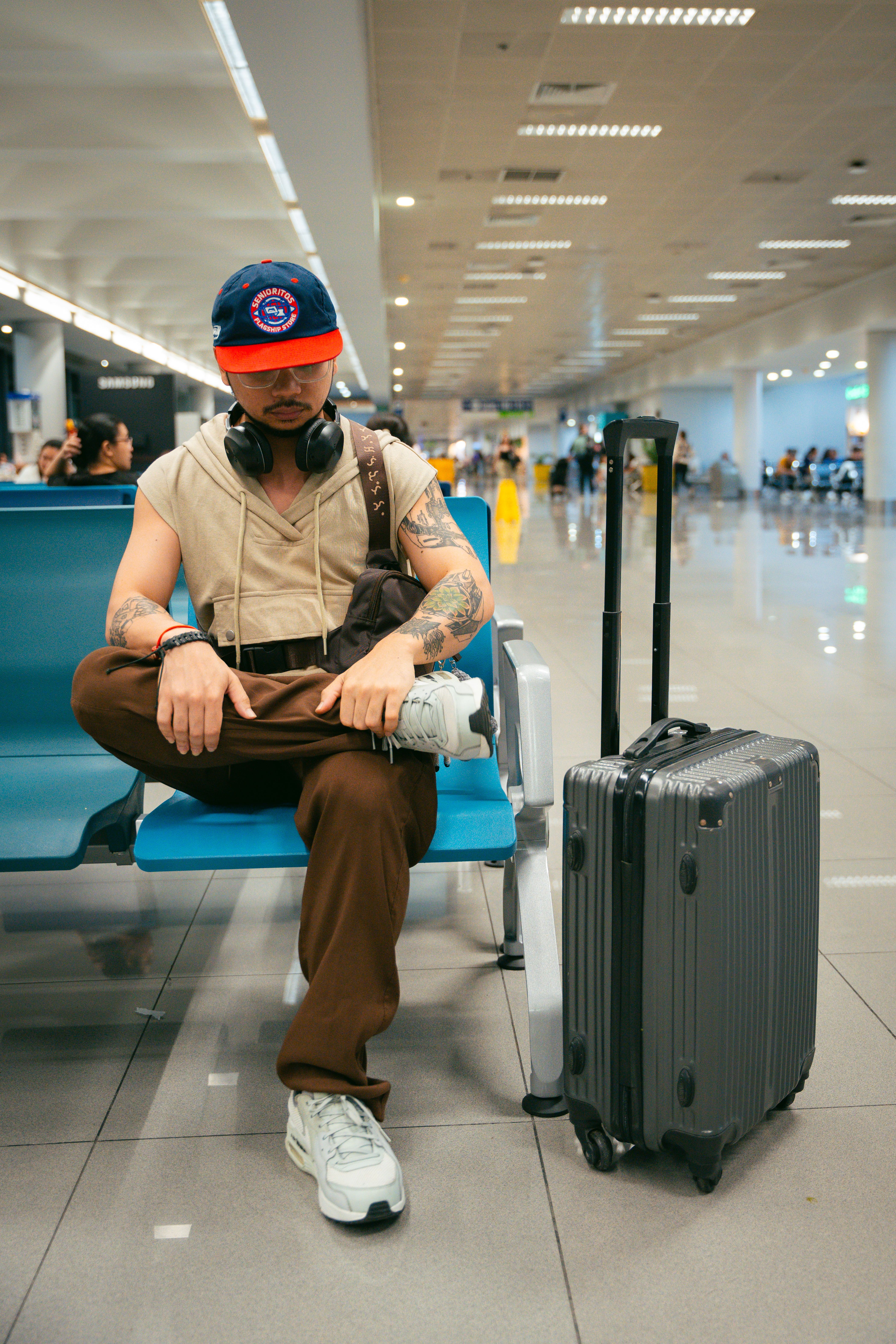
Grand View Research valued the global solo travel market at $482 billion in 2024. By 2030, it projects that figure will reach $1.07 trillion, growing at a compound annual growth rate of 14.3%. To put that growth rate in context, the online dating market is expanding at roughly 7% annually over a comparable forecast period, according to multiple research firms. Solo travel is growing at double the pace of dating, and the two industries serve an almost identical demographic.
That overlap should concern dating platform executives. Solo travel companies are building businesses around the same population that dating apps depend on: financially independent singles seeking experiences, connection, and self-improvement. The difference is that solo travel operators have identified an enormous adjacent revenue pool and are capturing it, while dating platforms remain confined to subscription and in-app purchase revenue that has been stubbornly flat since 2022.
The solo travel market tells a story about what singles actually want. They want to go places. They want to do things. They want to meet people in contexts that feel organic rather than transactional. Every one of those desires maps directly onto what dating platforms should be offering but largely are not.
The DII Take
Solo travel is not a lifestyle trend - it is a structural market created by the same demographic forces driving the singles economy. Delayed marriage, longer lifespans, rising female economic independence, and cultural acceptance of solo living have produced hundreds of millions of people who travel alone, not because they lack a companion, but because their lives are organised around individual rather than coupled consumption. The dating industry should view the solo travel market not as a parallel industry but as evidence of its own strategic failure.
Every pound spent by a single person on a solo holiday represents demand for experience and connection that a dating platform could have facilitated. The $482 billion solo travel market and the $8 billion dating market serve the same people. The revenue gap reflects the dating industry's inability to think beyond the match.
The Numbers Behind Solo Travel's Surge
The headline figures are striking, but the underlying data reveals just how mainstream solo travel has become. According to Booking.com's 2024 travel predictions survey, 59% of respondents planned to travel alone. Among men, that figure was 63%; among women, 54%. These are not backpackers on gap years. The majority of solo travellers are working professionals with disposable income and a preference for flexibility.
The U.S. solo travel market alone was valued at $94.88 billion in 2024, according to Grand View Research, with projected growth of 12.4% annually through 2030. In the UK, 24% of Britons planned solo trips in 2025, according to research cited by Solo Traveler World, with searches for 'solo travel deals' and 'best solo destinations' up 30% year on year.
Online interest has surged in parallel. Searches for 'solo travel' increased 72.6% between April 2023 and April 2024, according to analysis cited by Condor Ferries. Solo travel bookings rose by 42% over a two-year period. Of travellers who took solo trips in 2024, 36% planned to take four or five more in 2025. This is not occasional experimentation. For a significant share of the travelling public, solo trips are a recurring and expanding part of their annual spending.
The demographic profile of solo travellers maps closely onto the core dating app user base. Female travellers account for roughly 84% of solo travel survey respondents, per the 2024 Solo Traveler Reader Survey. The majority are aged 55 and older, hold university or graduate degrees, and earn above-median incomes. For the younger cohort, Gen Z and Millennials are the fastest-growing segments in solo travel, according to a Research and Markets report published in May 2025, with growth linked to self-discovery, wellness, and social media influence.
| Solo Travel Metric | Figure | Source |
|---|---|---|
| Global solo travel market (2024) | $482B | Grand View Research |
| Projected global market (2030) | $1.07T | Grand View Research |
| Growth rate (CAGR 2025-2030) | 14.3% | Grand View Research |
| U.S. solo travel market (2024) | $94.88B | Grand View Research |
| Solo travel bookings growth (2-year) | +42% | Industry data via Condor Ferries |
| Searches for 'solo travel' growth (2023-24) | +72.6% | Analysis cited by Condor Ferries |
| Respondents planning solo travel (2024) | 59% | Booking.com |
| Female share of solo travellers | ~84% | Solo Traveler Reader Survey, 2024 |
Who Travels Alone and Why
The motivations driving solo travel are directly relevant to dating industry product strategy. According to the 2024 Solo Traveler Reader Survey, the top reason women cited for travelling alone was simply that they had no one to go with (55%). This is not a statement of empowerment - it is a statement of unmet social need. A dating or social connection platform that facilitated travel companionship would address this motivation directly.
Flexibility and independence ranked alongside companionship gaps as primary motivators. Solo travellers want control over their itineraries, their pace, and their daily choices. This desire for autonomy echoes the broader pattern identified in consumer research on singles: unpartnered adults organise their lives around personal preferences in ways that coupled adults cannot. Products that respect this autonomy while offering optional social connection are better positioned than those that demand compromise.

Safety remains the dominant concern, particularly for women. Research cited by Atlys found that 78% of solo travellers selected destinations based on safety assessments, and 63% of women cited safety as a critical factor. This concern creates a natural product opportunity: dating and social platforms with verified user bases, real-time location sharing, and curated group experiences can serve as trust infrastructure for solo travellers in unfamiliar destinations.
The gender split in solo travel deserves particular attention from dating operators. While women dominate the solo travel market, the growth rate among male solo travellers is accelerating. Grand View Research projects male solo traveller growth at a CAGR of 13.8% through 2030, driven by interest in adventure, extreme sports, and wilderness experiences. The gap between male and female solo travel motivations is narrowing, but the product opportunities differ: women-focused travel tends toward cultural immersion and wellness; men-focused travel skews toward physical challenge and outdoor adventure. Dating platforms with event or experience features could segment accordingly.
How the Travel Industry Is Adapting
The travel industry's response to solo demand has been far more aggressive than the dating industry's response to the same demographic shift. Major operators have moved beyond token gestures to structural product changes.
Norwegian Cruise Line expanded its fleet to include nearly 1,000 dedicated solo staterooms, beginning in 2024. This is not a niche offering - it represents a fundamental redesign of ship capacity to serve independent travellers. Tauck, a luxury tour operator, waived single supplements on select European river cruises in 2025, removing the pricing penalty that has historically discouraged solo bookings. These changes reflect a commercial conclusion: solo travellers are profitable enough to justify dedicated infrastructure.
The single supplement - an industry-standard surcharge applied to solo travellers booking double-occupancy rooms - has long been the clearest example of how the travel industry penalised singles. Its gradual erosion is commercially significant. According to analysis from LegallySingle.com, travel companies increasingly view solo travellers as a core segment rather than a secondary one. The shift from penalty pricing to dedicated product design mirrors the broader economic recognition of the singles economy.
Tour operators have been particularly responsive. Intrepid Travel, G Adventures, and Flash Pack have all built or expanded solo-focused product lines. Flash Pack specifically targets solo travellers aged 30-49, offering group adventure trips designed for people who want to travel independently but with social options. The company's model explicitly bridges the gap between solo independence and social connection - precisely the tension that dating platforms should be addressing.
Europe dominates the solo travel market geographically, accounting for approximately 37-40% of global revenue in 2024, according to Grand View Research. This reflects the continent's well-developed infrastructure for independent travel, strong safety perceptions, and cultural familiarity. Asia-Pacific is the fastest-growing region, with a projected CAGR of 14.9% through 2035, driven by rising female independence in China and India, affordable travel options in Southeast Asia, and improved infrastructure.
The Dating Industry Connection
The commercial bridge between solo travel and dating remains almost entirely unbuilt. This is remarkable given the overlap in audience, motivation, and user behaviour.
Consider the product logic. A dating platform has a verified database of single people with known age, gender, location, and preferences. A solo travel provider needs exactly this audience. The matching opportunity is not romantic - it is logistical and social. A platform that connects solo travellers seeking compatible companions for specific trips, activities, or destinations would serve a clear market need. Several startups have attempted this (TripBFF, Tourlina, Backpackr), but none has achieved meaningful scale, partly because they lack the user base that established dating platforms already possess.
The affiliate model offers a lower-risk entry point. Dating platforms could generate meaningful referral revenue by partnering with solo travel operators, accommodation providers, and experience companies. If a dating platform with 10 million active subscribers directed even a small fraction toward travel bookings, the commission revenue could be substantial. Solo travel companies already spend heavily on digital acquisition - redirecting some of that spend toward dating platform partnerships would likely deliver higher-intent traffic than generic social media advertising.
Hinge's March 2025 initiative - a $1 million fund backing Gen Z social events across London, New York, and Los Angeles - signals awareness that the connection between dating and real-world experience matters commercially. But a million-dollar fund is a marketing exercise, not a strategic pivot. The operators who commit serious resources to the travel-dating intersection will be the ones who capture the value.
Thursday's January 2025 decision to shut down its dating app entirely and pivot to in-person events and travel experiences is perhaps the most telling signal. The company, which had accumulated two million app users, concluded that its brand and audience were more valuable in the events and experience economy than in the crowded app marketplace.
Thursday now hosts ticketed singles events worldwide and has launched travel trips for singles. The pivot is an explicit bet that the future of dating-adjacent businesses lies in experiences, not swipes, as reported by Global Dating Insights.

What Operators Should Be Watching
Several trends within solo travel have direct implications for dating industry strategy.
The rise of 'bleisure' and digital nomad travel is expanding the solo travel population beyond traditional holiday-makers. With 18.1 million digital nomads in the U.S. alone, according to data cited in the solo travel literature, extended solo stays in foreign cities create sustained demand for local social connection. Dating platforms with strong international presence could serve as social infrastructure for this population.
Wellness travel and solo retreats represent a high-value niche. Destinations like Bali, Costa Rica, and Portugal have seen an explosion of yoga retreats, meditation centres, and wellness experiences designed for solo participants. These are high-spending travellers (wellness tourism commands significant premiums over standard travel) with explicit interest in self-improvement and personal growth - attributes that correlate strongly with dating platform engagement.
The intersection of solo travel and the over-50 demographic is particularly underserved. The 2024 Solo Traveler Reader Survey found that the majority of respondents were 55 and older. This cohort has time, resources, and motivation to travel, but limited digital product options that cater to their specific needs. A dating or social connection platform designed for solo travellers over 50 would address a gap that neither the travel industry nor the dating industry currently fills well.
Cultural and heritage travel is projected to grow at a CAGR of 15.8-16.1% through 2030-2033, according to Grand View Research, making it the fastest-growing solo travel sub-segment. Solo travellers seeking immersive cultural experiences represent a natural audience for dating platforms that offer local recommendations, social introductions, and curated experiences in destination cities.
The solo travel market will reach $1 trillion before the end of this decade. The dating market, if current growth rates hold, will still be under $10 billion. Both markets serve singles. Both markets monetise their desire for experience and connection. The difference is that the travel industry understood the economics of serving single people before the dating industry did. For dating operators, the question is whether to keep watching that gap widen, or to start building the bridge.
Methodology Note
Solo travel market sizing in this analysis draws primarily on Grand View Research estimates (2024/2025 reports covering global and U.S. markets). Growth projections from Custom Market Insights, Spherical Insights, and Research and Markets are cited where they provide additional segment detail. Consumer behaviour data draws on the 2024 Solo Traveler Reader Survey (2,400 respondents), Booking.com's 2024 travel predictions survey, and search trend analysis cited by Condor Ferries. Readers should note that solo travel market definitions vary between research firms - some include all travel by unaccompanied individuals, while others focus on leisure travel specifically. The figures cited here use the broadest available definitions to capture the full commercial opportunity relevant to dating industry operators.
What This Means
The solo travel boom exposes a fundamental strategic gap in the dating industry: singles are spending massively on experiences that facilitate connection, autonomy, and self-discovery, yet dating platforms remain confined to transaction-focused matching models. The $482 billion solo travel market and the $8 billion dating market serve overlapping demographics, but only travel operators have built infrastructure around what singles demonstrably want - meaningful experiences in low-pressure social contexts. Dating platforms that integrate travel companionship, local experience facilitation, or affiliate partnerships with travel operators could capture material revenue from a market growing at twice their own pace.
What To Watch
Monitor whether established dating platforms launch travel or experience features beyond token marketing initiatives, and whether Thursday's pivot from app to events proves commercially viable at scale. Track the growth trajectory of digital nomad populations and wellness travel segments, both of which represent high-value, underserved cohorts for dating-travel hybrids. Watch for strategic partnerships between major dating operators and tour companies or booking platforms - the first platform to build serious infrastructure connecting its user base to travel experiences will establish a significant competitive moat. Finally, observe whether the single supplement continues to erode across travel sectors, as this pricing shift signals the travel industry's recognition that solo travellers are a core rather than peripheral market.
Create a free account
Unlock unlimited access and get the weekly briefing delivered to your inbox.