
Singles' Self-Gifting: A Missed Opportunity for Dating Platforms
In this article
Research Report
This report examines the expansion of the self-gifting market among single-person households and its commercial implications for dating platforms. As singles redirect purchasing power traditionally allocated to partners toward personal consumption, a distinct spending pattern has emerged across subscription services, experiences, technology, and luxury goods. Dating operators have an opportunity to integrate gifting features that generate affiliate revenue while deepening user engagement.
- Alibaba's Singles' Day and JD.com generated over $156 billion in gross merchandise value in 2024, making it the world's largest shopping event by transaction volume
- The global subscription box market was valued at over $30 billion in 2024, with single-person households representing an ideal customer profile
- Valentine's Day generates measurable increases in self-gifting spend among single consumers across spa bookings, dining reservations, and retail purchases
- Single adults make purchasing decisions independently and often more impulsively than partnered adults, generating higher per-capita retail revenue
- The experience economy, valued in the hundreds of billions globally, is partly a singles economy by another name

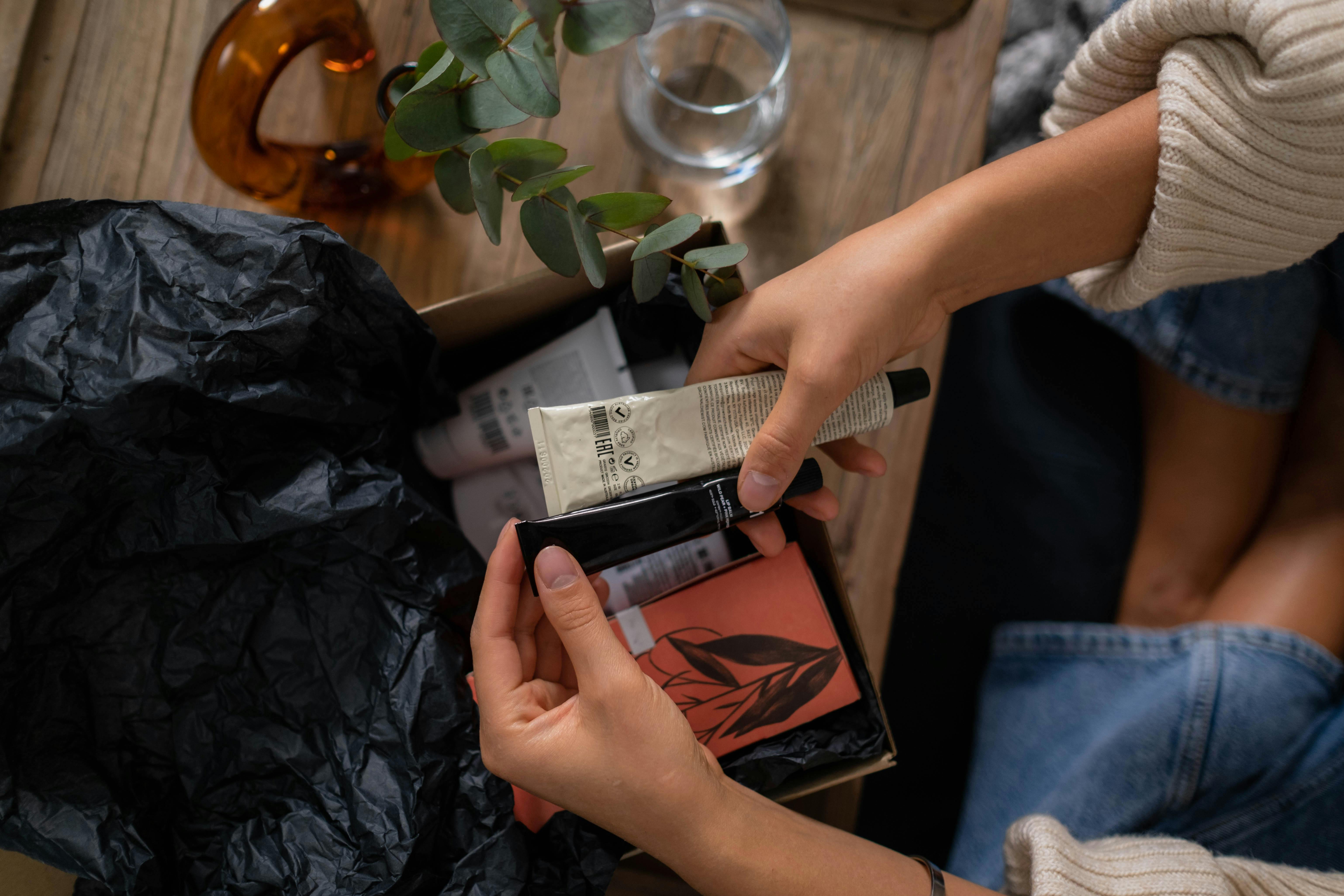
The self-gifting market has grown substantially as single-person households have expanded. Without a partner to buy gifts for or to receive them from, single adults have redirected gifting spend inward. The 'treat yourself' economy, spanning subscription boxes, luxury self-purchases, personal experience gifts, and reward-based consumption, represents a behavioural shift that retailers and brands have been faster to exploit than the dating industry has been to understand.
Alibaba's Singles' Day (11 November) is the most commercially explicit expression of this shift. Originating as a celebration of singlehood in Chinese university culture, the event generated over $156 billion in gross merchandise value across Alibaba and JD.com in 2024, making it the world's largest shopping event by transaction volume. The commercial thesis is straightforward: single adults who would otherwise spend on partners redirect that spending to themselves, and given higher per-capita discretionary income, they spend generously.
The DII Take
The self-gifting economy reveals something important about how singles relate to consumption. Purchasing decisions that partnered adults make collaboratively - holidays, home furnishings, technology, experiences - single adults make independently and often more impulsively. This is not a deficit. It is a spending pattern that generates higher per-capita retail revenue and responds well to personalised recommendation, curated curation, and time-limited promotional triggers.
Dating platforms that understand their users' self-gifting patterns could facilitate gift-based engagement features - birthday treats, milestone celebrations, subscription box partnerships - that deepen the platform relationship while generating affiliate revenue.
Self-Gifting Patterns
Single adults self-gift across several distinct categories, each with different commercial implications.
Subscription boxes have emerged as a primary self-gifting format. Beauty, food, wine, book, and lifestyle subscription services are disproportionately purchased by single-person households. The subscription model appeals to singles for several reasons: it removes the social friction of buying for oneself, it introduces novelty and surprise into routines that may lack the variety that partnership provides, and it arrives on a schedule that creates anticipatory pleasure. The global subscription box market was valued at over $30 billion in 2024, according to industry estimates, with personal care, food, and lifestyle boxes representing the largest categories. Single-person households, who do not need to coordinate purchases with a partner's preferences, represent an ideal customer profile for curated subscription services.
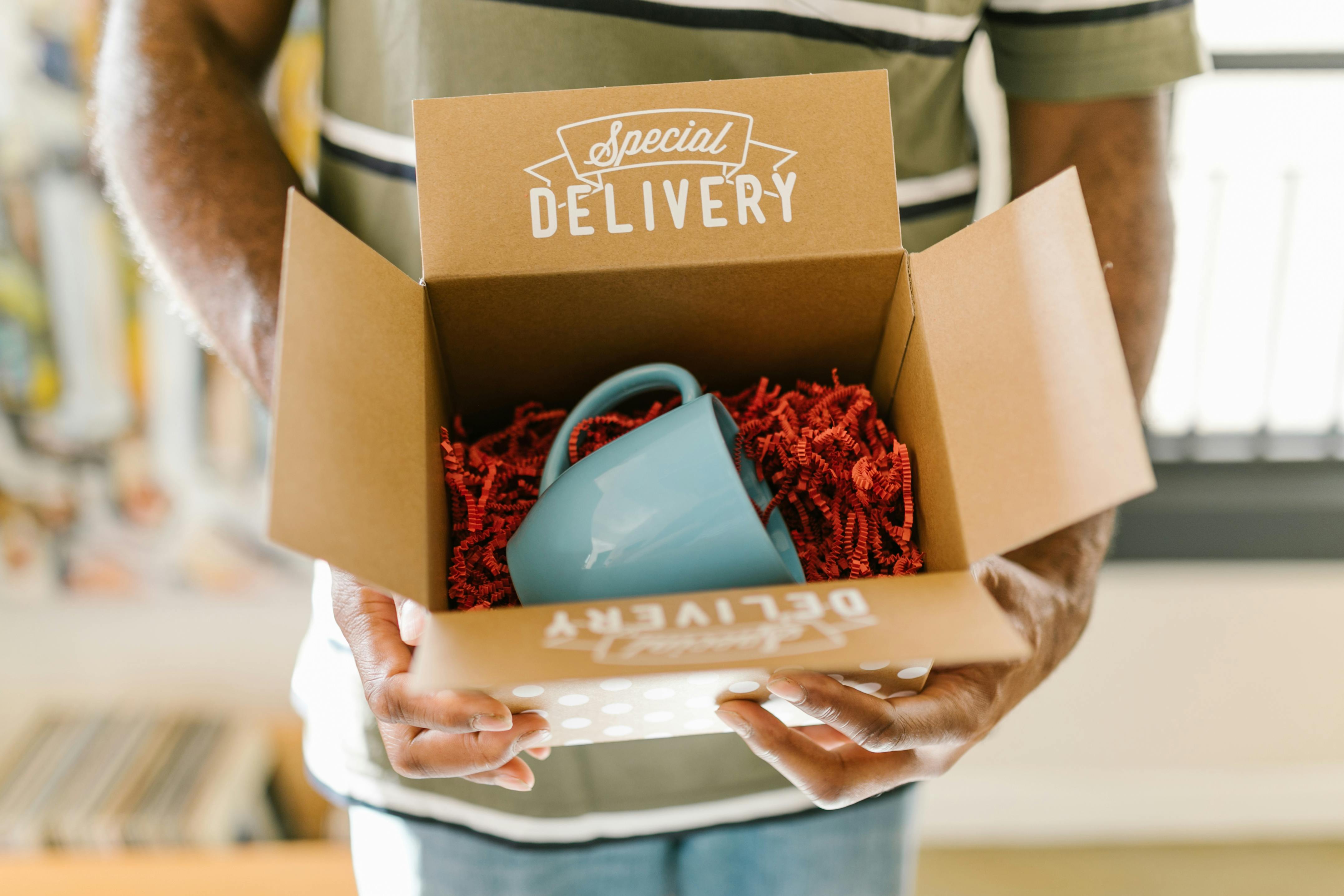
Experience gifts - spa days, cooking classes, adventure activities, concert tickets - represent a higher-value self-gifting category. The experience economy, valued in the hundreds of billions globally, is partly a singles economy by another name. Single adults purchasing experiences for themselves account for a significant share of the market, though industry data rarely segments by household type. The rise of 'experience voucher' companies like Buyagift, Smartbox, and Virgin Experiences reflects growing demand for experiences as gifts - both from others and, increasingly, from oneself.
Technology self-gifting - smartphones, wearables, headphones, gaming equipment - is heavily concentrated among single adult males. Without the household negotiation that couples undergo before major technology purchases, single men tend to upgrade devices more frequently and spend more per upgrade. Apple's product launches, for instance, generate disproportionate purchase intent among single-person households, who face no competing demands on their technology budget.
Luxury personal items - fashion, jewellery, accessories, fragrances - represent a self-gifting category where the marketing framing is most explicitly aligned with singlehood. 'Because I'm worth it' messaging, self-reward positioning, and 'treat yourself' campaigns all target the psychological dynamic of single adults directing purchasing power toward personal indulgence.
Seasonal Patterns and Key Moments
Self-gifting among singles intensifies around specific calendar moments, creating predictable spending peaks that brands and dating platforms could programme around.
Valentine's Day generates the most visible self-gifting spike. Singles who would otherwise receive gifts from a partner redirect spending toward themselves - spa bookings, dining reservations, retail purchases, and experiences all see measurable increases among single consumers in the days around 14 February. The commercial opportunity is well-recognised by retailers but largely ignored by dating platforms, which tend to focus Valentine's marketing on match-seeking rather than self-care.
For single adults without a partner to mark personal milestones, self-gifting serves an emotional function: it acknowledges personal value in the absence of a romantic partner's recognition.
Birthdays, end-of-year holidays, and personal milestones (promotions, achievements, life transitions) all trigger self-gifting behaviour. For single adults without a partner to mark these occasions, self-gifting serves an emotional function: it acknowledges personal value in the absence of a romantic partner's recognition.
Retail events designed for singles have commercial traction beyond China. While no Western market has matched Singles' Day's scale, the concept of singles-targeted promotional events has been adopted by retailers in the UK, U.S., and Europe. The commercial logic is sound: a population that spends more per capita on personal purchases is an attractive target for concentrated retail events.
Implications for Dating Operators
The self-gifting economy intersects with dating in several commercially viable ways. A dating platform that partners with subscription box services - offering curated 'date night' boxes, self-care packages, or experience vouchers to subscribers - creates a gifting touchpoint within the dating experience. The revenue model is affiliate-based, with the dating platform earning commission on each purchase while the subscription service gains access to a high-intent audience.
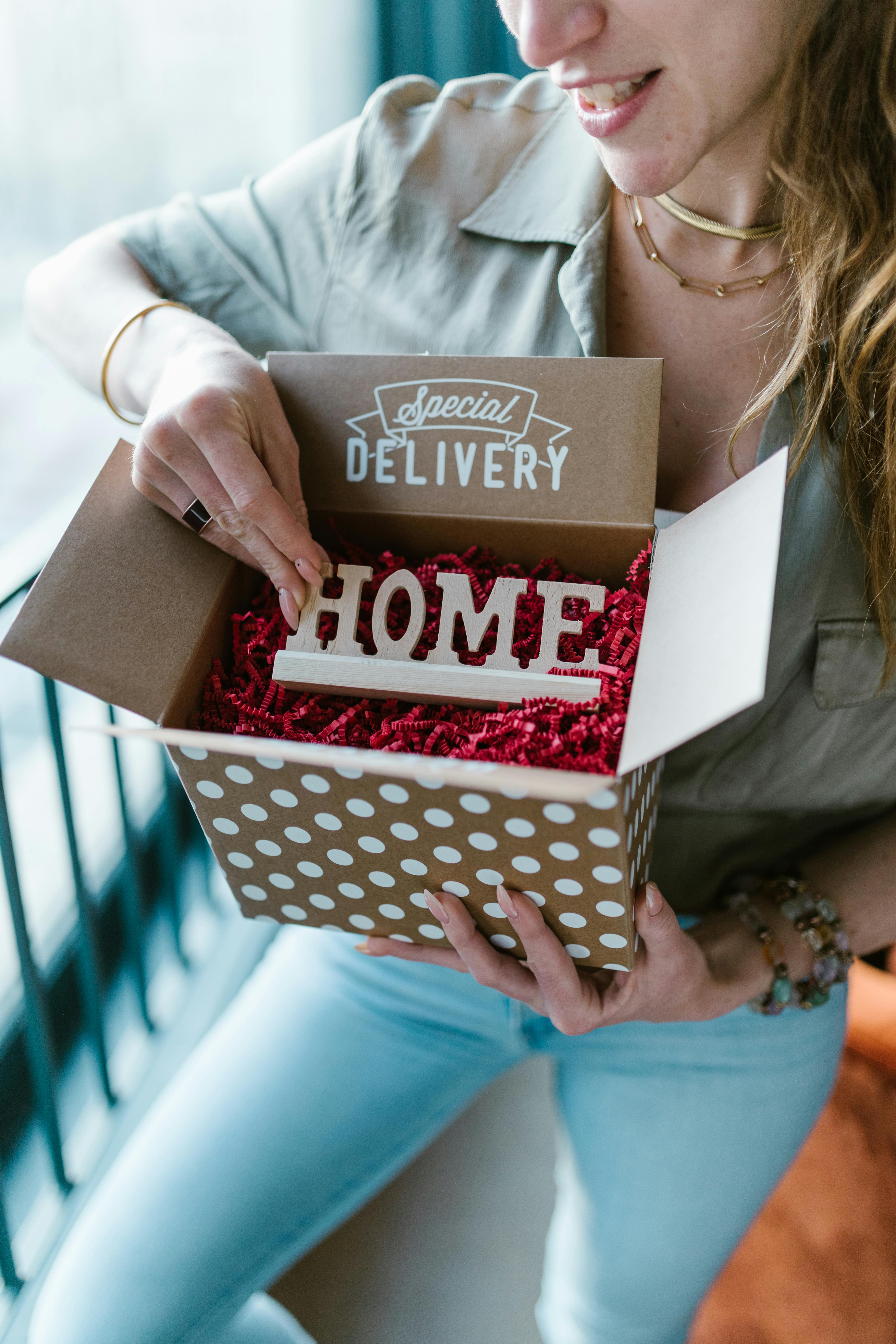
Milestone and celebration features represent an engagement opportunity. A dating app that acknowledges user milestones - birthdays, match anniversaries, personal achievements - with curated gift recommendations or partner offers creates positive brand associations while generating transactional revenue. The psychology is sound: recognition of personal milestones is a core human need, and for singles without a partner to provide that recognition, a platform that fills the gap builds emotional loyalty.
The 'date night box' concept bridges self-gifting and dating in a commercially elegant way. A subscription service that delivers curated date experiences - ingredients for a recipe, a bottle of wine, conversation cards, and a playlist - could be purchased by a single person planning a date, by a matched pair gifting each other the experience, or by a single person treating themselves to a solo evening of self-care. The model generates subscription revenue for the box provider and referral revenue for the dating platform, while the product itself reinforces the platform's role in facilitating social and romantic experiences.
The social signal of a gift carries more weight than a message, potentially accelerating the progression from match to date.
Gifting between matches represents another untapped feature. The ability to send a small gift - a coffee voucher, a book recommendation with purchase link, or an experience credit - through a dating platform would differentiate the platform's communication tools and generate transaction revenue. The social signal of a gift carries more weight than a message, potentially accelerating the progression from match to date.
The self-gifting economy for singles will continue growing alongside single-person household formation. The retailers and platforms that understand how singles buy for themselves will capture a disproportionate share of retail spending from the developed world's fastest-growing household type. As gift economies evolve within digital communities, dating platforms have an opportunity to integrate gifting dynamics that build both relationship value and commercial returns.
Singles' Day GMV data references published Alibaba and JD.com figures for 2024. Self-gifting patterns and subscription box trends draw on general retail industry reporting. The analysis of dating platform gifting features is based on DII's assessment of commercially viable integration models. Understanding how gift economies function provides useful context for evaluating these emerging commercial models within dating platforms.
What This Means
Dating platforms sitting on engaged single-person audiences have not yet monetised the self-gifting behaviours their users exhibit outside the platform. Integrating gifting features - through affiliate partnerships, subscription services, or in-app purchasing - creates a revenue stream that aligns with user psychology rather than working against it. The commercial opportunity lies not in redirecting users away from self-gifting, but in positioning the dating platform as a facilitator of meaningful consumption that serves both personal satisfaction and social connection.
What To Watch
Monitor whether dating platforms begin testing gifting features within match communication tools, particularly around seasonal peaks like Valentine's Day and Singles' Day. Watch for partnership announcements between dating apps and subscription box providers or experience platforms, which would signal commercial recognition of the self-gifting opportunity. Track whether Western markets develop their own singles-focused retail events with commercial scale approaching China's Singles' Day, as this would indicate broader cultural and commercial validation of singles as a distinct consumer segment.
Create a free account
Unlock unlimited access and get the weekly briefing delivered to your inbox.