

Singles' Entertainment Spend: The Untapped Goldmine for Dating Apps
In this article
Research Report
This report examines how single-person households allocate discretionary income toward entertainment, streaming, gaming, and live events—spending patterns that significantly exceed those of coupled households. It identifies strategic opportunities for dating platforms to integrate entertainment preferences into matching algorithms and partnership models, arguing that the dating industry has failed to capitalise on the entertainment behaviours that define its core users' leisure time.
- Single-person households in North America spend $55,760 per capita annually, compared with $40,400 for five-person households—a 28% premium
- The average American household subscribed to 4.7 streaming services in 2024
- The global gaming market exceeded $180 billion in 2024
- The global live events market exceeds $1 trillion when including sports, music, and entertainment
- A single adult maintaining Netflix, Spotify, gaming subscriptions, fitness apps, and dating apps faces £60-100 in monthly recurring costs

Single-person households allocate a disproportionate share of their income to entertainment, streaming, gaming, and live events. Without the childcare costs, family holiday budgets, and domestic spending that absorb coupled households' discretionary income, singles redirect resources toward personal entertainment and experiences. This demographic reality has been recognised faster by the entertainment industry than by the dating industry, despite serving the same population.
Entertainment spending is the most accessible window into how singles actually live. Streaming services, gaming platforms, and live events operators have all designed products and pricing around individual consumption. The dating industry, which serves the same population, has largely ignored the entertainment spending patterns that define its users' leisure time.
The DII Take
A dating platform that understands its users' entertainment preferences—what they stream, where they go on weekends, what music they listen to, what events they attend—has the data to facilitate better matches, recommend better dates, and partner with the companies capturing the entertainment spend that singles generate.
Spotify Wrapped is shared more widely than any dating app feature. The dating company that builds an equivalent—connecting entertainment tastes to romantic compatibility—would create the most shareable, most engaging feature in the category.
Streaming and Digital Entertainment
Singles are the ideal customer for subscription streaming services. They make individual content choices without household negotiation, consume content on personal devices at personal schedules, and are willing to maintain multiple subscriptions simultaneously. Single-person households face no per-capita dilution of subscription costs, making them high-value customers for digital entertainment platforms.

Gaming represents an even larger share of single adults' entertainment time, particularly among men under 40. Single male gamers represent one of the highest-engagement demographics in gaming, with average weekly play times significantly exceeding those of coupled men with children. For dating platforms, gaming preferences are an underutilised matching signal. Shared gaming interests predict compatible leisure time allocation, communication styles, and social preferences more reliably than many traditional profile attributes.
The intersection of gaming and dating is already producing commercial experiments. Several dating apps have incorporated gaming elements—from icebreaker mini-games to competitive matching formats—but no platform has built a comprehensive feature around shared gaming identity. Given that gaming is the primary entertainment activity for a large proportion of single men under 35, this represents a substantial engagement opportunity. A dating platform that integrates PlayStation Network, Xbox, or Steam profiles alongside Spotify and Instagram would signal understanding of how a significant segment of its male user base actually spends leisure time.
Podcast and audiobook consumption has also grown significantly among single adults, who represent a disproportionate share of the 'commute alone, exercise alone, cook alone' use cases that drive audio consumption. The intimacy of voice-based content creates parasocial relationships that dating platforms could leverage: shared podcast preferences are a meaningful compatibility indicator that no major platform currently incorporates into its matching algorithm.
The social dimension of gaming is particularly relevant. Multiplayer games, Discord communities, and streaming platforms like Twitch create social environments where single adults form friendships and, increasingly, romantic connections.
A 2024 survey by the Entertainment Software Association found that gaming is a primary social activity for a significant proportion of adults under 40. Dating platforms that incorporate gaming preferences into matching, or that partner with gaming communities to facilitate meetups, tap into an engagement ecosystem that already occupies hours of their users' weekly time.
The subscription fatigue dynamic creates an interesting competitive landscape. When budgets tighten, the dating subscription is often the first to be cancelled because its perceived value is less immediate than entertainment that delivers content every session. Dating platforms that bundle entertainment benefits—streaming discounts, gaming credits, or event access—into their subscription packages would improve perceived value and reduce churn.
Live Events and Experiences
Live entertainment generates some of the highest per-occasion spending in the singles economy. Concert tickets, festival passes, comedy shows, theatre, and sporting events represent both entertainment purchases and social occasions for unpartnered adults. The live events industry has adapted to singles in specific ways, with solo ticket pricing becoming more common as venues and promoters recognise that flexible single-ticket availability increases total attendance.
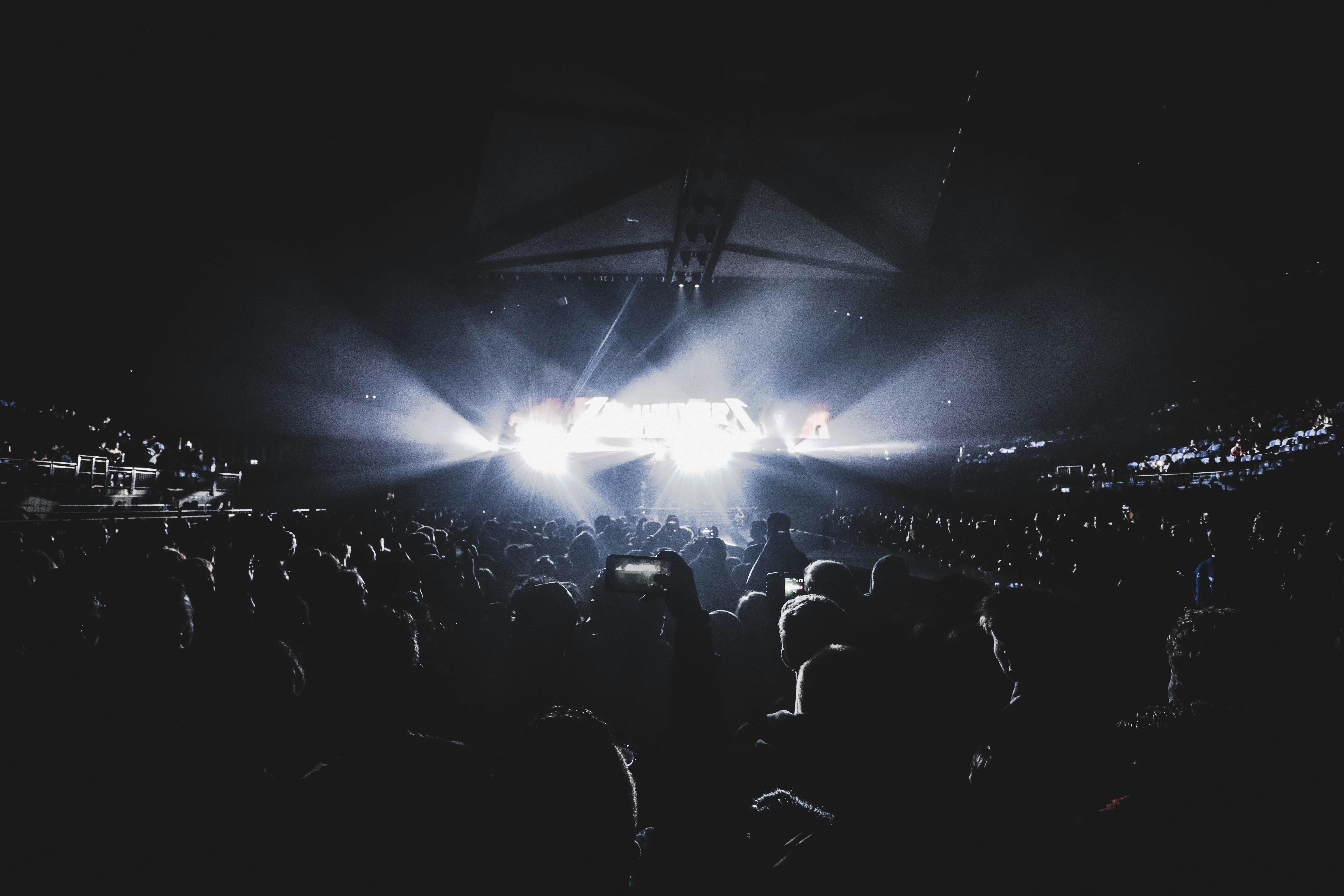
Standing-room and general-admission formats naturally accommodate solo attendees better than assigned-seat configurations. Festival culture, which emphasises communal experience over paired attendance, has particular appeal for singles. Singles' higher per-capita attendance rates and fewer scheduling constraints suggest they are overrepresented in the live events market relative to their population share.
For dating platforms, live events represent a partnership opportunity with strong commercial logic. A dating app that offers concert companion matching, festival group formation, or exclusive access to singles-only events creates engagement touchpoints beyond the app. The affiliate revenue from event ticket sales, combined with the engagement value of shared experiences, makes entertainment partnerships one of the most viable adjacencies for dating operators.
The Content Connection
Entertainment preferences are powerful compatibility signals that dating platforms underuse. Research in relationship science has consistently found that shared cultural consumption—similar taste in music, films, books, and media—correlates with relationship satisfaction. Dating apps collect some preference data through profile prompts, but no platform has built a comprehensive entertainment-compatibility feature.
A partnership with Spotify or Apple Music that allows users to share listening profiles, or a Letterboxd-style film taste comparison, would enhance matching quality while providing the partner platform with a high-intent distribution channel.
The integration opportunities are commercially viable. The dating platform benefits from better matches; the entertainment platform benefits from user acquisition; the user benefits from a more nuanced compatibility assessment. The singles entertainment economy is a multi-hundred-billion-dollar market that the dating industry observes but does not participate in. The platforms that bridge dating and entertainment will capture both engagement and revenue from a demographic whose leisure spending is concentrated, predictable, and largely uncontested by dating competitors.
Per-capita spending data references World Economic Forum / World Data Lab (2025). Streaming subscription data references general industry estimates for 2024. Gaming market size uses published industry data. The analysis of entertainment-compatibility research references published relationship science literature on leisure time allocation. Specific dating platform entertainment feature descriptions are based on publicly available product information. Data on single men's entertainment spending patterns and the financial commitments involved in modern dating, including average dating expenditure among UK singles, provide additional context for understanding the singles economy.
What This Means
Dating platforms face an engagement ceiling because they operate in isolation from the entertainment activities that occupy most of their users' leisure time and discretionary spending. The companies that integrate entertainment preferences into matching algorithms, bundle entertainment benefits into subscription packages, and partner with gaming, streaming, and live events operators will differentiate themselves in a commoditised market whilst creating new revenue streams beyond subscription fees.
What To Watch
Monitor whether major dating platforms announce partnerships with Spotify, gaming networks, or live events promoters in 2025–2026. Watch for product launches that incorporate entertainment-compatibility features or bundle entertainment benefits into premium tiers. Track whether subscription bundling models emerge that combine dating access with streaming or gaming credits, and whether conversion and retention metrics improve as a result.
Create a free account
Unlock unlimited access and get the weekly briefing delivered to your inbox.