

Co-Living and Co-Working: The Real Threat to Dating Apps
In this article
Research Report
This report examines how co-living, co-working, and hybrid community spaces have emerged as social infrastructure for single adults in urban environments, addressing needs that dating apps have failed to meet. It analyses the competitive threat these physical spaces pose to dating platforms and identifies strategic partnership opportunities between the dating industry and community-focused real estate operators. The research provides a framework for understanding how physical and digital social connection products can complement rather than compete with one another.
- Co-living operators charge per-room premiums of 10-30% above equivalent solo rental properties
- Core dating app users (single, 25-40, urban professionals) map precisely onto the demographic profile of co-living residents
- Soho House memberships cost £1,000 or more annually; premium co-working desks run £200-400 per month
- London, New York, Berlin, and Amsterdam lead both co-living market development and dating app penetration
- Remote workers, freelancers, and solo entrepreneurs now account for a significant share of the workforce requiring new social infrastructure
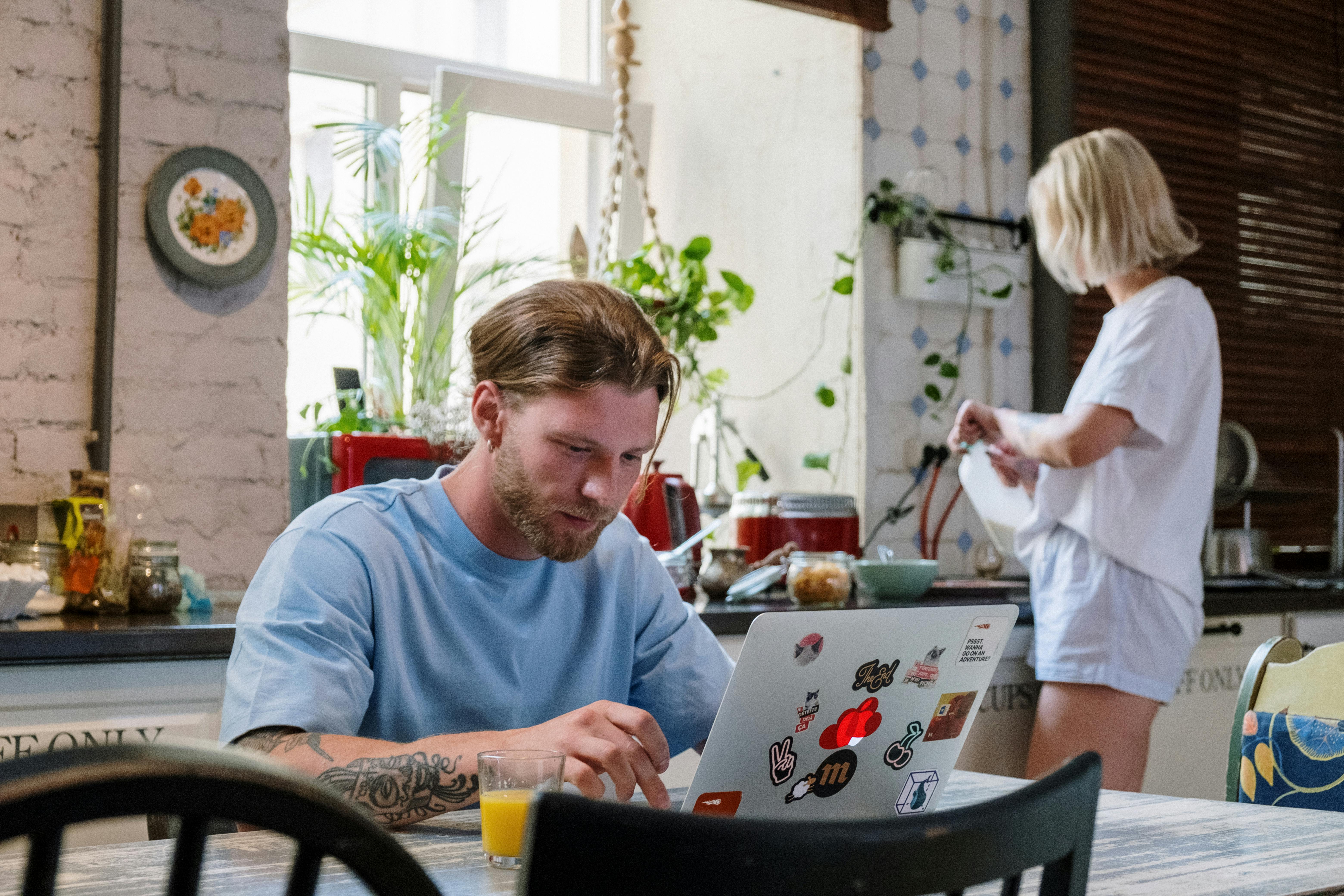
The decline of third spaces - the pubs, community centres, youth clubs, and public gathering places that historically facilitated social connection outside home and work - has coincided precisely with the rise of single-person households. The result is a growing population of solo-living adults in cities designed for families, occupying housing designed for couples, and navigating social lives without the physical infrastructure that previous generations relied upon to meet people organically. Co-living, co-working, and hybrid community spaces have emerged to fill this gap. They are not merely housing or office solutions. They are social infrastructure, designed explicitly for individuals who want community without the commitments of traditional shared living.
For the dating industry, these spaces represent both a competitive threat and a partnership opportunity that few operators have recognised.
The DII Take
Co-living and co-working spaces are doing what dating apps promised but failed to deliver: creating environments where single adults form genuine connections through repeated, low-pressure interaction.
A co-living resident who sees the same people in a communal kitchen every morning is building the kind of familiarity that generates real relationships - romantic and platonic. A co-working member who collaborates with the same freelancers weekly is developing a professional and social network simultaneously. Dating apps compress these dynamics into a swipe-and-match mechanic that strips away context, repetition, and organic discovery. The dating industry should be studying co-living and co-working as product models, not ignoring them as adjacent real estate.
Co-Living: Housing as Social Product
The co-living market has expanded from a niche proposition for digital nomads into a mainstream housing category in major cities. Operators like The Collective, Vonder, Common, and Quarters have built portfolios targeting young professionals aged 25-40 who prioritise community and flexibility over square footage and permanence. The demographic profile of co-living residents maps almost precisely onto the core dating app user base: single, 25-40, urban, professionally active, socially motivated, and income-constrained relative to housing costs in the cities where they live.
Co-living addresses several needs that dating apps cannot. Physical proximity creates the conditions for organic relationship formation through repeated casual interaction - the 'mere exposure effect' that psychologists identify as one of the strongest predictors of attraction. Communal amenities (kitchens, living spaces, rooftop areas) provide the social context that dating apps remove. Managed community events (supper clubs, movie nights, fitness sessions) lower the social barriers that prevent residents from connecting.

The business model is instructive. Co-living operators charge per-room premiums of 10-30% above equivalent solo rental because the product includes social infrastructure. Residents are paying not just for accommodation but for community management, curated events, and designed social spaces. This is, in essence, a subscription to social connection - precisely the product that dating apps sell, but delivered through physical space rather than software.
The partnership logic between dating platforms and co-living operators is compelling. A dating app that partners with co-living communities gains access to a concentrated, verified single population in a context where social connection is already the product proposition.
Co-branded events, in-building community features linked to a dating platform, and referral partnerships where dating subscribers receive priority access or reduced rates all represent viable models.
Co-Working: Professional Networks as Social Infrastructure
Co-working spaces serve a similar social function for professional life. WeWork, despite its well-documented financial difficulties, demonstrated that professionals would pay premiums for workspace that included social infrastructure - community managers, networking events, and shared amenity spaces. For single adults, co-working spaces partially replace the office social environment that remote and hybrid work have eroded. The colleague relationships, after-work socialising, and professional networking that traditional offices facilitated have diminished for the growing population of freelancers, remote workers, and solo entrepreneurs who now account for a significant share of the workforce.
The dating industry's connection to co-working is less direct than to co-living but still meaningful. Co-working members are disproportionately single, urban, and professionally ambitious. They occupy the demographic and psychographic profile of premium dating app subscribers. A dating platform that integrates professional networking alongside romantic matching - as Bumble attempted with Bumble Bizz - serves a population that seeks both personal and professional connection from a single platform.
Hybrid and Community Spaces
Beyond dedicated co-living and co-working, a broader category of community spaces serves singles' social needs. Members' clubs (Soho House, The AllBright, Second Home), social fitness communities (CrossFit boxes, running clubs, boutique studios), and cultural gathering spaces (book shops with events programmes, galleries with members' nights) all function as third-space infrastructure for unpartnered adults. These spaces share a common characteristic: they provide structured, recurring, low-pressure social environments where connection develops through shared activity rather than explicit matching. This is the precise model that the dating industry's experience-led pivot is attempting to replicate digitally.

The economics of community spaces reveal an important insight for dating operators: people will pay for access to social infrastructure.
A Soho House membership costs £1,000 or more annually. A premium gym membership runs £50-100 per month. A co-working desk at a quality provider costs £200-400 per month. In each case, the customer is paying not just for the physical product (a chair, a treadmill, a room) but for the social environment that surrounds it. This willingness to pay for community access has been validated across multiple consumer categories - but the dating industry has not applied the lesson to its own product design.
A dating platform that offered a physical membership tier - access to curated spaces, events, and community experiences alongside digital matching - would occupy a fundamentally different market position from a pure-play app. The economics would resemble a members' club more than a software subscription, with higher per-member revenue, lower churn, and stronger brand loyalty. This is the model that Thursday's events pivot, Hinge's community grants, and Bumble IRL's branded experiences are all moving toward, even if none has yet committed to the full physical-digital integration.
For operators, the lesson is that physical space and digital matching are complementary rather than competitive. The dating companies that invest in partnerships with physical community spaces - or that build their own event infrastructure, as Thursday has done - combine the reach and efficiency of digital matching with the trust and depth of repeated in-person interaction. Neither channel alone is sufficient. Together, they represent the most complete social connection product available to the singles economy.
Co-living market observations draw on publicly available information from major operators including leading co-living spaces across major cities. Co-working market context references the broader flexible workspace industry. The analysis of social infrastructure functions draws on published urban sociology and environmental psychology research. Dating platform integration opportunities are based on DII's assessment of community-focused accommodation models for remote workers and experience-driven co-living operators that demonstrate commercially viable partnership models.
What This Means
Dating platforms face structural competition from physical community spaces that facilitate organic connection through repeated, low-pressure interaction rather than algorithmic matching. The most viable strategic response is not to ignore or compete with these spaces but to partner with them, creating hybrid products that combine digital efficiency with physical trust-building. Operators that successfully integrate physical community infrastructure alongside digital matching will command premium pricing, reduce churn, and occupy a defensible market position that pure-play apps cannot replicate.
What To Watch
Monitor whether major dating platforms announce partnerships with co-living operators, members' clubs, or co-working providers in the next 12-18 months. Track the expansion of dating apps' physical event programmes beyond one-off activations into sustained infrastructure investments. Observe whether any operator launches a true physical-digital membership tier with pricing and positioning closer to Soho House than Tinder Gold - this would signal a fundamental strategic shift in how the industry understands its product category.
Create a free account
Unlock unlimited access and get the weekly briefing delivered to your inbox.