

Digital Dating's Blind Spot: Why Physical Touch Still Matters
In this article
Research Report
This analysis examines the structural limitations of digital dating platforms through the lens of haptic communication research, demonstrating that physical touch is a foundational component of romantic bonding that screen-based interaction cannot replicate. The research reveals why prolonged messaging phases often fail to produce successful relationships and why the industry's pivot toward experience-led, in-person dating formats represents a strategic response to the neurochemical requirements of attraction. The findings have direct implications for product design, feature prioritisation, and the future direction of the dating industry.
- Touch alone can communicate distinct emotions including love, gratitude, and sympathy with accuracy rates above 50%, comparable to facial expressions
- Median time from first match to first date continues to lengthen, with weeks of messaging often preceding in-person meetings
- Expansive body postures during speed-dating significantly increased romantic interest from partners above and beyond physical appearance or conversation content
- Physical affection predicts relationship satisfaction independently of other relationship quality indicators
- Mediterranean and Latin American cultures employ significantly more interpersonal touch than Northern European and East Asian cultures
- Each day of delay between digital contact and physical meeting reduces the probability that the meeting will happen at all
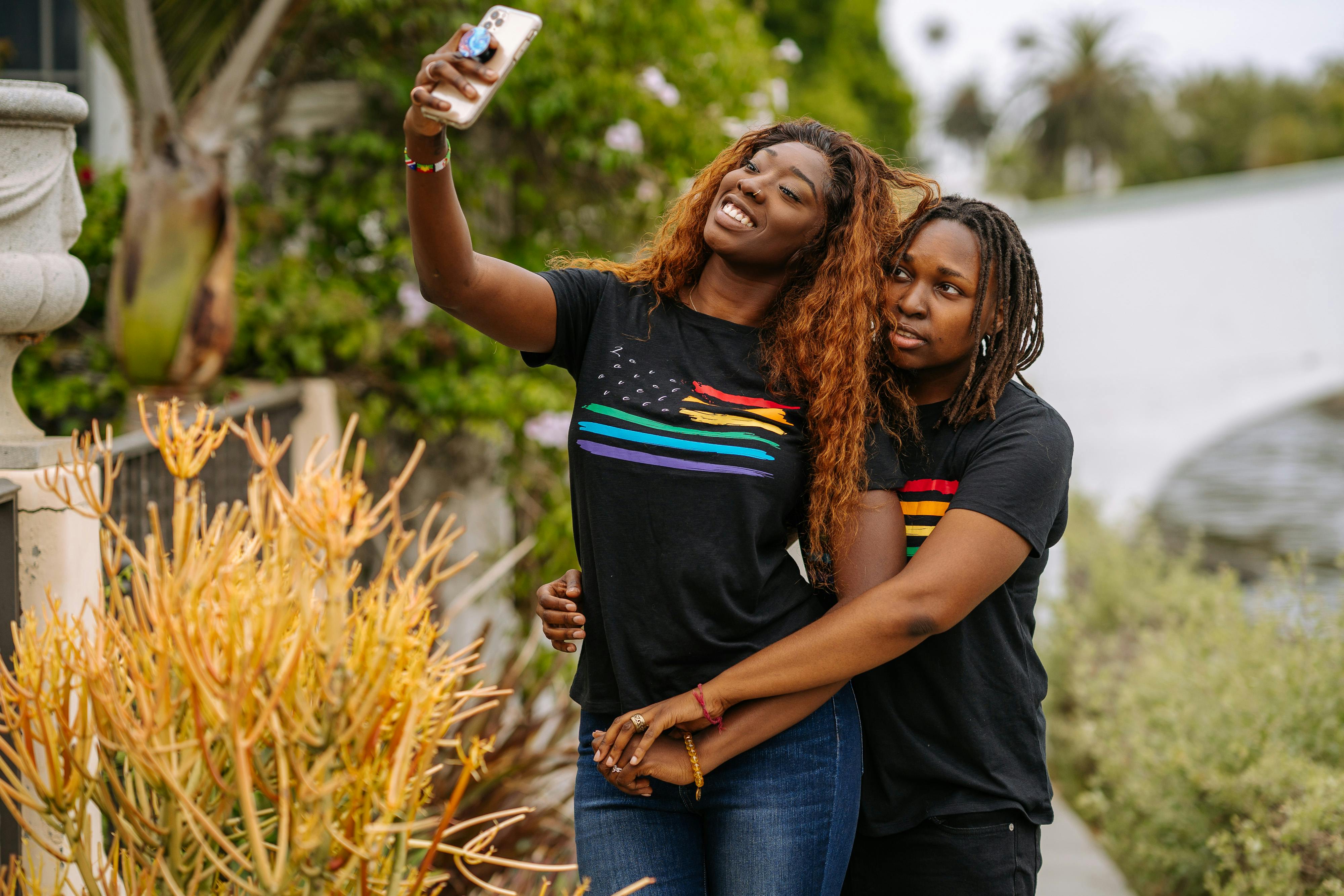
Physical touch is the dimension of relationship formation that digital dating platforms structurally cannot provide, and its absence may be the single most significant limitation of app-based dating. Research in haptic communication - the study of touch as a communication channel - demonstrates that physical contact plays a foundational role in attraction, bonding, and the transition from acquaintance to romantic partner. The handshake, the accidental brush, the shoulder touch during conversation - these micro-contacts carry emotional and neurochemical information that no digital interface can replicate. This structural limitation is the single most important fact about dating app design that the industry consistently underweights.
Every product decision that delays the transition from digital interaction to physical meeting works against the neurochemistry of bonding. Every feature that facilitates faster, safer, more natural in-person encounters aligns with it. The research literature on haptic communication is extensive but has been largely ignored by the dating industry, perhaps because its central finding - that touch matters and screens cannot provide it - is uncomfortable for companies whose entire business model depends on screen-based interaction. The discomfort is understandable. The implication is not that dating apps are useless but that they are inherently incomplete, and that the platforms acknowledging and addressing this incompleteness will serve users better than those pretending it does not exist.
The neuroscience is well-established. Physical touch triggers the release of oxytocin, the neurochemical associated with bonding and trust. Research by Matt Hertenstein and colleagues at DePauw University demonstrated that touch alone, without any visual or verbal cues, can communicate distinct emotions including gratitude, sympathy, and love with remarkable accuracy. In romantic contexts, early physical contact accelerates the transition from stranger to potential partner by activating neurochemical pathways that text and even video communication cannot reach.
The DII Take
The dating industry has optimised for everything except the one thing that actually produces romantic bonding: physical presence.
The entire app-based dating model delays physical contact to the point where many connections dissipate before it occurs. Research shows that the median time from first match to first date continues to lengthen, with weeks of messaging often preceding an in-person meeting. Each day of delay reduces the probability that the meeting will happen at all, and the absence of physical proximity during the messaging phase means that the neurochemical bonding that touch facilitates never begins. This is not a theoretical concern. It explains why app-initiated relationships frequently stall during the messaging phase and why first dates often disappoint despite weeks of promising digital conversation.
The experience-led dating movement - events, speed dating, activity-based meetups - represents an implicit acknowledgement that physical co-presence is essential for relationship formation. The research supports this pivot emphatically.
What the Research Shows
Several research streams illuminate the role of touch in relationship formation.
Incidental touch increases attraction. Research by Guéguen (2007) and others has found that brief, casual physical contact during social interaction increases the likelihood of compliance with requests and increases reported liking. In dating contexts, the equivalent is the accidental touch during a dinner date, the guided hand during an activity, or the greeting embrace. These contacts signal comfort, confidence, and mutual openness.
Touch communicates emotions that words cannot. Hertenstein et al. (2006) found that touch alone could communicate emotions including love, gratitude, and sympathy with accuracy rates above 50%, comparable to facial expressions and substantially better than chance. In early-stage romantic interactions, touch communicates interest and warmth in ways that overcome the ambiguity of verbal communication.
The absence of touch creates an intimacy ceiling. Research on computer-mediated communication consistently finds that text-based interaction can build rapport and emotional closeness, but it struggles to generate the embodied intimacy that physical co-presence provides.
Video calling improves on text but still lacks the haptic dimension. The implication for dating apps is that prolonged digital-only interaction creates diminishing returns: after a certain point, additional messaging produces no further closeness without the progression to physical meeting.
Speed-dating research provides direct evidence. Eli Finkel's speed-dating studies demonstrated that brief face-to-face encounters generated attraction signals that could not be predicted from profile information. The physical co-presence dimension - including non-verbal communication, vocal quality, and the possibility of incidental touch - created a qualitatively different evaluative experience from profile-based assessment.
For dating operators, the research reinforces the strategic importance of facilitating the transition from digital to physical interaction as quickly and smoothly as possible. Features that encourage faster first meetings, provide venue recommendations, reduce pre-date anxiety, and create structured in-person experiences all address the fundamental limitation that digital platforms face: they cannot provide the physical dimension of attraction.

The Digital Intimacy Paradox
The relationship between digital communication and physical intimacy is paradoxical. Research suggests that digital communication can build emotional intimacy through self-disclosure and sustained attention but cannot build physical intimacy, which requires touch, proximity, and embodied interaction. Couples who communicate extensively online before meeting may feel emotionally close but physically awkward during their first in-person encounter.
This paradox partly explains first-date disappointment after extended messaging. The emotional connection built through text creates an expectation of physical comfort that has not been earned through gradual in-person progression. Platforms that facilitate a more integrated progression - from text to voice to video to in-person - allow users to calibrate physical expectations alongside emotional development.
The experience-led dating movement, covered in DII's analysis of Thursday and Hinge's initiatives, implicitly addresses the physical touch deficit by placing users in shared physical spaces where incidental contact can occur naturally. A cooking class, a hiking group, or a social event provides contexts for casual physical proximity that messaging cannot replicate. The platforms that facilitate the fastest transition from digital to physical interaction will produce the strongest attraction outcomes.
The Speed-Dating Evidence
Speed-dating research provides the most direct evidence for the importance of physical co-presence in attraction. Eli Finkel and Paul Eastwick's extensive speed-dating studies demonstrated that brief face-to-face encounters generated attraction signals that were essentially unpredictable from profile information. The physical co-presence dimension - including vocal quality, body language, energy, scent, and the possibility of incidental touch - created a qualitatively different evaluative experience from profile-based assessment.
Research by Vacharkulksemsuk et al. (2016), published in the Proceedings of the National Academy of Sciences, demonstrated that expansive body postures during speed-dating significantly increased romantic interest from partners. Open, confident non-verbal behaviour predicted attraction above and beyond physical appearance, conversation content, or demographic similarity. These are signals that no dating profile can capture and no algorithm can predict.
The accumulated speed-dating evidence supports a clear design principle: the faster a dating platform can get two people into the same physical space, the more accurate the attraction assessment will be. Extended messaging before meeting allows users to form impressions based on an impoverished information channel (text) that poorly predicts the full-spectrum impression formed during in-person interaction.
Designing for Physical Transition
For dating operators, the research reinforces the strategic importance of facilitating the transition from digital to physical interaction as quickly and smoothly as possible. Several specific features address this.
Date venue recommendations that prioritise interactive environments - activity dates, walking routes, cooking classes - over static seated formats create opportunities for incidental touch and shared physical experience. Research on the 'misattribution of arousal' suggests that mildly exciting activities produce stronger attraction than calm settings.
Video date features, while not providing physical touch, offer intermediate-richness communication that includes non-verbal signals absent from text. Research by Finkel and colleagues on virtual versus in-person dates found surprisingly comparable outcomes when controlling for date length, suggesting that video can serve as a useful stepping stone.
Event-based meeting formats, which place users in shared physical environments with low-pressure social dynamics, combine the benefits of physical co-presence with the reduced anxiety of structured interaction. The growing investment in events by Hinge, Thursday, and Bumble reflects an intuitive understanding of what the touch research formally demonstrates: relationships form in physical space, and the platforms that create access to that space will produce the best outcomes.

Oxytocin and the Bonding Pathway
The neurochemistry of touch provides the most compelling scientific argument for prioritising physical meeting in dating platform design. Oxytocin, released during physical contact, reduces cortisol (the stress hormone), increases feelings of trust and safety, and facilitates the formation of pair bonds. The oxytocin pathway cannot be activated through digital communication, no matter how emotionally rich.
Research by Holt-Lunstad and colleagues has demonstrated that physical affection predicts relationship satisfaction independently of other relationship quality indicators. Couples who maintain higher levels of casual physical contact report greater satisfaction, greater commitment, and lower conflict. These effects are not merely correlational - experimental studies in which couples are instructed to increase physical affection show subsequent improvements in relationship quality.
The window between first digital contact and first physical meeting is a period of bonding deficit. The emotional connection developing through messaging exists without the neurochemical reinforcement that physical proximity provides.
This is why first-date experiences are so high-stakes: they represent the moment when the digital relationship either gains its neurochemical foundation or fails to establish one.
Haptic Technology and the Future
Emerging haptic technology - devices that simulate touch sensation through vibration, pressure, and temperature - may eventually allow dating platforms to incorporate a physical dimension into digital interaction. Research on 'mediated social touch' has found that even crude haptic feedback (a vibration on the wrist timed to a partner's message) can increase feelings of co-presence and emotional connection.
While mainstream haptic dating features remain years away, the underlying research validates the principle that physical sensation enhances digital communication. In the nearer term, features that create physical self-awareness during digital interaction - guided breathing exercises before a video date, body-language tips for first meetings, or mindfulness prompts that ground users in their physical experience - may partially bridge the touch deficit by increasing users' awareness of the embodied dimension of attraction that screens obscure.
The Cultural Dimension of Touch
Touch norms vary dramatically across cultures, adding complexity to cross-cultural dating dynamics. Research by Remland, Jones, and Brinkman on cultural variation in interpersonal touch found that Mediterranean and Latin American cultures employ significantly more interpersonal touch than Northern European and East Asian cultures. These differences create potential misunderstanding in cross-cultural dating: a Southern European's casual physical contact may be perceived as overly forward by a Northern European date, while a Japanese person's physical reserve may be interpreted as coldness by a Latin American date.
For dating platforms operating internationally, touch-norm variation reinforces the argument for cultural context features discussed in DII's intercultural relationship analysis. At minimum, awareness that physical contact norms differ across cultures would help users navigate cross-cultural first dates with greater sensitivity. More ambitiously, matching algorithms could account for cultural touch-norm compatibility as one dimension of overall compatibility assessment.
The physical dimension of attraction will remain the one dimension that digital dating platforms cannot fully replicate. This irreducible limitation is precisely why the industry's pivot toward experience-led dating - events, activities, and in-person gatherings that place users in shared physical space - represents the most strategically sound product direction available. The research is unambiguous: relationships form through embodied interaction, and the platforms that create the most seamless pathway from digital introduction to physical meeting will produce the best outcomes for their users.
The physical dimension of attraction is the one dimension that digital dating cannot replicate, and the experience-led dating movement represents the industry's most promising response to this fundamental limitation. Every investment in events, activities, and in-person gathering facilitates the touch and physical proximity that the neuroscience identifies as essential for romantic bonding. The platforms that bridge the gap between digital introduction and physical meeting most quickly and naturally will produce the best relationship outcomes, as the accumulated evidence from haptic communication, neuroscience, and speed-dating research consistently demonstrates.
This analysis draws on Hertenstein et al. (2006) emotional communication through touch; Guéguen (2007) incidental touch and compliance research; oxytocin and bonding neuroscience literature; Finkel et al. speed-dating research; and computer-mediated communication research on intimacy limitations. Applications to dating contexts represent DII's interpretation.
What This Means
Dating platforms face an irreducible structural limitation: they cannot provide the physical touch that neuroscience demonstrates is foundational to romantic bonding. The industry's shift toward experience-led dating, event-based formats, and features that accelerate the transition from digital to physical interaction represents a strategic acknowledgement of this constraint. Platforms that optimise for rapid, safe, and natural progression to in-person meetings will produce superior relationship outcomes compared to those that optimise for prolonged digital engagement.
What To Watch
Monitor investment in hybrid dating models that combine digital matching with structured in-person events, particularly those incorporating activity-based formats that create opportunities for incidental touch and shared physical experience. Watch for product features that shorten the messaging-to-meeting timeline, such as time-limited chat windows, integrated video dates, or algorithmic prompts encouraging early meetings. Track the emergence of haptic communication technology in consumer devices, which may eventually allow partial simulation of physical presence during digital interaction, though mainstream adoption remains years away.
Create a free account
Unlock unlimited access and get the weekly briefing delivered to your inbox.