

Swipe Mechanics: The Dating Industry's Uncomfortable Truth
In this article
Research Report
This analysis examines the neurological mechanisms underlying dating app engagement, focusing on the swipe mechanic's variable ratio reinforcement schedule and its effects on user behaviour and satisfaction. Drawing on dopamine research, gambling psychology, and attention economy dynamics, the report identifies the fundamental tension between engagement-maximising design and user wellbeing, with implications for platform strategy and regulatory oversight.
- The swipe mechanic operates on variable ratio reinforcement schedules, the same neurological pathway identified in gambling research as the most potent driver of habitual behaviour
- Dopamine neurons fire in response to reward prediction cues rather than rewards themselves, meaning the anticipation of a match produces stronger neurological activation than the match itself
- Passive social media consumption negatively predicted wellbeing in research by Shakya and Christakis (American Journal of Epidemiology, 2017), while active engagement had neutral or mildly positive effects
- The U.S. Surgeon General's 2023 advisory established that platform design features activating compulsive engagement patterns constitute a public health concern
- Dating apps compete for the same neurological resources as social media, gaming, and streaming within the broader attention economy

The DII Take
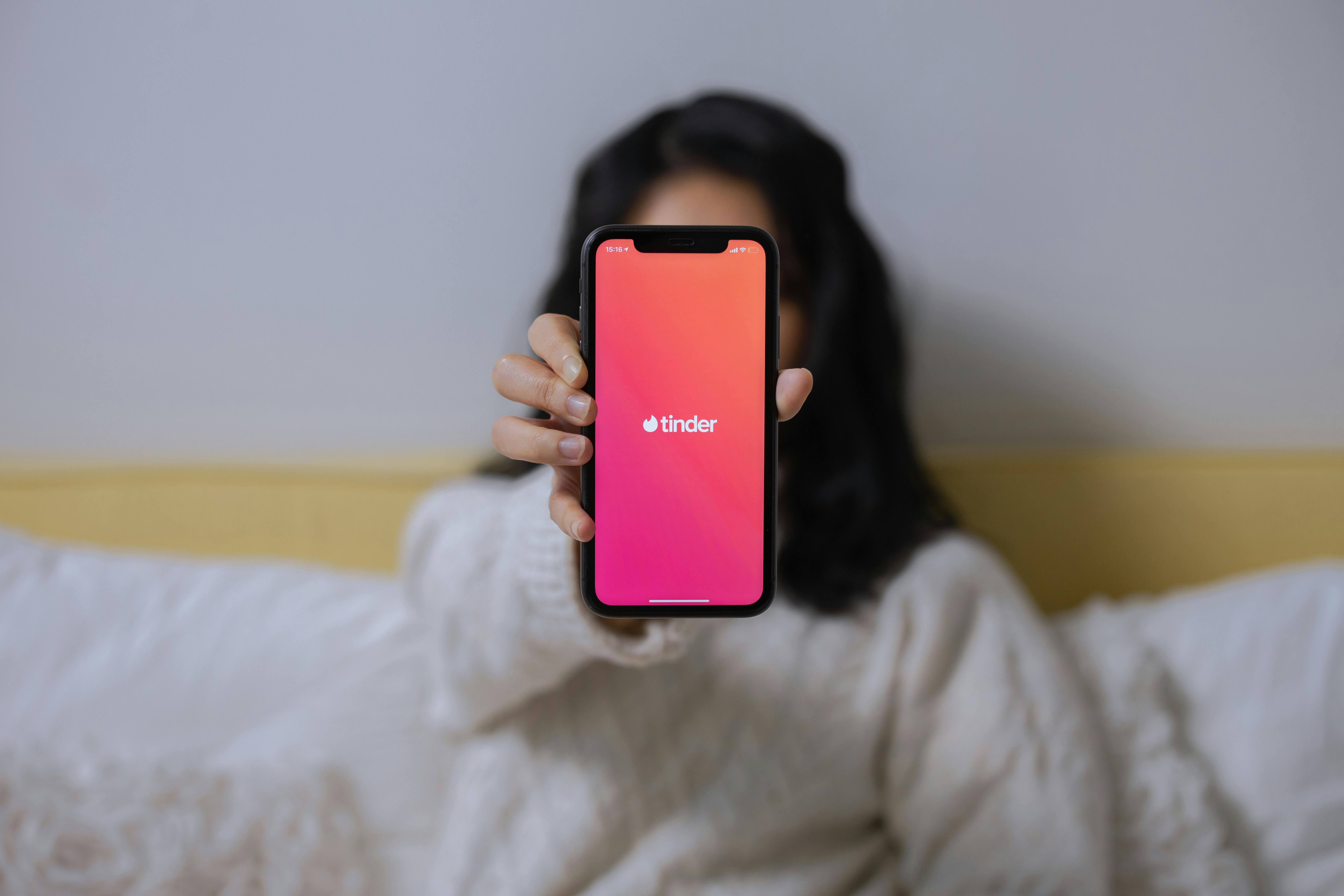
The neuroscience of swiping is the dating industry's most uncomfortable truth. The mechanic that generates the highest engagement - the variable-ratio reinforcement swipe - is also the mechanic most associated with compulsive behaviour, reduced satisfaction, and the 'dating app fatigue' that is driving users away. This is not accidental. The swipe was designed, whether consciously or not, to maximise time-in-app rather than to maximise relationship formation.
The platforms that move beyond swipe-based engagement toward interaction models that produce genuine satisfaction - conversation quality, successful dates, relationship formation - will solve the retention crisis that pure engagement optimisation created.
Hinge's decision to market itself as 'designed to be deleted' is an implicit acknowledgement that engagement-maximising design conflicts with user wellbeing. The neuroscience supports that acknowledgement.
The Dopamine Loop
The neurological pathway activated by dating app swiping has been well-characterised in related contexts. Wolfram Schultz's foundational research on dopamine and reward prediction demonstrated that dopamine neurons fire not in response to rewards themselves but in response to cues that predict rewards. In dating apps, the swipe gesture is the cue, and the potential match is the predicted reward. When a match occurs, dopamine fires. When it does not, the brain adjusts its prediction model and prepares for the next swipe with renewed anticipatory activation.
Research by Natasha Schüll on slot machine design, published in her book 'Addiction by Design', documented how variable ratio reinforcement schedules in gambling machines produce a 'zone' state characterised by repetitive action, narrowed attention, and diminished awareness of time. Dating app users report strikingly similar experiences: losing track of time while swiping, entering a mindless repetitive state, and feeling dissatisfied afterward despite extended engagement.
The neurological parallel extends to tolerance effects. Just as gambling addicts require larger stakes to produce the same dopamine response, habitual dating app users may require more novel or more extreme matches to produce equivalent excitement. This tolerance dynamic partly explains the escalating dissatisfaction that long-term users report: the neurological thrill of the early swiping experience diminishes with repetition.
The 'near miss' effect compounds the dopamine loop. In gambling research, near misses (outcomes that almost but not quite produce a reward) generate stronger neurological activation than complete misses. In dating apps, the equivalent is the profile that seems promising but does not match, the conversation that starts well but fizzles, or the date that goes well but does not lead to a second. These near misses keep users engaged not because they are getting what they want but because the neurological reward system interprets them as evidence that the next swipe might deliver.
The Comparison With Social Media
The neurological mechanisms driving dating app engagement share significant overlap with those driving social media use, but with an important difference. Social media platforms like Instagram and TikTok deploy variable ratio reinforcement through likes, comments, and algorithmic content serving. Dating apps add a layer of personal validation to this mechanic: each match is not just a reward but a confirmation of personal desirability. Each non-match is not just a missed reward but a rejection of personal worth. The emotional stakes of the dating app dopamine loop are higher than those of social media, which may explain why dating app burnout is reported more intensely and more rapidly than social media fatigue.
Research by Holly Shakya and Nicholas Christakis found that passive social media consumption (scrolling without interacting) negatively predicted wellbeing, while active social media use (posting, commenting, messaging) had neutral or mildly positive effects. Applied to dating apps, this distinction maps onto the difference between passive swiping and active dating.
The neurological reward systems activated by these two behaviours differ: passive swiping activates anticipation pathways, while active engagement activates social connection pathways that produce more lasting satisfaction.

The Gamification Layer
Many dating apps layer explicit gamification mechanics on top of the swipe's implicit reinforcement schedule. Tinder's 'Super Like' (a limited resource that signals intense interest), Bumble's 'Spotlight' (which boosts profile visibility), and various 'boost' features across platforms all introduce scarcity, competition, and achievement dynamics that further engage the brain's reward systems.
Research by Sebastian Deterding and colleagues on gamification has found that game mechanics can increase engagement in the short term but may reduce intrinsic motivation over time. When users begin to engage with a platform primarily to earn rewards, level up, or avoid missing out, their original motivation (finding a partner) becomes secondary. The platform becomes a game, and the user's relationship with it resembles that of a gamer rather than a partner-seeker. This dynamic explains the commonly reported experience of users who swipe compulsively but rarely convert matches to dates: the game mechanic has displaced the original purpose.
The premium feature economy builds directly on these neurological dynamics. Features like 'see who liked you', 'rewind' (undo a left swipe), and 'unlimited likes' are marketed as tools for better dating but function neurologically as removal of frustration barriers within the reinforcement loop. Paying to see who liked you removes the uncertainty that drives anxious engagement; paying for unlimited likes removes the constraint that forces selective swiping. Both interventions modify the reinforcement schedule rather than improving the dating outcome.
Beyond the Swipe: Alternative Engagement Models
The neuroscience literature suggests several alternative engagement models that produce satisfaction rather than compulsion. Goal-directed behaviour activates different neural circuits than habit-driven behaviour. The prefrontal cortex, associated with planning and deliberate action, produces a qualitatively different form of satisfaction than the dopamine-driven reward anticipation of the basal ganglia. Dating features that encourage deliberate, goal-oriented action - writing thoughtful messages, planning dates, reflecting on interactions - engage prefrontal circuits that produce lasting satisfaction rather than compulsive engagement.
Social reward pathways, activated by genuine interpersonal connection, produce stronger and more enduring positive affect than novelty-seeking pathways. Features that deepen existing connections (conversation quality tools, relationship progression markers, shared experience features) activate social reward circuits that the swipe mechanic does not reach. The 'completion' pathway - the satisfaction of achieving a meaningful goal - is neurologically distinct from the anticipation pathway that drives swiping. Platforms that frame the dating journey as a series of achievable milestones (first conversation, first voice note, first date, first month) provide completion satisfaction that counterbalances the anticipation-disappointment cycle of swiping.
Slow dating models, exemplified by platforms like Once (which delivered a single match per day) and Hinge's limited daily recommendations, deliberately constrain the reinforcement schedule. By reducing the number of potential rewards per session, these models lower the intensity of the dopamine loop and shift user attention from browsing to engaging. The research supports this approach: constrained choice environments produce higher satisfaction with chosen options, as the paradox of choice literature demonstrates.
For operators, the neuroscience presents a strategic choice: continue optimising for engagement through neurological mechanisms that produce dissatisfaction and churn, or invest in interaction models that produce genuine satisfaction and long-term retention. The industry's current revenue model, which depends on subscription renewals from users who remain on the platform, creates a perverse incentive toward the former. The industry's long-term sustainability, in an environment of increasing regulatory scrutiny and user backlash, demands the latter.
The regulatory dimension is increasingly relevant. As governments and health bodies classify compulsive app use as a public health concern, the neurological design patterns that drive dating app engagement may attract the same scrutiny that social media engagement mechanics have received. The UK Online Safety Act and EU Digital Services Act both create frameworks for regulating platform design that produces harmful user outcomes. Dating platforms that proactively shift away from compulsive engagement mechanics position themselves ahead of regulatory requirements while building more sustainable user relationships.
The Attention Economy Trade-Off
The neuroscience of swiping places dating apps within the broader attention economy, competing for the same neurological resources as social media, gaming, streaming, and other digital entertainment. The dopamine pathways activated by dating app swiping are the same pathways activated by Instagram scrolling, TikTok browsing, and mobile gaming. This means that dating apps compete not just with other dating apps but with every digital product that targets the brain's reward anticipation system.
The cognitive and emotional resources consumed by compulsive swiping are resources unavailable for the deliberate relationship-building activities that predict dating success: composing thoughtful messages, planning dates, engaging in meaningful conversation, and reflecting on what they want from a partner.
The irony is that the engagement mechanic designed to keep users on the platform actively undermines the behaviour that would make the platform successful at its stated purpose. For operators, the attention economy trade-off creates a strategic tension between short-term engagement metrics and long-term user outcomes. Every minute a user spends swiping is a minute not spent messaging, planning, or meeting. The platforms that resolve this tension - by designing engagement mechanics that drive meaningful activity rather than compulsive browsing - will produce the best commercial outcomes over time, because user satisfaction ultimately drives the referrals, reviews, and retention that sustain growth.
The Ethical Horizon
The neuroscience of swiping raises ethical questions that the dating industry has been slow to confront but that regulators and public health bodies are beginning to articulate. The U.S. Surgeon General's 2023 advisory on social media and youth mental health, while focused on social media rather than dating apps, established the principle that platform design features activating compulsive engagement patterns constitute a public health concern. Dating apps employ the same variable-ratio reinforcement schedules, the same dopamine-driven engagement loops, and the same tolerance effects that the advisory identified in social media. The extension of regulatory attention from social media to dating apps is a matter of when, not whether.
The EU Digital Services Act creates obligations for large platforms to assess and mitigate systemic risks, including risks to mental health. Dating platforms operating in the EU face growing pressure to demonstrate that their engagement mechanics do not produce harmful compulsive behaviour. The platforms that proactively audit their design for neurological exploitation, reduce or eliminate the most compulsive mechanics, and invest in healthier engagement models will be ahead of regulatory requirements when they arrive.
Research ethics also demand consideration. The neuroscience of swiping is well-understood by the researchers who study it and, presumably, by the product designers who build dating apps. The continued deployment of engagement mechanics known to produce compulsive, unsatisfying behaviour raises questions about the industry's ethical commitments to its users. A platform that knowingly exploits neurological vulnerabilities for commercial gain is making an ethical choice, and one that the growing public awareness of 'addictive design' makes increasingly difficult to defend.
This analysis draws on Schultz's dopamine and reward prediction research; Schüll's 'Addiction by Design' (2012) analysis of variable ratio reinforcement in gambling; general neuroscience of reward anticipation and habit formation; and dating app user experience research. The gambling-dating app parallel is analytical, not diagnostic - this analysis does not claim that dating app use constitutes clinical addiction. Product design implications represent DII's interpretation of the neuroscience literature. Research has demonstrated adverse psychological effects of excessive swiping including upward social comparison and fear of being single. Recent studies examining how the brain's reward system powers online dating have confirmed that intuitive swiping develops reflexive habits while priming dopamine release, leading to habitual engagement patterns.
What This Means
Dating platforms face a fundamental choice between neurological exploitation that maximises short-term engagement and interaction design that produces user satisfaction and sustainable retention. The swipe mechanic's variable ratio reinforcement schedule generates compulsive behaviour at the cost of meaningful connection, creating the very fatigue driving users away. Platforms that invest in deliberate, goal-oriented engagement mechanics - constrained choice, conversation depth, completion milestones - will build competitive advantage as regulatory scrutiny intensifies and users demand healthier digital relationships.
What To Watch
Monitor regulatory developments extending social media design standards to dating platforms, particularly in the EU under the Digital Services Act and in jurisdictions following the U.S. Surgeon General's public health framework. Watch for product innovation moving away from infinite-scroll swiping toward constrained, intentional matching models, and track user retention metrics comparing swipe-heavy platforms with conversation-focused alternatives. Public health research quantifying the mental health effects of dating app design will shape both regulatory requirements and competitive positioning in the next 18-24 months.
Create a free account
Unlock unlimited access and get the weekly briefing delivered to your inbox.