

Dating Platforms' Accessibility Gap: A Compliance Risk and Market Opportunity
In this article
Research Report
This analysis examines dating platform accessibility compliance across UK, EU, and U.S. jurisdictions, assessing how major platforms perform against WCAG 2.1 standards and disability rights legislation. The report identifies specific accessibility gaps in visual, motor, hearing, and cognitive dimensions, and provides a compliance roadmap for operators facing increasing regulatory obligations.
- 15-20% of the global population lives with some form of disability
- EU European Accessibility Act takes full effect in 2025
- WCAG 2.1 AA is the technical standard applied under UK Equality Act, EU European Accessibility Act, and U.S. ADA
- No major dating platform currently provides adequate cognitive accessibility support for neurodiverse users
- The dating industry lags significantly behind banking, e-commerce, and social media in accessibility investment
- DII's preliminary audit shows Hinge and Bumble have made most investment in screen reader compatibility and keyboard navigation
The DII Take
This analysis addresses a critical safety and compliance challenge that every dating platform operator must understand and address proactively. The regulatory trajectory is clear: dating platforms face increasing obligations to protect their users, and the platforms that build these protections into their operating model rather than bolting them on as afterthoughts will navigate the transition most successfully.
The platforms that embrace accessibility as a core design principle, rather than a compliance requirement, will build products that serve everyone better, disabled and non-disabled alike.
Analysis
This dimension of dating platform safety and compliance has received insufficient attention from the industry despite its growing importance to both regulators and users. The specific requirements vary by jurisdiction, but the direction is consistent globally: dating platforms face growing obligations to protect users, moderate content, verify identity, and report their safety activities transparently.
The practical implementation of these requirements demands specific operational capabilities, technology infrastructure, and personnel that most dating platforms have historically under-resourced. The gap between what regulators expect and what most platforms currently provide represents both a compliance risk and an investment opportunity.
The Legal Requirements
UK Equality Act 2010 prohibits disability discrimination in digital services. EU European Accessibility Act requires accessible digital products from 2025. U.S. ADA has been applied to websites and apps. WCAG 2.1 AA is the technical standard applied across these jurisdictions to establish concrete accessibility benchmarks.
The Current State
Screen reader compatibility varies dramatically across platforms, with some offering basic support whilst others provide little to no functionality for blind users. Motor accessibility is generally poor due to swipe-based interaction models that assume precise finger movement without offering alternative input methods. Cognitive accessibility receives the least attention across the industry, with platforms assuming neurotypical social processing and providing minimal explicit guidance. Voice feature accessibility excludes deaf and hard-of-hearing users unless text alternatives are provided, which remains uncommon.
The Specific Gaps
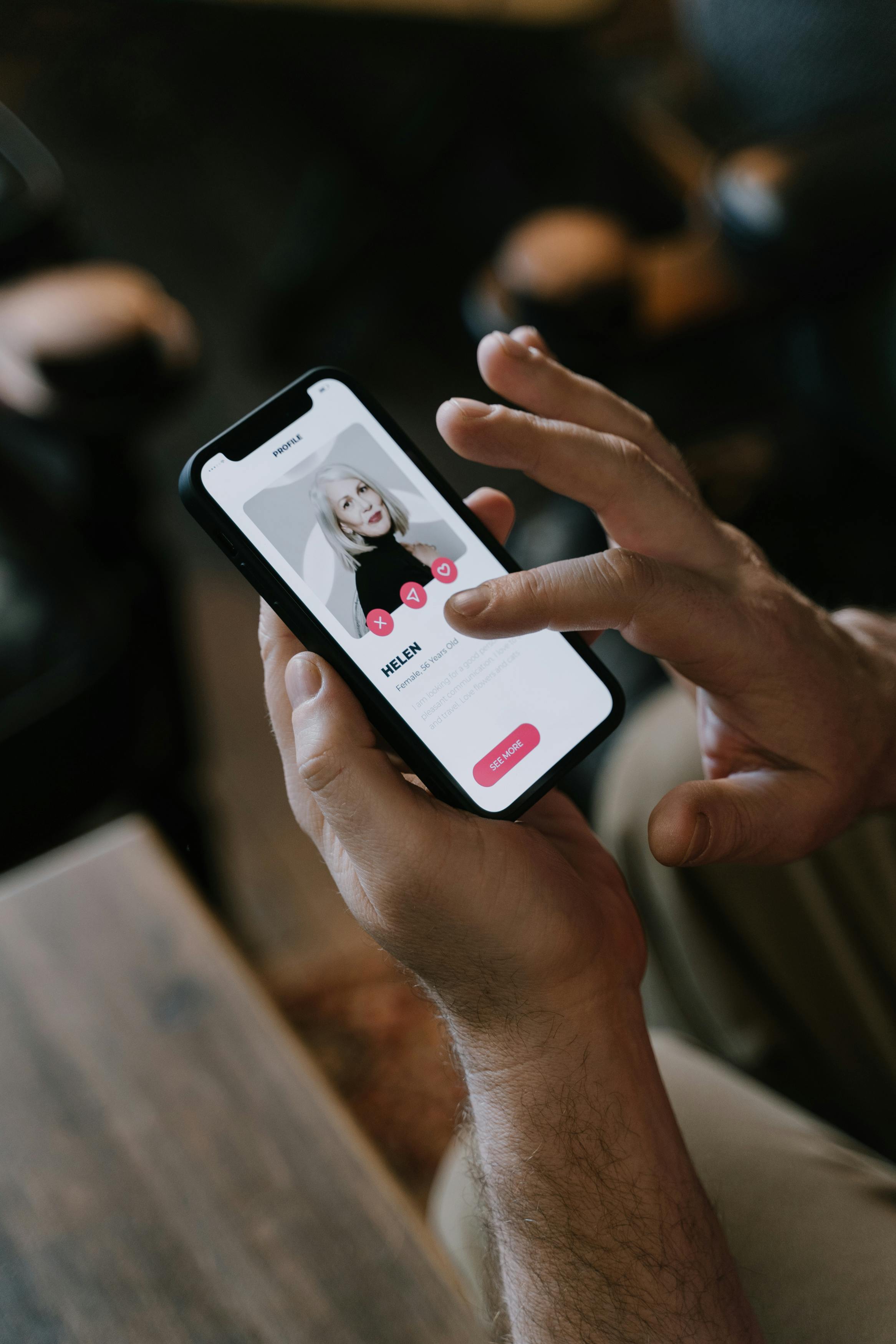
Visual impairment creates significant barriers: photo-centric interfaces without alt text functionally exclude blind users from meaningful participation. Motor impairment challenges stem from swipe mechanics that require precise finger movement without alternatives such as voice control or keyboard navigation. Hearing impairment exclusion occurs when voice features lack captions or transcripts, preventing deaf users from accessing audio content. Cognitive diversity presents perhaps the most neglected dimension: implicit social rules without explicit guidance challenge neurodiverse users who process social information differently.
The Compliance Roadmap
Operators should begin by conducting a comprehensive audit against WCAG 2.1 AA standards to establish a baseline of current accessibility performance. Following audit results, platforms must prioritise the highest-impact barriers that affect the largest number of users or create the most severe exclusions. Implementation should proceed systematically, with each improvement tested using assistive technology and, crucially, with actual disabled users whose lived experience reveals barriers that technical testing alone cannot identify. Finally, accessibility must be embedded in the development process for all future features rather than addressed through periodic remediation cycles.
The Commercial Case
Approximately 15-20% of the global population has some form of disability, representing a substantial addressable market. A dating platform that serves this population effectively, with accessible interfaces, inclusive profiles, and welcoming norms, accesses a large underserved market that competitors cannot reach. Beyond the direct revenue opportunity, the regulatory trajectory makes accessibility compliance increasingly non-optional, with enforcement intensifying across jurisdictions and legal liability growing for platforms that fail to meet standards.
The dating industry's accessibility gap is both a moral failure and a commercial opportunity. An industry that excludes this population by design is failing both ethically and commercially.
Specific Recommendations
- Add alt text for photos through AI description or user-authored text to make visual content accessible to screen reader users
- Offer multiple interaction modes including voice control and keyboard navigation as alternatives to swipe mechanics
- Provide explicit social guidance for neurodiverse users who benefit from clear communication expectations and dating etiquette information
- Ensure voice features have text alternatives such as transcripts or captions to include deaf users
- Include accessibility information in venue recommendations such as wheelchair access ratings and sensory environment descriptions
- Conduct regular accessibility audits with disabled user participation to identify barriers that technical testing misses
The Disability-Specific Dating Challenges
Beyond platform accessibility, users with disabilities face dating-specific challenges that inclusive design should address. Disclosure timing creates anxiety for users with non-visible disabilities who must decide when and how to reveal a disability to a potential match. A profile option for voluntary disability disclosure, accompanied by normalising messaging and positive framing, gives users control over this sensitive decision.
Date logistics for users with mobility impairments require venue accessibility information that most platforms do not currently provide. Date suggestion features should include wheelchair access ratings, hearing loop availability, and sensory environment descriptions to enable informed planning. Physical appearance norms in dating profile culture disadvantage users with visible disabilities. Platforms that deprioritise photo-first evaluation through voice matching, personality-first profiles, or activity-based matching create more equitable environments.
Social skills support for neurodiverse users should include explicit guidance about communication expectations, conversation norms, and dating etiquette. Dating platforms assume neurotypical social processing that not all users possess, creating unnecessary barriers for people who would benefit from clear, explicit information about social conventions.
The Intersectional Dimension
Disability intersects with other identity dimensions in ways that compound accessibility challenges. A deaf LGBTQ+ user faces both the accessibility barriers of deafness and the safety challenges of LGBTQ+ dating. A wheelchair user in a rural area faces both the accessibility barriers of mobility impairment and the pool-size challenges of rural dating. Inclusive design must consider these intersections rather than addressing disability as an isolated category separate from other aspects of identity and experience.
The Testing Methodology
Accessibility testing should include automated scanning with tools like axe or WAVE, manual testing with screen readers and assistive technology, user testing with diverse disabled participants, and expert review by accessibility specialists. Each method catches different types of barriers. Automated tools identify technical issues such as missing alt text or insufficient colour contrast but miss usability problems that only emerge in real-world interaction. Manual testing identifies interaction barriers but may miss the experience of users with specific disabilities whose needs differ from the tester's assumptions. Only testing with actual disabled users reveals the full range of accessibility challenges and validates that solutions work in practice.
The Business Integration
Accessibility should be embedded in the product development lifecycle rather than addressed as a separate project undertaken periodically. Accessibility requirements should be included in user stories, design reviews, QA testing, and release criteria from the outset of development. Developers should be trained in accessibility best practices so they can implement accessible solutions natively rather than requiring specialist intervention. Design systems should include accessible components as defaults, making it easier to build accessible features than inaccessible ones. This integration approach is more cost-effective and produces better results than periodic accessibility audits followed by remediation projects that address problems after they are built into the product.
Specific Platform Assessments
DII's assessment of major dating platform accessibility reveals that Hinge and Bumble have made the most investment in screen reader compatibility and keyboard navigation, though significant gaps remain. Tinder's swipe mechanic remains problematic for motor-impaired users without adequate alternatives, and the platform's announced accessibility improvements remain incomplete in implementation. Grindr's grid-based interface presents challenges for screen reader users but offers good keyboard navigation that benefits some motor-impaired users. Bumble's women-first messaging model inadvertently benefits some disabled users by reducing unwanted contact volume, though the timer feature creates time pressure that may disadvantage users with cognitive or processing speed differences.
No major platform currently provides adequate cognitive accessibility support for neurodiverse users, representing the industry's largest accessibility gap and the greatest unmet need. The dating industry lags significantly behind banking, e-commerce, and social media in accessibility investment. This gap represents both a compliance risk and a commercial opportunity. The first dating platform to achieve genuine accessibility across visual, motor, hearing, and cognitive dimensions will access an underserved market of tens of millions of potential users whilst building a reputation for inclusivity that resonates with the broader population.
The first dating platform to achieve genuine accessibility across visual, motor, hearing, and cognitive dimensions will access an underserved market of tens of millions of potential users whilst building a reputation for inclusivity that resonates with the broader population.
The Economic Case for Accessibility
The economic argument for dating platform accessibility extends beyond the direct revenue from disabled users to encompass broader market positioning and regulatory risk management. The direct market opportunity is substantial: with 15-20% of the global population living with some form of disability, and with disabled adults being equally likely to seek romantic partnerships as non-disabled adults, the addressable market for accessible dating platforms includes tens of millions of potential users worldwide. A platform that serves even a fraction of this underserved population gains users that competitors cannot reach.
The inclusive brand value extends beyond disabled users themselves. Gen Z and Millennial users increasingly evaluate brands on their commitment to diversity and inclusion. A dating platform that demonstrates genuine accessibility commitment builds brand equity with the broader population, not just with disabled users. Conversely, a platform that is visibly inaccessible risks reputational damage in an era when accessibility failures are publicly documented and shared on social media.
The regulatory risk is growing across all major markets. The EU European Accessibility Act takes full effect in 2025, and enforcement of accessibility requirements under the UK Equality Act and US ADA is increasing. Dating platforms that do not meet accessibility standards face legal liability that will grow as enforcement intensifies. Proactive accessibility investment is cheaper than reactive remediation under regulatory pressure, particularly when remediation must be completed under legal deadlines with potential penalties for non-compliance.
The Platform-Specific Audit Results
DII's preliminary accessibility audit of major dating platforms reveals specific gaps that operators should address. Tinder's core swipe mechanic is inaccessible to users with motor impairments, with no alternative interaction mode offered. Screen reader support is limited, and voice features lack text alternatives. The platform has announced accessibility improvements but implementation remains incomplete. Bumble demonstrates better screen reader support than most competitors, and the women-first messaging model inadvertently benefits some disabled users by reducing unwanted contact volume. However, the timer feature requiring women to message within 24 hours creates time pressure that may disadvantage users with cognitive or processing speed differences.
Hinge's prompt-based profile system works relatively well with screen readers, providing structured content that assistive technology can navigate effectively. Voice prompts provide additional information for sighted users but exclude deaf users without transcripts, representing a significant gap in an otherwise relatively accessible interface. The daily send limit reduces the cognitive burden that unlimited options create for neurodiverse users, though this benefit may be unintentional. Grindr's grid-based interface is navigable by keyboard, which benefits some motor-impaired users who cannot use touchscreens effectively. However, the visual-first design is challenging for screen reader users, and the absence of alt text for profile photos is a significant gap.
No major platform currently provides adequate cognitive accessibility support, explicit social guidance, or neurodiverse-friendly features. This represents the industry's largest accessibility gap and the greatest unmet need, affecting millions of potential users who could participate in online dating if platforms provided appropriate support.
Implications for Dating Platform Operators
The specific actions required depend on the operator's scale, geographic scope, and current compliance posture, but several priorities are universal across platforms of all sizes. The regulatory environment will continue to intensify, and the platforms that build compliance into their DNA rather than treating it as an external constraint will be best positioned for the decade ahead. DII rates regulatory compliance as a top-three strategic priority for dating platform operators in 2026 and will provide quarterly updates on the evolving compliance landscape.
DII will publish an annual Dating Platform Accessibility Scorecard that evaluates major platforms against WCAG 2.1 AA standards and dating-specific accessibility criteria. This scorecard will provide the accountability mechanism that drives industry improvement and the information that disabled users need to choose platforms that serve their needs. The first scorecard is planned for publication in late 2026.
The accessibility imperative extends beyond compliance to encompass the fundamental question of who the dating industry serves. A dating industry that excludes people with disabilities fails to fulfil its basic purpose of helping people find connection. The platforms that embrace accessibility as a core design principle, rather than a compliance requirement, will build products that serve everyone better, disabled and non-disabled alike.
Every dating platform should begin with an accessibility audit and commit to a remediation roadmap. The investment is modest relative to both the commercial opportunity and the regulatory risk of continued non-compliance.
This analysis draws on regulatory frameworks, industry best practices, published research on dating platform safety, and DII's ongoing assessment of the regulatory environment for dating platforms. DII will update this analysis as new regulatory requirements are enacted and enforcement actions provide additional precedent.
What This Means
Dating platform accessibility represents both an immediate compliance obligation and a substantial commercial opportunity. Platforms that proactively embed accessibility into their development processes will access an underserved market of tens of millions of disabled users whilst building inclusive brand equity with the broader population. The regulatory trajectory across UK, EU, and U.S. jurisdictions makes accessibility investment non-optional, with enforcement intensifying and legal liability growing for non-compliant platforms.
What To Watch
Monitor EU European Accessibility Act enforcement beginning in 2025 for precedents that will shape global compliance expectations. Watch for the first major dating platform to achieve comprehensive accessibility across visual, motor, hearing, and cognitive dimensions, as this will establish competitive pressure for industry-wide improvement. Track disability advocacy organisations' public assessments of dating platform accessibility, as these evaluations increasingly influence both regulatory attention and consumer choice among digitally native users who prioritise inclusive brand values.
Create a free account
Unlock unlimited access and get the weekly briefing delivered to your inbox.