
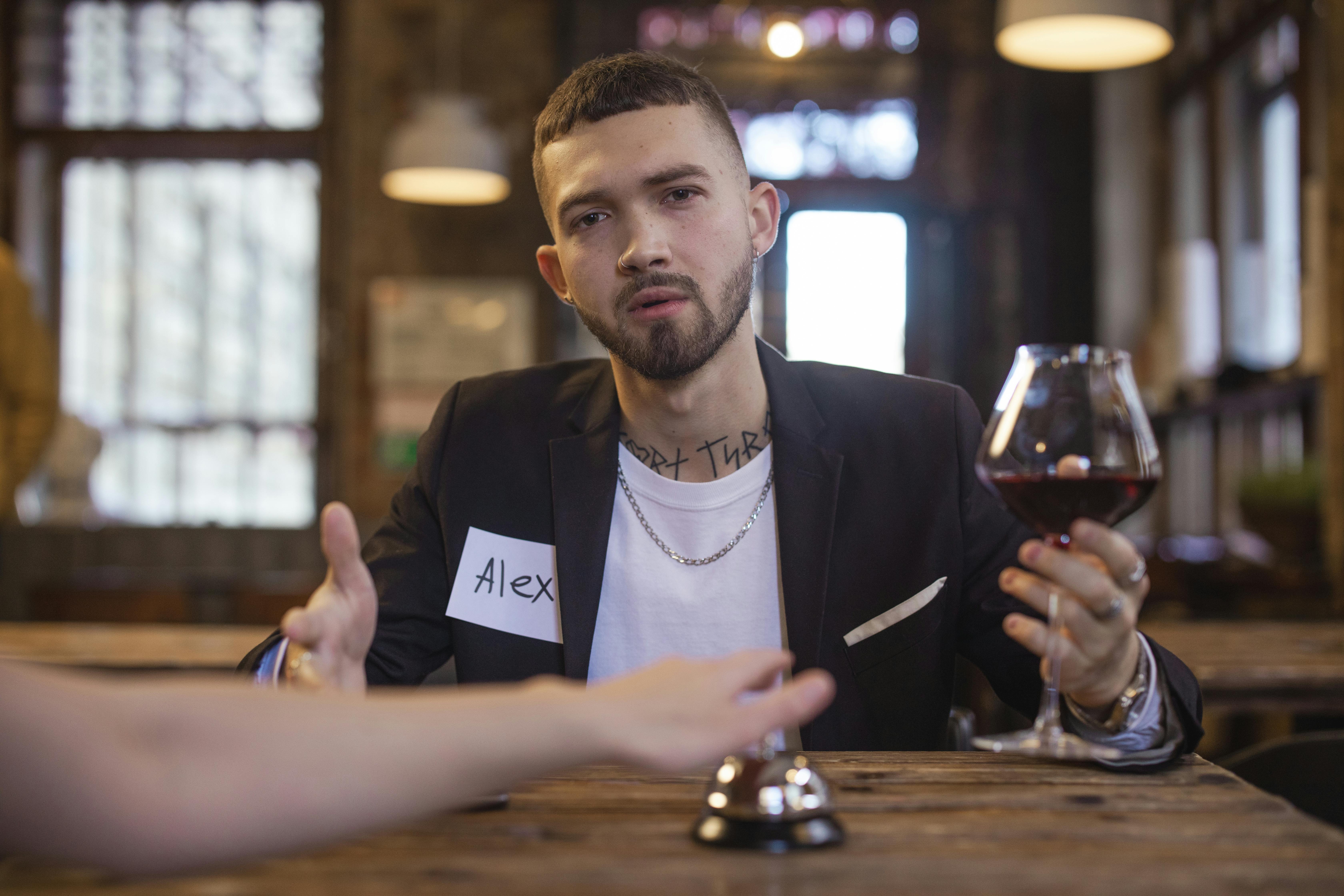
Speed Dating's 63% Surge: A Product Correction, Not a Retro Trend
In this article
Research Report
This report examines the 63% year-on-year surge in speed dating participation among under-30s, driven by dating app fatigue and the structural advantages of face-to-face interaction. It analyses the demographic shift, format innovations, business model economics, and academic research explaining why compressed in-person encounters outperform algorithmic matching for assessing romantic chemistry.
- Speed dating participation increased 63% year on year, with Eventbrite recording over 1.5 million searches for dating and singles events between May 2023 and April 2024
- Thursday, a dating app with two million users, shut down its app entirely in January 2025 to focus on ticketed in-person events
- Over 75% of Gen Z dating app users reported burnout in a 2024 Forbes Health survey
- Tinder lost 594,000 UK users, Bumble lost 368,000, and Hinge declined by 131,000 between May 2023 and May 2024 according to Ofcom data
- Well-run speed dating operators report per-event margins of 30-50% once they reach consistent attendance volumes
- 57% of unpartnered Americans are not currently looking for a relationship or dates, up from 50% in previous Pew Research Centre surveys

Speed dating participation surged 63% year on year, according to Eventbrite data cited by Dating Sites Reviews. Between May 2023 and April 2024, the platform recorded more than 1.5 million searches for dating and singles events. Thursday, a dating app with two million users, shut down its app entirely in January 2025 to focus on ticketed in-person events. Hinge invested $1 million in social gatherings for Gen Z. These are not isolated data points. They describe a structural shift in how the under-30 demographic approaches dating - away from screens and toward physical spaces.
The speed dating format, which many in the industry dismissed as a novelty from the early 2000s, has re-emerged as one of the dating market's fastest-growing segments. Its resurgence is driven not by nostalgia but by a genuine product advantage: speed dating compresses the entire dating funnel - discovery, evaluation, and first meeting - into a single evening, eliminating weeks of messaging, expectation-building, and mutual ghosting that characterise the app-based experience.
The DII Take
Speed dating's comeback is not a retro trend. It is a product correction. The dating app model elongates the journey from discovery to meeting, introducing friction at every stage: swiping fatigue, messaging anxiety, scheduling logistics, and the expectation gap between profile and reality.
Speed dating eliminates all of this by placing two people across a table within seconds of discovering each other. The academic research on attraction, covered in DII's Science of Relationships analysis, consistently shows that in-person chemistry cannot be predicted from profiles. Speed dating operationalises this finding by prioritising face-to-face evaluation over algorithmic pre-selection. The under-30s are not rejecting technology. They are rejecting the specific technology experience that dating apps provide, and choosing a format that respects how human attraction actually works.
Who Is Driving the Resurgence
The demographic profile of the speed dating resurgence challenges stereotypes about who attends these events.
Gen Z and young Millennials (ages 21-32) represent the fastest-growing attendee demographic, according to operators like SpeedDater, Original Dating, and DateInADash. This is counter to the assumption that speed dating appeals primarily to older, less tech-savvy singles. Young attendees cite app fatigue, social anxiety management (the structured format reduces the open-ended anxiety of unstructured socialising), and the desire for 'real' interaction as primary motivations.
Women attend in roughly equal numbers to men, unlike the gender imbalance that plagues dating apps. Speed dating operators actively manage gender ratios, typically aiming for 50:50 balance, which ensures that every attendee has an equivalent number of potential interactions. This managed balance addresses one of the most persistent complaints about dating apps: the asymmetric experience where women are overwhelmed with low-quality attention while men receive limited responses.
Professionals aged 25-40 in major urban centres remain the core demographic. London, New York, and Sydney host the highest concentrations of speed dating events, reflecting the urban professional singles population that also drives dating app usage. The difference is that speed dating appeals to the subset of this population willing to invest an evening and £15-30 per event in a curated experience rather than spending equivalent time swiping on a phone.
The over-40 demographic is a significant and growing segment. As the over-50 singles economy expands, as covered in DII's analysis, speed dating offers an accessible entry point for older singles who find app-based dating intimidating or unsuitable. Events specifically marketed to the 40-55 and 55+ age groups have seen strong attendance growth.
The Format Evolution
Speed dating in 2026 looks different from the stereotypical format of rotating chairs and three-minute conversations.
Activity-based speed dating has emerged as the dominant format innovation. Cooking classes, wine tastings, pottery workshops, hiking groups, and escape rooms are all being used as speed dating contexts, replacing the static table-to-table rotation with shared experiences that generate more natural conversation. These formats reduce social pressure, provide conversational material, and align with the experience-economy preferences of younger participants.
Themed events segment the market by interest, identity, or demographic. Speed dating for dog owners, book lovers, fitness enthusiasts, specific professions, age groups, and cultural communities allows operators to pre-select compatible pools, improving match quality and attendee satisfaction. The niche specificity that made dating apps like Farmers Only or JDate viable in digital applies equally to physical events.
The host-franchisee model, pioneered by Thursday, allows individuals to organise branded events in their cities, creating a scalable distribution network without the centralised operational overhead of running every event directly. This model dramatically reduces the geographic limitations that constrained traditional speed dating operators.
Tech integration has improved the post-event experience. Most modern speed dating operators use apps or web platforms for registration, match collection, and post-event connection. Attendees indicate interest through a digital interface rather than paper cards, and mutual matches are revealed after the event through notifications. This digital layer maintains the convenience that app-native singles expect while preserving the in-person interaction that the format exists to provide.
The Business Model
Speed dating economics are straightforward but require careful management to sustain profitability.
Revenue per event ranges from £300 to £3,000 depending on ticket price, capacity, and venue arrangements. A typical event with 30 attendees at £20 per ticket generates £600 in ticket revenue. Venue hire, staff costs, and marketing reduce the margin, but well-run operators report per-event margins of 30-50% once they reach consistent attendance volumes.
Frequency and geographic density determine scalability. An operator running five events per week across multiple venues in a single city generates meaningful revenue. Expanding to multiple cities multiplies this but requires local market knowledge, venue relationships, and community-building investment. The franchise model addresses scalability by distributing the operational burden to local hosts.
Sponsorship and partnership revenue supplements ticket sales. Drinks brands, venue partners, and dating-adjacent services (styling, photography, personal development) offer natural sponsorship opportunities. A speed dating brand with a loyal, verified singles audience is an attractive partner for consumer brands seeking to reach this demographic.
Retention and community building determine long-term viability. A speed dating operator that converts first-time attendees into regular participants builds a community that generates recurring revenue and reduces per-event acquisition costs. Events that feel welcoming, well-organised, and genuinely enjoyable drive word-of-mouth referrals, which operators consistently identify as their most effective acquisition channel.
For dating industry operators, speed dating's resurgence confirms that the offline dating market is growing faster than the online market among key demographics. The 63% participation increase is a headline figure, but the underlying trend is more significant: a generation raised on dating apps is choosing to meet people in person, and the operators facilitating those meetings are capturing share from the platforms that defined the previous decade.
The App Fatigue Connection
The speed dating resurgence is inseparable from dating app fatigue. The two trends are causally connected: dissatisfaction with digital dating drives demand for offline alternatives, and speed dating is the most accessible offline format available.
The data on app fatigue is unambiguous. A Forbes Health survey in 2024 found that over 75% of Gen Z dating app users reported burnout. Ofcom data showed Tinder losing 594,000 UK users, Bumble losing 368,000, and Hinge declining by 131,000 between May 2023 and May 2024. Pew Research Centre data shows that 57% of unpartnered Americans are not currently looking for a relationship or dates, up from 50% in previous surveys. The pool of singles actively willing to use dating apps is shrinking, even as the total single population grows.
Speed dating captures a specific slice of the disenchanted: singles who still want to meet potential partners but who reject the app mechanic as a means of doing so. These are not technophobes. They are digitally native adults who have tried apps, found them wanting, and are willing to invest an evening and £20 in an alternative. This makes the speed dating audience particularly valuable to operators: they are motivated, relationship-oriented, and willing to pay for a curated experience.
The experience economy reinforces this trend. Consumer spending across categories is shifting from products to experiences, particularly among under-35s. A speed dating event is an experience purchase: an evening of social interaction, novelty, and potential connection that competes for the same discretionary spending as a concert, a restaurant meal, or a fitness class. Operators who position speed dating as an experience brand rather than a dating service tap into broader consumer spending trends.
What Makes Speed Dating Work: The Research Perspective
Academic research on speed dating provides the scientific foundation for understanding why the format produces better initial attraction assessment than profile-based matching.

Eli Finkel and Paul Eastwick's extensive speed-dating research programme at Northwestern University demonstrated that brief face-to-face encounters generate attraction signals that profile information cannot predict. The key finding, replicated across multiple studies, is that romantic desire is dominated by 'relationship variance' - the idiosyncratic chemistry between two specific people - rather than by individual characteristics that can be assessed from a profile. Speed dating operationalises this finding by creating the conditions for chemistry assessment within minutes.
Research by Vacharkulksemsuk et al. (2016), published in PNAS, found that body language during speed-dating encounters significantly predicted romantic interest, with expansive, open postures increasing attraction independently of physical appearance. These non-verbal signals, invisible in dating profiles, are immediately apparent in speed dating's face-to-face format.
The mere exposure effect, documented in research by Zajonc and others, suggests that even brief physical encounters create a familiarity foundation that subsequent interaction can build upon. A speed dating participant who exchanges three minutes of conversation with someone has a qualitatively different basis for continued interest than a dating app user who has seen the same person's photos.
The physical encounter creates a memory trace - visual, auditory, and potentially olfactory - that no digital profile can generate.
The Competitive Landscape
The speed dating market is fragmented, with different operators occupying distinct market positions.
SpeedDater and Original Dating are among the UK's largest operators, running multiple weekly events across London and other major cities. Their models emphasise volume and consistency, with standardised formats and competitive pricing.
DateInADash and other boutique operators differentiate on experience quality, offering themed events, premium venues, and smaller group sizes at higher price points. These operators target the mid-market demographic willing to pay £25-40 for a more curated experience.
Thursday's events model, post-app-pivot, represents the most ambitious attempt to build a global singles events brand. By combining dating events with travel experiences and lifestyle products, Thursday is positioning itself as a lifestyle brand for singles rather than a speed dating operator. The host franchise model allows rapid geographic expansion without proportional operational scaling.
Bumble IRL and Hinge's One More Hour represent the app-to-events crossover, where established dating platforms supplement their digital products with physical experiences. These entrants bring brand recognition and existing user bases but face the operational challenge of running events alongside their core technology businesses.
New entrants continue to emerge, often from adjacent sectors. Fitness instructors launching singles running clubs, restaurateurs hosting singles supper clubs, and travel operators creating singles trip packages all represent informal speed dating alternatives that expand the total market without operating under the speed dating label.
Methodology Note
Speed dating participation data references Eventbrite statistics cited by Dating Sites Reviews. Eventbrite search volume data covers May 2023-April 2024. Thursday pivot data references Global Dating Insights reporting (January 2025). Hinge events fund data references CNBC and other press coverage (March 2025). App user decline data references Ofcom UK report (2024). Speed dating economics and operator demographics are based on publicly available information from UK and U.S. speed dating operators and DII's industry benchmarking.
The Future of Speed Dating
Speed dating's future lies not in the traditional format alone but in the format's evolution into a broader category of structured, time-bounded, in-person dating interactions. The core innovation of speed dating, compressing the dating funnel into a single encounter, will be applied to new contexts: walking dates, activity partnerships, and even workplace-adjacent social events. Fed up with online dating, young singles are driving a surge in event attendance, from speed dating to chess nights. Tinder has even piloted video speed dating experiences to capitalise on this trend. The operators who view speed dating as a format principle rather than a fixed product will capture the largest share of the offline dating market's growth.
What This Means
The speed dating resurgence signals a fundamental market correction in how relationship formation services are delivered, favouring formats that compress time-to-meeting and prioritise chemistry assessment over profile optimisation. Dating platforms must either integrate meaningful offline components or accept share loss to event-based competitors who have operationalised the academic insight that romantic attraction is relationship-specific rather than algorithmically predictable. The shift represents not technophobia but product sophistication: digitally native consumers selecting the interaction format that best serves their actual goal of meeting compatible partners.
What To Watch
Monitor the franchise expansion velocity of Thursday and similar platforms, as geographic density determines whether speed dating becomes a category or remains a niche metropolitan phenomenon. Track whether established dating apps treat events as user retention tactics or genuine revenue diversification, as this will determine competitive intensity and market professionalisation. Observe whether activity-based formats continue displacing traditional speed dating, as this indicates whether the market values structured interaction frameworks over the specific speed dating mechanic.
Create a free account
Unlock unlimited access and get the weekly briefing delivered to your inbox.