

Activity-First Singles Events: The Real Antidote to App Fatigue
In this article
Market Analysis
This analysis examines the expanding singles events ecosystem beyond traditional speed dating, mapping the growth of activity-based, wellness, cultural, and travel experiences designed for unpartnered adults. It explores the economics, competitive landscape, and strategic considerations for operators entering this fragmented but growing market, which has seen significant expansion driven by dating app fatigue and demand for organic social connection.
- Eventbrite recorded more than 1.5 million searches for dating and singles events between May 2023 and April 2024
- Supper club operators report that 30-50% of attendees are single and attending at least partly for social connection
- Activity-based singles events command £40-60 per person compared to £15-25 for standard speed dating
- Singles travel pricing ranges from £500 for weekend getaways to £3,000+ for multi-week international trips, generating 10-100 times higher revenue per customer than speed dating events
- Generation Z consumes less alcohol than any previous generation measured, driving demand for sober and sober-curious dating events
Singles events have expanded well beyond the traditional speed dating format into a diverse ecosystem of activity-based, cultural, wellness, and experiential gatherings that serve the social and romantic needs of unpartnered adults. Adventure dating (hiking, climbing, kayaking), cultural dating (gallery openings, book clubs, cooking classes), wellness dating (yoga sessions, meditation retreats, running clubs), faith-based mixers, sober events, and seasonal festivals all serve the singles social market. The common thread is activity-first design: the event leads with an experience, and dating happens as a natural byproduct rather than the explicit purpose.
The market for singles events beyond speed dating has grown significantly since 2022, driven by the same app fatigue that fuels speed dating's resurgence. Eventbrite recorded more than 1.5 million searches for dating and singles events between May 2023 and April 2024. This demand extends well beyond the formal speed dating format into a broader category of social experiences designed for unpartnered adults.
The DII Take
The most successful singles events are the ones that do not feel like dating events. Activity-first design reduces the social pressure that deters attendance, broadens the audience to include intentionally single individuals who would never attend a speed dating event, and creates the shared experience foundation that relationship science identifies as a predictor of connection.
The operators who understand this - leading with the experience and allowing romantic connection to emerge organically - will build more sustainable businesses than those who brand every gathering as a singles event. The dating industry should study the fitness and wellness sectors, where social bonding happens as a byproduct of shared activity, as a model for how to facilitate connection without the awkwardness of explicit matchmaking.
The Activity-Based Dating Market Map
Several distinct event categories serve the singles social market, each with different economics and audience profiles.
Adventure and outdoor events - hiking groups, climbing sessions, kayaking trips, cycling rides - combine physical activity with social interaction in settings that naturally facilitate conversation. The side-by-side dynamic of walking or cycling reduces the confrontational intensity of face-to-face interaction, making these formats particularly effective for socially anxious participants. Operators include outdoor activity companies that have recognised their singles audience (like Adventure Dating in the UK) and dating-specific operators who have adopted activity formats.
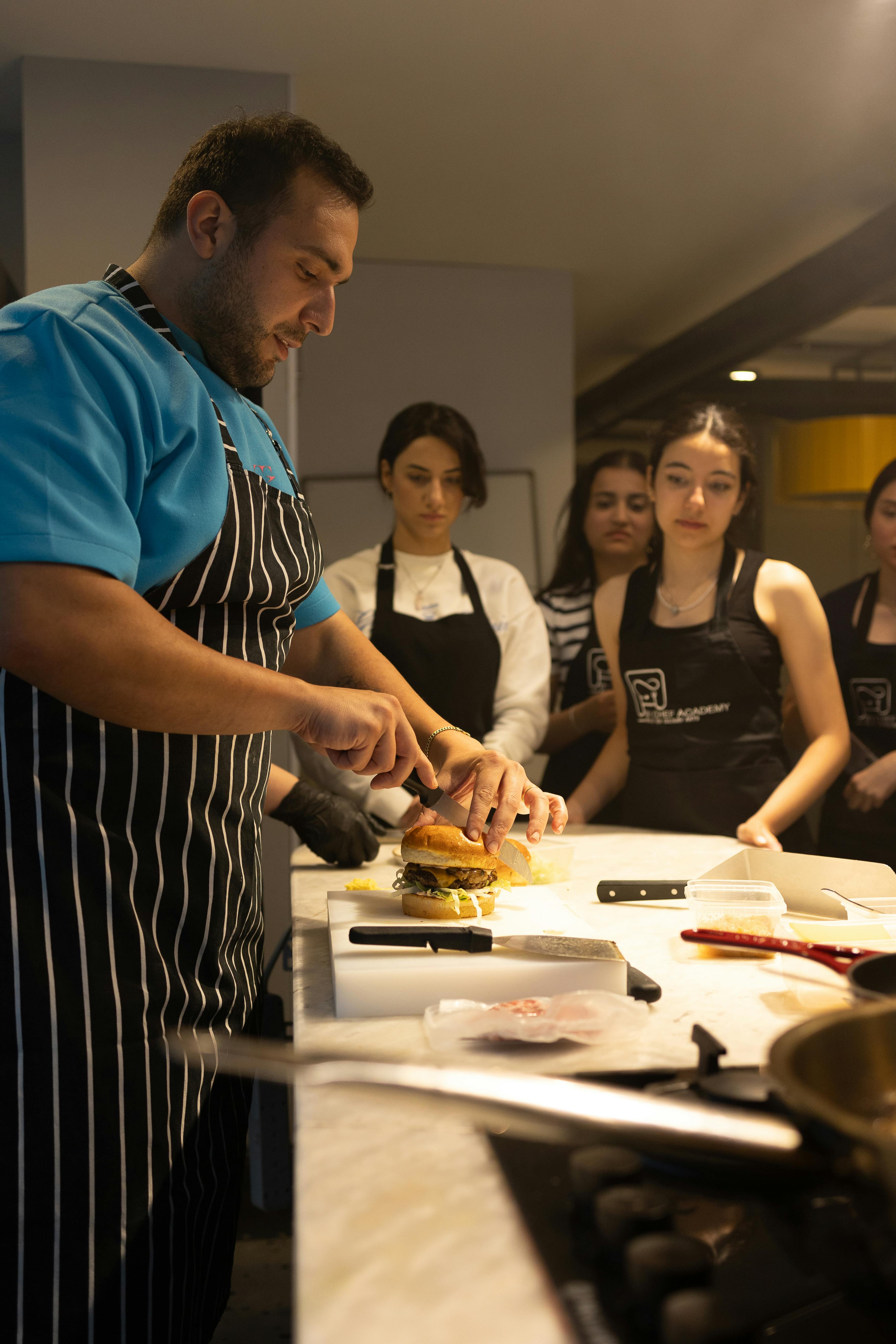
Culinary events - cooking classes, supper clubs, wine tastings, food tours - leverage the universal social currency of food. Shared cooking requires collaboration, conversation, and physical proximity in ways that other activities do not. The supper club format, where strangers share a meal at a communal table, has seen particular growth in London, New York, and other major cities, with operators reporting that 30-50% of attendees are single and attending at least partly for social connection.
Cultural events - gallery openings, book clubs, live music, theatre groups, film screenings with discussion - attract intellectually oriented singles who value shared cultural interests as compatibility indicators. These events command premium pricing and attract higher-income demographics, making them attractive for operators targeting the mid-market and luxury segments.
Wellness events - yoga sessions, meditation retreats, breathwork workshops, mindful running groups - serve the growing intersection of self-improvement and social connection. The wellness industry's alignment with self-care messaging resonates with intentionally single individuals who view personal development as a priority. These events typically attract a predominantly female audience, which creates gender-balance challenges but also represents an opportunity for operators who can attract male participants.
Faith-based and community events serve the cultural and religious matchmaking market, offering structured social gatherings within specific community contexts. These events range from church socials to mosque-organised introductions to Jewish community mixers, and they serve a population whose dating preferences are shaped by religious and cultural considerations that mainstream events do not address.
Sober events represent an emerging niche serving the growing population of adults who do not drink alcohol, whether for health, religious, or personal reasons. Traditional dating events centred on bars and alcohol create an exclusionary dynamic for non-drinkers. Sober singles events, held in cafes, parks, galleries, and activity venues, provide an inclusive alternative that aligns with the broader wellness and mindful drinking trends.
The Economics of Activity-Based Events
Activity-based singles events typically command higher ticket prices than standard speed dating because they include the cost of the activity itself. A singles cooking class at £40-60 per person generates more revenue per attendee than a speed dating event at £15-25, though the venue and instructor costs are also higher. Margins vary by format: low-overhead activities (hiking, running, gallery visits) offer margins comparable to or exceeding speed dating, while high-overhead activities (cooking classes, retreat experiences) require higher ticket prices to maintain margin.
The retention dynamics differ from speed dating. Activity-based events attract attendees who value the activity itself, not just the dating opportunity. This means that even participants who do not form romantic connections may return for the experience, creating a more stable attendance base than events marketed purely as dating opportunities.
A singles hiking group that runs weekly attracts regulars who enjoy the hikes regardless of romantic outcomes, building a community that sustains itself independently of matchmaking success.
Revenue diversification beyond ticket sales is more natural for activity-based operators than for speed dating operators. A cooking class operator can sell ingredients, cookbooks, and private event packages. A travel operator can sell multi-day trip experiences. A fitness operator can sell memberships and merchandise. These ancillary revenue streams reduce dependence on per-event ticket sales and create multiple touchpoints for monetising the singles community.
The Competitive Landscape
The activity-based singles events market is highly fragmented, with most operators being small, locally focused businesses rather than national or international brands. This fragmentation creates both a challenge (lack of brand awareness, limited scale) and an opportunity (significant market share available for operators who can build a recognised brand across multiple cities or formats).
Thursday's post-pivot model represents the most ambitious attempt to build a branded singles events platform at scale. By combining multiple event formats (speed dating, activities, travel, socials) under a single brand with a franchise-style host network, Thursday is positioning itself as the events equivalent of what Tinder is to apps: the default choice with the broadest offering.
For operators considering entry into the activity-based singles events market, the key strategic decision is whether to lead with dating (marketing as a singles event that happens to involve an activity) or lead with the activity (marketing as a social experience that happens to attract singles). The activity-first approach attracts a broader audience and reduces the stigma barrier, but the dating-first approach pre-qualifies attendees for romantic intent, potentially improving match quality.
This analysis draws on Eventbrite search data (May 2023-April 2024), operator-level information from UK and U.S. singles event companies, and DII's assessment of the activity-based dating market. Event economics are based on published pricing and general events industry benchmarking.
The Travel Dating Segment
Travel experiences designed for singles represent the highest-value segment of the activity-based dating market. Singles travel operators like Flash Pack, Under30Experiences, and JoinMyTrip offer group trips where unpartnered adults explore destinations together, with the social dynamic creating natural conditions for romantic connection.
Pricing for singles travel ranges from £500 for weekend getaways to £3,000+ for multi-week international trips. Revenue per customer is 10-100 times higher than a speed dating event, making travel the most lucrative format in the offline dating ecosystem. The repeat booking rate is also high: participants who enjoy the social experience return for subsequent trips, creating a community of travel-oriented singles who generate recurring revenue.
Thursday's expansion into travel experiences following its January 2025 pivot signals that the dating industry's most innovative operators recognise travel as a natural extension of the events model. A singles travel brand that combines destination experiences with structured social activities and digital post-trip connection occupies a market position that neither traditional dating companies nor traditional travel companies can easily replicate.
The Sober Events Opportunity
The sober and sober-curious dating events market deserves specific attention because it serves a growing demographic with limited alternatives.
Generation Z consumes less alcohol than any previous generation measured. The sober-curious movement, which encourages mindful drinking rather than abstinence, has expanded the population of adults who prefer social events that do not centre on alcohol. For these individuals, traditional dating events held in bars with drink-inclusive pricing are not just unappealing but exclusionary.

Sober singles events held in cafes, parks, galleries, daytime venues, and activity spaces serve this population while also attracting participants who simply prefer non-alcohol-centred socialising. The format reduces the behavioural risks associated with alcohol-fuelled dating events (overdrinking, impaired judgment, safety concerns) while creating an atmosphere conducive to genuine conversation.
The business model for sober events differs from bar-based events in venue economics (cafes and activity venues rather than bars, with different minimum spend arrangements) and attendee demographics (skewing younger and more wellness-oriented). Operators who establish a sober events brand early will benefit from first-mover advantage in a growing market segment.
Building an Activity-Based Events Business
For operators considering entry into the activity-based singles events market, several strategic decisions determine the business's positioning and economics.
The anchor activity decision determines the operator's core identity. A business anchored in cooking classes will develop different venue relationships, instructor networks, and brand personality than one anchored in outdoor adventures or cultural events. The anchor activity should align with the founder's personal interests and expertise (authenticity is essential for activity-based events), the target demographic's preferences, and the local market's supply of suitable venues and instructors.
The dating-explicit versus dating-ambient positioning decision determines marketing and attendee expectations. A business that markets itself explicitly as singles events attracts attendees with clear romantic intent but may deter those who find the label off-putting. A business that markets itself as social experiences for like-minded adults attracts a broader audience but may frustrate attendees seeking romantic connection. The most successful operators find a middle ground: marketing the activity as primary and the social dimension as secondary, with the dating potential understood but not overstated.
Venue and instructor partnerships are the operational foundation of activity-based events. A cooking class operator needs kitchen venues and chef instructors; a hiking operator needs route knowledge and safety equipment; a cultural events operator needs gallery access and expert guides. Building a reliable network of venue and instructor partners takes months and requires relationship management skills that digital-first operators may not possess.
Seasonal programming keeps the business fresh and aligned with attendee interests. Summer hiking, autumn wine harvest tours, winter cooking classes, and spring garden visits create a calendar that evolves through the year, preventing the format fatigue that can erode attendance for single-format operators.
The Franchise and Licensing Opportunity
Activity-based dating events are well-suited to franchise and licensing models because the format requires local knowledge (venues, instructors, routes) that centralised operators cannot efficiently provide. A national brand that licenses its name, marketing, and operational templates to local hosts who select activities, venues, and instructors for their markets can achieve geographic scale without the operational burden of managing every event centrally.
Thursday's host programme demonstrates this principle at the events (accessible) tier. A similar model applied to activity-based dating could enable rapid expansion across cities and countries, with each local operator bringing knowledge of the best local cooking schools, hiking trails, galleries, and cultural venues.
The Integration with Dating Apps
Activity-based dating events and dating apps are increasingly complementary rather than competitive. Several integration models are emerging.
App-to-event conversion channels allow dating app users to discover and register for local singles events through the app interface. Hinge's One More Hour programme and Bumble IRL both follow this model, using the app's existing user base to drive event attendance. For independent events operators, partnerships with dating apps provide a pre-qualified attendee pipeline.
Event-to-app conversion channels allow event attendees to connect digitally after in-person meetings. A speed dating or activity event that provides attendees with a digital platform for post-event communication captures the digital relationship alongside the physical encounter, increasing the operator's touchpoints with each customer.
The fully integrated model, where a single platform provides both digital matching and physical events, represents the most complete product. An operator who offers app-based profile browsing and matching alongside a calendar of activity-based events serves every stage of the dating journey within a single brand experience. Innovative operators have begun combining fitness activities with speed dating, creating two-part experiences that break the ice before traditional dating interactions begin. Similarly, rooftop venues hosting speed dating sessions demonstrate how premium settings can elevate the singles events experience beyond standard formats.
What This Means
The activity-based singles events market represents a structural shift away from transactional matchmaking towards experiential social connection, driven by the same psychological and demographic forces reshaping the broader dating industry. Operators who build sustainable businesses in this space will do so by leading with authentic experiences and allowing romantic connection to emerge organically, rather than explicitly marketing every gathering as a dating event. The fragmented competitive landscape presents a clear opportunity for brand consolidation and geographic expansion through franchise or licensing models.
What To Watch
Monitor the success of Thursday's post-pivot events platform as an indicator of whether a single brand can aggregate multiple event formats under unified branding and operations. Track the growth of sober and wellness-oriented events as a leading indicator of generational attitude shifts towards dating and social connection. Watch for dating apps to deepen their investment in physical events infrastructure, either through acquisition of events operators or expansion of in-house events programming, as the line between digital and physical dating continues to blur.
Create a free account
Unlock unlimited access and get the weekly briefing delivered to your inbox.