
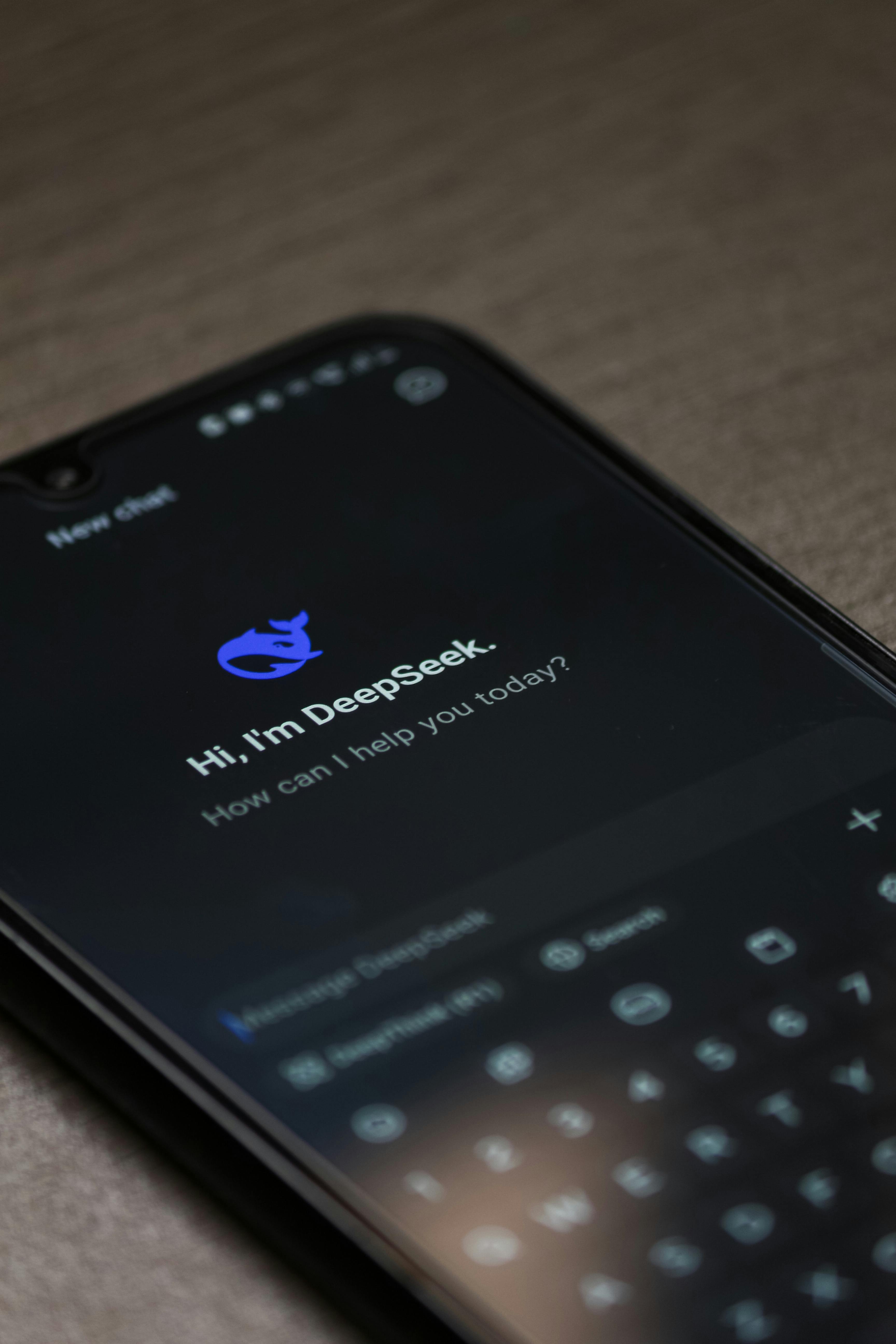
AI Companions: The Unseen Threat to Dating Apps' Core Demographic
In this article
Research Report
This report examines the AI companion market's explosive growth and its emergence as the most significant competitive threat to the dating industry since smartphone apps. With 90 million users worldwide and revenue projected to reach $9.5 billion by 2028, AI companions are siphoning demand from dating platforms by fulfilling emotional needs without the friction of human interaction. The analysis explores why the dating industry's dismissive response is inadequate and what strategic adaptations are necessary to compete in a landscape where artificial companionship has become a permanent fixture.
- AI companion market revenue reached $2.8 billion in 2024, projected to grow to $9.5 billion by 2028 at 24.7% annual growth
- Google searches for "AI girlfriend" surged 2,400% between 2022 and 2024
- 90 million people worldwide now use AI companion products, up from 30 million in 2023
- 60 million AI companion app downloads recorded in first half of 2025 alone, an 88% year-on-year increase
- 128 new AI companion apps launched in the first six months of 2025, one every 1.4 days
- Nearly one-third of young American men have used an AI companion product
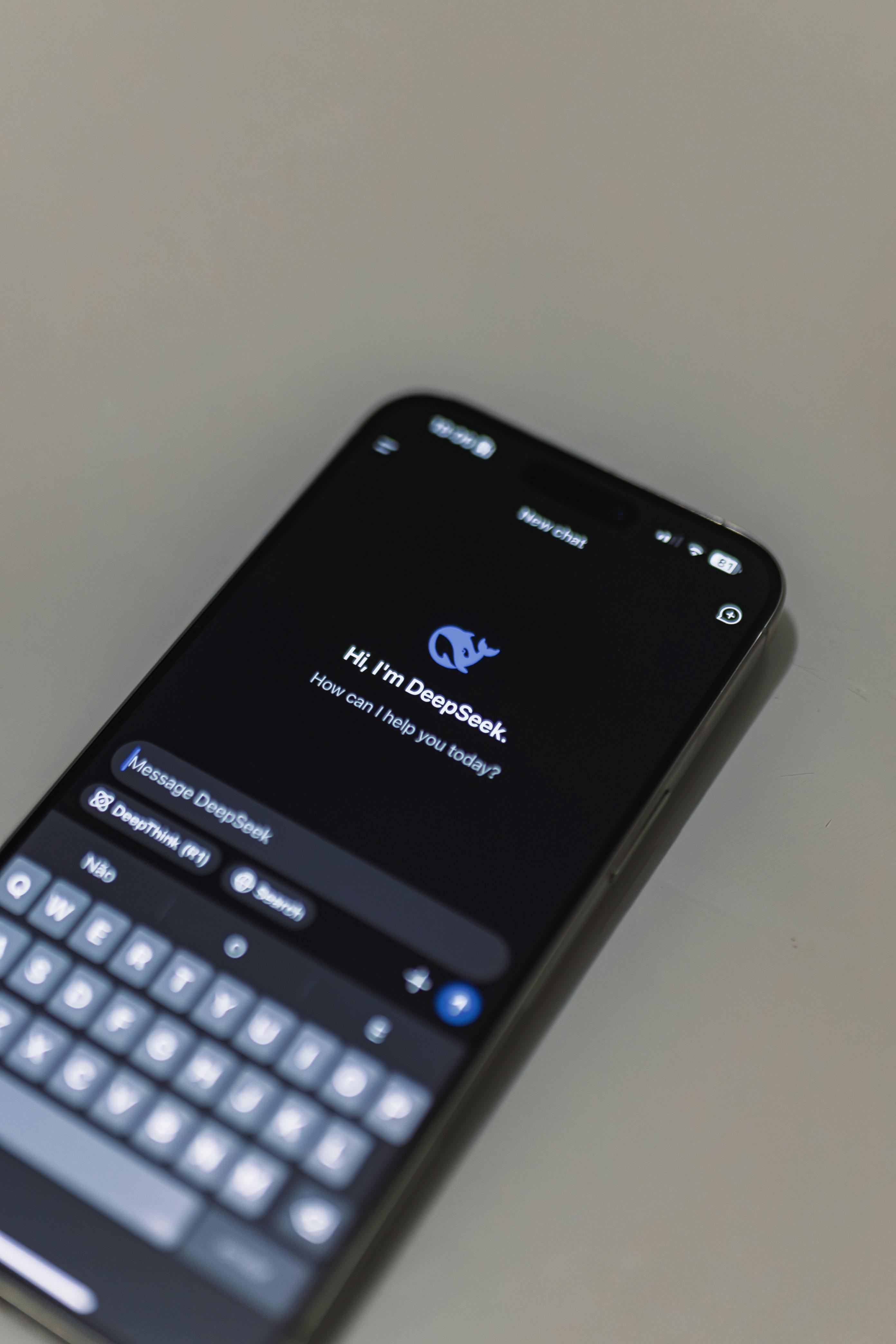
The DII Take
AI companions represent the most significant competitive threat the dating industry has faced since the smartphone made dating apps possible. Not because AI companions will replace human relationships for most people, but because they siphon demand from the top of the dating funnel: the lonely, the socially anxious, the rejection-averse, and the time-poor singles who might otherwise have turned to dating apps. A young man who finds emotional validation, conversational engagement, and a sense of connection from an AI companion has less motivation to endure the rejection, ghosting, and effort that dating apps require.
The dating industry's response has been inadequate: mostly dismissal, occasionally concern, but almost no strategic adaptation.
DII believes that the AI companion market is not a passing novelty but a permanent feature of the emotional landscape, and dating companies that do not account for it in their product strategy will lose market share to a competitor they refuse to acknowledge.
The Scale of the Threat
The AI companion market's growth metrics deserve careful analysis because they reveal the speed and scale of adoption. Revenue growth from an estimated $2.8 billion in 2024 to a projected $9.5 billion by 2028 implies a compound annual growth rate of approximately 35%, making AI companionship one of the fastest-growing segments in consumer technology. By comparison, the dating app market is growing at 2-7% CAGR depending on the research source.
User growth from approximately 30 million in 2023 to 90 million in 2025 represents tripling in two years. The 60 million downloads in the first half of 2025 alone suggest that the total user base may exceed 100 million by the end of 2026. Demographic concentration among young men is significant. Reports indicate that nearly one-third of young American men have used an AI companion product. This demographic overlaps precisely with the dating app user base that platforms most need to retain and monetise.
App proliferation, with 128 new AI companion apps launching in the first half of 2025, indicates a market still in its expansionary phase. The top 10% of apps capture 89% of revenue, suggesting consolidation ahead, but the volume of new entrants reflects entrepreneurial conviction that the market has further growth potential.
How AI Companions Compete with Dating Apps
AI companions compete with dating apps not by offering romantic partnership (they cannot) but by fulfilling adjacent emotional needs that reduce the urgency of finding a human partner. Emotional validation is the primary value AI companions provide. A user who feels heard, understood, and affirmed by an AI companion experiences a reduction in the emotional deficit that motivates dating app use. The companion does not replace a human partner, but it reduces the acute loneliness that drives users to tolerate the frustrations of app-based dating.
Availability without friction is a competitive advantage that human relationships cannot match. An AI companion is available 24 hours a day, requires no scheduling, produces no rejection, and creates no social anxiety. For users whose primary barrier to dating is the emotional effort required, AI companions offer a path of least resistance. Personalisation without compromise makes AI companions attractive to users frustrated by the compromise inherent in human relationships. An AI companion adapts to the user's preferences, communication style, and emotional needs without requiring reciprocal adaptation.
Cost predictability relative to dating provides a tangible economic advantage. A premium AI companion subscription costs £10-30 per month, comparable to a dating app subscription but without the additional costs of dates, travel, gifts, and the emotional expenditure of rejection. For economically constrained users, AI companions offer more predictable value per pound spent than dating apps.
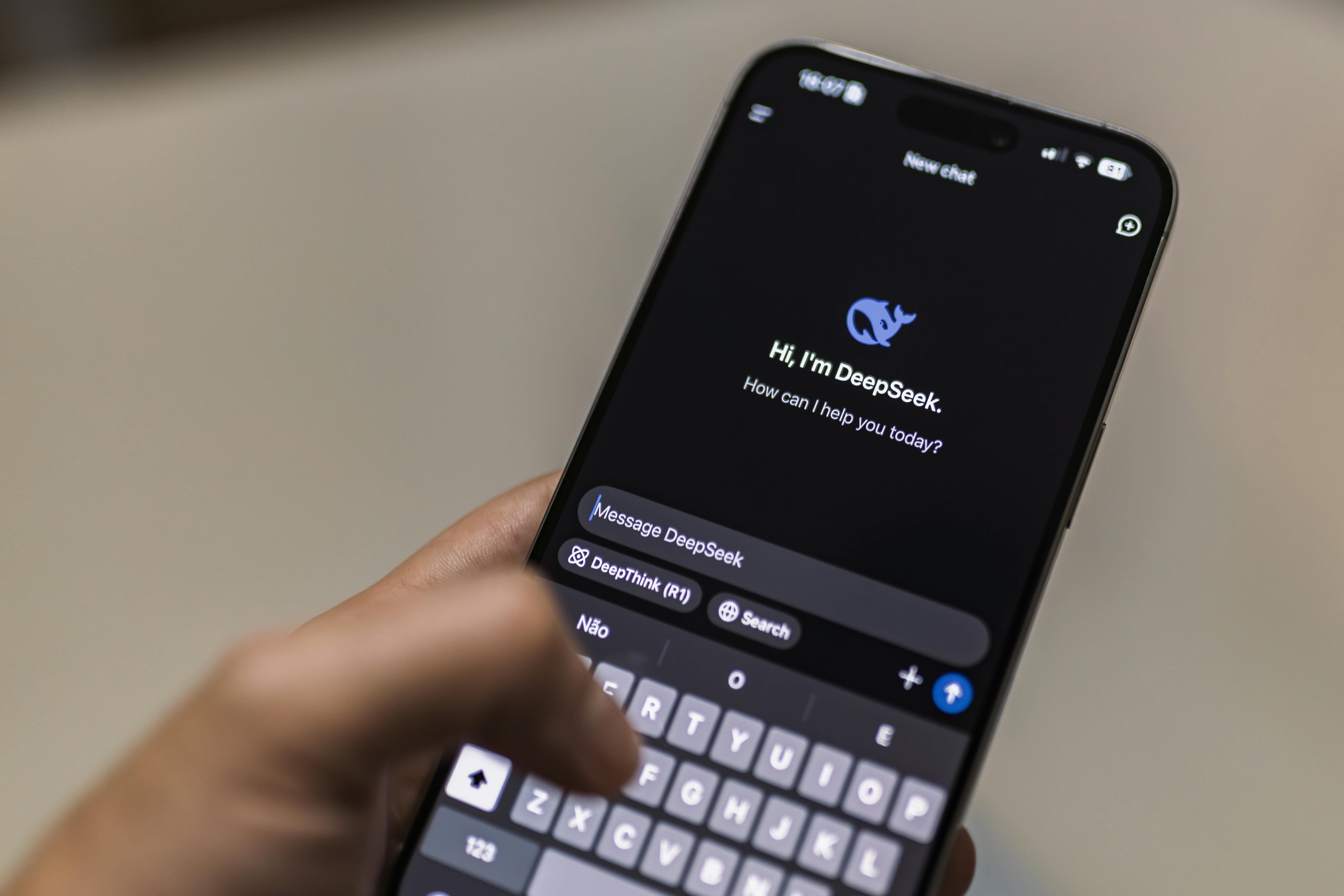
The Canary Interpretation
Some industry observers interpret AI companion growth not as competition but as a canary in the coal mine: a signal that the dating market has failed to serve a significant population of singles, driving them toward artificial alternatives. This interpretation has merit. If 90 million people find AI companions preferable to dating apps, the dating industry has a product problem, not merely a competitor problem. The AI companion market's growth indicts the dating app model's failure to deliver satisfying experiences for a substantial user segment: predominantly young men who face high rejection rates, limited matches, and frustrating user experiences on traditional platforms.
If 90 million people find AI companions preferable to dating apps, the dating industry has a product problem, not merely a competitor problem.
Under this interpretation, the dating industry's response should not be to compete directly with AI companions (which they cannot beat on availability, personalisation, or rejection avoidance) but to improve the human dating experience enough that the tradeoffs of real relationships are worthwhile. This means reducing rejection friction (through better matching), increasing meeting rates (through calendar integration and event facilitation), and building the social skills and confidence that AI companions neither require nor develop.
The Complement Interpretation
An alternative interpretation is that AI companions and dating apps serve different needs and can coexist as complements rather than competitors. AI companions serve the need for low-stakes emotional connection: companionship, conversation, and validation without the vulnerability of human relationship. Dating apps serve the need for high-stakes human connection: physical intimacy, shared life experiences, family formation, and the deep partnership that AI cannot provide. Under this interpretation, AI companions are more analogous to entertainment (podcasts, social media, gaming) than to dating: they occupy time and attention that might otherwise be spent dating, but they do not fulfill the same fundamental need.
The evidence suggests that the truth lies between the competition and complement interpretations. For some users (those who were marginal dating app users to begin with), AI companions are direct substitutes that permanently reduce dating app engagement. For others (those with strong relationship intent), AI companions are diversions that do not affect long-term dating behaviour. The dating industry's challenge is that the first group is growing faster than the second.
What Dating Platforms Should Do
DII recommends that dating platforms respond to the AI companion threat through three strategic priorities.
- Improve the dating experience, not just the matching algorithm. The fundamental reason users leave dating apps is not that the algorithm showed them the wrong profiles but that the overall experience, including ghosting, low-effort messages, no-show dates, and superficial interactions, fails to deliver the connection they seek. AI companions succeed because they provide a reliable, positive emotional experience. Dating platforms must provide the same, which means facilitating higher-quality interactions rather than more interactions.
- Incorporate AI companionship features within the dating platform. Rather than ceding the companionship market to standalone apps, dating platforms could offer AI-powered features that provide emotional support, dating advice, and social skill development within the dating context. An AI coach that helps users improve their profiles, practice conversation, and process rejection constructively addresses the same needs as AI companions while keeping users within the dating ecosystem.
- Acknowledge the competition openly. The dating industry's tendency to dismiss AI companions as a niche or novelty misreads the market data. Acknowledging that 90 million users find AI companions valuable and understanding why they make that choice is a prerequisite for responding effectively.
The Birth Rate Dimension
The AI companion trend intersects with broader demographic concerns about declining birth rates across developed economies. The U.S. birth rate hit an all-time low in 2025. Japan, South Korea, and several European countries face demographic crises driven by declining marriage and partnership rates. If AI companions further reduce the formation of human romantic relationships, the demographic implications extend beyond the dating industry to societal levels that governments and policymakers are already concerned about.
This dimension adds urgency to the dating industry's response. If dating platforms can improve the human dating experience sufficiently to compete with AI companions for user attention and emotional investment, they serve not only their commercial interests but a broader social function in facilitating human partnership formation. If they cannot, the AI companion market will continue to grow, with implications that extend far beyond the dating industry's revenue.
This analysis draws on published AI companion market data (revenue, downloads, growth rates), user demographic data from published surveys and reports, dating industry financial data from Match Group and Bumble public filings, and DII's assessment of the competitive dynamics between AI companions and dating apps. The growth projections for the AI companion market reference multiple published market research estimates; specific figures should be treated as directional given the market's early stage and rapid evolution.
The Product Landscape
The AI companion market is not monolithic. Different products serve different user needs, and understanding the product landscape reveals which segments most directly compete with dating apps.
- Romantic AI companions (Replika's romantic mode, Candy AI, Infatuated AI) explicitly offer a simulated romantic relationship experience. Users create or select an AI partner, engage in romantic conversation, receive affirmation and emotional intimacy, and in some cases interact with AI-generated images of their virtual partner. This category most directly competes with dating apps because it offers a substitute for the emotional dimensions of romantic relationship, absent the physical dimension.
- Conversational AI companions (Character.ai, ChatGPT in companion mode) offer open-ended conversational engagement without necessarily romantic framing. Users engage in intellectual discussion, emotional processing, advice-seeking, and creative play. This category competes with dating apps more indirectly, by occupying the social and emotional bandwidth that might otherwise be directed toward dating.
- AI dating coaches (Rizz, YourMove) occupy a hybrid position: they use AI to help users improve their dating performance rather than to replace human dating. These products are complementary to dating apps rather than competitive, helping users write better messages, optimise their profiles, and develop social skills. DII covers this category separately in the AI dating coach market map.
- Social AI platforms (emerging category) blend AI companionship with human social features, creating environments where users interact with both AI characters and real people. These platforms represent the most sophisticated convergence of companion and dating functionality and may define the market's future direction.

Big Tech's Entrance
The AI companion market has attracted attention from the technology industry's largest companies, signalling that the market is considered substantial enough to warrant investment from firms with the resources to dominate. Google hired Character.ai's founder, Noam Shazeer, in a deal that effectively acqui-hired the most prominent AI companion engineering team. This move gives Google the talent to develop companion products that could integrate with its existing consumer platforms.
Elon Musk's xAI launched AI companion features through its Grok product in July 2025, including anime-style characters that users can interact with conversationally. The integration of companion features into a general-purpose AI platform suggests that AI companionship will become a feature of mainstream technology rather than a standalone product category. OpenAI's experience with GPT-5 illustrated the emotional intensity of AI companion relationships. When the model was updated and users perceived a change in their AI companion's personality, the public reaction was so intense that Sam Altman reportedly restored the previous model's characteristics. This episode demonstrated that AI companion relationships carry emotional weight that technology companies had not fully anticipated.
Meta's AI characters on Instagram and WhatsApp represent the social media giant's entry into AI companionship within its existing platforms, creating conversational AI experiences for billions of existing users who never sought out standalone companion apps. The entrance of Big Tech companies into AI companionship accelerates the market's growth and legitimacy while creating competitive pressure on standalone companion apps and, indirectly, on dating platforms. A future where AI companion features are embedded in every major social platform creates a world where AI-mediated emotional connection is ubiquitous and the perceived need for dating app subscriptions is further reduced.
The Gender Dimension
The AI companion market's demographic skew toward young men creates a gender-specific competitive dynamic with dating apps. Men constitute the majority of AI companion users, particularly for romantic AI companions. The estimated one-third of young American men who have used AI companion products represent the same demographic that dating apps most struggle to retain: men who face high rejection rates, limited match volume, and frustrating user experiences on swipe-based platforms.
The implications for dating apps are asymmetric by gender. If AI companions permanently reduce male participation in dating apps, the gender ratio on apps shifts further toward male underrepresentation, which could either improve the experience for remaining male users (less competition) or degrade the experience for female users (smaller pool of potential matches). The dating app ecosystem depends on balanced participation from both genders; AI companions threaten this balance by disproportionately attracting one gender away from the platform.
For women, AI companions currently represent a much smaller competitive threat, though this may change as AI companion products designed for female users improve. The female-oriented AI companion market is less developed than the male-oriented market but is growing as products like Replika and Character.ai expand their appeal beyond the early male-dominated user base.
The Long-Term Question
The long-term question is not whether AI companions will replace human relationships (they will not, for most people) but whether they will permanently reduce the proportion of the population that actively pursues human romantic relationships through dating platforms. If AI companions serve as a "good enough" substitute for emotional connection for even 10-15% of the potential dating market, the revenue implications for dating platforms are substantial: a permanent reduction in the addressable market that no amount of AI-powered matching improvement can recover.
The dating industry's existential challenge is to make human dating better than AI companionship, not in every dimension but in the dimensions that matter most: physical presence, genuine emotional reciprocity, shared life experience, and the profound satisfaction of being chosen by another autonomous human being who had the option not to choose you.
These are the qualities that AI cannot provide and that the dating industry must learn to facilitate more effectively. The AI companion market is the dating industry's most urgent strategic challenge. It is growing 5-10 times faster than dating apps, it is attracting the demographic that dating apps most need, and it is providing emotional value that dating apps have failed to deliver. The companies that take this competition seriously, adapting their products, their positioning, and their understanding of what users actually need, will survive. Those that dismiss AI companions as a niche novelty will be surprised by how much of their market disappears into the warm, available, rejection-free embrace of an algorithm.
What This Means
The dating industry faces an existential choice: adapt to a world where AI-mediated emotional connection is permanent and widespread, or watch as 10-15% of the addressable market permanently migrates to lower-friction alternatives. Dating platforms must shift from optimising matching algorithms to optimising the entire dating experience, incorporating AI features that support rather than replace human connection, and acknowledging that their competition now includes products that fulfil emotional needs without facilitating human relationships. Companies that continue to dismiss AI companions as novelties will find themselves competing for a shrinking pool of users willing to tolerate the friction of human dating.
What To Watch
Monitor whether major dating platforms begin integrating AI companion features (coaching, emotional support, conversation practice) within their ecosystems rather than ceding the companion market entirely. Track gender ratio shifts on dating platforms as male users increasingly adopt AI companions, which could trigger a cascading effect on platform viability. Observe whether Big Tech's entrance into AI companionship through mainstream platforms (Google, Meta, xAI) normalises AI relationships to the point where they become a standard feature of digital life rather than a niche product category, fundamentally altering what percentage of the population actively seeks human romantic partnership.
Create a free account
Unlock unlimited access and get the weekly briefing delivered to your inbox.