

Tinder's Voter Drive: A Civic Win or Institutional Indictment?
Key Points
- •Tinder has launched an in-app Take Action Center with Vote.org, allowing its 18 million United States members to register to vote directly.
- •Match Group reported approximately 11 million United States monthly active users across its portfolio in the second quarter of 2024.
- •Users under the age of 36 spend an average of 90 minutes daily on dating applications, according to App Annie metrics.
- •Bumble reported 3.2 million North American paying users in its recent earnings, while major dating platforms collectively reach up to 30 million Americans.
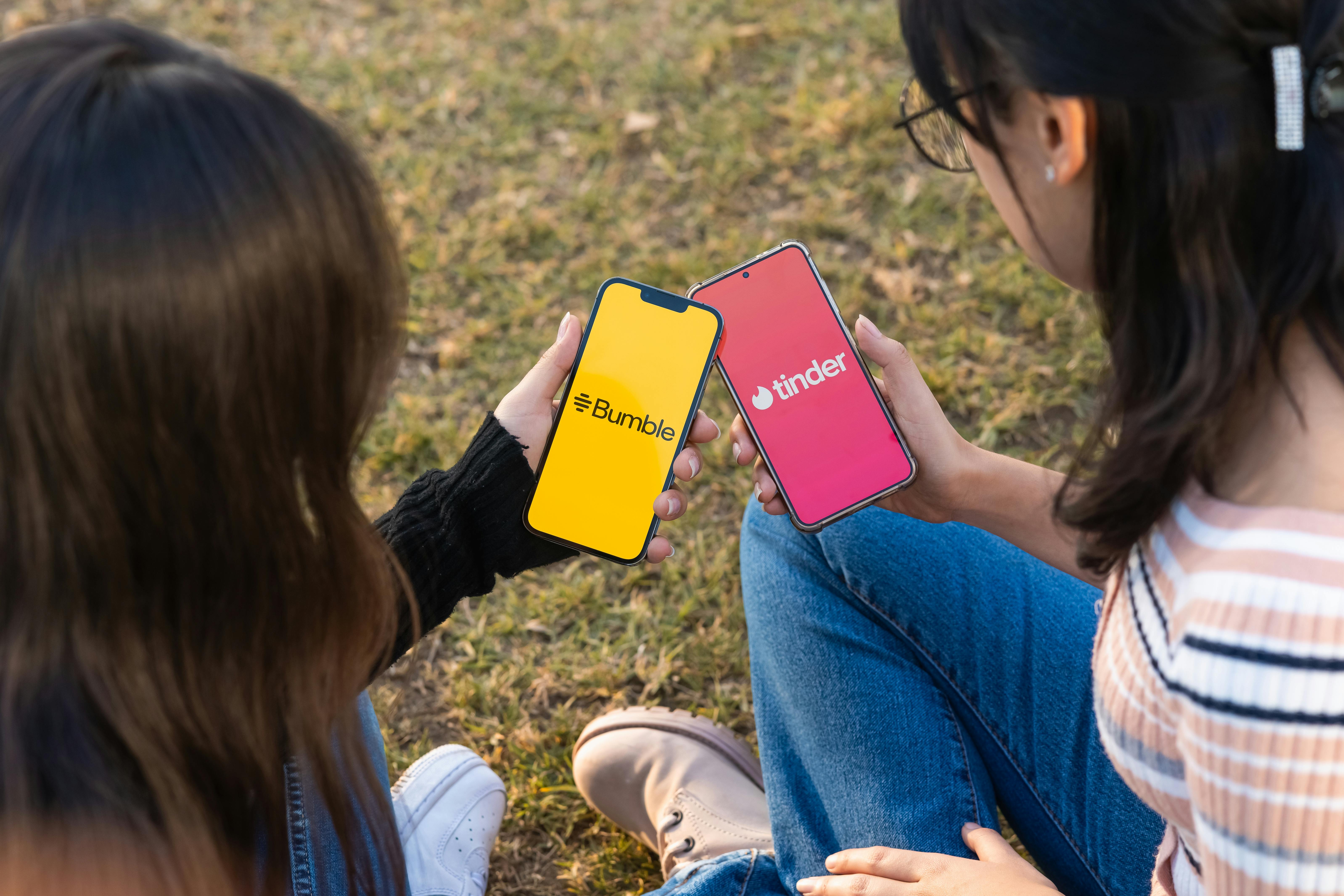
Tinder's 18 million US members can now register to vote, find their polling location, and access ballot information without leaving the app. The feature, launched in partnership with Vote.org, arrives six weeks before an election where dating apps have quietly become more politically active than most civic organisations targeting under-36s. What's striking isn't the feature itself—it's that a dating app is better positioned to reach young voters than most official democratic infrastructure.

From dating filter to democratic infrastructure
Political compatibility became dating product in 2018. Tinder, Bumble, and Hinge all added political preference badges within months of each other, responding to member demand that intensified post-2016. What began as a swipe filter has evolved into something more expansive.
OkCupid went furthest early, adding an 'I Voted' badge in 2016 and introducing political dealbreakers that same cycle. Bumble launched an in-app voter registration drive in 2020 that the company claims resulted in 130,000 registrations, though independent verification of that figure is difficult. Match Group (MTCH) has run voter registration campaigns across its portfolio brands for three cycles now.
Create a free account
Unlock unlimited access and get the weekly briefing delivered to your inbox.
The shift reflects a broader collapse in the boundary between consumer platforms and civic infrastructure. When trust in traditional institutions drops—Pew Research found that only 22% of Americans trust the federal government to do what's right—brands step into the vacuum. Dating apps register voters because they can reach precisely the demographic least likely to vote through traditional channels.
Dating apps have become accidental civic platforms because they solved distribution where governments failed. Eighteen million daily active users represent a larger, more engaged audience than any voter outreach programme could build from scratch.
The under-36 cohort faces higher mobility, less stable housing, and lower awareness of registration deadlines. They also spend an average of 90 minutes daily on dating apps, according to data from App Annie. That's daily active engagement with exactly the voters traditional outreach struggles to reach.
The data question nobody's asking
Here's what Tinder hasn't disclosed: what happens to the voter intent data members generate when they interact with the Take Action Center. Vote.org, the nonprofit partner, operates under standard voter registration protocols. But the behavioural data—who clicked through, who started but didn't finish registration, who checked their polling location multiple times—lives within Tinder's broader data infrastructure.
Dating apps have repeatedly demonstrated they struggle with data stewardship. Grindr (GRND) faced a $11.7M GDPR fine in 2021 for sharing members' HIV status and location data with advertising partners. OkCupid was caught selling intimate preference data to third parties through 2020. Match Group settled FTC charges in 2019 for using fake profiles to convert free users to subscribers on Match.com.
The voter data collected through these features isn't explicitly protected under existing dating app privacy policies. Most platforms' terms of service grant broad licence to use engagement data for 'product improvement' and 'personalised experiences'. Whether that extends to political preference data used for micro-targeting—by the platforms themselves or by third-party advertisers—remains legally ambiguous.
Regulators haven't caught up. The UK Online Safety Act (OSA) doesn't address civic feature data. Neither does the EU Digital Services Act (DSA). California's CCPA provides some member controls over personal data, but doesn't restrict how platforms use aggregate behavioural information.
Why this works better than it should
Tinder's voter registration feature will likely drive more registrations than most official programmes targeting the same demographic. Not because the product is sophisticated—it's not. Because dating apps have solved the distribution problem that civic organisations can't.
Traditional voter outreach relies on door-knocking, direct mail, or digital advertising that competes for attention against every other campaign. Dating apps own the interface where their members already spend concentrated time. The friction to engagement is minimal.
When a hookup app can register more voters than most state-level campaigns, the problem isn't that Tinder is overreaching. It's that the baseline is so low.
That's a valuable lesson for any operator thinking about feature expansion beyond core dating functionality. Adjacency works when it aligns with existing user intent and requires minimal context switching. Voter registration fits that criteria. So does event discovery, which is why Tinder's Eras Tour partnership—connecting members attending the same Taylor Swift concert dates—likely drove more engagement than most promotional features.

What's actually happening here
Dating apps are filling infrastructure gaps because they can, and because doing so serves brand positioning with their core demographic. Tinder's Take Action Center will generate positive press, signal values alignment with politically engaged members, and cost almost nothing to maintain post-launch. It's good business dressed up as civic duty.
That doesn't make it cynical—corporate incentives and social benefit can align. But it does clarify what's happening. Dating apps aren't becoming civic platforms because executives woke up passionate about voter turnout. They're becoming civic platforms because their distribution and engagement advantages let them operate civic features more effectively than the infrastructure designed for that purpose.
The real story is what that reveals about institutional failure. If voter registration and ballot access were functioning systems, nobody would need Tinder to step in. Match Group reports US monthly active users across its portfolio at approximately 11 million as of Q2 2024. Bumble (BMBL) disclosed 3.2 million North American paying users in its last earnings.
Combined, the major dating platforms likely reach 25–30 million Americans who skew young, urban, and politically engaged. That's a significant civic infrastructure layer that exists entirely outside democratic institutions. Whether that's a capability dating operators should be building remains the open question.
The data liability is real. The regulatory scrutiny will intensify. And the moment civic features become expected rather than optional, platforms take on responsibilities that extend far beyond their core competency. Swiping right is one thing. Becoming embedded in electoral infrastructure is another entirely. Similar initiatives have emerged in the UK, where Tinder partnered with NGO 'My Life My Say' to encourage young voter participation, suggesting this trend extends beyond US borders.
Key Takeaways
- •Dating app operators can expand user engagement by introducing adjacent features that fit existing user habits without requiring substantial context switching.
- •Compliance teams face emerging regulatory liabilities surrounding user behavioural data collected during civic participation, as current privacy frameworks do not explicitly protect aggregate engagement data.
Frequently Asked Questions
Policy & Regulation Desk
The DII Regulatory Monitor tracks legislation, enforcement action, safety rules and compliance across dating industry markets.
Comments
Join the discussion
Industry professionals share insights, challenge assumptions, and connect with peers. Sign in to add your voice.
Your comment is reviewed before publishing. No spam, no self-promotion.


