TikTok's U.S. Uncertainty: A Valentine's Day Dilemma for Dating Apps
Key Points
- •Dating app operators commit 35% to 40% of Q1 acquisition budgets to the six-week Valentine's Day window, with campaigns locked by early December.
- •TikTok delivers cost-per-install rates 30% to 40% below Instagram Reels for comparable demographic targeting of users under 28 years old.
- •Chinese state media disputed TikTok divestiture reports on 25 December, leaving TikTok's U.S. operations uncertain ahead of the 22 January 2026 deadline.
- •President Donald Trump has issued four executive orders delaying TikTok enforcement, complicating long-term marketing spend for dating brands like Match Group and Bumble.
China's latest hedging on TikTok's reported Oracle-backed divestiture has arrived at precisely the wrong moment for dating operators. With Valentine's Day campaigns already in motion and Q1 acquisition budgets locked, the renewed ambiguity around TikTok's U.S. future puts material marketing spend at risk for an industry that's made the platform foundational to Gen Z growth strategy. Chinese state media contradicted mid-December reports on 25 December, calling the arrangement merely a "basic framework consensus" rather than a settled deal.

The Chinese government spokesperson called for Washington to provide "a fair, open, transparent, and non-discriminatory business environment" for Chinese firms—standard diplomatic language that signals active negotiation rather than settled terms. ByteDance has issued no public confirmation of any finalised arrangement. The reported transaction structure would transfer U.S. operations to local control by 22 January 2026, one day before the current enforcement pause expires under the Protecting Americans from Foreign Adversary Controlled Applications Act.
President Trump has issued four executive orders delaying the ban since returning to office, creating a pattern of temporary reprieves that complicates long-term planning for brands dependent on TikTok's reach. The timing is particularly damaging: peak dating season spending is already committed, creator partnerships are contracted, and alternative channels don't replicate TikTok's efficiency at scale for under-30 audiences.
Create a free account
Unlock unlimited access and get the weekly briefing delivered to your inbox.
This isn't just regulatory theatre anymore—it's a material planning problem for dating operators who've built acquisition engines around TikTok's algorithm.
The timing is particularly damaging: peak dating season spending is already committed, creator partnerships are contracted, and alternative channels don't replicate TikTok's efficiency at scale for under-30 audiences. Operators who diversified early look prescient. Those who doubled down are now hedging in real time.
Why TikTok became non-negotiable for dating brands
Dating apps transformed their acquisition approach around TikTok over the past three years, particularly for reaching Gen Z subscribers who now represent the fastest-growing cohort across mainstream platforms. Match Group disclosed in Q3 earnings that Hinge's marketing mix has shifted substantially toward short-form video, with TikTok driving measurable improvements in cost per install for users under 28. Bumble similarly highlighted TikTok creator partnerships as central to its brand repositioning efforts under new leadership.
The platform's effectiveness stems from its recommendation algorithm's ability to surface dating content to relevant audiences without explicit targeting—a meaningful advantage as privacy restrictions have degraded traditional paid social performance. Dating operators have reported TikTok delivering CPIs 30-40% below Instagram Reels for comparable demographic targeting, according to figures shared at industry conferences over the past 18 months.
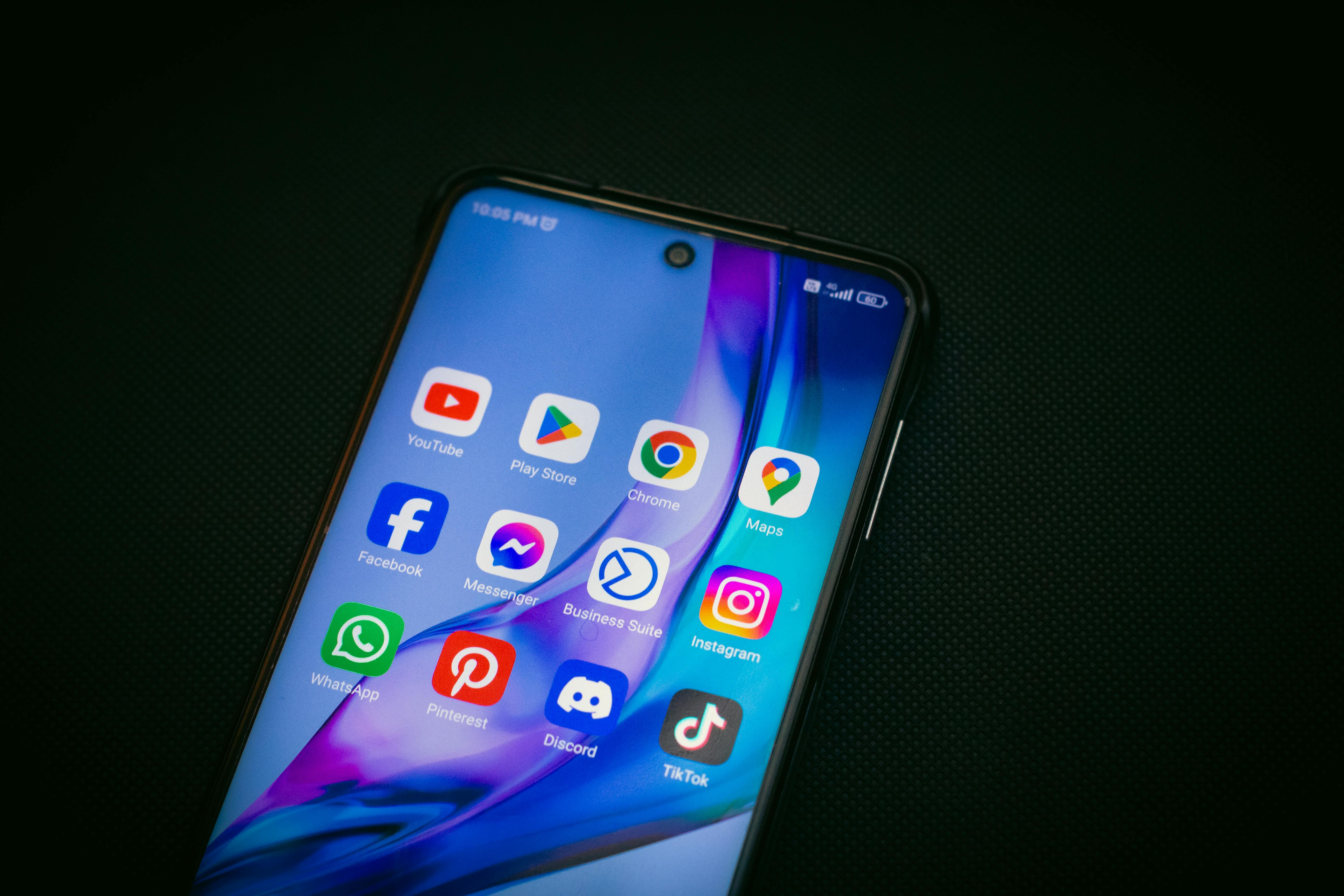
Newer entrants have made the bet even more explicitly. Treat, the New York-based dating app that launched in September 2024, built its entire go-to-market strategy around organic TikTok growth, with the company's founders acknowledging the platform as their primary discovery channel. Snack, which positions itself as "TikTok meets dating", has structured its product experience around short video—making its business model inseparable from TikTok's continued operation and cultural dominance.
Valentine's season spend now in limbo
The current uncertainty arrives during the industry's most concentrated marketing period. Dating operators typically commit 35-40% of Q1 budgets to the six-week window preceding Valentine's Day, when download intent peaks and conversion rates improve materially. Campaigns are typically locked by early December, with creative assets finalised and creator partnerships contracted.
That timeline means dating brands are now managing committed TikTok spend against genuine platform risk. The 22 January 2026 implementation date provides theoretical breathing room, but China's export control laws—which govern the transfer of recommendation algorithms to foreign entities—have consistently stalled previous divestiture negotiations. The ambiguous language in Chinese state media suggests Beijing retains meaningful leverage and hasn't committed to approving the transaction structure that U.S. officials apparently consider settled.
Operators face an uncomfortable decision matrix: pull back on TikTok spend and sacrifice proven performance during peak season, or maintain investment in a platform that could face enforcement action within the year.
The four executive orders Trump has issued since returning to office establish a pattern of short-term delays rather than permanent resolution, making long-term planning nearly impossible for marketing teams managing annual budgets.
What operators are actually doing
Conversations with growth marketing leaders at three dating companies suggest most are maintaining current TikTok spend through Valentine's season whilst accelerating contingency planning for alternative channels. YouTube Shorts and Instagram Reels represent the most direct substitutes, though neither replicates TikTok's algorithm efficiency for discovery-based growth. Operators report Reels CPIs running 25-35% higher than TikTok for comparable Gen Z targeting, whilst YouTube Shorts remains less proven for dating-specific creative.

Some operators are shifting creator partnership structures to include cross-posting requirements, ensuring content appears on multiple platforms simultaneously. This hedges platform risk but dilutes the native TikTok approach that historically drove performance—creators optimising for multi-platform distribution tend to produce less platform-specific content, weakening algorithmic distribution.
The more sophisticated response involves accelerating owned-media buildout. Several dating brands are directing budgets toward building proprietary creator networks and owned distribution channels that reduce dependence on any single platform. This represents sound long-term strategy but does nothing to solve the immediate Valentine's season dilemma facing operators with committed Q1 spend.
The January 2026 date provides a planning horizon, assuming the current executive order holds and no further enforcement delays materialise. But China's unwillingness to publicly confirm the deal suggests the regulatory risk remains live, not theoretical. Dating operators built growth models around TikTok's permanence. They're now stress-testing what happens if that assumption proves wrong.
Key Takeaways
- •Dating app growth teams must accelerate channel diversification, despite alternative platforms like Instagram Reels generating 25% to 35% higher cost-per-install rates.
- •Investors and compliance teams should monitor Q1 2025 earnings commentaries to assess how dating operators manage regulatory enforcement risk through owned creator networks.
Frequently Asked Questions
Policy & Regulation Desk
The DII Regulatory Monitor tracks legislation, enforcement action, safety rules and compliance across dating industry markets.
Comments
Join the discussion
Industry professionals share insights, challenge assumptions, and connect with peers. Sign in to add your voice.
Your comment is reviewed before publishing. No spam, no self-promotion.