

India's Festival Filter: Dating Apps Reinforce Cultural Gatekeeping
Key Points
- •A QuackQuack survey of 11,000 users revealed that 40 per cent of Indian dating app users evaluate potential matches based on their festival participation.
- •Cultural festival participation has displaced religious doctrine as the primary compatibility screening mechanism for singles on Indian dating platforms.
- •India's dating app market is projected to surpass $200 million by 2027, driven by expanding adoption across urban centres.
- •Peak engagement on Indian dating apps coincides with the autumn festival period from September to November, encompassing Navratri, Dussehra, and Diwali.
Cultural festivals have become India's new compatibility litmus test for dating app users, displacing religious doctrine as the primary screening mechanism for potential partners. What matters isn't whether someone believes, but whether they show up. That distinction is critical for understanding how India's Generation Z and millennial singles are negotiating the tension between Western-influenced lifestyles and cultural rootedness — and it's creating a new form of social sorting within the country's rapidly expanding dating app market.
This is performance culture as product strategy. Dating platforms operating in India are capturing a generational compromise: young singles who want modern relationships but need cultural cover for their choices. The festival-as-filter dynamic gives operators a ready-made engagement hook around India's dense calendar of celebrations, but it also risks entrenching the same caste and community boundaries that digital dating was supposed to disrupt.
If 40% of users are actively filtering for cultural participation, platforms aren't liberating Indian matchmaking — they're digitising its gatekeeping.
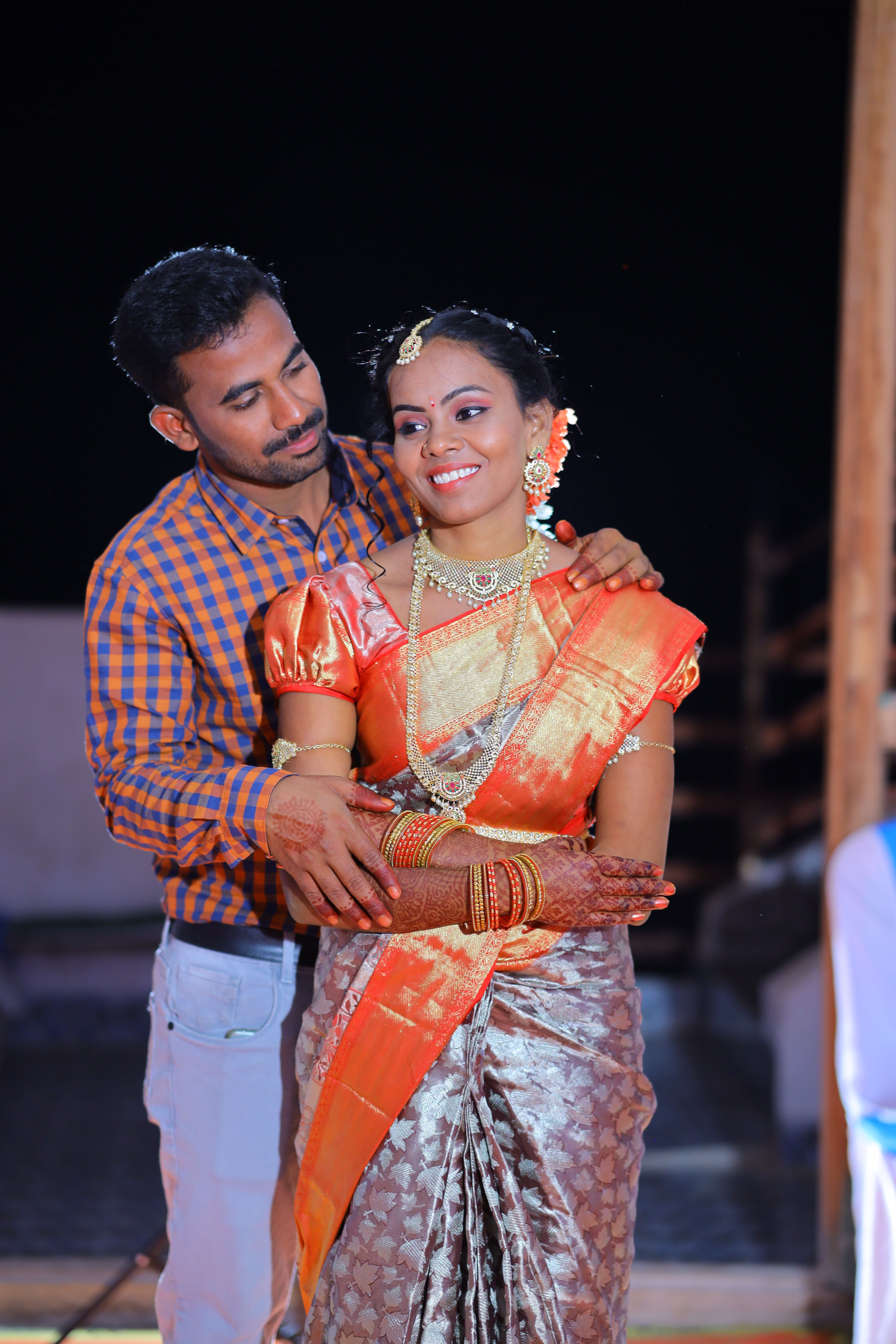
Festivals as behavioral data points
QuackQuack's figures indicate that cultural alignment has overtaken religious observance as a dealbreaker for users seeking long-term partners. The survey methodology — including city distribution, demographic composition beyond age, and how "assessment" was measured — wasn't disclosed, and the company has a commercial interest in promoting festival-season engagement spikes. But the directional finding aligns with broader patterns in urban India, where younger cohorts attend Garba nights and Holi parties without necessarily observing the religious rituals that underpin them.
Create a free account
Unlock unlimited access and get the weekly briefing delivered to your inbox.
This creates a specific tension for dating platforms. Festival participation becomes a proxy for cultural respect, family acceptability, and shared values — all coded signals that someone will navigate the inevitable friction between modern dating norms and traditional family expectations. Someone who skips Diwali celebrations isn't just opting out of a holiday. They're signaling an unwillingness to perform the cultural identity that makes a relationship viable within extended family structures.
For operators, this translates into content and feature opportunities. Platforms can surface festival participation in profiles, build prompts around celebration plans, and create event-based matching during peak seasons. QuackQuack's survey appears timed to coincide with India's autumn festival period, which runs from September through November and includes Navratri, Dussehra, and Diwali — a window when engagement typically spikes and users are primed to assess potential partners through a cultural lens.
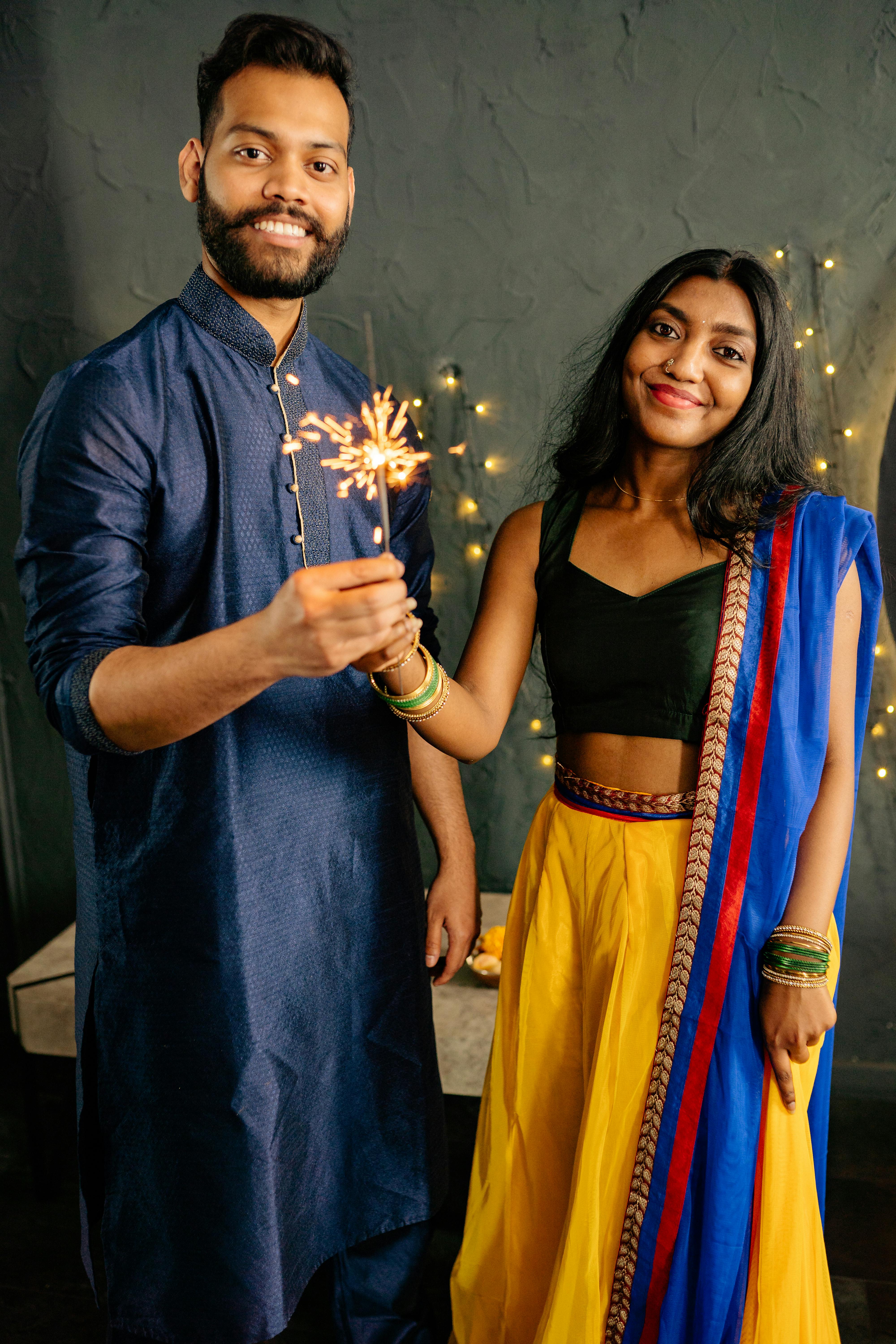
The market context: India's dating app expansion meets cultural gatekeeping
India's dating app market is projected to exceed $200M by 2027, according to industry forecasts, with rising parental acceptance of app-based matchmaking lowering barriers to adoption. That growth is concentrated in urban centres where Western relationship norms coexist uneasily with family-arranged marriages and caste-based partner selection. Dating apps position themselves as modern alternatives, but the festival filter suggests they're becoming spaces where cultural identity is performed and policed — not disrupted.
If 40% of users are self-selecting based on festival participation, the platforms are simply moving cultural gatekeeping from families to individuals. The mechanism changes; the sorting doesn't.
This has implications for how platforms approach identity disclosure. Many Indian dating apps already allow users to filter by religion, caste, and community — features that would be unthinkable on Western platforms like Tinder or Hinge. Adding festival participation as a profile element would formalise what's already happening informally, but it would also make explicit the cultural sorting that operators often downplay when discussing their role in modernising Indian relationships.
The dynamic also raises questions about market segmentation. Platforms targeting Tier 1 cities with highly Westernised user bases may find that festival filters matter less than they do in Tier 2 and Tier 3 cities, where cultural expectations remain stronger. QuackQuack operates across multiple city tiers, and its survey likely reflects this mixed demographic — but the lack of geographic breakdown in the data makes it difficult to assess whether festival filtering is a pan-India trend or concentrated in specific markets.

What operators should watch
The festival-as-filter trend gives dating platforms a clear engagement strategy for India's dense celebration calendar, but it also exposes the limits of their modernisation narrative. If cultural participation becomes a mandatory signal for relationship viability, platforms risk reinforcing the same community boundaries they claim to transcend.
For compliance teams, this raises product design questions. Should platforms build features that formalise cultural filtering, or resist them to avoid facilitating social sorting along traditional lines? For product leaders, the question is whether festival-based matching drives meaningful compatibility or simply creates another layer of performative identity that users must navigate.
The broader trend to monitor is whether cultural signaling becomes a product category across Asian dating markets. India's festival filter could be the model for how platforms in culturally complex markets balance modern relationship norms with traditional family expectations — or it could reveal that digital dating simply replicates offline hierarchies at scale. Understanding how festivals function as cultural filters in Indian dating will be essential for operators navigating this shift.
Key Takeaways
- •Dating app operators in India face product design choices between formalising cultural festival prompts to boost seasonal engagement and avoiding features that reinforce traditional community boundaries.
- •Compliance and product teams operating across Asian dating markets must assess whether festival-based matching features generate genuine compatibility or merely digitise traditional social sorting mechanisms.
Frequently Asked Questions
Data & Analytics Desk
The DII Data Team maintains the publication's trackers, market data and analytical reference hubs for the online dating industry.
Comments
Join the discussion
Industry professionals share insights, challenge assumptions, and connect with peers. Sign in to add your voice.
Your comment is reviewed before publishing. No spam, no self-promotion.


