Dating Apps' Business Model Faces Mental Health Reckoning
Key Points
- •Match Group reported an 8% year-over-year increase in average revenue per paying user in Q4 2023, partly driven by engagement-based upsells.
- •A study in Cyberpsychology, Behavior, and Social Networking linked heavy dating app usage among 95.6 million US adult users to increased depression and anxiety symptoms.
- •Bumble generated $275 million in revenue during Q3 2024, with paying user conversion rates tied directly to session duration and app open frequency.
- •European Union and United Kingdom regulators may apply social media duty of care standards to dating app platforms like Match Group and Bumble.
The business model driving dating apps may be fundamentally at odds with user mental health. A new study published in Cyberpsychology, Behavior, and Social Networking has found that heavy dating app usage correlates with increased depression and anxiety symptoms, raising questions about whether the platforms' engagement mechanics are optimised for revenue rather than relationship success. The correlation held even after controlling for baseline mental health conditions and demographic factors, with users checking notifications and swiping multiple times daily showing the most pronounced negative outcomes.
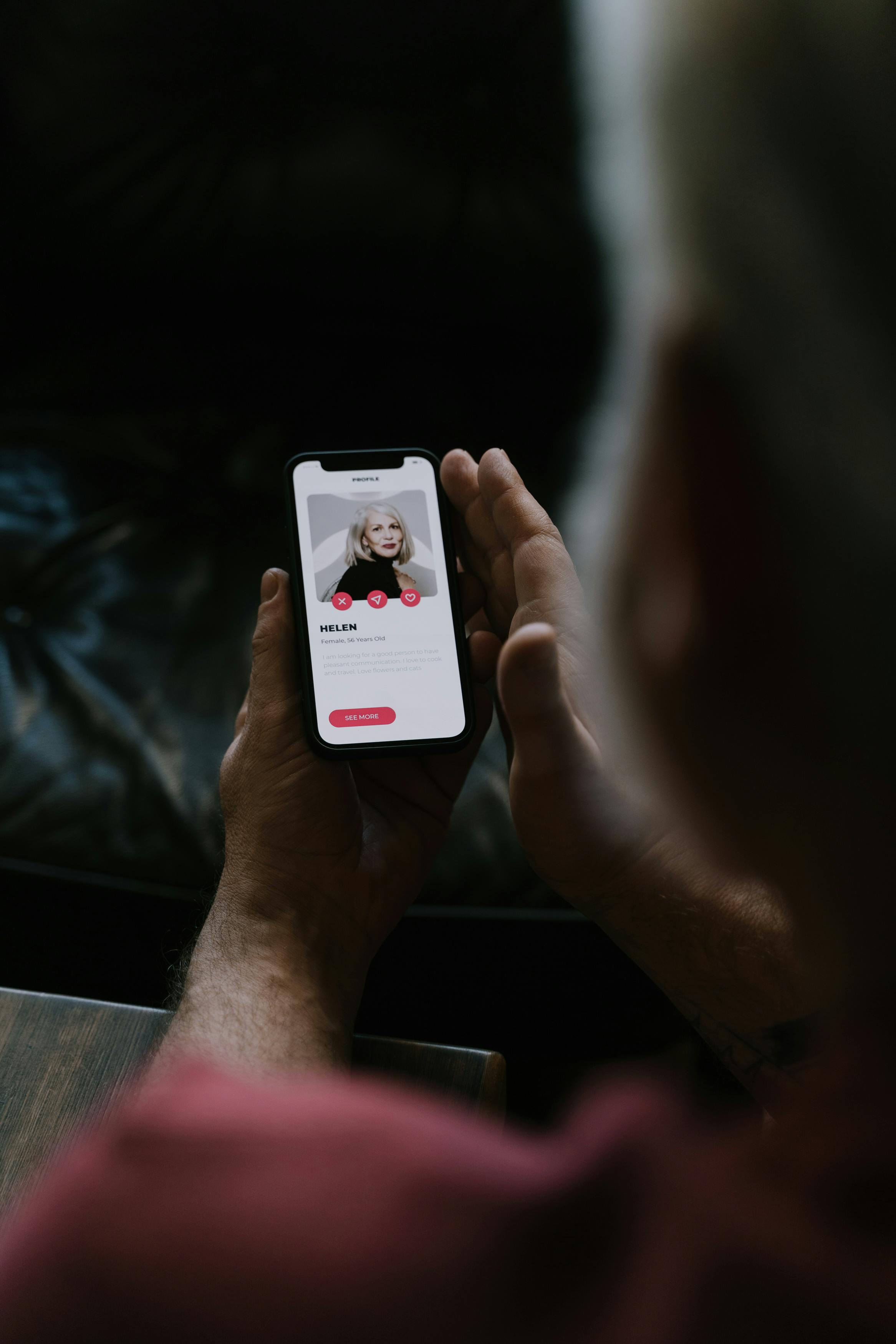
This isn't a user experience problem. It's a business model problem. Dating apps make money from subscriptions and engagement, not from successful matches that lead to deletions.
The industry has spent a decade perfecting mechanics that maximise time on platform—infinite scroll, gamified matching, variable reward schedules—whilst insisting these features serve user interests. The mental health data suggests otherwise. If regulators start viewing dating apps through the same lens they now apply to social media platforms, compliance costs could reshape operating margins across the sector.
Designed for retention, not resolution
The psychological architecture of modern dating apps borrows heavily from social media and gaming. Swipe mechanics create variable reward schedules—a technique borrowed from behavioural psychology that keeps users engaged through unpredictable positive outcomes. The endless queue of potential matches mimics infinite scroll, a design pattern that Meta and TikTok have deployed to maximise session time.
Create a free account
Unlock unlimited access and get the weekly briefing delivered to your inbox.
For operators, this makes commercial sense. Match Group disclosed in its Q4 2023 earnings that average revenue per paying user increased 8% year-over-year, driven partly by engagement-based upsells like Boosts and Super Likes. Bumble generated $275M in revenue during Q3 2024, with paying user conversion rates tied directly to frequency of app opens and session duration.
But this creates a structural tension. A user who finds a partner in their first week and deletes the app generates minimal lifetime value. A user who remains engaged for months, cycling through matches and purchasing premium features to gain perceived advantages, is worth substantially more.
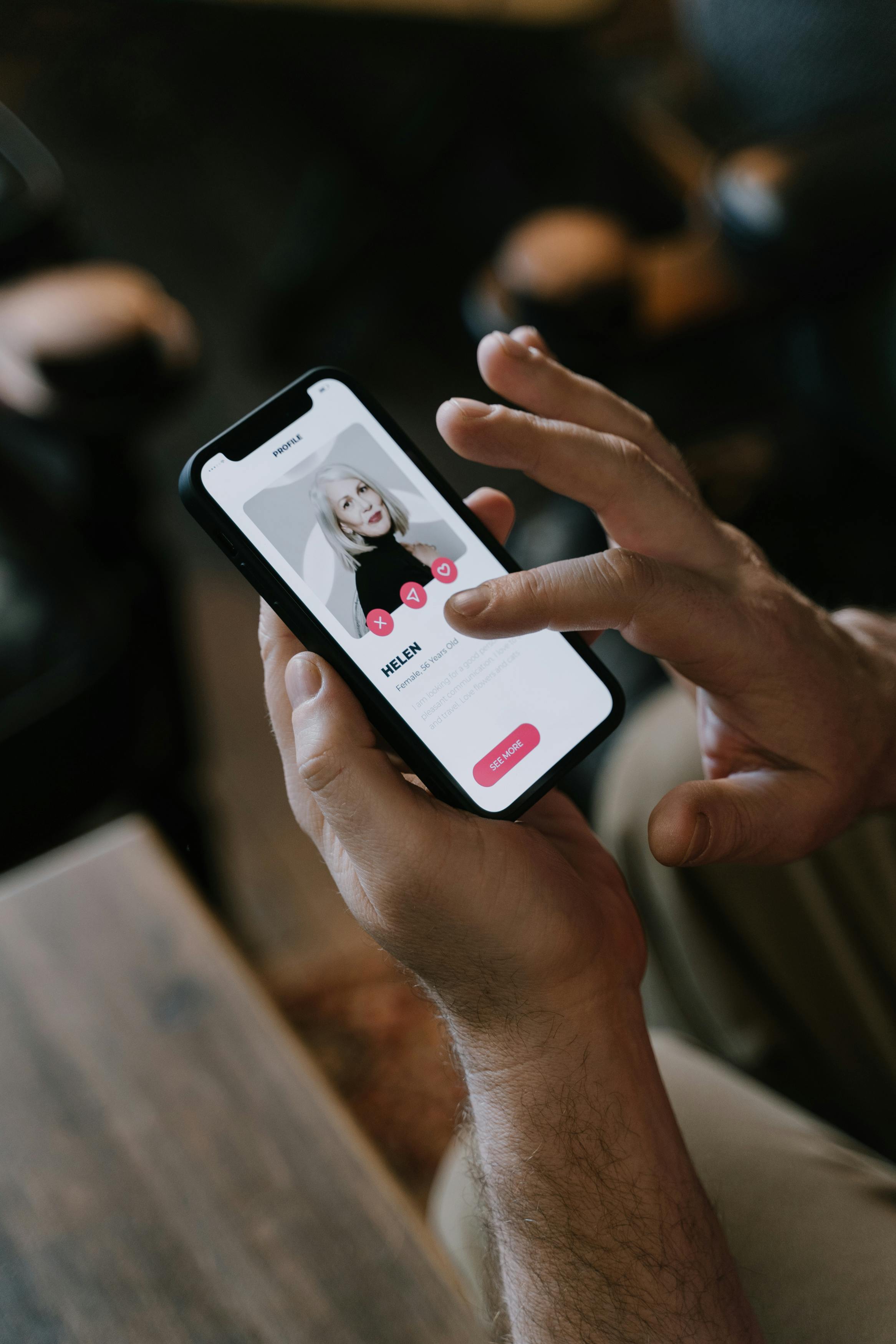
Dating app executives have long argued that their success depends on creating lasting relationships, generating positive word-of-mouth and eventual returners after breakups. The data tells a more complex story. According to figures from SSRS published in January 2025, 95.6 million US adults currently use dating apps—a figure representing roughly 37% of the adult population. If the platforms were efficiently matching people into relationships, that number should be declining or showing higher churn rates.
Who bears the psychological cost
The mental health impact appears unevenly distributed. According to the Cyberpsychology study, younger users—those aged 18-34—reported more significant mood deterioration associated with app usage than older cohorts. Women showed higher rates of anxiety correlated with frequent app checking, whilst men reported greater depression symptoms linked to low match rates and perceived rejection.
Divorced users present a particularly vulnerable demographic. The research found that individuals returning to dating apps after marriage dissolution reported steeper mental health declines than never-married users, possibly due to the psychological adjustment of navigating digital dating after years outside the market. One participant, Sharon O'Hara, a 54-year-old divorced user, described the experience as 'a cycle of hope and disappointment that started affecting my sleep and self-worth'.
Just as regulators in the UK and EU have scrutinised social media's impact on adolescent mental health, dating apps may face similar accountability frameworks.
This maps onto broader concerns about platform design and vulnerable populations. The Digital Services Act already requires very large online platforms to assess systemic risks, including mental health impacts. Dating apps operating in Europe at sufficient scale could find themselves subject to mandatory risk assessments and design interventions.
The regulatory horizon
Match Group and Bumble have so far avoided the regulatory scrutiny applied to Meta and ByteDance, partly because dating apps haven't been classified alongside social media in most frameworks. That distinction may not hold. Both platform types rely on engagement-driven algorithms, variable reward mechanics, and business models that profit from extended usage rather than task completion.
If dating apps become subject to duty of care provisions similar to those in the UK's Online Safety Act, operators would face requirements to mitigate foreseeable psychological harm. That could mean limits on notification frequency, restrictions on infinite scroll, or mandatory friction points that slow engagement. Each would directly impact the metrics that drive revenue: session time, daily active users, feature adoption rates.
The compliance cost wouldn't be trivial. Meta allocated $5B to safety and security initiatives in 2023, much of it responding to regulatory pressure over mental health impacts. Scaled to dating platforms' revenue—Match Group generated $3.19B in 2023, Bumble $936M—proportional investment in safety infrastructure could materially affect profitability.
The alternative is waiting for a legislative trigger. That typically arrives after public pressure reaches critical mass, often following high-profile incidents or accumulating research. The mental health correlation data now entering academic literature provides the evidence base that advocacy groups and regulators need.
Operators face a choice that social media platforms confronted years ago: address the psychological design patterns proactively, or wait for mandates that arrive with less operational flexibility and higher reputational cost. Research showing swipe-based dating app users are over two times more likely to experience mental health problems underscores the urgency. The business model conflict remains unresolved either way, but the window for shaping the terms of engagement is narrowing. Studies documenting dating apps' negative impacts on body image and mental health continue to accumulate, while experts compare the psychological effects to addiction patterns seen in other digital platforms.
Key Takeaways
- •Dating app operators face operational risks as engagement mechanics like infinite scroll and variable reward schedules draw scrutiny under the European Union Digital Services Act.
- •Compliance teams at Match Group and Bumble must prepare for duty of care requirements that could mandate limits on notification frequencies and slow user engagement.
- •Investors should expect potential margin compression if dating platforms are forced to allocate substantial capital to safety infrastructure, similar to social media platforms.
Frequently Asked Questions
Policy & Regulation Desk
The DII Regulatory Monitor tracks legislation, enforcement action, safety rules and compliance across dating industry markets.
Comments
Join the discussion
Industry professionals share insights, challenge assumptions, and connect with peers. Sign in to add your voice.
Your comment is reviewed before publishing. No spam, no self-promotion.