

MyTruDate Made Verification Mandatory. The Legal Exposure Is Real.
Key Points
- •Florida dating app MyTruDate has launched mandatory identity verification and criminal background checks covering over 200 offence categories for all platform users.
- •Approximately 77 million Americans possess a criminal record, representing nearly one in three adults who could face exclusion under blanket screening policies.
- •Match Group committed 125 million dollars to safety spending between 2023 and 2024, while fewer than 15 percent of Bumble users complete voluntary verification.
- •A 2023 Pew Research Center survey revealed 57 percent of women on dating platforms received unwanted sexual messages from users regardless of criminal history.
Florida dating app MyTruDate has launched with mandatory ID verification and criminal background checks for every user—a US first that positions the platform at the sharp end of dating app safety debates. The move goes far beyond current industry practice, where verification remains optional, and raises questions about whether blanket criminal screening actually protects users or simply monetises background checks whilst excluding rehabilitated individuals. With 77 million Americans holding some form of criminal record, the implications extend well beyond one startup's safety theatre.

Every person who downloads MyTruDate must submit a live selfie, match it against government-issued ID, and pass screening for violent and fraud-related convictions. Fail the check, and you're permanently barred. The company claims personal data is deleted following verification, with only screening status retained—though it also offers MyTruCheck, an in-app service for running background checks on any US individual at below-market rates.
When your safety feature doubles as a revenue stream, trust the business model, not the mission statement.
Mandatory Screening Meets Market Reality
MyTruDate's approach goes considerably further than current industry practice. Whilst platforms including Tinder, Hinge, and Bumble have rolled out optional ID verification—largely in response to regulatory pressure and litigation risk—none require criminal screening as a condition of access. Match Group disclosed in its Q4 2024 earnings that ID verification is now available across most of its portfolio, but adoption remains voluntary and relatively low.
Create a free account
Unlock unlimited access and get the weekly briefing delivered to your inbox.
The difference matters because mandatory screening fundamentally changes who can access the platform. MyTruDate's screening covers more than 200 offence categories, though the company hasn't disclosed which specific convictions trigger rejection or whether spent convictions from decades past count the same as recent offences. That opacity creates its own problems.
Employment law in multiple US states, including California and New York, restricts how employers can use criminal history in hiring decisions, particularly for older or less serious offences. Whether those protections extend to consumer services remains legally untested, but the direction of travel in discrimination case law suggests dating platforms aren't exempt from civil rights frameworks simply because they're elective services.

The Privacy Paradox
MyTruDate's developers claim that personal data is deleted following the screening process, with only verification status retained. That's a curious promise given the app also offers MyTruCheck, an in-app service allowing users to run comprehensive background checks on any US individual—not just app members—at what the company describes as lower cost than external providers.
The business model tells you everything you need to know about priorities. Background check services typically cost between $20 and $100 per search depending on depth and provider. If MyTruDate is undercutting that market whilst also absorbing the cost of screening every new user, the unit economics only work if volume is high or if data retention extends beyond what's disclosed.
The company hasn't published its privacy policy details or disclosed which third-party screening provider it uses, making it impossible to verify deletion claims or audit data handling practices. This matters particularly given the app's Florida base, where no comprehensive consumer privacy law equivalent to California's CCPA exists, meaning MyTruDate operates under federal frameworks alone—frameworks that don't require the same level of data minimisation or deletion that European platforms face under GDPR.
What Background Checks Don't Catch
The larger problem is that criminal screening doesn't address the behaviours that actually drive safety complaints on dating platforms. According to data from the Pew Research Center's 2023 survey of online dating users, the most common negative experiences reported were unwanted sexual messages (57% of women), persistent contact after rejection (35%), and threats of physical harm (9%). None of these require a criminal record.
Criminal screening excludes a narrow slice of individuals with documented criminal history whilst doing nothing to screen out the far larger population of people who've caused harm but never been charged or convicted.
Sexual assault prosecutions result in conviction in fewer than 5% of reported cases, according to RAINN figures. Domestic violence convictions are similarly rare relative to incident reports. The implication is that background checks exclude individuals with documented criminal history whilst the far larger population of people who've caused harm but never been charged or convicted remains unscreened.
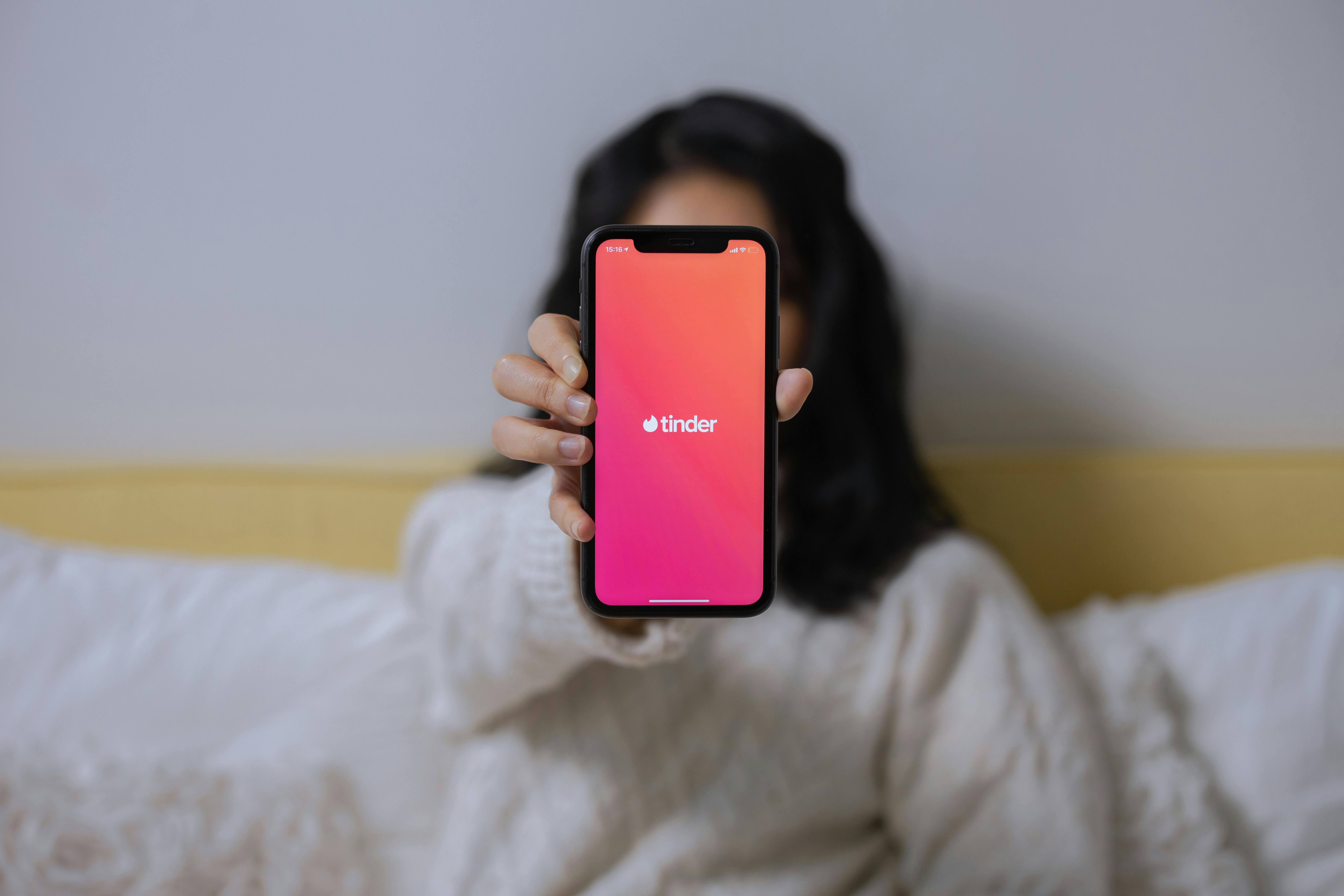
MyTruDate's claim that mandatory screening blocks 'catfishes, bots, and fake profiles' conflates identity verification with criminal checks. ID matching prevents fake accounts; background screening doesn't. The bundling of these separate functions in marketing materials suggests the company is leaning on the emotional weight of safety concerns to justify a feature set that serves other purposes—like differentiating in a crowded market and creating additional revenue streams through MyTruCheck.
Who This Really Serves
The competitive context here is telling. MyTruDate enters a market where the major platforms have spent the past three years significantly increasing trust and safety investment—Match Group disclosed $125M in incremental safety spending across 2023-24, whilst Bumble brought moderation in-house at considerable cost—but stopped short of mandatory criminal screening. That's not because they're indifferent to safety, but because blanket exclusion policies create legal, ethical, and commercial risks that voluntary verification avoids.
What MyTruDate is banking on is that a segment of users will pay a premium—whether through subscription fees or background check services—for the perception of safety, even if the actual risk reduction is minimal. That's a defensible business strategy. Whether it's defensible as public policy if mandatory screening becomes an industry standard is another question entirely, and one that compliance teams at larger platforms are watching closely as state-level legislation on platform safety continues to tighten.
The app's decision to abandon swipe mechanics in favour of filter-based search is the more genuinely differentiated feature here, addressing a real user complaint about algorithm opacity and match control. But it's the background check requirement that's generating attention, and that's no accident. Recent surveys suggest that about 81% of users support some form of identity verification, creating market demand for platforms that can credibly claim stronger safety measures.
Key Takeaways
- •Dating app operators face growing legal risks if mandatory criminal background checks infringe upon state-level consumer discrimination laws or fail to publish transparent data retention policies.
- •Monetising background checks as an ancillary feature risks regulatory scrutiny from privacy authorities, particularly in jurisdictions operating without comprehensive consumer data protection legislation.
- •Compliance teams must weigh user demand for identity verification against the reality that criminal checks do not mitigate common platform harms like online harassment.
Frequently Asked Questions
Policy & Regulation Desk
The DII Regulatory Monitor tracks legislation, enforcement action, safety rules and compliance across dating industry markets.
Comments
Join the discussion
Industry professionals share insights, challenge assumptions, and connect with peers. Sign in to add your voice.
Your comment is reviewed before publishing. No spam, no self-promotion.


