

Virgin's Adrenaline Dating Survey: Marketing Hype or Real Demand?
Key Points
- •A Virgin Experience Gifts survey of 1,000 Americans found that 93 percent of respondents reported being open to adrenaline dating activities.
- •In the Virgin Experience Gifts study, 47 percent of surveyed Americans stated that they feel bored during traditional first dates.
- •Match Group and Bumble have not modified recommendation algorithms to prioritise extreme sports despite consumer interest badges introduced since 2020.
- •London-based dating app Thursday and fitness app Strava faced scaling challenges when attempting to commercialise activity-based matching concepts.
Match Group isn't rewriting its recommendation algorithms to prioritise bungee jumping locations. Bumble hasn't announced a skydiving feature. Yet a survey commissioned by Virgin Experience Gifts claims 93% of Americans are open to "adrenaline dating" – swapping dinner reservations for ziplines and white-water rafting.
The study positions high-octane activities as the antidote to boring first dates. According to the findings, 95% of respondents have experienced at least one bad date, whilst nearly half reported being "bored" during a first encounter. There's just one problem: the company selling the research also sells experience gifts.
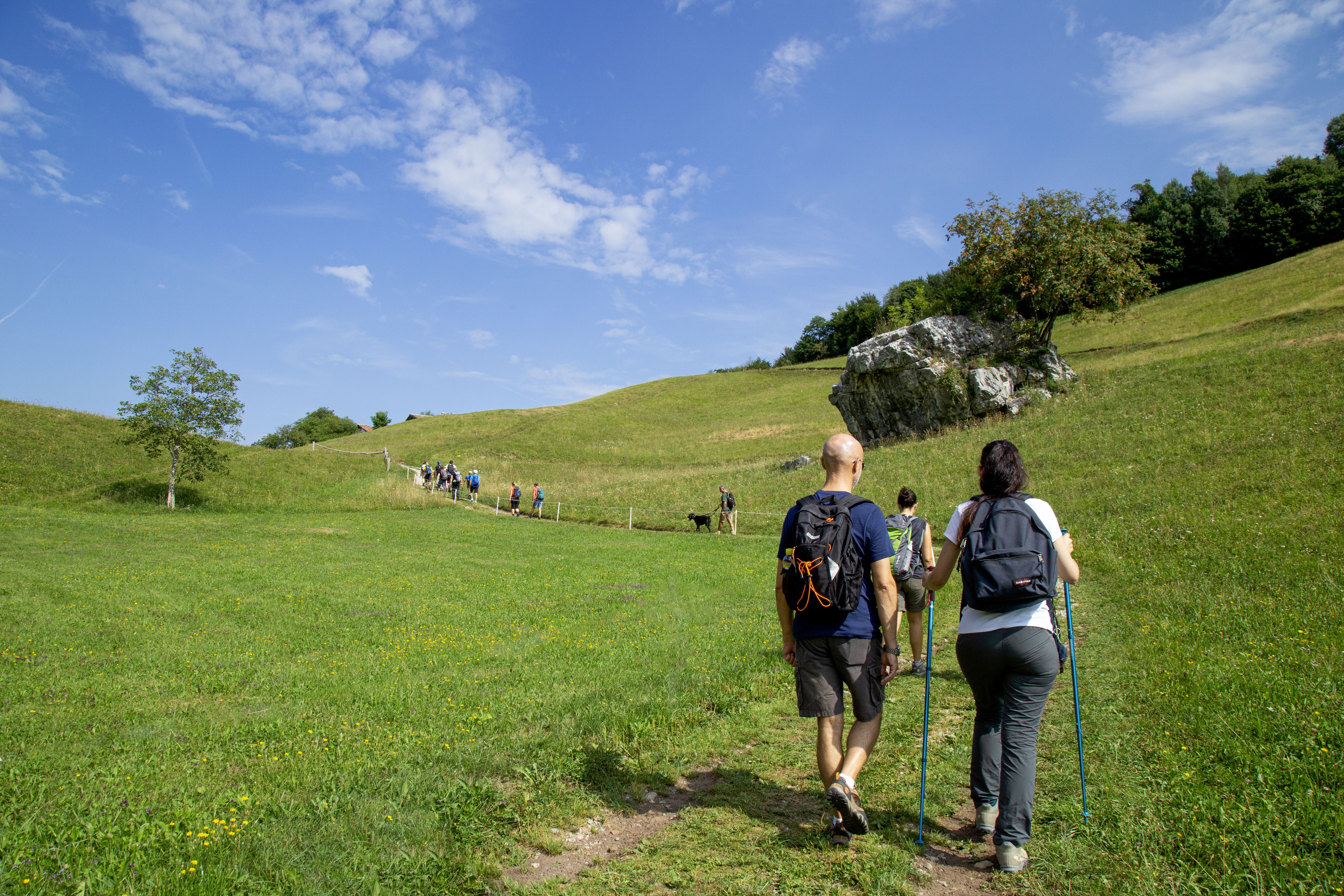
This has all the hallmarks of experience economy marketing finding a new vertical. Dating operators should note the survey's existence – it signals that adjacent industries see dating as a growth opportunity – but shouldn't mistake stated preference for actual behaviour change. If 93% of singles genuinely wanted adrenaline dates, we'd see it in product traction data from apps that already offer activity-based matching. We don't.
Create a free account
Unlock unlimited access and get the weekly briefing delivered to your inbox.
What the data actually shows
The survey's headline figure – 93% openness to adrenaline dating – measures willingness to consider, not intent to act. That gap matters enormously. Stated preference research consistently overestimates adoption of novel behaviours, particularly when the alternative sounds boring by comparison.
Ask someone if they're "open to" skydiving on a date versus "open to" another pub meet, and the framing does half the work.
Virgin's commissioned research also includes a quote from Kelsey Wonderlin, co-founder of RegistryFinder.com, a matchmaking gift registry service. The absence of independent academic researchers or dating product leaders in the coverage is conspicuous. The methodology details matter here, and they're thin.
Sample size of 1,000 is adequate for topline figures, but without information on recruitment method, demographic weighting, or question phrasing, it's impossible to assess quality. Self-selecting samples – common in brand-commissioned research – skew heavily toward people already interested in the topic.
What dating apps already do with activities
Here's what undercuts the "untapped demand" narrative: dating platforms have experimented with activity-based matching for years, and it hasn't become a dominant paradigm. Bumble introduced interest badges in 2020, allowing members to highlight activities from hiking to karaoke. Hinge built its entire interface around prompts that often reference activities. None of these features redefined how the mainstream market dates.

Thursday's trajectory is particularly instructive. The London-based app initially restricted matches to Thursdays only, then added event-based dating as its core proposition. According to the company's own disclosures, events drove engagement, but the business model proved challenging to scale beyond dense urban markets.
Strava's dating feature, which launched with fanfare among fitness enthusiasts, operates in a similar space. It serves a niche well, but hasn't crossed over to mass market adoption. The lesson: activity-based dating appeals strongly to specific cohorts but doesn't replace traditional first dates for the broader user base.
The operational reality of adventure dating
Platforms that facilitate high-energy first dates face structural challenges. Liability concerns top the list. If an app recommends a rock climbing date and someone gets injured, the legal exposure isn't trivial. Insurance considerations alone make most operators cautious about pushing members toward activities with inherent physical risk.
A £50 meal is accessible to most working professionals; a £150 tandem skydive is not.
Cost is the second barrier. Virgin's research doesn't segment by income, but economic accessibility shapes dating behaviour more than stated preferences. Coordination complexity is the third factor. Scheduling a restaurant reservation requires finding a two-hour window and a postcode. Booking a white-water rafting trip requires equipment, travel, specific weather conditions, and often advance booking weeks out.

What operators should actually watch
The Virgin survey does point to something real: dissatisfaction with formulaic first dates. Dating app fatigue is well-documented, and the "drinks near you" default has become shorthand for low-effort courtship. But the solution isn't necessarily replacing dinner with extreme sports. It's about offering variety and personalisation without introducing prohibitive friction.
Platforms that have succeeded with alternative formats tend toward lower-barrier activities. Fever's dating-focused city experiences – pottery classes, food tours, escape rooms – fill a middle ground: more memorable than drinks, less logistically complex than skydiving. Paris-based Once partnered with activity providers for curated date ideas, focusing on accessibility rather than adrenaline.
The smartest operators will treat this research as directional rather than definitive. It suggests appetite for novelty, but the 93% figure shouldn't be read as a mandate to overhaul recommendation engines. Product teams should instead test lower-friction activity prompts, partner with local experience providers on opt-in offerings, and watch actual booking data rather than survey responses.
Investors evaluating dating platforms should note where product roadmaps are heading on this front, but shouldn't expect adventure dating to become a major revenue driver unless someone cracks the operational model. The experience economy is growing, and adjacent players like Virgin clearly see dating as an acquisition channel. Whether that translates to platform strategy remains to be seen – and will show up in feature adoption metrics long before it appears in survey toplines.
Key Takeaways
- •Dating app product teams should treat stated preference survey figures cautiously because high-cost adrenaline dates create severe liability, cost, and scheduling friction for users.
- •Investors and operators should focus on lower-barrier activity partnerships such as local pottery classes or city tours rather than pushing high-risk extreme sports features.
Frequently Asked Questions
Data & Analytics Desk
The DII Data Team maintains the publication's trackers, market data and analytical reference hubs for the online dating industry.
Comments
Join the discussion
Industry professionals share insights, challenge assumptions, and connect with peers. Sign in to add your voice.
Your comment is reviewed before publishing. No spam, no self-promotion.


